Zernike Institute for Advanced Materials, University of Groningen, 9747 AG Groningen, The Netherlands.
Department of Physics, University of Michigan, Ann Arbor, Michigan 48109, United States.
J Phys Chem B. 2020 Oct 22;124(42):9420-9427. doi: 10.1021/acs.jpcb.0c08126. Epub 2020 Oct 9.
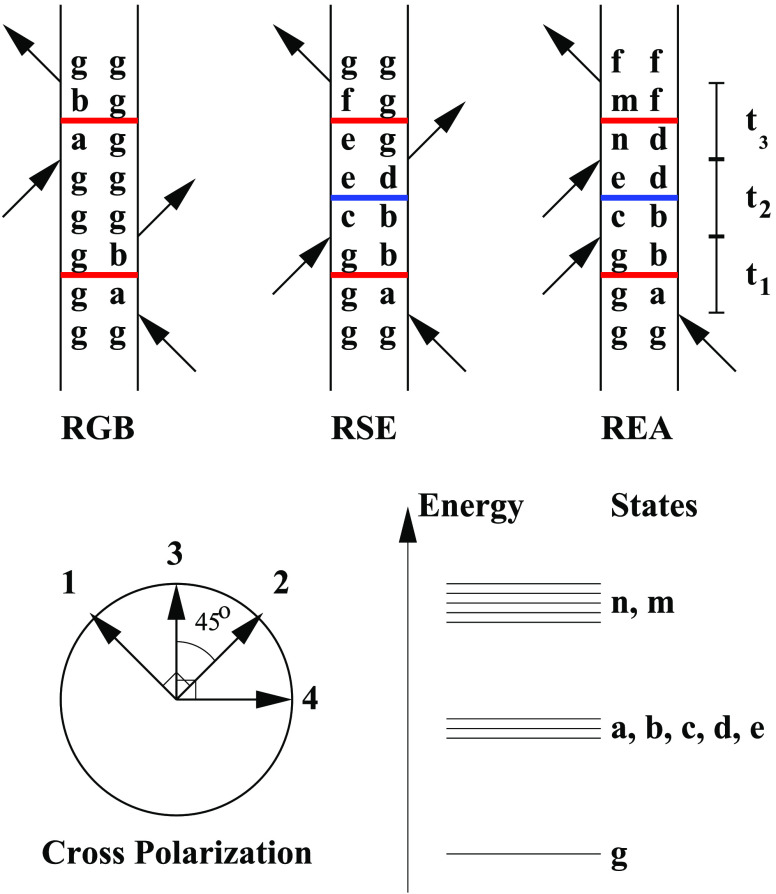
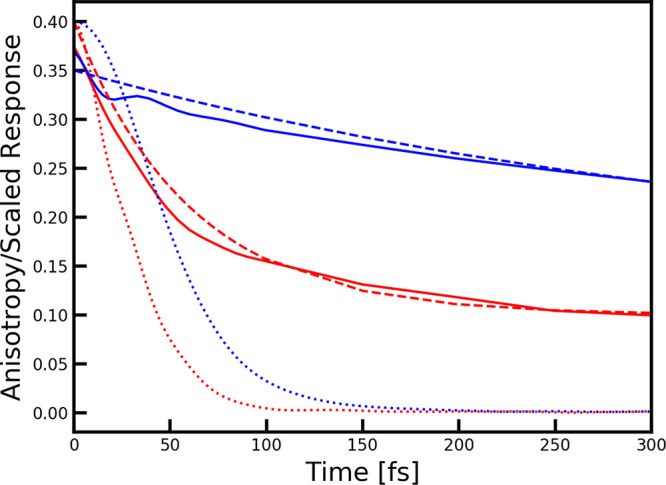
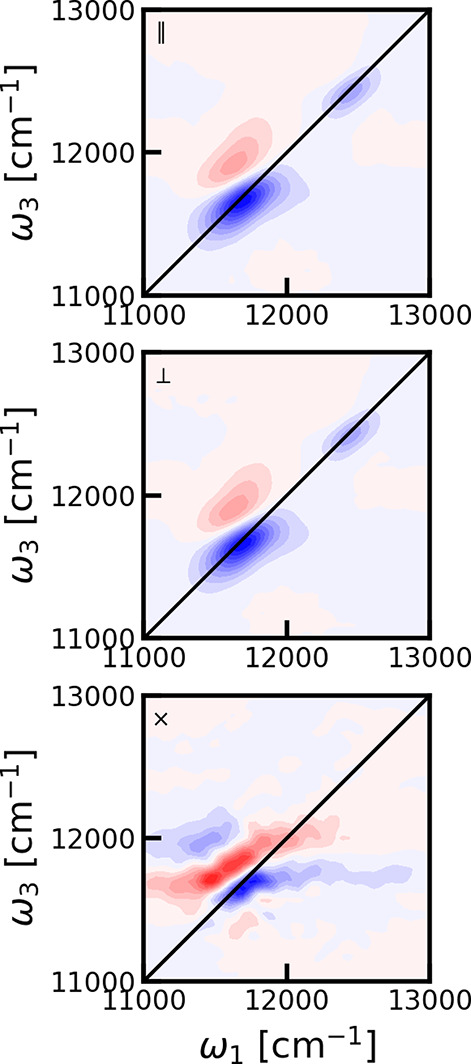
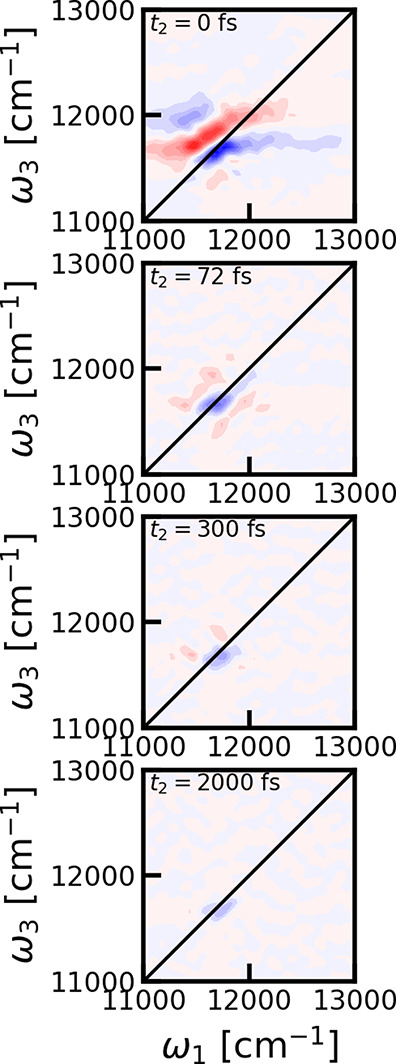
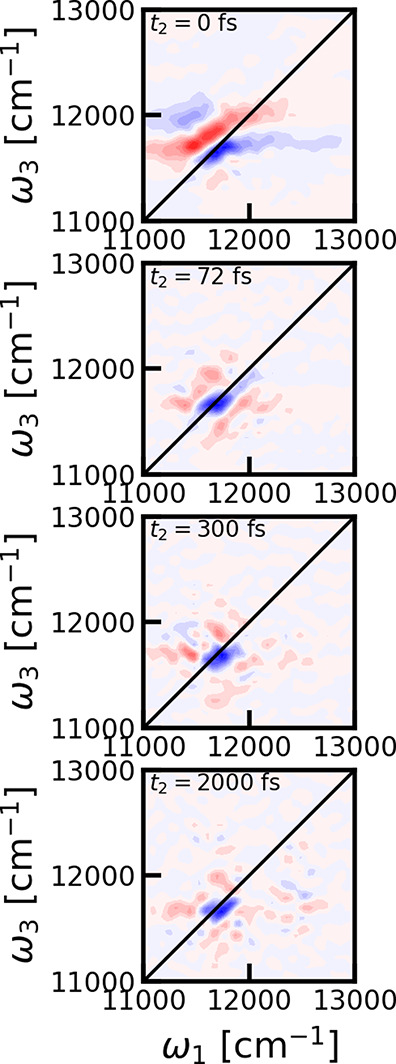
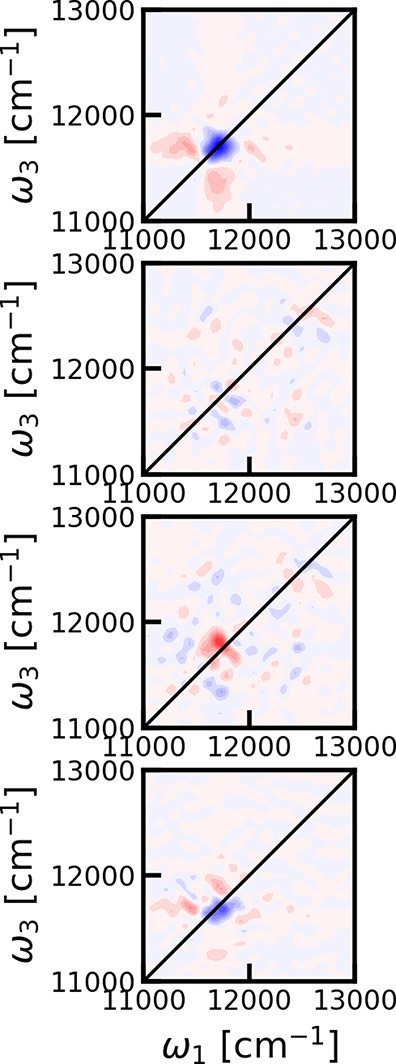
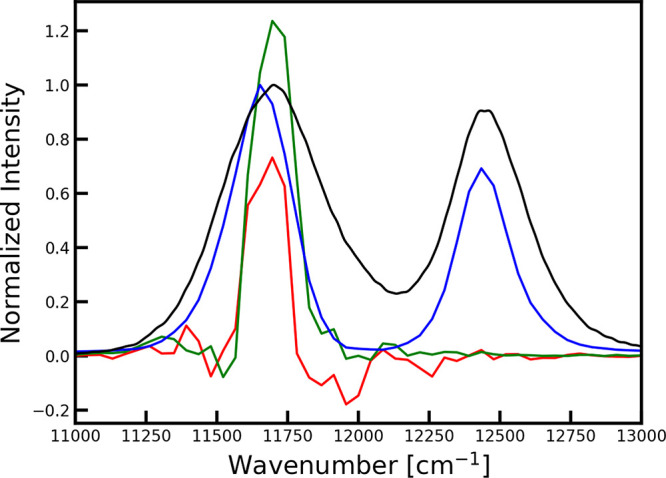
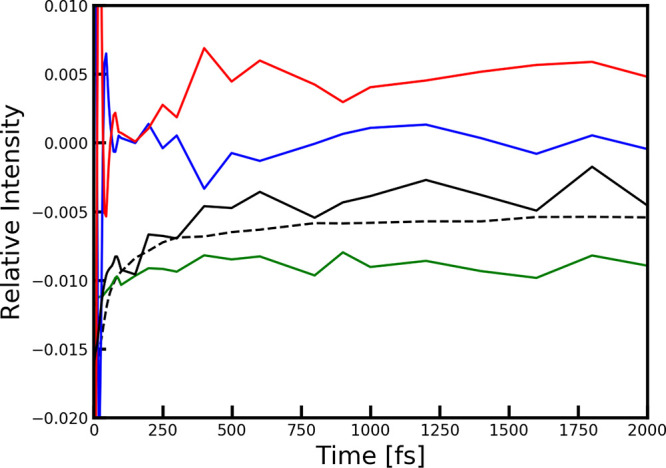
Optical spectroscopy is a powerful tool to interrogate quantum states of matter. We present simulation results for the cross-polarized two-dimensional electronic spectra of the light-harvesting system LH2 of purple bacteria. We identify a spectral feature on the diagonal, which we assign to ultrafast coherence transfer between degenerate states. The implication for the interpretation of previous experiments on different systems and the potential use of this feature are discussed. In particular, we foresee that this kind of feature will be useful for identifying mixed degenerate states and for identifying the origin of symmetry breaking disorder in systems like LH2. Furthermore, this may help identify both vibrational and electronic states in biological systems such as proteins and solid-state materials such as hybrid perovskites.
光学光谱学是一种强大的工具,可以用来探测物质的量子态。我们呈现了对光合系统 LH2 的二维电子交叉极化光谱的模拟结果,该系统存在于紫色细菌中。我们在对角线上识别出一个光谱特征,我们将其归因于简并态之间的超快相干转移。讨论了这对解释不同系统上以前的实验以及此特征的潜在用途的影响。特别是,我们预见到这种特征将有助于识别混合简并态,并识别像 LH2 这样的系统中对称性破坏无序的起源。此外,这可能有助于识别生物系统(如蛋白质)和固态材料(如混合钙钛矿)中的振动和电子态。