The Water Institute, Gillings School of Global Public Health, University of North Carolina at Chapel Hill, Chapel Hill, NC 27599, USA.
School of Civil Engineering, University of Leeds, Leeds LS2 9JT, UK.
Int J Environ Res Public Health. 2020 Sep 27;17(19):7076. doi: 10.3390/ijerph17197076.
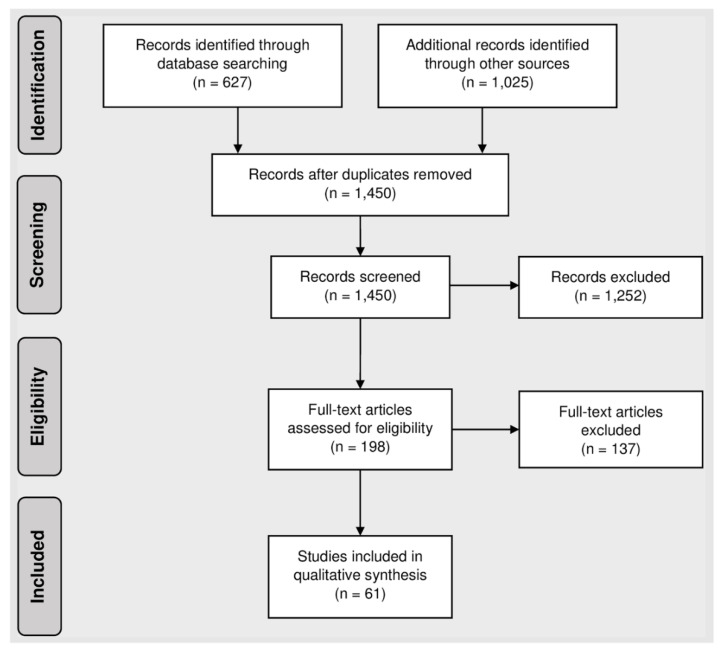
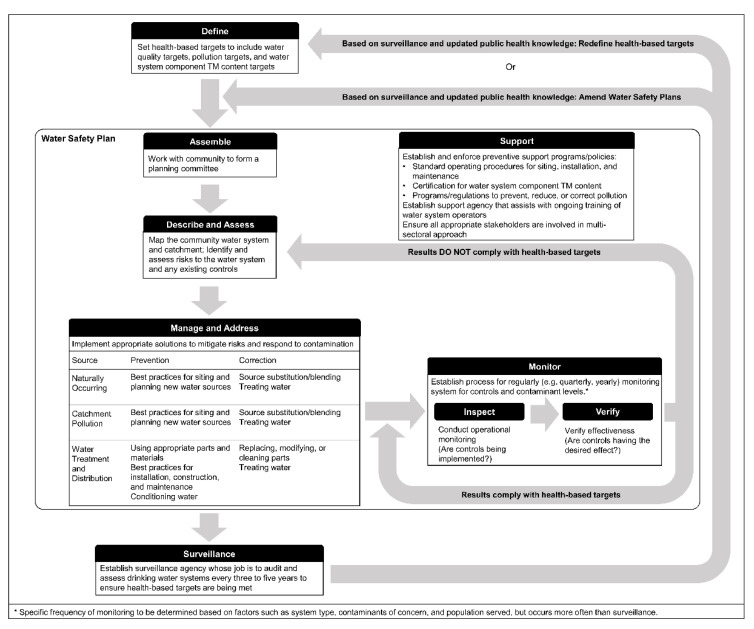
Exposure to toxic metals and metalloids (TMs) such as arsenic and lead at levels of concern is associated with lifelong adverse health consequences. As exposure to TMs from paint, leaded gasoline, canned foods, and other consumer products has decreased in recent decades, the relative contribution of drinking water to environmental TM exposure and associated disease burdens has increased. We conducted a rapid review from June to September 2019 to synthesize information on the sources of TM contamination in small rural drinking water systems and solutions to TM contamination from these sources, with an emphasis on actionable evidence applicable to small rural drinking water systems worldwide. We reviewed publications from five databases (ProQuest, PubMed, Web of Science, Embase, and Global Health Library) as well as grey literature from expert groups including WHO, IWA, and others; findings from 61 eligible review publications were synthesized. Identified sources of TMs in included studies were natural occurrence (geogenic), catchment pollution, and corrosion of water distribution system materials. The review found general support for preventive over corrective actions. This review informs a useful planning and management framework for preventing and mitigating TM exposure from drinking water based on water supply characteristics, identified contamination sources, and other context-specific variables.
暴露于有毒金属和类金属(TMs),如砷和铅,在令人担忧的水平,与终身不良健康后果有关。由于近几十年来,人们接触油漆、含铅汽油、罐头食品和其他消费品中的 TM 的程度已经降低,饮用水对环境 TM 暴露和相关疾病负担的相对贡献已经增加。我们于 2019 年 6 月至 9 月进行了一项快速审查,以综合有关小型农村饮用水系统中 TM 污染的来源以及从这些来源解决 TM 污染的信息,重点是适用于全球小型农村饮用水系统的可操作证据。我们审查了来自五个数据库(ProQuest、PubMed、Web of Science、Embase 和全球卫生图书馆)的出版物,以及来自世界卫生组织、国际水协会和其他组织的专家组的灰色文献;综合了 61 篇合格审查出版物的研究结果。包括研究中的 TM 来源被确定为自然发生(地质成因)、集水区污染和供水系统材料腐蚀。审查结果普遍支持预防措施优于纠正措施。本审查根据供水特性、已确定的污染来源和其他特定于上下文的变量,为预防和减轻饮用水中 TM 暴露提供了一个有用的规划和管理框架。