School of Biology, Institute of Science, Suranaree University of Technology, Nakhon Ratchasima, Thailand.
Centre for Integrative Conservation, Xishuangbanna Tropical Botanical Garden, Chinese Academy of Sciences, Menglun, Mengla, Yunnan 666303, PR China.
Nat Commun. 2020 Sep 29;11(1):4738. doi: 10.1038/s41467-020-18523-4.
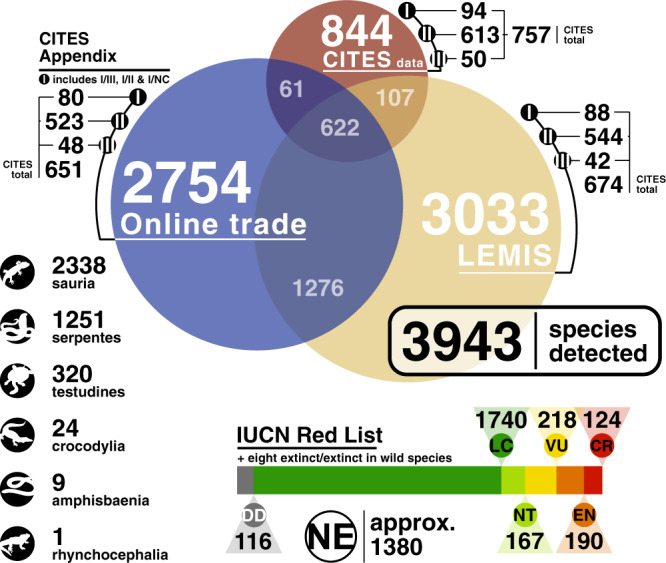
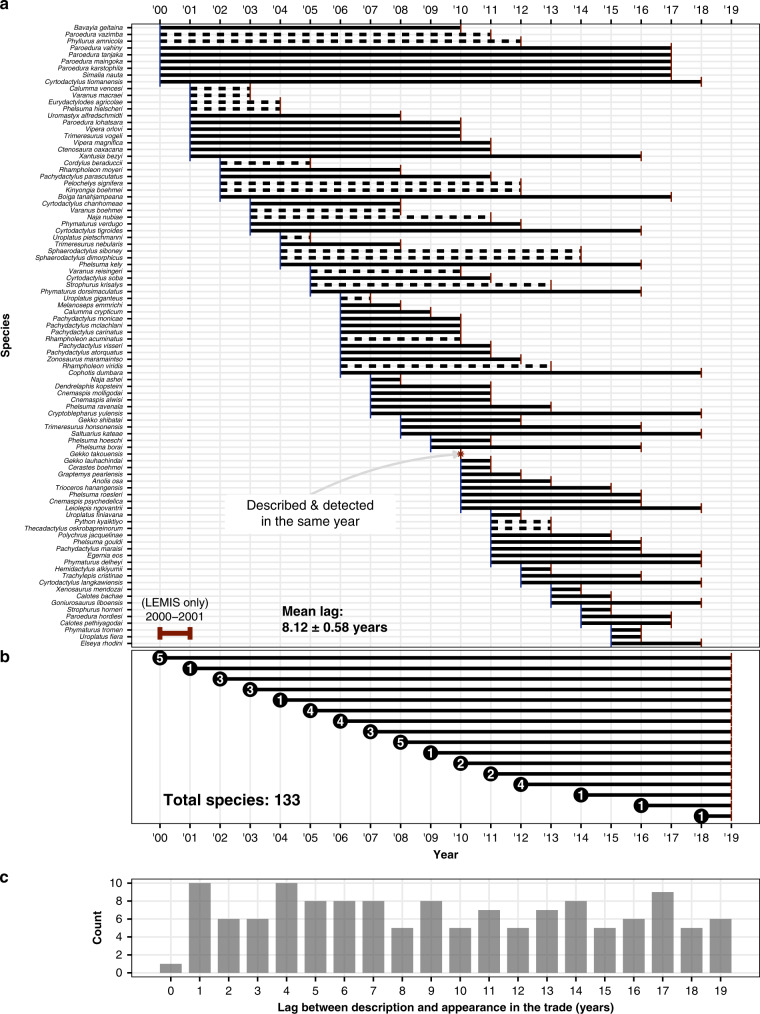
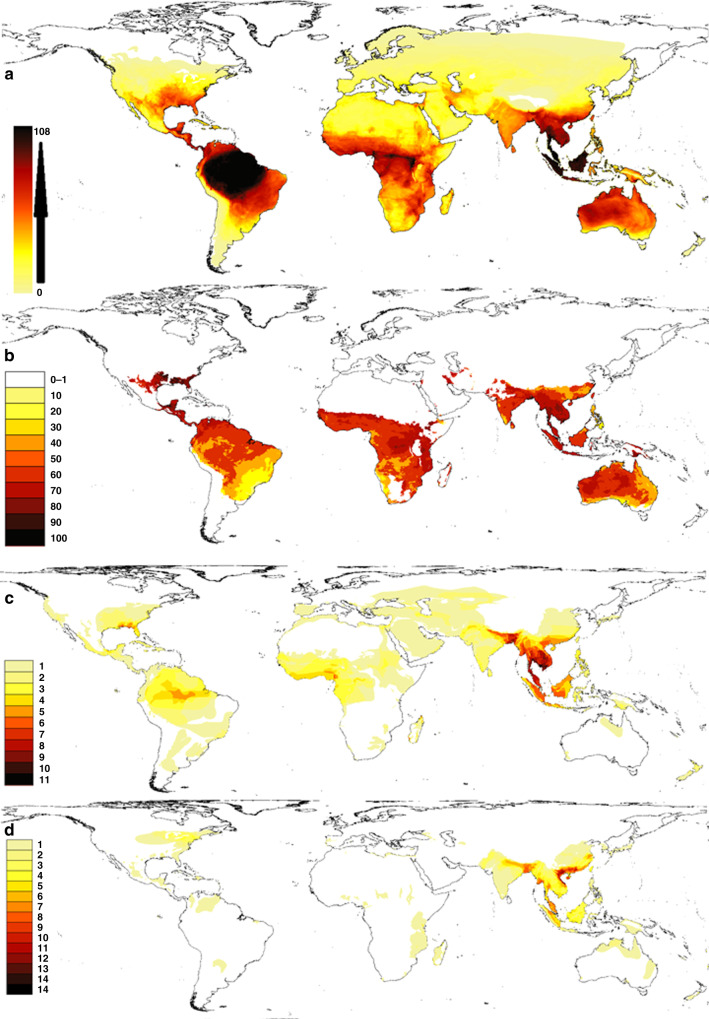
Wildlife trade is a key driver of the biodiversity crisis. Unregulated, or under-regulated wildlife trade can lead to unsustainable exploitation of wild populations. International efforts to regulate wildlife mostly miss 'lower-value' species, such as those imported as pets, resulting in limited knowledge of trade in groups like reptiles. Here we generate a dataset on web-based private commercial trade of reptiles to highlight the scope of the global reptile trade. We find that over 35% of reptile species are traded online. Three quarters of this trade is in species that are not covered by international trade regulation. These species include numerous endangered or range-restricted species, especially hotspots within Asia. Approximately 90% of traded reptile species and half of traded individuals are captured from the wild. Exploitation can occur immediately after scientific description, leaving new endemic species especially vulnerable. Pronounced gaps in regulation imply trade is having unknown impacts on numerous threatened species. Gaps in monitoring demand a reconsideration of international reptile trade regulations. We suggest reversing the status-quo, requiring proof of sustainability before trade is permitted.
野生动物贸易是生物多样性危机的主要驱动因素之一。不受管制或管制不足的野生动物贸易可能导致对野生种群的不可持续开发。国际社会为规范野生动物贸易做出了诸多努力,但主要针对的是那些作为宠物进口的“低价值”物种,如爬行动物等群体的贸易情况所知甚少。在这里,我们生成了一个关于爬行动物网络私人商业贸易的数据,以突出全球爬行动物贸易的范围。我们发现,超过 35%的爬行动物物种在网上交易。其中四分之三的交易涉及不受国际贸易法规约束的物种。这些物种包括许多濒危或分布范围有限的物种,尤其是亚洲的热点地区。大约 90%的交易爬行动物物种和一半的交易个体是从野外捕获的。在科学描述之后,立即就会发生剥削行为,使新的特有物种特别脆弱。监管方面的明显差距意味着贸易对许多受威胁物种产生了未知的影响。监测方面的差距要求重新考虑国际爬行动物贸易法规。我们建议扭转现状,在允许贸易之前,要求证明可持续性。