Mahdiyah Dede, Farida Helmia, Riwanto Ignatius, Mustofa Mustofa, Wahjono Hendro, Laksana Nugroho Tri, Reki Winarto
Department of Pharmacy, Faculty of Health, Sari Mulia University, Banjarmasin, Indonesia.
Post Graduate Program, Faculty of Medicine, Diponegoro University, Semarang, Indonesia.
Saudi J Biol Sci. 2020 Oct;27(10):2604-2611. doi: 10.1016/j.sjbs.2020.05.033. Epub 2020 May 26.
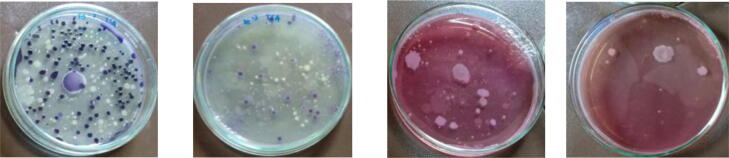
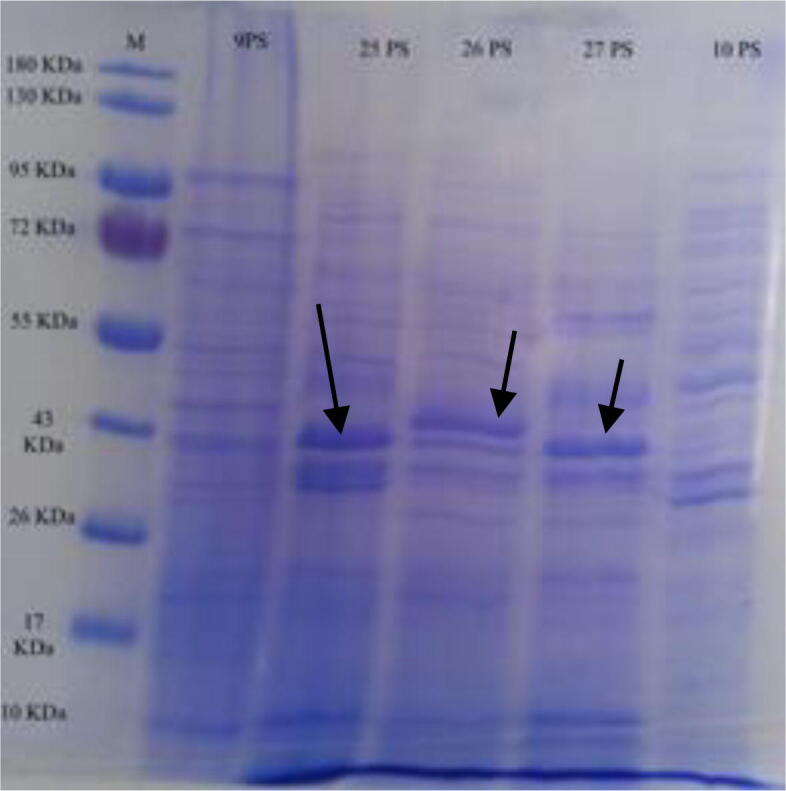
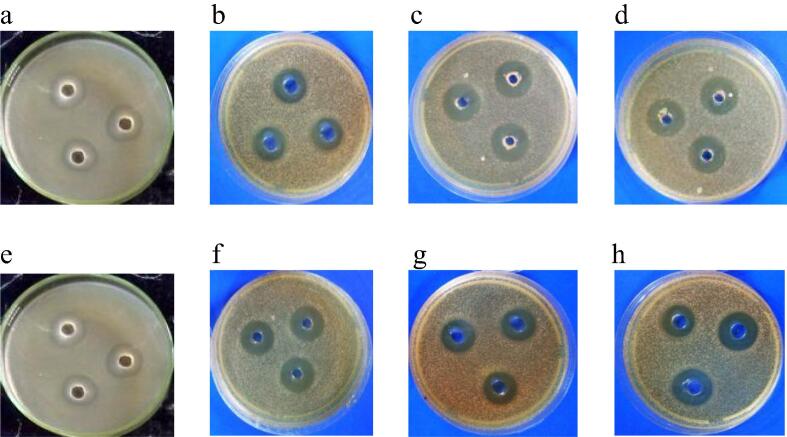
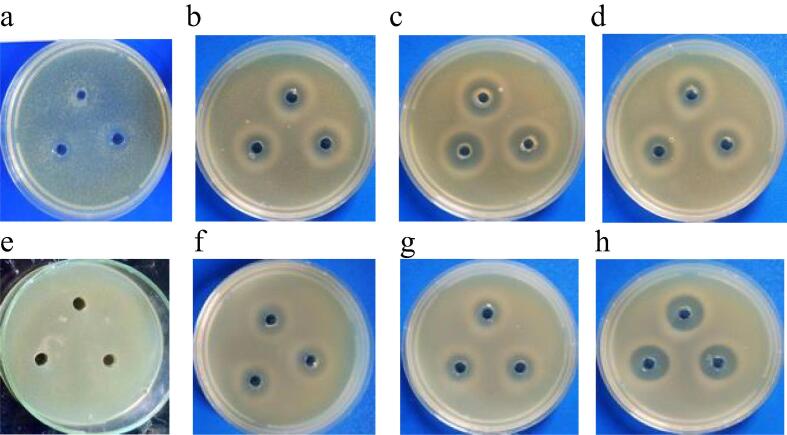
The development and world-wide spread of multidrug-resistant (MDR) bacteria have a high concern in the medicine, especially the extended-spectrum of beta-lactamase (ESBL) producing and methicillin-resistant (MRSA). There are currently very limited effective antibiotics to treat infections caused by MDR bacteria. Peat-soil is a unique environment in which bacteria have to compete each other to survive, for instance, by producing antimicrobial substances. This study aimed to isolate bacteria from peat soils from South Kalimantan Indonesia, which capable of inhibiting the growth of Gram-positive and Gram-negative bacteria. Isolates from peat soil were grown and identified phenotypically. The cell-free supernatant was obtained from broth culture by centrifugation and was tested by agar well-diffusion technique against non ESBL-producing ATCC 25922, ESBL-producing ATCC 35218, methicillin susceptible (MSSA) ATCC 29,213 and MRSA ATCC 43300. Putative antimicrobial compounds were separated using SDS-PAGE electrophoresis and purified using electroelution method. Antimicrobial properties of the purified compounds were confirmed by measuring the minimum inhibitory concentration (MIC) and minimum bactericidal concentration (MBC). In total 28 isolated colonies were recovered; three (25PS, 26PS, and 27PS) isolates produced proteins with strong antimicrobial activities against both reference strains. The substance of proteins from three isolates exerted strong antimicrobial activity against ESBL-producing ATCC 35,218 (MIC = 2,80 µg/mL (25PS), 3,76 µg/mL (26PS), and 2,41 µg/mL (27PS), and MRSA ATCC 43,300 (MIC = 4,20 µg/mL (25PS), 5,65 µg/mL (26PS), and 3,62 µg/mL (27PS), and also had the ability bactericidal properties against the reference strains. There were isolates from Indonesian peat which were potentials sources of new antimicrobials.
多重耐药(MDR)细菌的出现及其在全球范围内的传播引起了医学界的高度关注,尤其是产超广谱β-内酰胺酶(ESBL)和耐甲氧西林(MRSA)的细菌。目前,用于治疗由MDR细菌引起的感染的有效抗生素非常有限。泥炭土是一个独特的环境,细菌必须相互竞争才能生存,例如通过产生抗菌物质。本研究旨在从印度尼西亚南加里曼丹的泥炭土中分离出能够抑制革兰氏阳性和革兰氏阴性细菌生长的细菌。从泥炭土中分离出的菌株进行培养并进行表型鉴定。通过离心从肉汤培养物中获得无细胞上清液,并采用琼脂孔扩散技术对非产ESBL的ATCC 25922、产ESBL的ATCC 35218、甲氧西林敏感(MSSA)的ATCC 29213和MRSA的ATCC 43300进行测试。使用SDS-PAGE电泳分离推定的抗菌化合物,并采用电洗脱法进行纯化。通过测量最低抑菌浓度(MIC)和最低杀菌浓度(MBC)来确认纯化化合物的抗菌特性。总共回收了28个分离菌落;三个(25PS、26PS和27PS)分离株产生的蛋白质对两种参考菌株均具有很强的抗菌活性。来自三个分离株的蛋白质物质对产ESBL的ATCC 35218(MIC = 2.80 µg/mL(25PS)、3.76 µg/mL(26PS)和2.41 µg/mL(27PS))和MRSA的ATCC 43300(MIC = 4.20 µg/mL(25PS)、5.65 µg/mL(26PS)和3.62 µg/mL(27PS))具有很强的抗菌活性,并且对参考菌株也具有杀菌特性。来自印度尼西亚泥炭的分离株是新抗菌剂的潜在来源。