Erndwein Lindsay, Cook Douglas D, Robertson Daniel J, Sparks Erin E
Department of Plant and Soil Sciences and the Delaware Biotechnology Institute University of Delaware Newark Delaware 19711 USA.
Department of Mechanical Engineering Brigham Young University Provo Utah 84602 USA.
Appl Plant Sci. 2020 Aug 16;8(8):e11382. doi: 10.1002/aps3.11382. eCollection 2020 Aug.
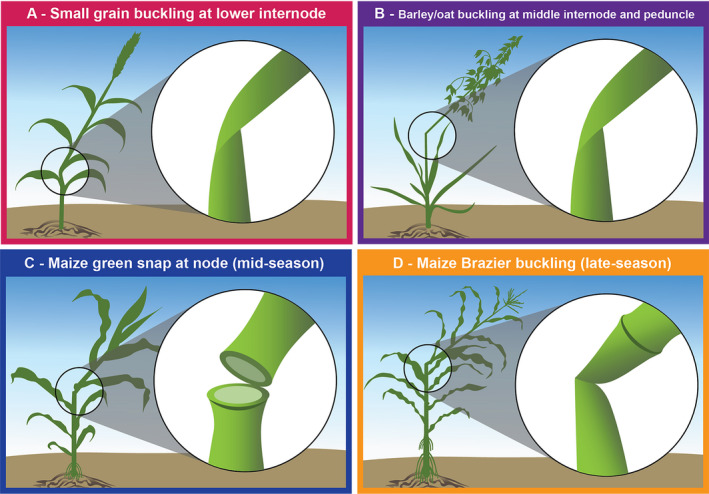
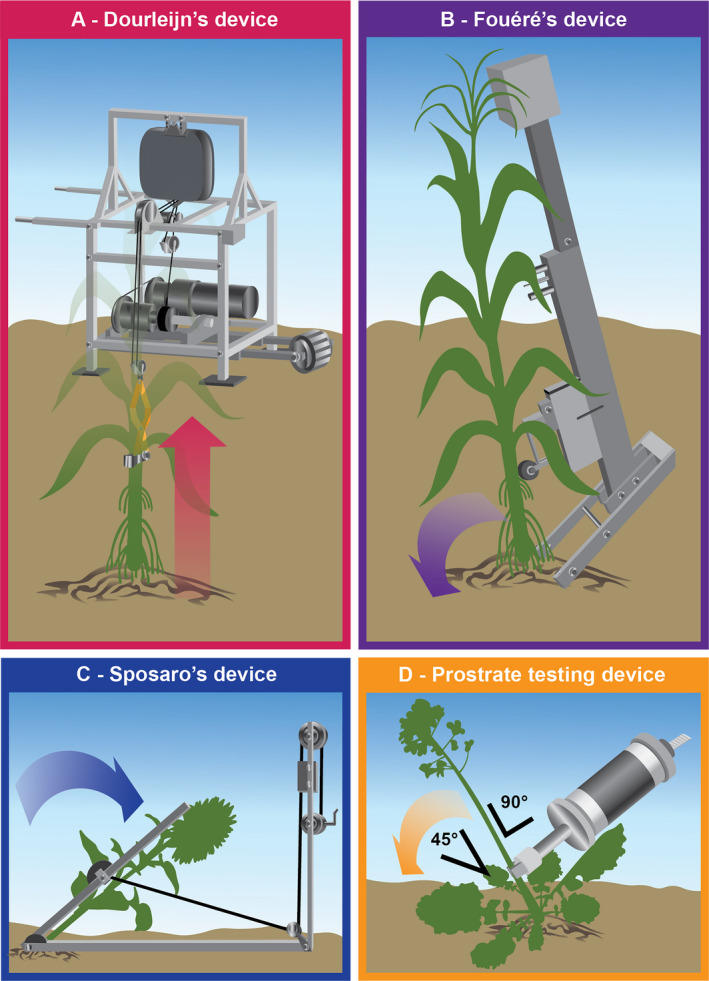
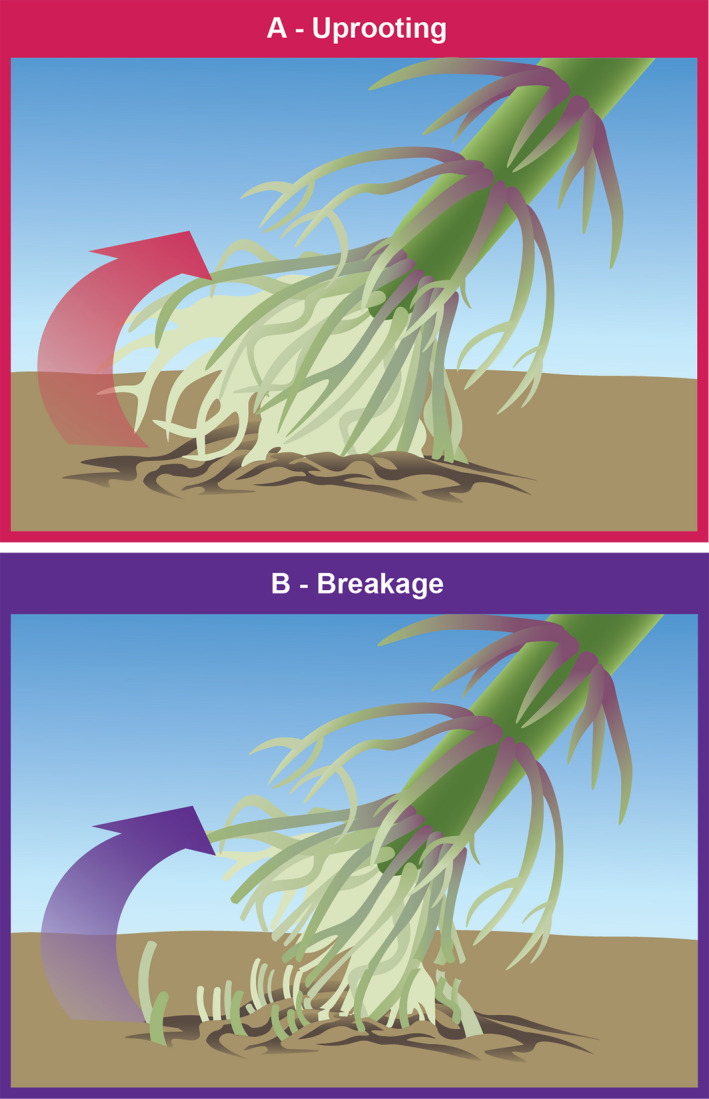
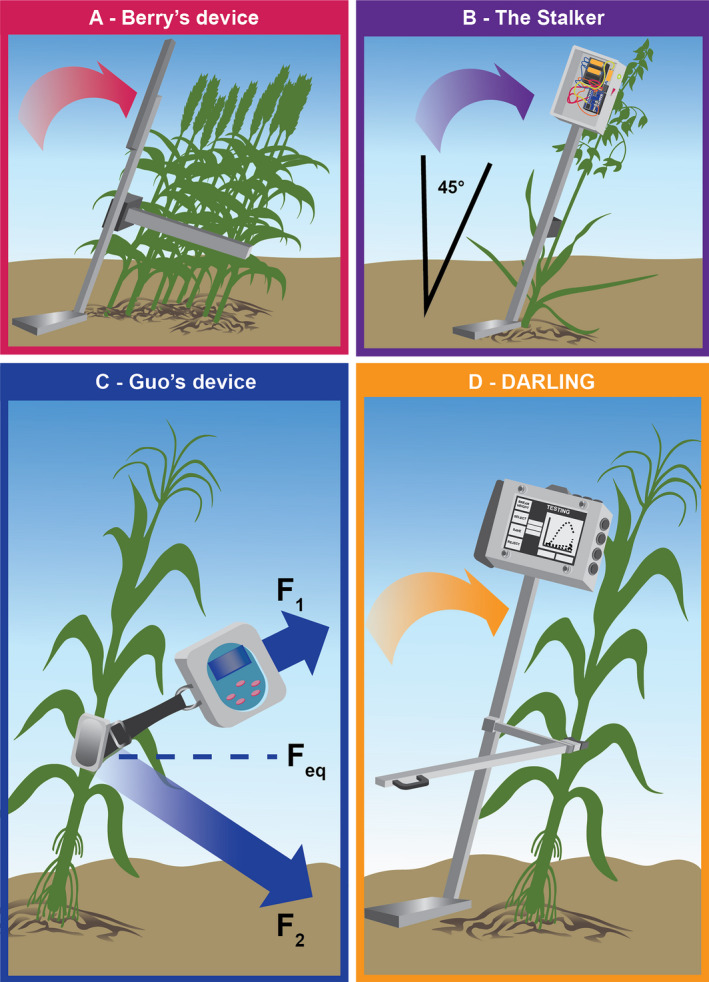
Plant mechanical failure, also known as lodging, is the cause of significant and unpredictable yield losses in cereal crops. Lodging occurs in two distinct failure modes-stalk lodging and root lodging. Despite the prevalence and detrimental impact of lodging on crop yields, there is little consensus on how to phenotype plants in the field for lodging resistance and thus breed for mechanically resilient plants. This review provides an overview of field-based mechanical testing approaches to assess stalk and root lodging resistance. These approaches are placed in the context of future perspectives. Best practices and recommendations for acquiring field-based mechanical phenotypes of plants are also presented.
植物机械性倒伏,也称为倒伏,是谷类作物产量显著且不可预测损失的原因。倒伏以两种不同的失效模式发生——茎倒伏和根倒伏。尽管倒伏对作物产量普遍存在且有不利影响,但对于如何在田间对植物进行抗倒伏表型分析以及从而培育出具有机械弹性的植物,几乎没有达成共识。本综述概述了用于评估茎倒伏和根倒伏抗性的田间机械测试方法。这些方法置于未来展望的背景下进行阐述。还介绍了获取植物田间机械表型的最佳实践和建议。