Dept. of Pharmaceutical Sciences, University of Milan, Milan, Italy.
NEUROFARBA Department., University of Florence, Florence, Italy.
Microbiome. 2020 Oct 1;8(1):140. doi: 10.1186/s40168-020-00914-w.
The gut-brain axis and the intestinal microbiota are emerging as key players in health and disease. Shifts in intestinal microbiota composition affect a variety of systems; however, evidence of their direct impact on cognitive functions is still lacking. We tested whether faecal microbiota transplant (FMT) from aged donor mice into young adult recipients altered the hippocampus, an area of the central nervous system (CNS) known to be affected by the ageing process and related functions.
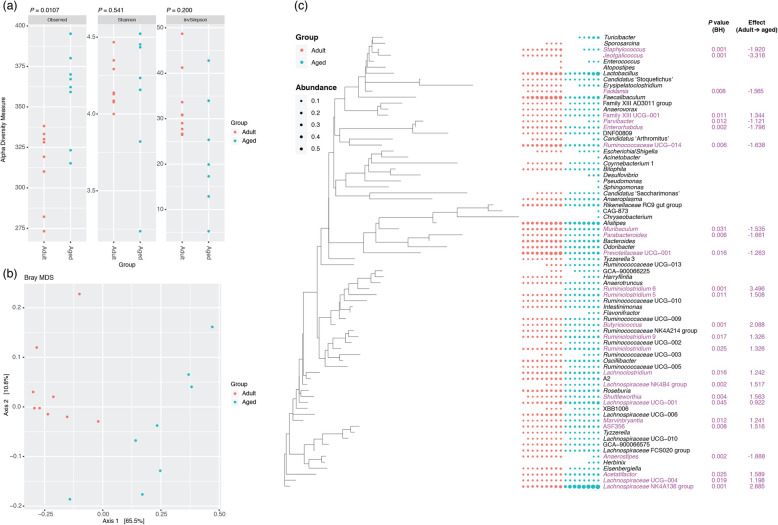
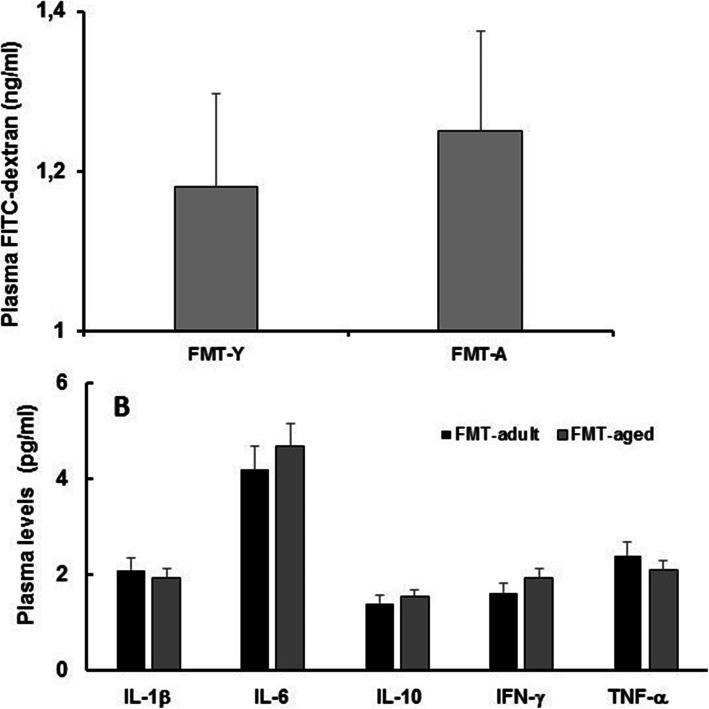
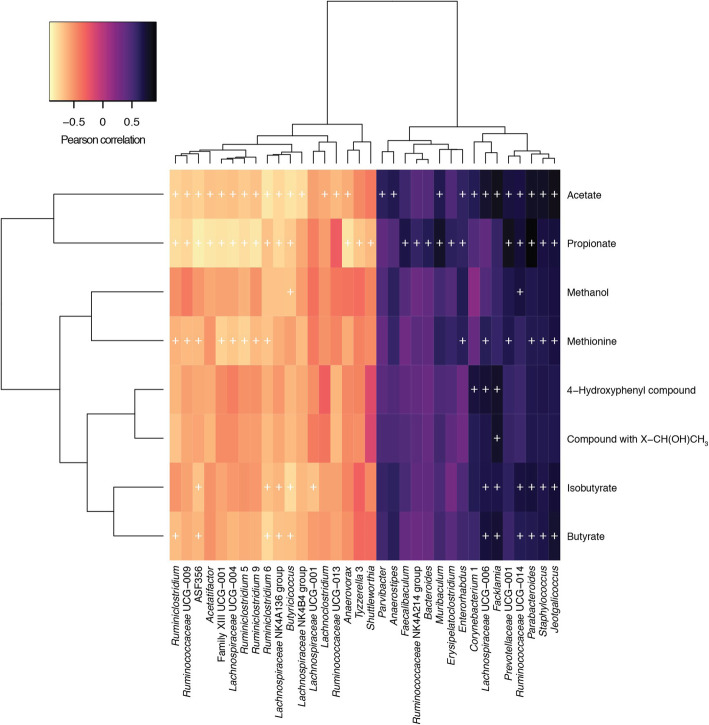
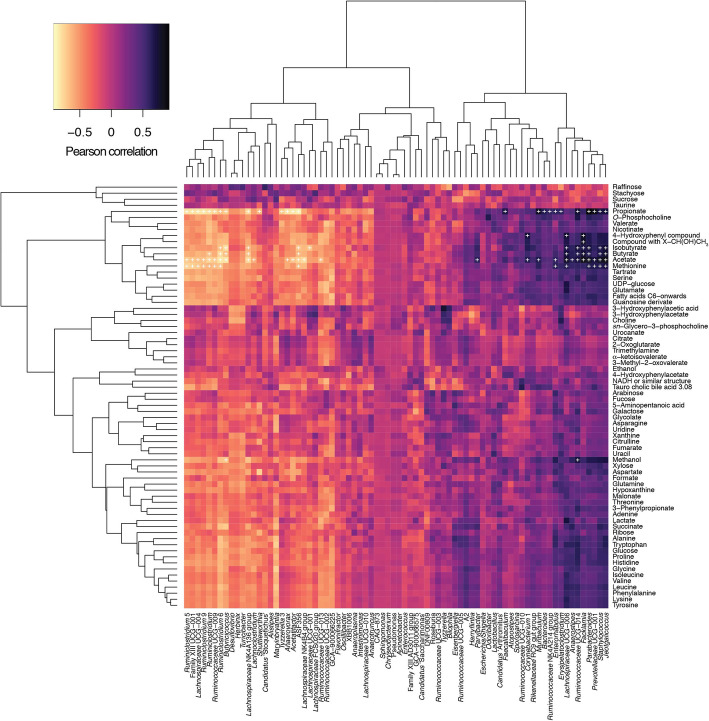
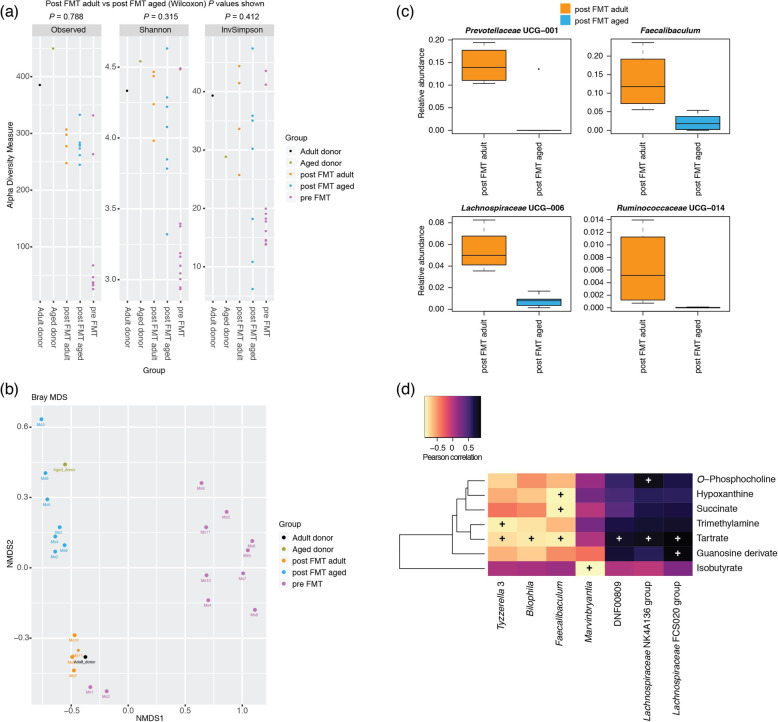
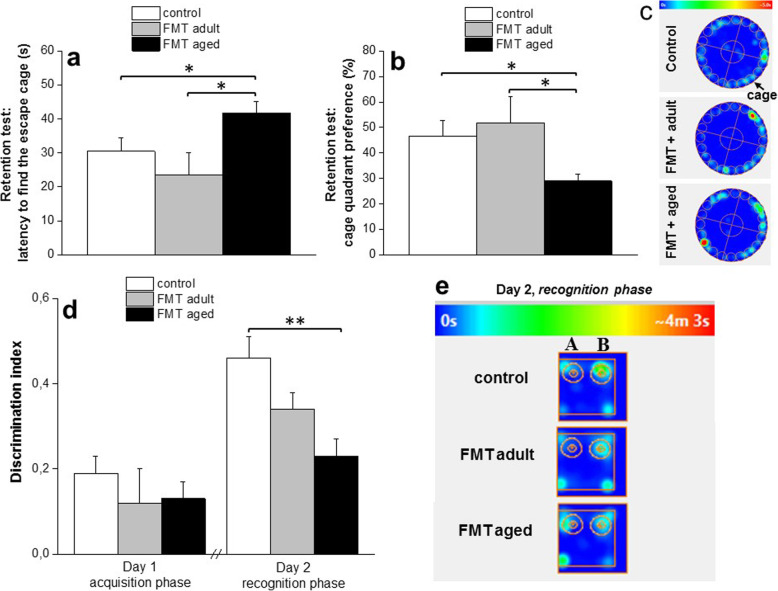
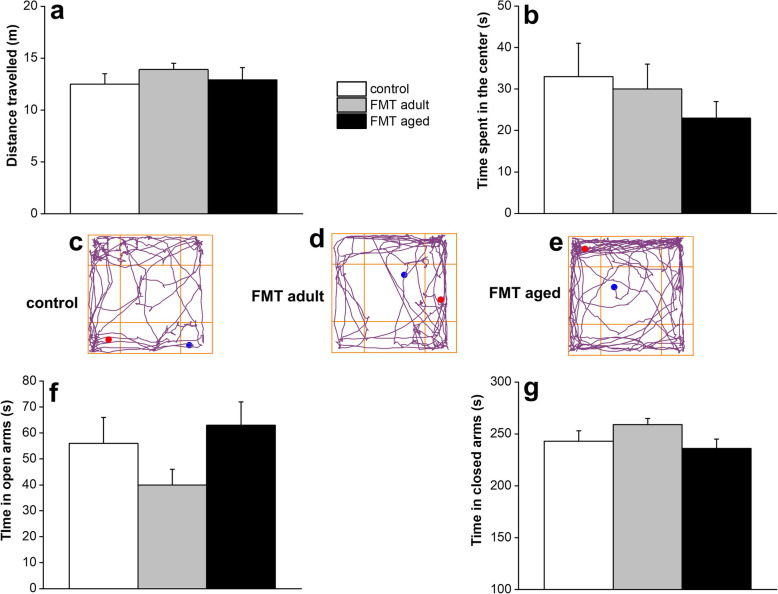
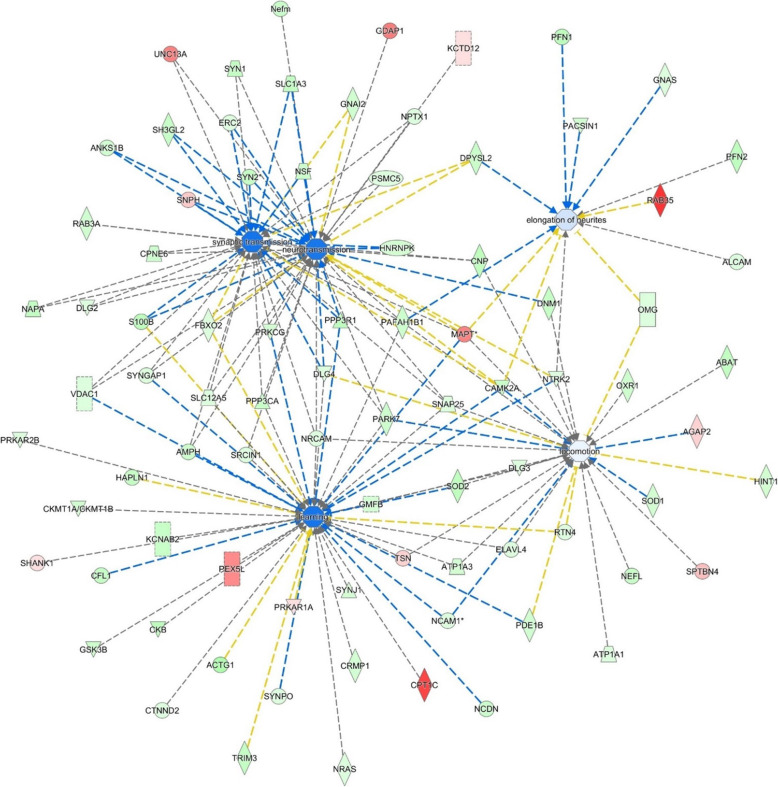
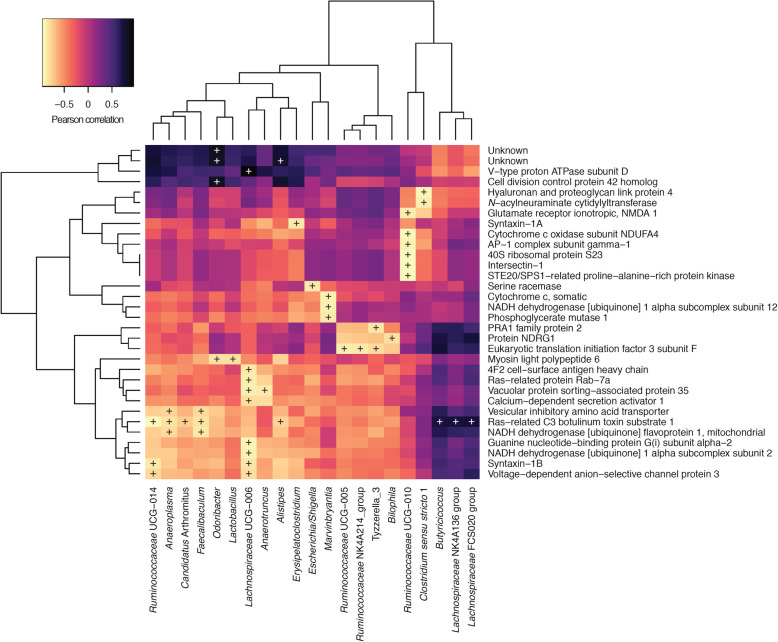
Young adult mice were transplanted with the microbiota from either aged or age-matched donor mice. Following transplantation, characterization of the microbiotas and metabolomics profiles along with a battery of cognitive and behavioural tests were performed. Label-free quantitative proteomics was employed to monitor protein expression in the hippocampus of the recipients. We report that FMT from aged donors led to impaired spatial learning and memory in young adult recipients, whereas anxiety, explorative behaviour and locomotor activity remained unaffected. This was paralleled by altered expression of proteins involved in synaptic plasticity and neurotransmission in the hippocampus. Also, a strong reduction of bacteria associated with short-chain fatty acids (SCFAs) production (Lachnospiraceae, Faecalibaculum, and Ruminococcaceae) and disorders of the CNS (Prevotellaceae and Ruminococcaceae) was observed. Finally, the detrimental effect of FMT from aged donors on the CNS was confirmed by the observation that microglia cells of the hippocampus fimbria, acquired an ageing-like phenotype; on the contrary, gut permeability and levels of systemic and local (hippocampus) cytokines were not affected.
These results demonstrate that age-associated shifts of the microbiota have an impact on protein expression and key functions of the CNS. Furthermore, these results highlight the paramount importance of the gut-brain axis in ageing and provide a strong rationale to devise therapies aiming to restore a young-like microbiota to improve cognitive functions and the declining quality of life in the elderly. Video Abstract.
肠道-脑轴和肠道微生物群是健康和疾病中的关键因素。肠道微生物群落组成的变化会影响多种系统;然而,它们对认知功能的直接影响的证据仍然缺乏。我们测试了来自老年供体小鼠的粪便微生物群移植(FMT)是否会改变年轻成年受者的海马体,海马体是中枢神经系统(CNS)中已知受衰老过程和相关功能影响的区域。
年轻成年小鼠接受了来自老年或年龄匹配供体小鼠的微生物群移植。移植后,对微生物群和代谢组学特征进行了表征,并进行了一系列认知和行为测试。采用无标记定量蛋白质组学监测受体海马体中的蛋白质表达。我们报告说,来自老年供体的 FMT 导致年轻成年受者空间学习和记忆受损,而焦虑、探索行为和运动活动不受影响。这与海马体中参与突触可塑性和神经递质传递的蛋白质表达改变相平行。此外,与短链脂肪酸(SCFA)产生(Lachnospiraceae、Faecalibaculum 和 Ruminococcaceae)和中枢神经系统紊乱(Prevotellaceae 和 Ruminococcaceae)相关的细菌大量减少。最后,通过观察到海马体 fimbria 的小胶质细胞获得衰老样表型,证实了来自老年供体的 FMT 对中枢神经系统的有害影响;相反,肠道通透性以及全身和局部(海马体)细胞因子水平不受影响。
这些结果表明,与年龄相关的微生物群变化会影响中枢神经系统的蛋白质表达和关键功能。此外,这些结果突出了肠道-脑轴在衰老中的重要性,并为设计旨在恢复年轻样微生物群以改善认知功能和老年人生活质量下降的疗法提供了强有力的依据。