Xu Weifeng, Chen Beibei, Ke Dianshan, Chen Xiaobing
Department of Medical Oncology, The Affiliated Cancer Hospital of Zhengzhou University, 127 Dong Ming Road, Zhengzhou, 450008 Henan People's Republic of China.
Department of Cell Biology, Southern Medical University, 510515 Guangzhou, Guangdong China.
Cancer Cell Int. 2020 Oct 1;20:475. doi: 10.1186/s12935-020-01573-5. eCollection 2020.
Colorectal cancer ranks among the most lethal diseases worldwide. Although much progress has been made in research and treatment of colorectal cancer in recent years, the underlying mechanisms related to migration of the cancer cells and the reason for chemoresistance still remain unclear. In this research, we explored the underlying effect of miR-138-5p in colorectal cancer.
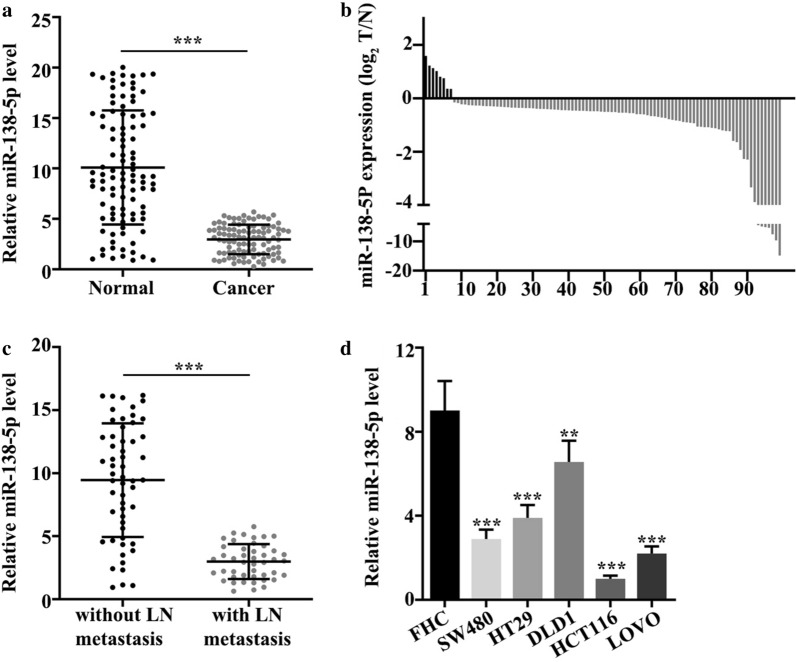
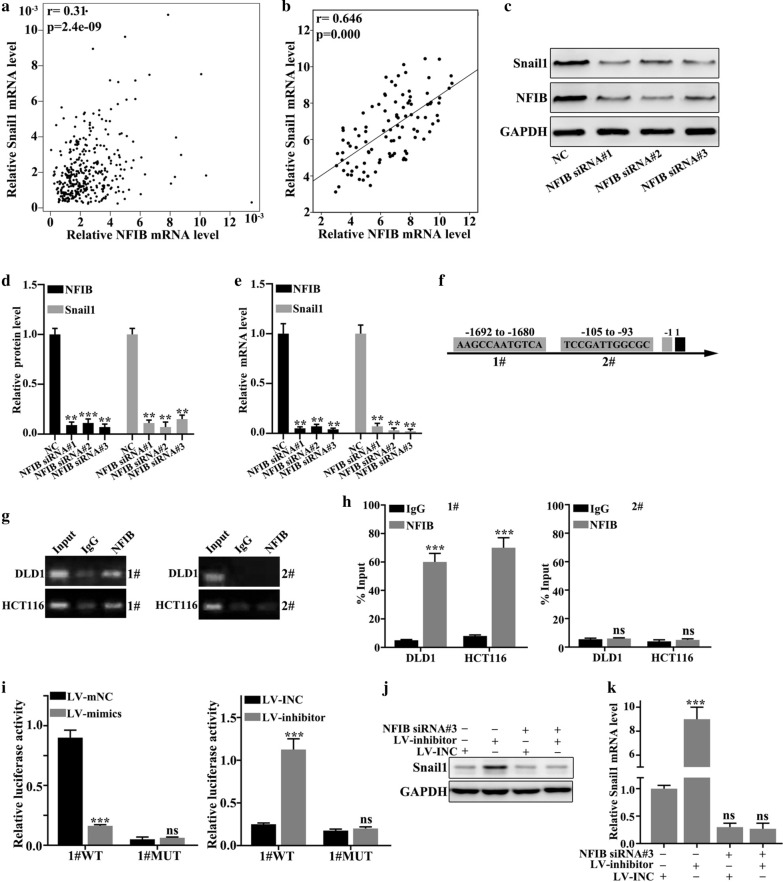
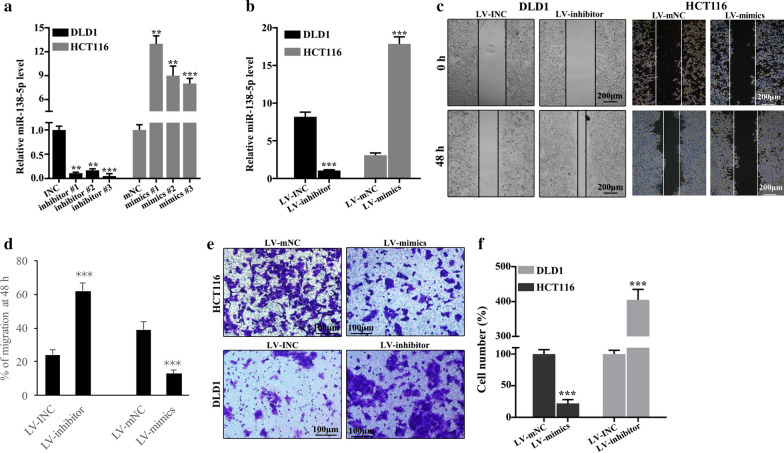
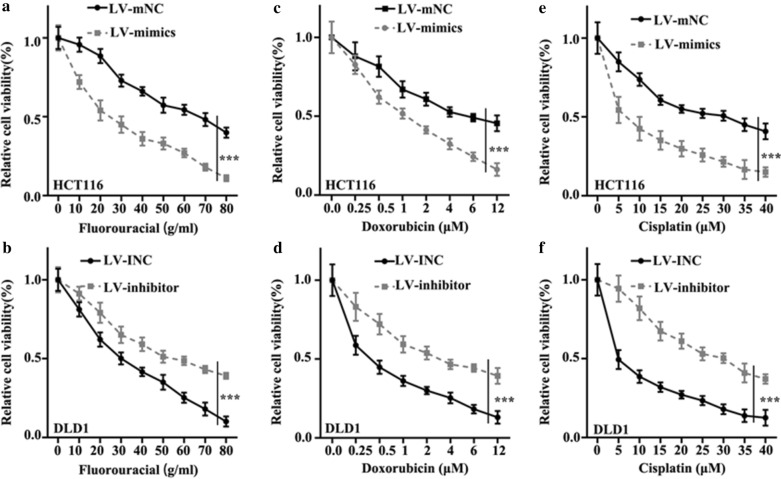
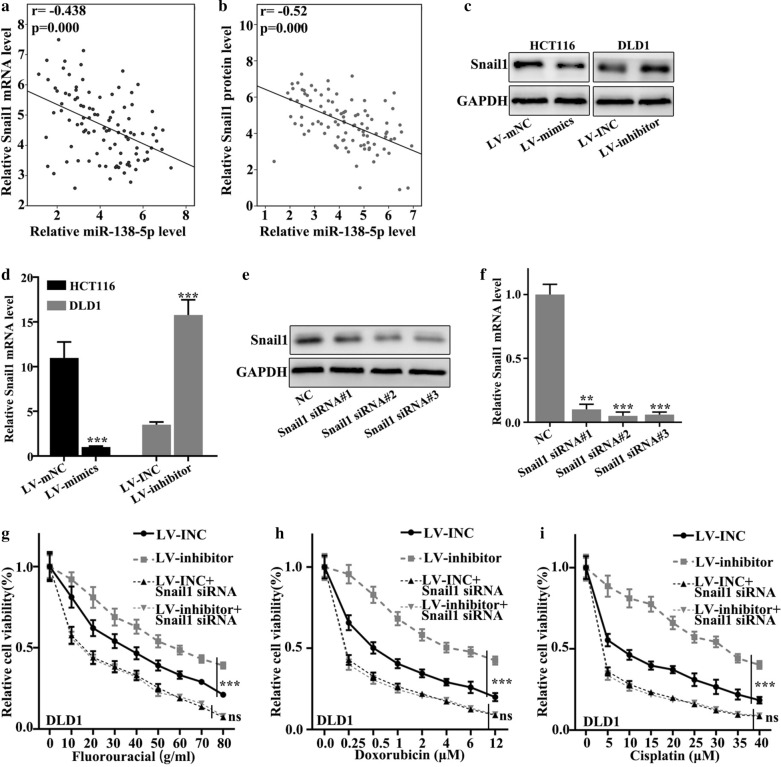
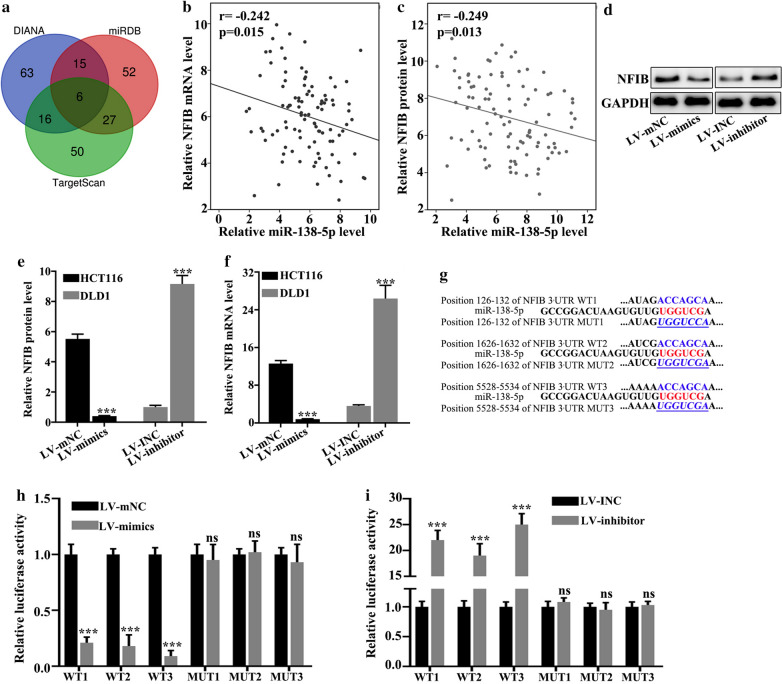
We used qRT-PCR to investigate the expression of miR-138-5p, Snail1, NFIB in colorectal cancer cells. Lentiviral vectors containing miR-138-5p mimics and inhibitors were constructed and transfected cells. Wound healing assay was applied to illustrate interferences on cell migration. Fluorouracial, doxorubicin, cisplat in were used to detect chemotherapy resistance. In order to identify target genes, bioinformatic methods were applied. Snail1 and NFIB protein expression in stable cell lines was detected using Western blot. Double luciferase and CHIP experiment were used to verify binding sites. We used rescue experiments to further explore the interactions among Snail1, NFIB and miR-138-5p.
The expression of miR-138-5p in colorectal cancer cells was low. miR-138-5p inhibited cell migration in colorectal cancer, and could negatively regulate chemotherapy resistance. miR-138-5p targeted NFIB, and regulated Snail1 expression, which mediated colorectal cancer cell migration and chemotherapy resistance.
Our research indicates that miR-138-5p could be a crucial modulator controlling colorectal cancer cell migration and chemoresistance, by acting upon the NFIB-Snail1 axis. miR-138-5p has an emerging prospect to be exploited as a new target for colorectal cancer.
结直肠癌是全球最致命的疾病之一。尽管近年来在结直肠癌的研究和治疗方面取得了很大进展,但与癌细胞迁移相关的潜在机制以及化疗耐药的原因仍不清楚。在本研究中,我们探讨了miR-138-5p在结直肠癌中的潜在作用。
我们使用qRT-PCR检测结直肠癌细胞中miR-138-5p、Snail1、NFIB的表达。构建了含有miR-138-5p模拟物和抑制剂的慢病毒载体并转染细胞。采用划痕愈合试验来说明对细胞迁移的干扰。使用氟尿嘧啶、阿霉素、顺铂检测化疗耐药性。为了鉴定靶基因,应用了生物信息学方法。使用蛋白质免疫印迹法检测稳定细胞系中Snail1和NFIB蛋白的表达。采用双荧光素酶和染色质免疫沉淀实验验证结合位点。我们使用挽救实验进一步探究Snail1、NFIB和miR-138-5p之间的相互作用。
结直肠癌细胞中miR-138-5p的表达较低。miR-138-5p抑制结直肠癌细胞迁移,并能负向调节化疗耐药性。miR-138-5p靶向NFIB,并调节Snail1的表达,介导结直肠癌细胞迁移和化疗耐药性。
我们的研究表明,miR-138-5p可能是通过作用于NFIB-Snail1轴来控制结直肠癌细胞迁移和化疗耐药性的关键调节因子。miR-138-5p作为结直肠癌的新靶点具有新的应用前景。