Independent Researcher for Improving Health in Rural Areas of Tropical Developing Countries, Austin, TX, United States.
Ferris Mfg. Corp., Makers of PolyMem® Multifunctional Dressings, Ft. Worth, TX, United States.
Front Public Health. 2020 Sep 10;8:513. doi: 10.3389/fpubh.2020.00513. eCollection 2020.
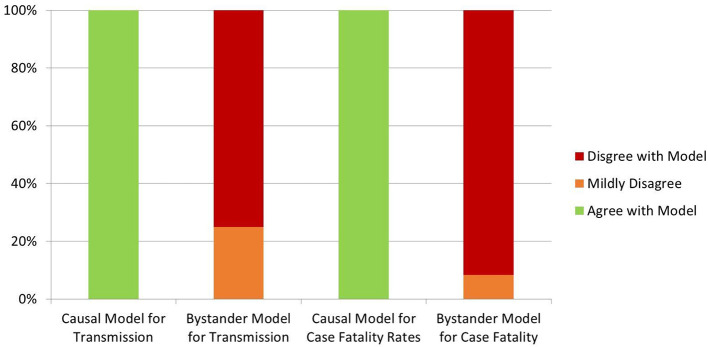
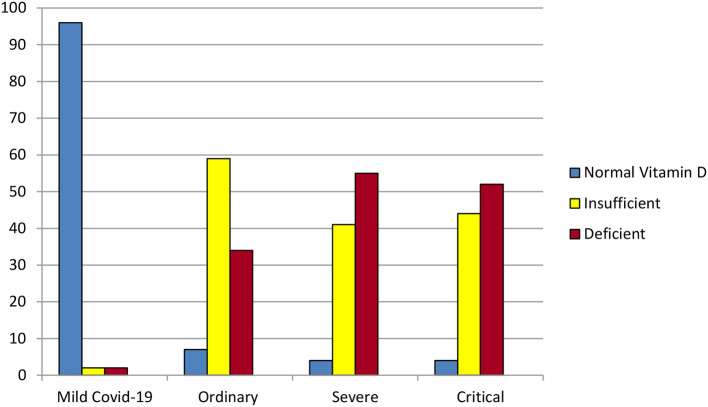
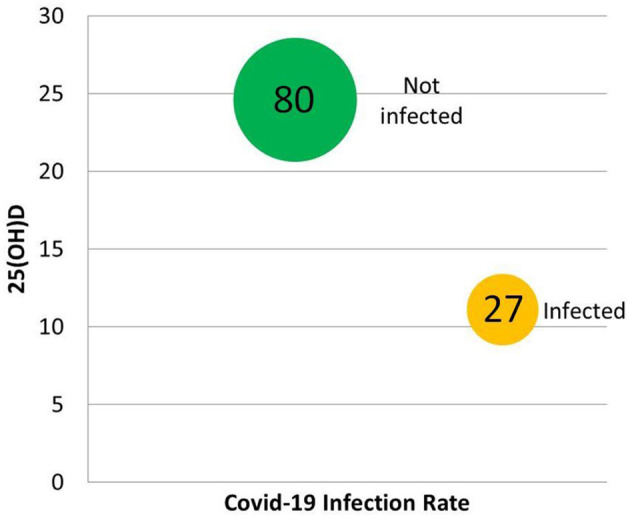
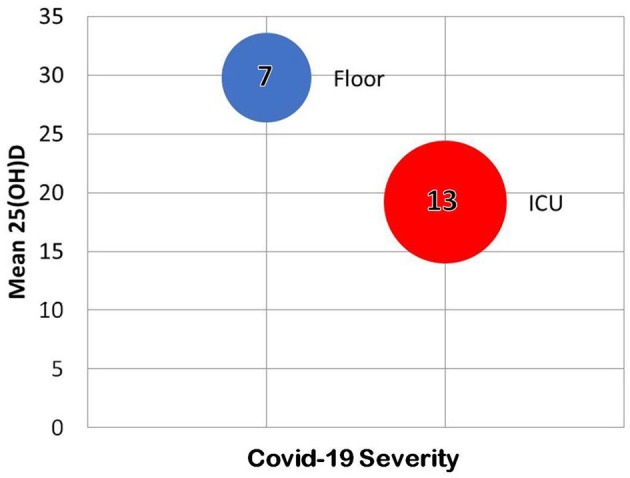
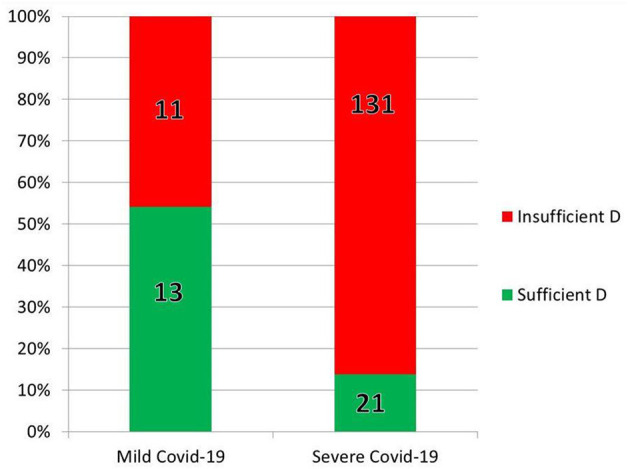
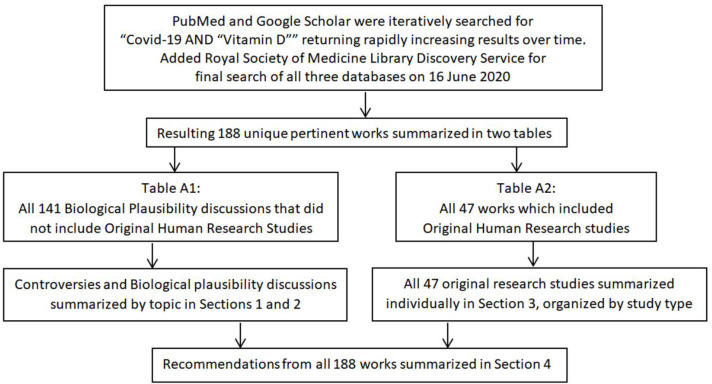
As the world's attention has been riveted upon the growing COVID-19 pandemic, many researchers have written brief reports supporting the hypothesis that vitamin D deficiency is related to the incidence and severity of COVID-19. The clear common thread among the top risk groups-vitamin D deficiency-may be being overlooked because of previous overstated claims of vitamin D benefits. However, the need to decrease COVID-19 fatalities among high-risk populations is urgent. Early researchers reported three striking patterns. Firstly, the innate immune system is impaired by vitamin D deficiency, which would predispose sufferers to viral infections such as COVID-19. Vitamin D deficiency also increases the activity of the X-chromosome-linked "Renin-Angiotensin" System, making vitamin D deficient individuals (especially men) more susceptible to COVID-19's deadly "cytokine storm" (dramatic immune system overreaction). Secondly, the groups who are at highest risk for severe COVID-19 match those who are at highest risk for severe vitamin D deficiency. This includes the elderly, men, ethnic groups whose skin is naturally rich in melanin (if living outside the tropics), those who avoid sun exposure for cultural and health reasons, those who live in institutions, the obese, and/or those who suffer with hypertension, cardiovascular disease, or diabetes. And thirdly, the pattern of geographical spread of COVID-19 reflects higher population vitamin D deficiency. Both within the USA and throughout the world, COVID-19 fatality rates parallel vitamin D deficiency rates. A literature search was performed on PubMed, Google Scholar, and RSMLDS, with targeted Google searches providing additional sources. Although randomized controlled trial results may be available eventually, the correlational and causal study evidence supporting a link between vitamin D deficiency and COVID-19 risks is already so strong that it supports action. The 141 author groups writing primarily about biological plausibility detailed how vitamin D deficiency can explain every risk factor and every complication of COVID-19, but agreed that other factors are undoubtedly at work. COVID-19 was compared with dengue fever, for which oral vitamin D supplements of 4,000 IU for 10 days were significantly more effective than 1,000 IU in reducing virus replication and controlling the "cytokine storm" (dramatic immune system over-reaction) responsible for fatalities. Among the 47 original research studies summarized here, chart reviews found that serum vitamin D levels predicted COVID-19 mortality rates (16 studies) and linearly predicted COVID-19 illness severity (8 studies). Two causal modeling studies and several analyses of variance strongly supported the hypothesis that vitamin D deficiency is a causal, rather than a bystander, factor in COVID-19 outcomes. Three of the four studies whose findings opposed the hypothesis relied upon disproven assumptions. The literature review also found that prophylactically correcting possible vitamin D deficiency during the COVID-19 pandemic is extremely safe. Widely recommending 2,000 IU of vitamin D daily for all populations with limited ability to manufacture vitamin D from the sun has virtually no potential for harm and is reasonably likely to save many lives.
随着世界对不断增长的 COVID-19 大流行的关注,许多研究人员已经撰写了简短的报告,支持维生素 D 缺乏与 COVID-19 的发病率和严重程度有关的假设。在最高风险群体中,维生素 D 缺乏是显而易见的,但由于之前对维生素 D 益处的夸大声称,这种情况可能被忽视了。然而,减少高危人群中 COVID-19 死亡率的需求是紧迫的。早期研究人员报告了三个引人注目的模式。首先,维生素 D 缺乏会损害先天免疫系统,使患者容易感染 COVID-19 等病毒感染。维生素 D 缺乏还会增加 X 染色体连锁的“肾素-血管紧张素”系统的活性,使维生素 D 缺乏的个体(尤其是男性)更容易受到 COVID-19 致命的“细胞因子风暴”(免疫系统过度反应)的影响。其次,患严重 COVID-19 的风险最高的群体与患严重维生素 D 缺乏的风险最高的群体相匹配。这包括老年人、男性、皮肤中天然富含黑色素的种族群体(如果生活在热带地区之外)、出于文化和健康原因避免阳光照射的人、生活在机构中的人、肥胖者,和/或患有高血压、心血管疾病或糖尿病的人。第三,COVID-19 的地理传播模式反映了较高的人群维生素 D 缺乏。在美国和世界各地,COVID-19 的死亡率与维生素 D 缺乏率平行。在 PubMed、Google Scholar 和 RSMLDS 上进行了文献检索,通过有针对性的 Google 搜索提供了其他来源。尽管最终可能会有随机对照试验结果,但支持维生素 D 缺乏与 COVID-19 风险之间存在关联的相关性和因果研究证据已经如此强大,以至于支持采取行动。主要撰写生物合理性的 141 个作者团体详细说明了维生素 D 缺乏如何解释 COVID-19 的每一个风险因素和每一个并发症,但他们同意其他因素无疑也在起作用。COVID-19 与登革热进行了比较,对于登革热,口服补充 4,000 IU 的维生素 D 补充剂 10 天,与补充 1,000 IU 相比,在降低病毒复制和控制导致死亡的“细胞因子风暴”(免疫系统过度反应)方面更有效。在总结的 47 项原始研究中,图表审查发现血清维生素 D 水平预测了 COVID-19 的死亡率(16 项研究),并线性预测了 COVID-19 的严重程度(8 项研究)。两项因果建模研究和几项方差分析强烈支持了这样一种假设,即维生素 D 缺乏是 COVID-19 结果的一个因果因素,而不是旁观者。四项研究结果反对该假设,其中三项研究依赖于被推翻的假设。文献综述还发现,在 COVID-19 大流行期间预防性纠正可能存在的维生素 D 缺乏是极其安全的。对于那些从阳光中制造维生素 D 的能力有限的所有人群,广泛推荐每天摄入 2,000 IU 的维生素 D,几乎没有潜在的危害,并且很有可能挽救许多生命。