Berry Samuel B, Haack Amanda J, Theberge Ashleigh B, Brighenti Susanna, Svensson Mattias
Department of Medicine, Center for Infectious Medicine, Karolinska Institutet, Karolinska University Hospital, Stockholm, Sweden.
Department of Chemistry, University of Washington, Seattle, WA, United States.
Front Med (Lausanne). 2020 Sep 10;7:537. doi: 10.3389/fmed.2020.00537. eCollection 2020.
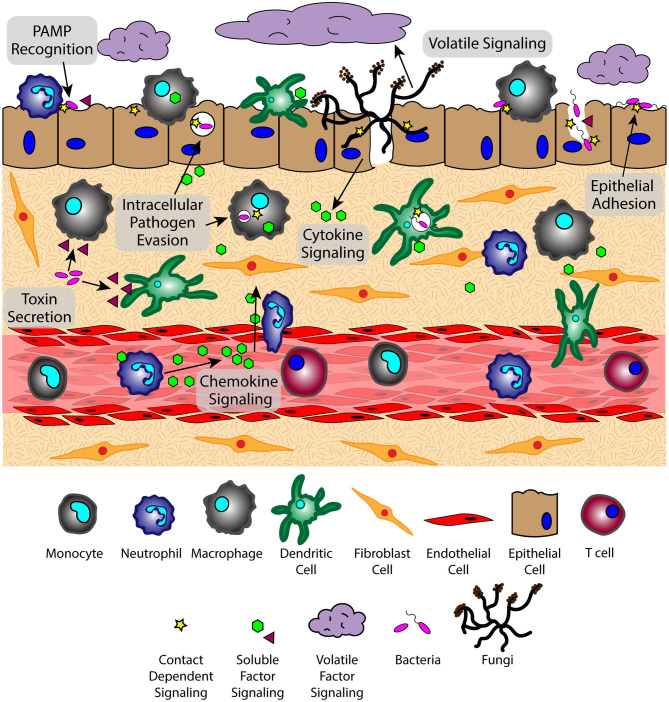
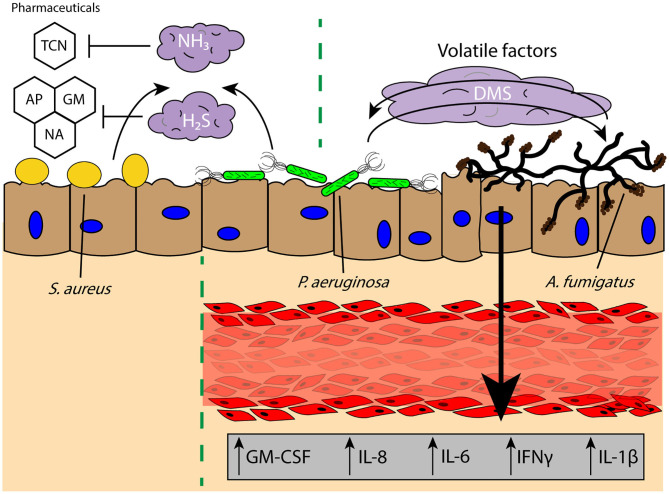
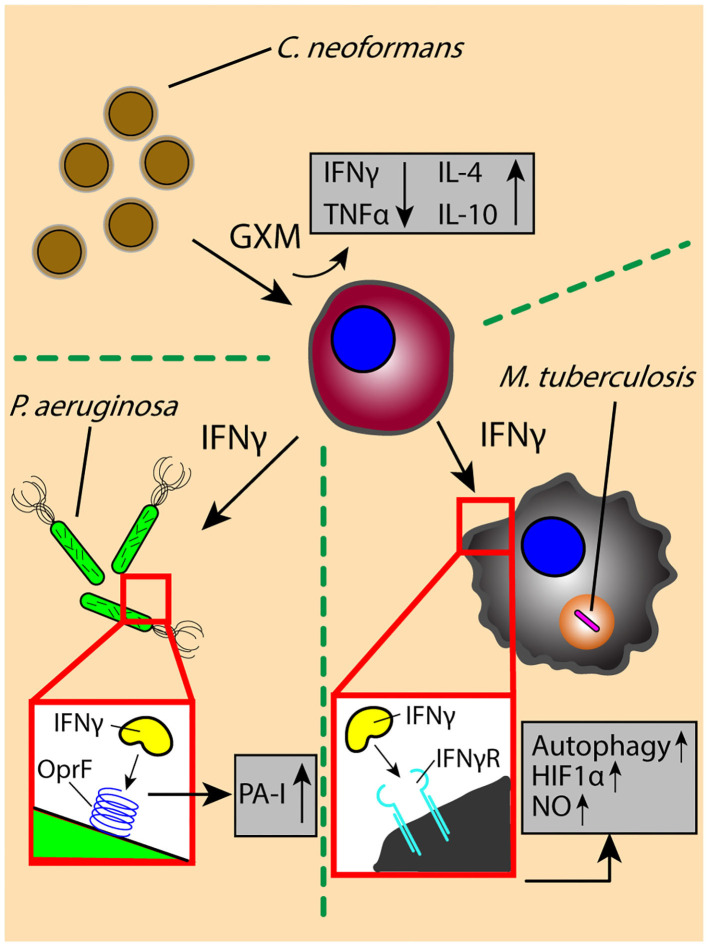
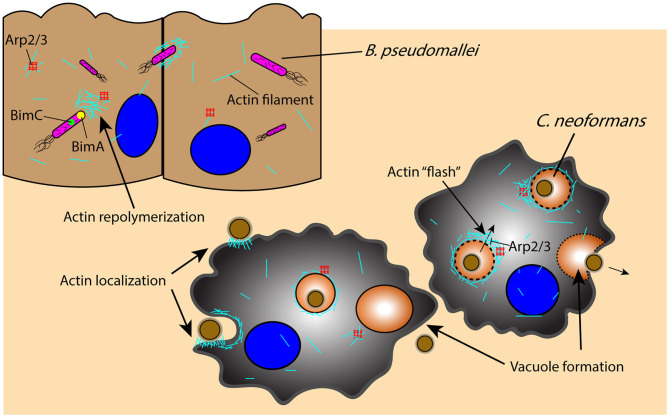
Chronic lung diseases are a leading cause of morbidity and mortality across the globe, encompassing a diverse range of conditions from infections with pathogenic microorganisms to underlying genetic disorders. The respiratory tract represents an active interface with the external environment having the primary immune function of resisting pathogen intrusion and maintaining homeostasis in response to the myriad of stimuli encountered within its microenvironment. To perform these vital functions and prevent lung disorders, a chemical and biological cross-talk occurs in the complex milieu of the lung that mediates and regulates the numerous cellular processes contributing to lung health. In this review, we will focus on the role of cross-talk in chronic lung infections, and discuss how different cell types and signaling pathways contribute to the chronicity of infection(s) and prevent effective immune clearance of pathogens. In the lung microenvironment, pathogens have developed the capacity to evade mucosal immunity using different mechanisms or virulence factors, leading to colonization and infection of the host; such mechanisms include the release of soluble and volatile factors, as well as contact dependent (juxtracrine) interactions. We explore the diverse modes of communication between the host and pathogen in the lung tissue milieu in the context of chronic lung infections. Lastly, we review current methods and approaches used to model and study these host-pathogen interactions , and the role of these technological platforms in advancing our knowledge about chronic lung diseases.
慢性肺部疾病是全球发病和死亡的主要原因,涵盖了从病原微生物感染到潜在遗传疾病等多种病症。呼吸道是与外部环境的一个活跃界面,具有抵抗病原体入侵和响应其微环境中遇到的无数刺激来维持体内平衡的主要免疫功能。为了执行这些重要功能并预防肺部疾病,肺部复杂环境中会发生化学和生物学的相互作用,介导和调节众多有助于肺部健康的细胞过程。在本综述中,我们将重点关注相互作用在慢性肺部感染中的作用,并讨论不同细胞类型和信号通路如何导致感染的慢性化以及阻碍病原体的有效免疫清除。在肺部微环境中,病原体已发展出利用不同机制或毒力因子逃避黏膜免疫的能力,从而导致宿主定植和感染;这些机制包括可溶性和挥发性因子的释放以及接触依赖性(旁分泌)相互作用。我们在慢性肺部感染的背景下探讨了肺组织环境中宿主与病原体之间多样的通讯方式。最后,我们综述了用于模拟和研究这些宿主-病原体相互作用的当前方法和途径,以及这些技术平台在增进我们对慢性肺部疾病了解方面的作用。