CAS Key Laboratory of Computational Biology, CAS-MPG Partner Institute for Computational Biology, Shanghai Institute of Nutrition and Health, Shanghai Institutes for Biological Sciences, University of Chinese Academy of Sciences, Chinese Academy of Sciences, Shanghai, China.
Department of Hepatobiliary Surgery, The First Affiliated Hospital of Dalian Medical University, Dalian, Liaoning Province, China.
Biomed Res Int. 2020 Sep 15;2020:1570862. doi: 10.1155/2020/1570862. eCollection 2020.
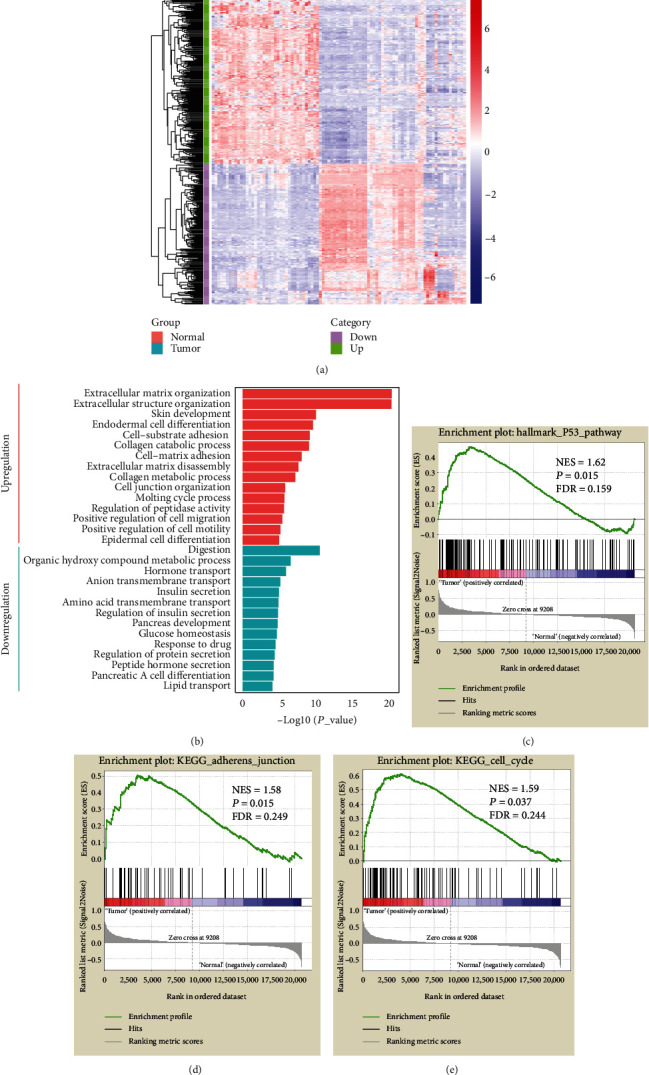
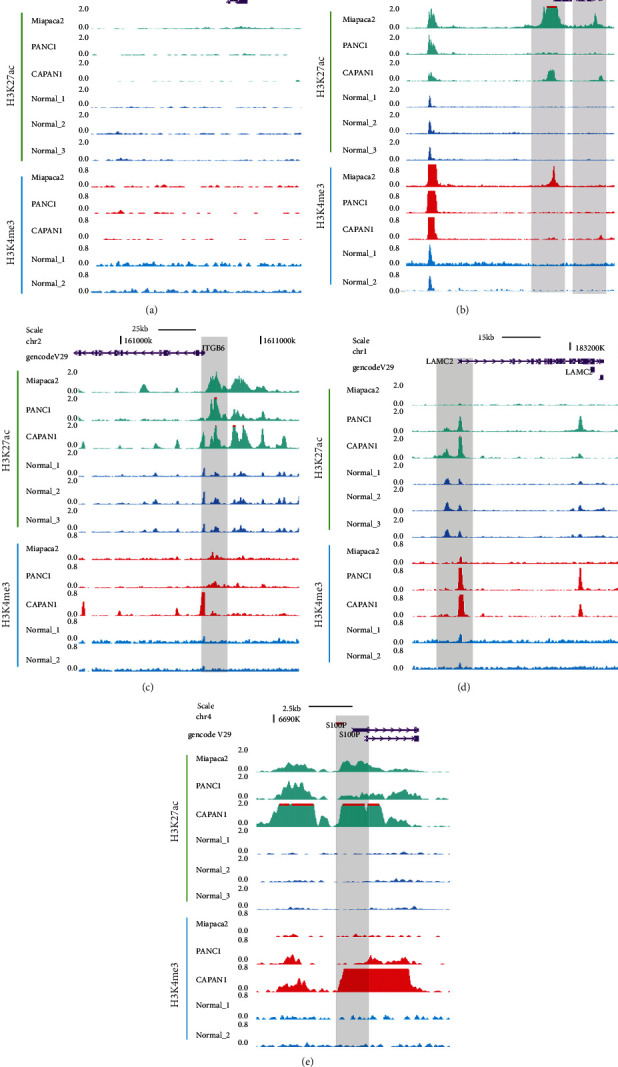
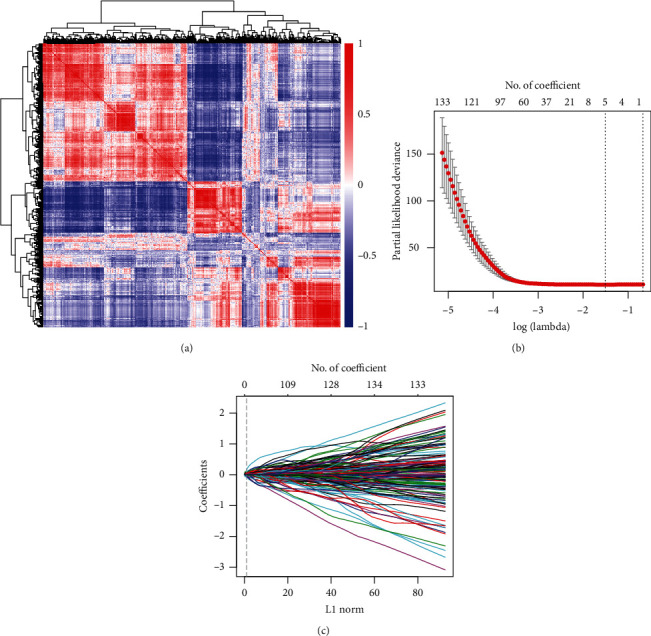
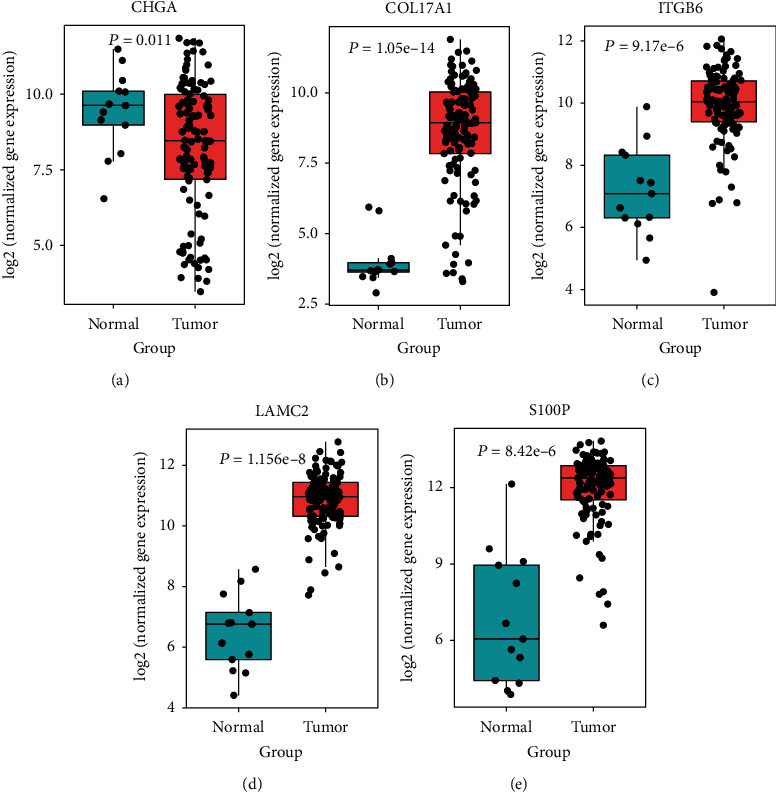
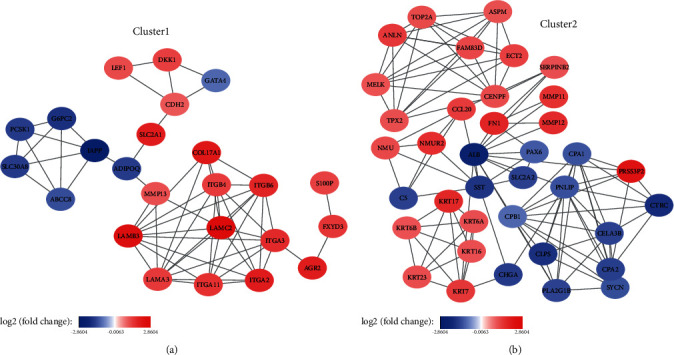
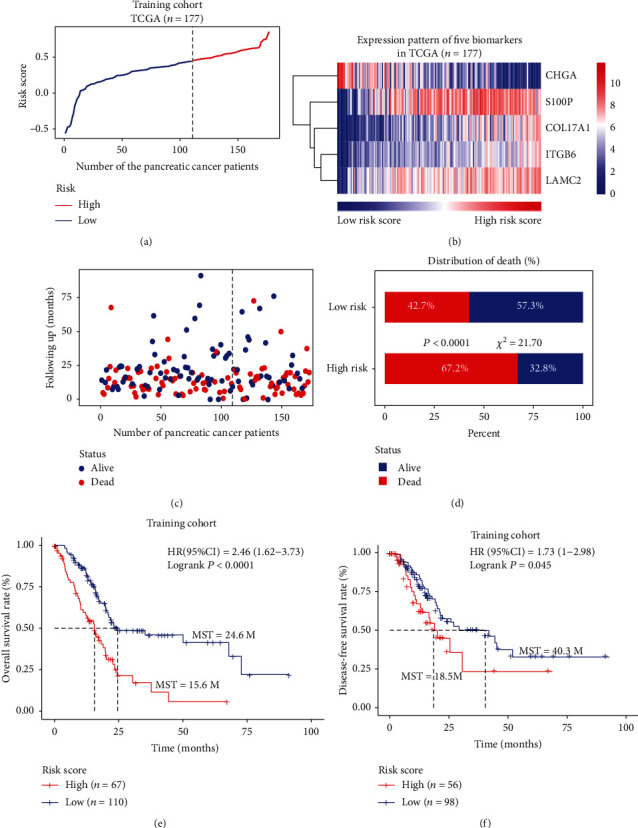
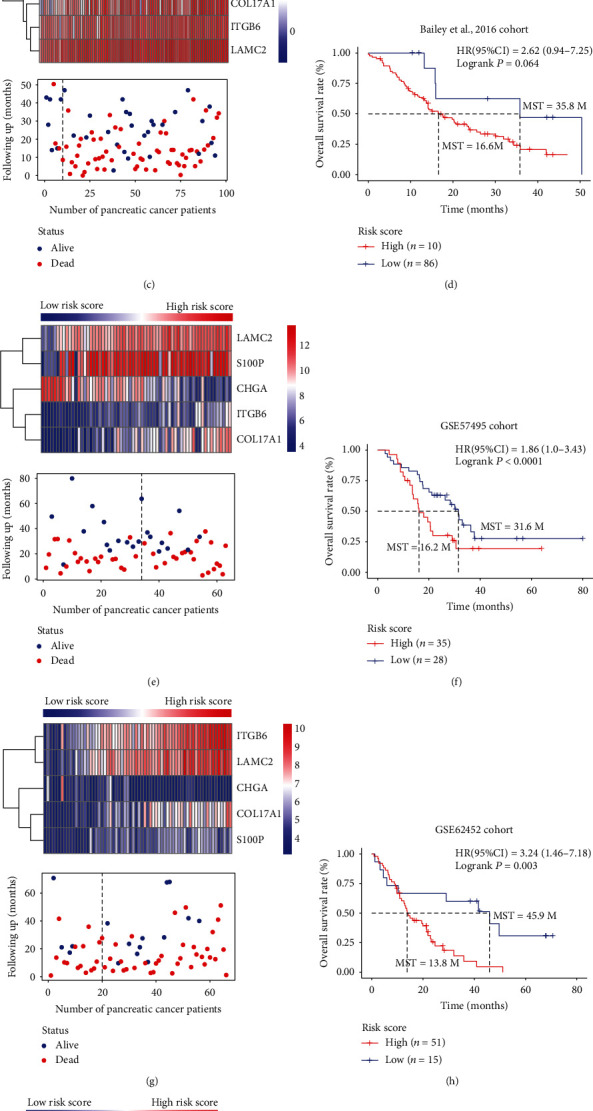
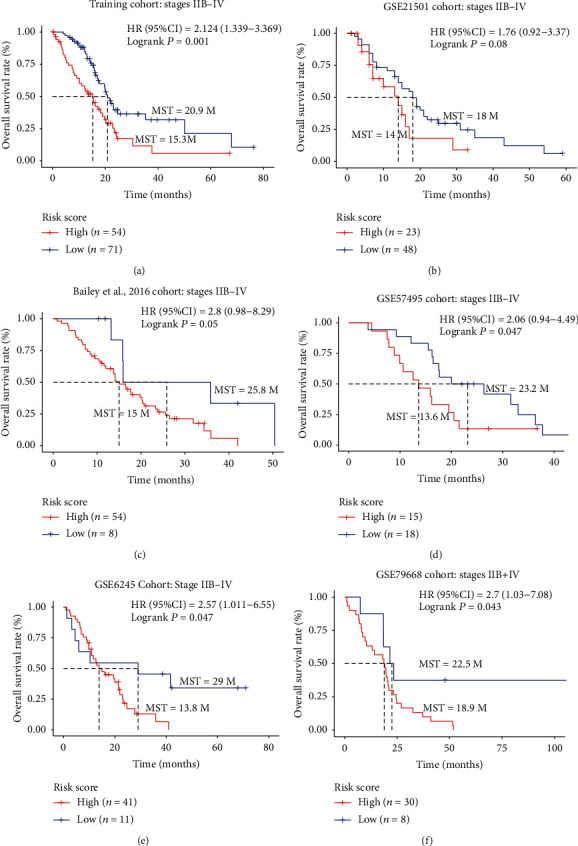
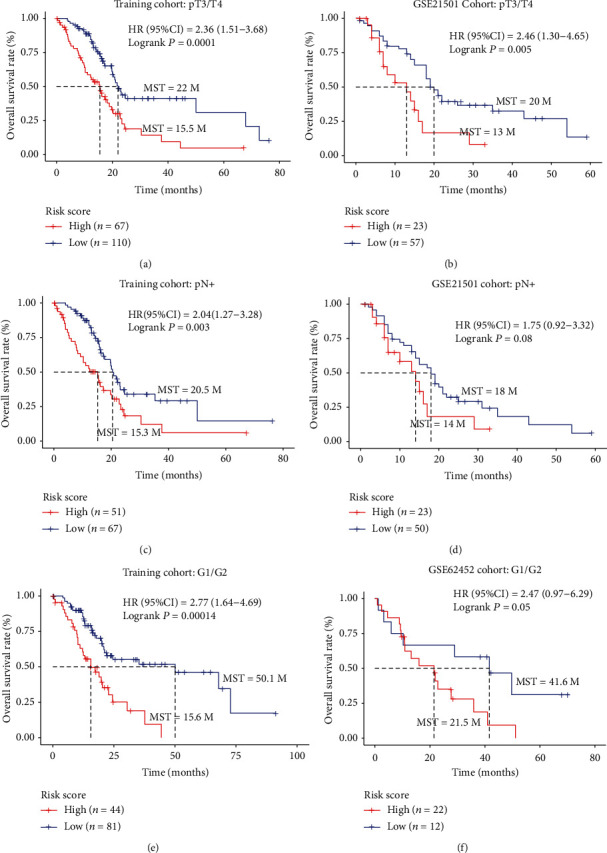
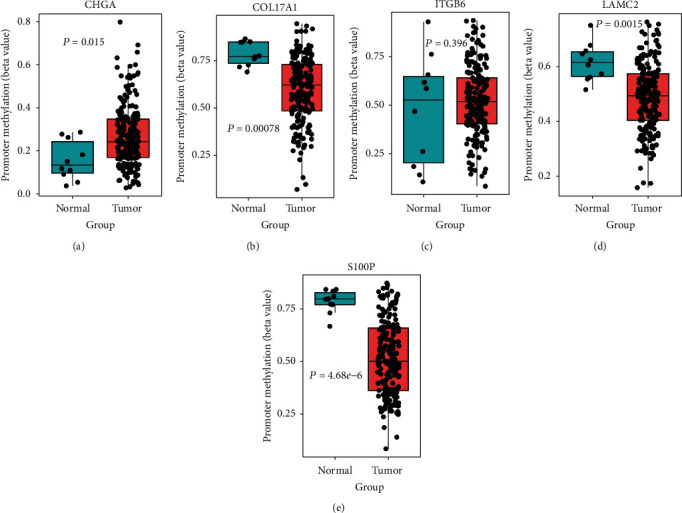
Pancreatic cancer remains a lethal type of cancer with poor prognosis. Molecular classification enables in-depth, precise prognostic assessment. This study is aimed at identifying a robust and simple mRNA signature to predict the overall survival (OS) of pancreatic cancer (PC) patients. Differentially expressed genes (DEGs) between 45 paired pancreatic tumor samples and adjacent healthy tissues were selected. For risk determination, a LASSO Cox regression model with DEGs was used to generate the OS-associated risk score formula for the training cohort containing 177 PC patients. Another five independent datasets were used as the testing cohort to determine the predictive efficiency for further validation. In total, 441 DEGs were selected after considering the enrichment of classical pathways, such as EMT, cell cycle, cell adhesion, and PI3K-AKT. A five-gene signature for risk discrimination was established with high efficacy using LASSO Cox regression in the training group. External validation showed that patients identified by the gene expression signature to be in the high-risk group had poorer prognosis compared with the low-risk patients. Further investigation identified the differential epigenetic modification patterns of the five genes, which indicated their roles in tumor progression and their effect on therapy. In conclusion, we constructed a robust five-gene expression signature that could predict the OS of PC patients, offering a new insight for risk discrimination in daily clinical practice.
胰腺癌仍然是一种预后不良的致命癌症。分子分类可实现深入、精确的预后评估。本研究旨在确定一种稳健且简单的 mRNA 特征,以预测胰腺癌 (PC) 患者的总生存期 (OS)。从 45 对胰腺肿瘤样本和相邻正常组织中选择差异表达基因 (DEGs)。为了确定风险,使用包含 177 名 PC 患者的训练队列中的 DEGs 的 LASSO Cox 回归模型生成与 OS 相关的风险评分公式。另外五个独立数据集被用作测试队列,以进一步验证其预测效率。总共选择了 441 个 DEGs,同时考虑了 EMT、细胞周期、细胞黏附和 PI3K-AKT 等经典途径的富集。在训练组中,使用 LASSO Cox 回归成功建立了用于风险区分的五个基因的特征。外部验证表明,通过基因表达特征确定为高风险组的患者的预后比低风险患者差。进一步的研究确定了五个基因的差异表观遗传修饰模式,表明它们在肿瘤进展中的作用及其对治疗的影响。总之,我们构建了一个稳健的五个基因表达特征,可以预测 PC 患者的 OS,为日常临床实践中的风险区分提供了新的见解。