Peebles Liam A, Arner Justin W, Haber Daniel B, Provencher Matthew T
Steadman Philippon Research Institute, Vail, Colorado, U.S.A.
The Steadman Clinic, Vail, Colorado, U.S.A.
Arthrosc Tech. 2020 Sep 9;9(9):e1315-e1322. doi: 10.1016/j.eats.2020.05.012. eCollection 2020 Sep.
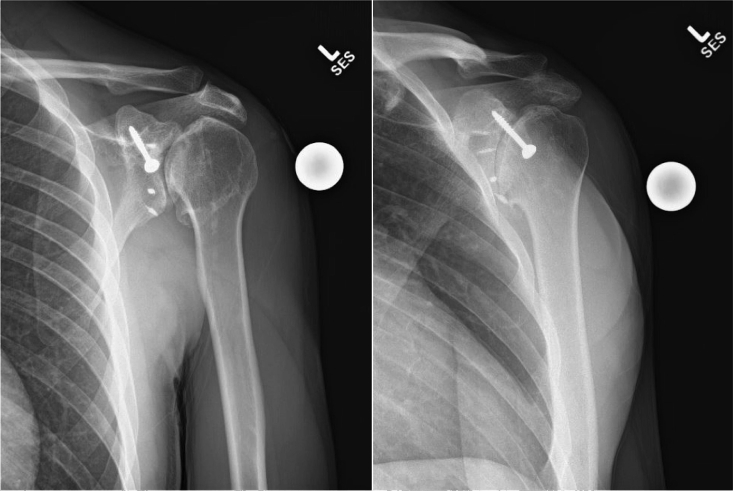
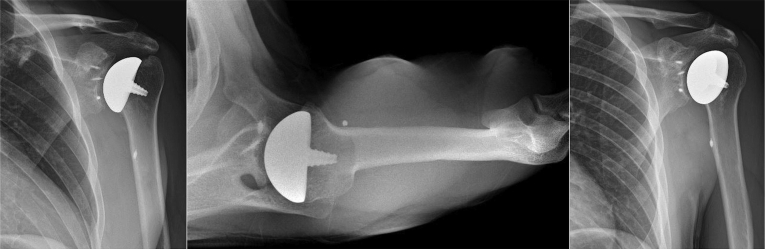
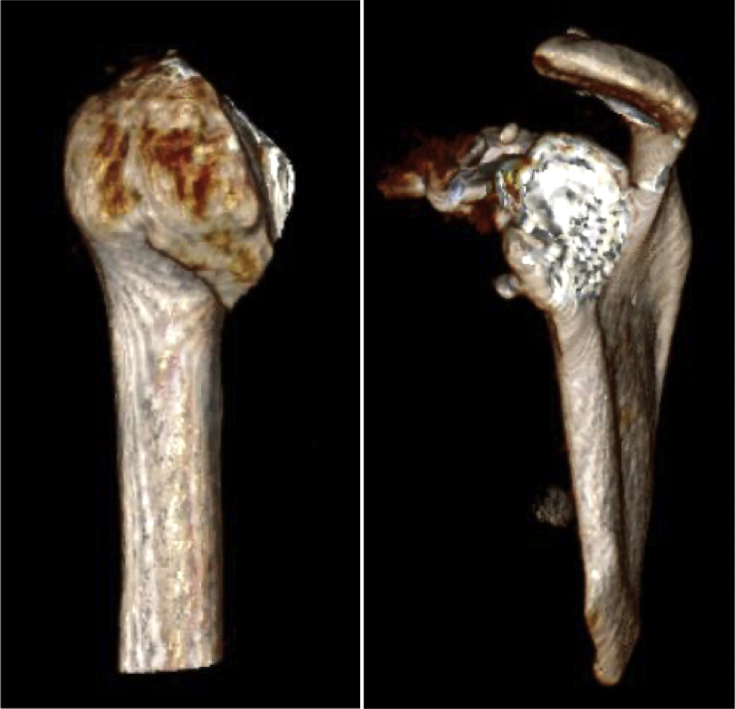
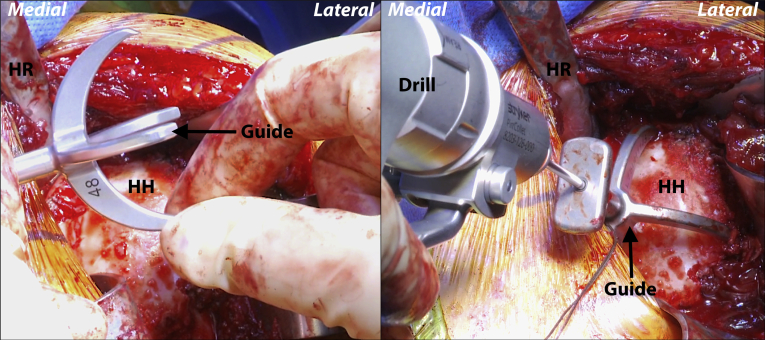
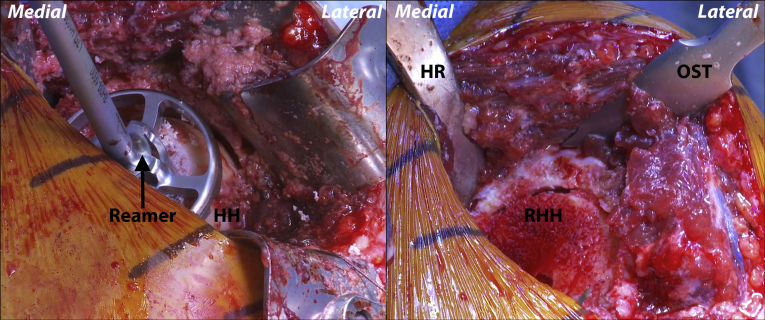
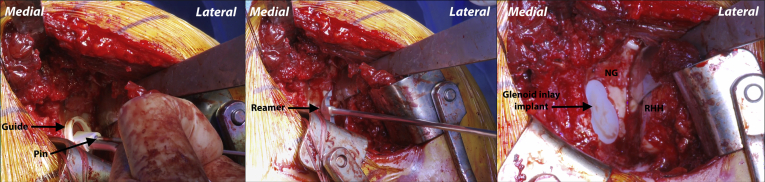
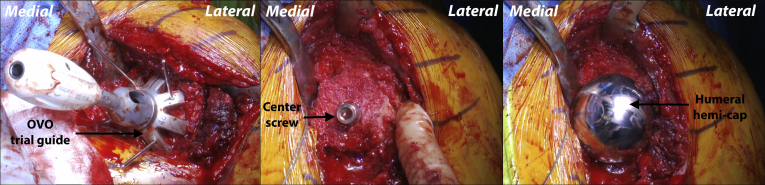
Treatment of end-stage glenohumeral arthritis in young patients is a challenge; however, there is a lack of consensus on optimal treatment algorithms. A thorough history and physical examination are essential. Nonoperative treatments should first be attempted, whereas surgical options range from arthroscopic debridement to arthroplasty. One arthroplasty option is glenohumeral resurfacing with the objective of maintaining more native anatomy and bone stock. The described treatment includes a hemi-cap implant for the humerus and inlay polyethylene glenoid. While hemi-caps have been successfully used for decades, inlay glenoid implants are a more modern treatment, with the objective of less glenoid loosening, the typical complication and failure method in young patients. With the potential for greater longevity and preservation of anatomy, glenohumeral resurfacing for end-stage shoulder arthritis is an important treatment option to consider before total shoulder arthroplasty. This Technical Note describes resurfacing of the glenohumeral joint in a young, active patient presenting with extensive osteoarthritis on both the glenoid and humerus after a previous failed Trillat stabilization.
年轻患者终末期盂肱关节炎的治疗是一项挑战;然而,对于最佳治疗方案尚无共识。全面的病史和体格检查至关重要。应首先尝试非手术治疗,而手术选择范围从关节镜清创到关节成形术。一种关节成形术选择是盂肱关节表面置换,目的是保留更多的原生解剖结构和骨量。所述治疗包括用于肱骨的半肩峰植入物和镶嵌式聚乙烯关节盂。虽然半肩峰植入物已经成功使用了几十年,但镶嵌式关节盂植入物是一种更现代的治疗方法,目的是减少关节盂松动,这是年轻患者典型的并发症和失败方式。由于具有更长的使用寿命和解剖结构保留潜力,终末期肩关节关节炎的盂肱关节表面置换是全肩关节置换术前应考虑的重要治疗选择。本技术说明描述了一名年轻、活跃的患者,在先前的Trillat稳定术失败后,出现了关节盂和肱骨广泛骨关节炎,对其盂肱关节进行表面置换的情况。