Graduate School of Brain Science, Doshisha University, Kizugawa, Kyoto, Japan.
Department of Pharmacology, Graduate School of Pharmaceutical Sciences, Kyoto University, Kyoto, Kyoto, Japan.
PLoS One. 2020 Oct 14;15(10):e0240378. doi: 10.1371/journal.pone.0240378. eCollection 2020.
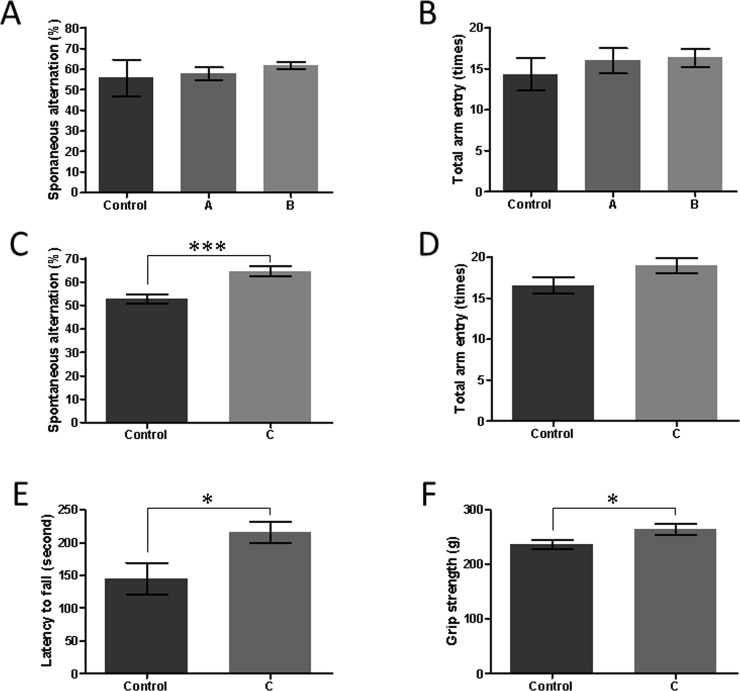
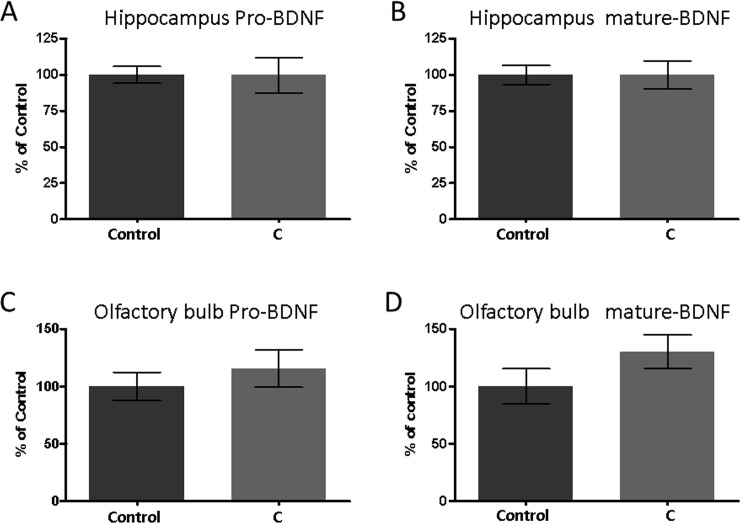
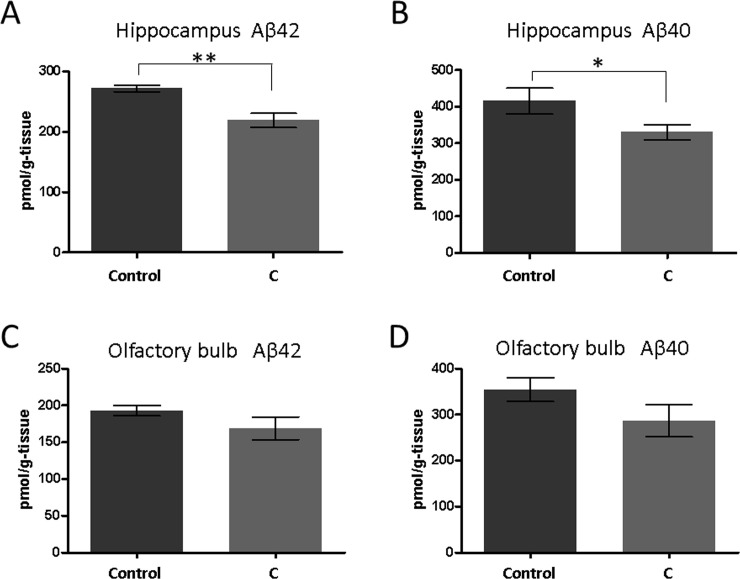
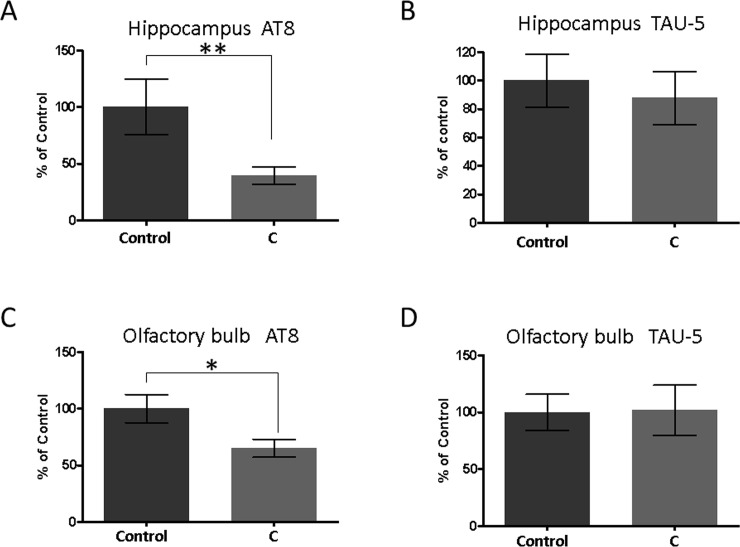
Alzheimer's disease (AD) is a progressive neurodegenerative disease and is known to be the most common cause of dementia. We previously described the benefits of aromatherapy on the cognitive function of patients with AD utilizing various aromatic essential oils; however, its mechanism of action remains poorly understood. Consequently, in the present study, this mechanism was thoroughly evaluated employing a dementia mice model, specifically the senescence-accelerated mouse prone 8. The mice were exposed to a mixture of lemon and rosemary oil at nighttime as well as to a mixture of lavender and orange oil in the daytime for 2 months. The cognitive function of the mice was assessed before and after treatment with the aromatic essential oils using the Y-maze test. Moreover, the brain levels of amyloid beta (Aβ), abnormally phosphorylated tau, and brain-derived neurotrophic factor (BDNF) were measured following treatment. The benefits of aromatherapy on the cognitive function in mice were confirmed. It was also established that the brain levels of Aβ and abnormally phosphorylated tau were considerably lower in the aromatherapy group, while the levels of BDNF were marginally higher. These results suggest that aromatherapy employing these aromatic essential oils is beneficial for the prevention and treatment of AD.
阿尔茨海默病(AD)是一种进行性神经退行性疾病,已知是痴呆症最常见的病因。我们之前描述了使用各种芳香精油的芳香疗法对 AD 患者认知功能的益处;然而,其作用机制仍知之甚少。因此,在本研究中,使用痴呆症小鼠模型,特别是加速老化小鼠 8 号(senescence-accelerated mouse prone 8),彻底评估了这种机制。将柠檬和迷迭香油混合物在夜间,以及薰衣草和橙油混合物在白天暴露于小鼠 2 个月。使用 Y 迷宫测试在芳香精油治疗前后评估小鼠的认知功能。此外,还测量了治疗后的大脑中淀粉样β(Aβ)、异常磷酸化的 tau 和脑源性神经营养因子(BDNF)水平。证实了芳香疗法对小鼠认知功能的益处。还发现芳香疗法组大脑中的 Aβ和异常磷酸化的 tau 水平明显降低,而 BDNF 水平略有升高。这些结果表明,使用这些芳香精油的芳香疗法有利于 AD 的预防和治疗。