National Research Center - Institute of Immunology FMBA of Russia, Moscow, 115522, Russia.
Lomonosov Moscow State University, Department of Chemistry, Moscow, 119991, Russia.
Environ Res. 2021 Feb;193:110312. doi: 10.1016/j.envres.2020.110312. Epub 2020 Oct 14.
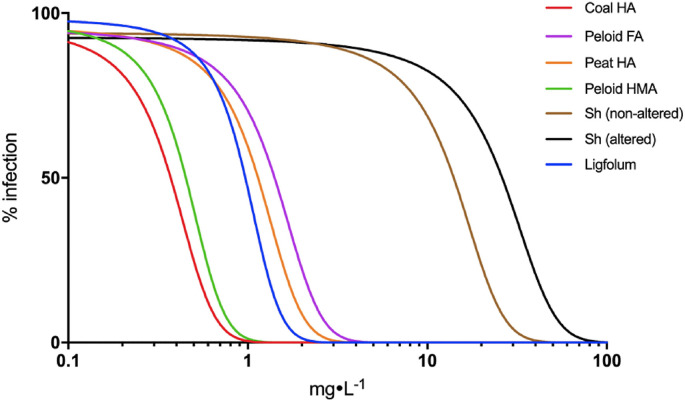
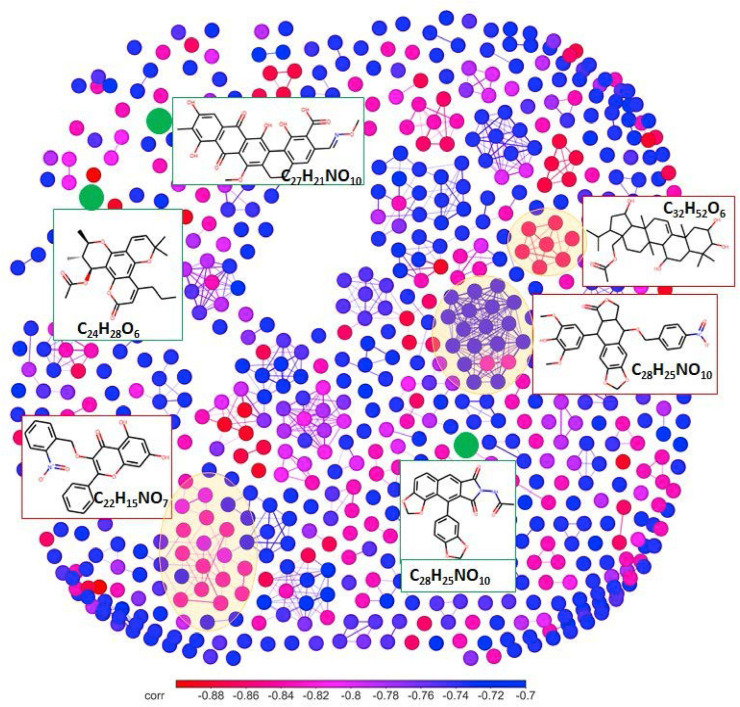
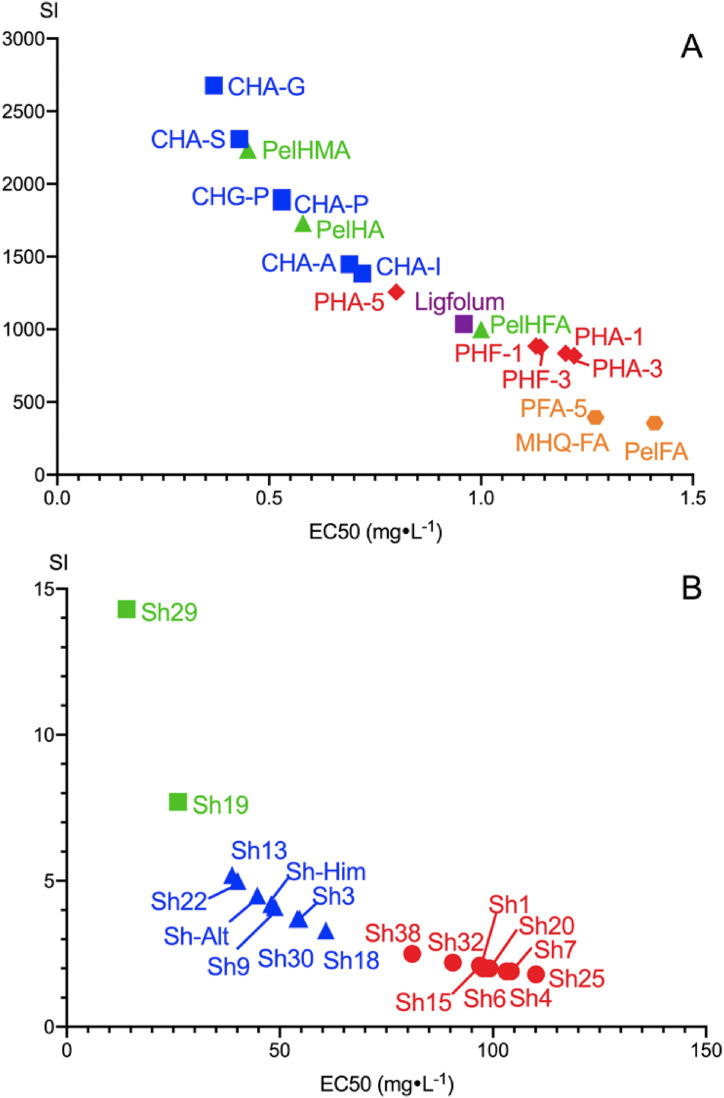
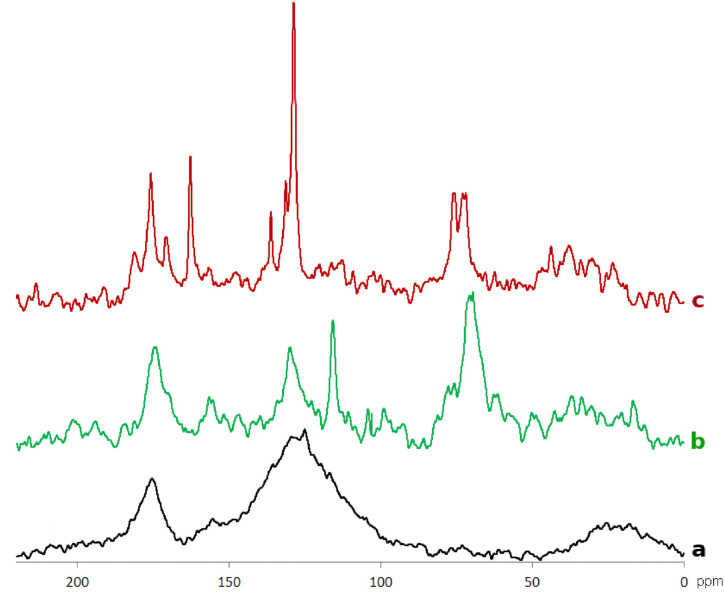
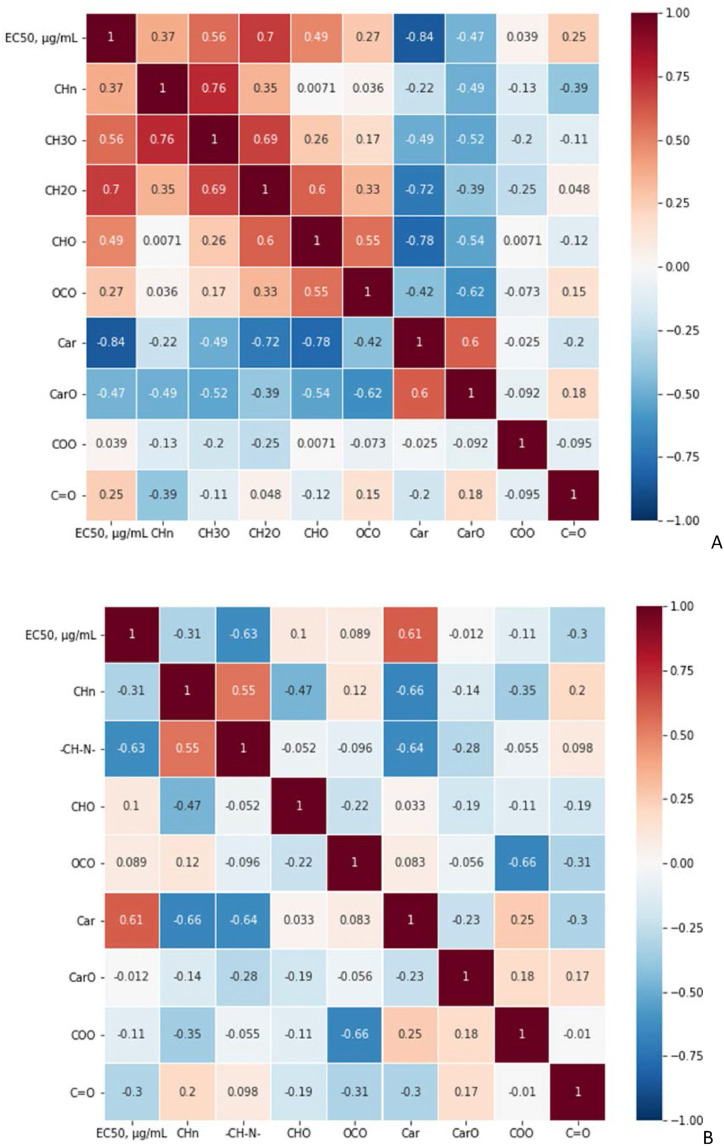
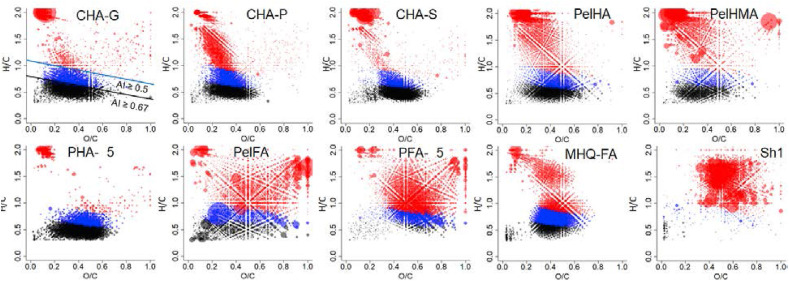
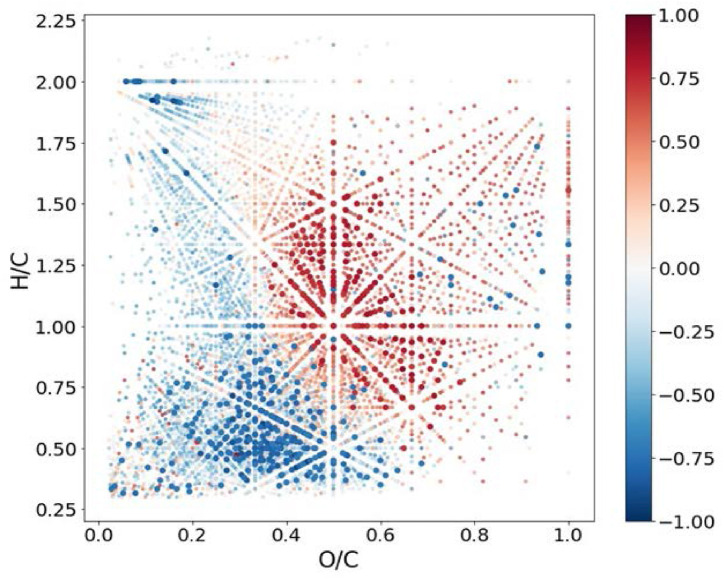
Natural products, such as humic substances (HS) and shilajit, are known to possess antiviral activity. Humic-like components are often called as carriers of biological activity of shilajit. The goal of this study was to evaluate anti-HIV activity of well characterized HS isolated from coal, peat, and peloids, and compare it to that of water-soluble organic matter (OM) isolated from different samples of Shilajit. The set of humic materials included 16 samples of different fractional composition: humic acid (HA), hymatomelanic acid (HMA), fulvic acid (FA). The set of shilajit OM included 19 samples of different geographic origin and level of alteration. The HIV-1 p24 antigen assay and cell viability test were used for assessment of antiviral activity. The HIV-1 Bru strain was used to infect CEM-SS cells. The obtained EC50 values varied from 0.37 to 1.4 mg L for the humic materials, and from 14 to 142 mg L for the shilajit OM. Hence, all humic materials used in this study outcompeted largely the shilajit materials with respect to anti-HIV activity: For the humic materials, the structure-activity relationships revealed strong correlation between the EC50 values and the content of aromatic carbon indicating the most important role of aromatic structures. For shilajit OM, the reverse relationship was obtained indicating the different mechanism of shilajit activity. The FTICRMS molecular assignments were used for ChEMBL data mining in search of the active humic molecules. As potential carriers of antiviral activity were identified aromatic structures with alkyl substituents, terpenoids, N-containing analogs of typical flavonoids, and aza-podophyllotoxins. The conclusion was made that the typical humic materials and Shilajit differ greatly in molecular composition, and the humic materials have substantial preferences as a natural source of antiviral agents as compared to shilajit.
天然产物,如腐殖质(HS)和喜来芝,已知具有抗病毒活性。腐殖质样成分通常被称为喜来芝生物活性的载体。本研究的目的是评估从煤、泥炭和泥灰岩中分离出的具有良好特征的 HS 以及从不同来源的喜来芝中分离出的水溶性有机质(OM)的抗 HIV 活性,并对其进行比较。该组腐殖质材料包括 16 个不同分级组成的样品:腐殖酸(HA)、腐殖酸(HMA)、富里酸(FA)。该组喜来芝 OM 包括 19 个不同地理来源和改变程度的样品。采用 HIV-1 p24 抗原测定法和细胞活力试验评估抗病毒活性。使用 HIV-1 Bru 株感染 CEM-SS 细胞。得到的 EC50 值范围为 0.37 至 1.4 mg/L 的腐殖质材料和 14 至 142 mg/L 的喜来芝 OM。因此,在这项研究中使用的所有腐殖质材料在抗 HIV 活性方面都大大优于喜来芝材料:对于腐殖质材料,结构-活性关系表明 EC50 值与芳香碳含量之间存在很强的相关性,表明芳香结构的最重要作用。对于喜来芝 OM,得到了相反的关系,表明喜来芝活性的不同机制。FTICRMS 分子分配用于 ChEMBL 数据挖掘,以寻找具有抗病毒活性的腐殖质分子。鉴定出的具有抗病毒活性的潜在载体是带有烷基取代基的芳香结构、萜类化合物、典型类黄酮的 N 类似物和氮杂-鬼臼毒素。结论是,典型的腐殖质材料和喜来芝在分子组成上有很大的不同,与喜来芝相比,腐殖质材料作为天然抗病毒药物来源具有很大的优势。