Thim-Uam Arthid, Prabakaran Thaneas, Tansakul Mookmanee, Makjaroen Jiradej, Wongkongkathep Piriya, Chantaravisoot Naphat, Saethang Thammakorn, Leelahavanichkul Asada, Benjachat Thitima, Paludan Søren, Pisitkun Trairak, Pisitkun Prapaporn
Interdisciplinary Program of Biomedical Sciences, Graduate School, Chulalongkorn University, 1873 Rama 4 Road, Pathumwan, Bangkok 10330, Thailand.
Center of Excellence in Systems Biology, Faculty of Medicine, Chulalongkorn University, 1873 Rama 4 Road, Pathumwan, Bangkok 10330, Thailand.
iScience. 2020 Sep 4;23(9):101530. doi: 10.1016/j.isci.2020.101530. eCollection 2020 Sep 25.
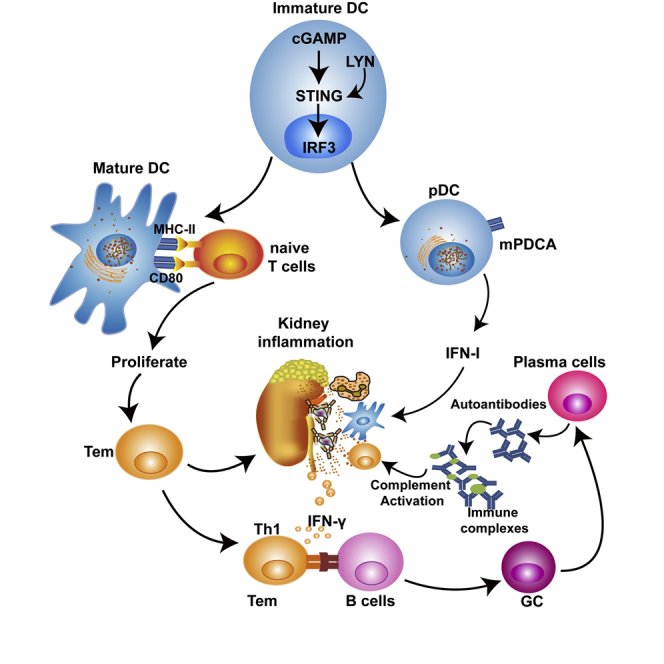
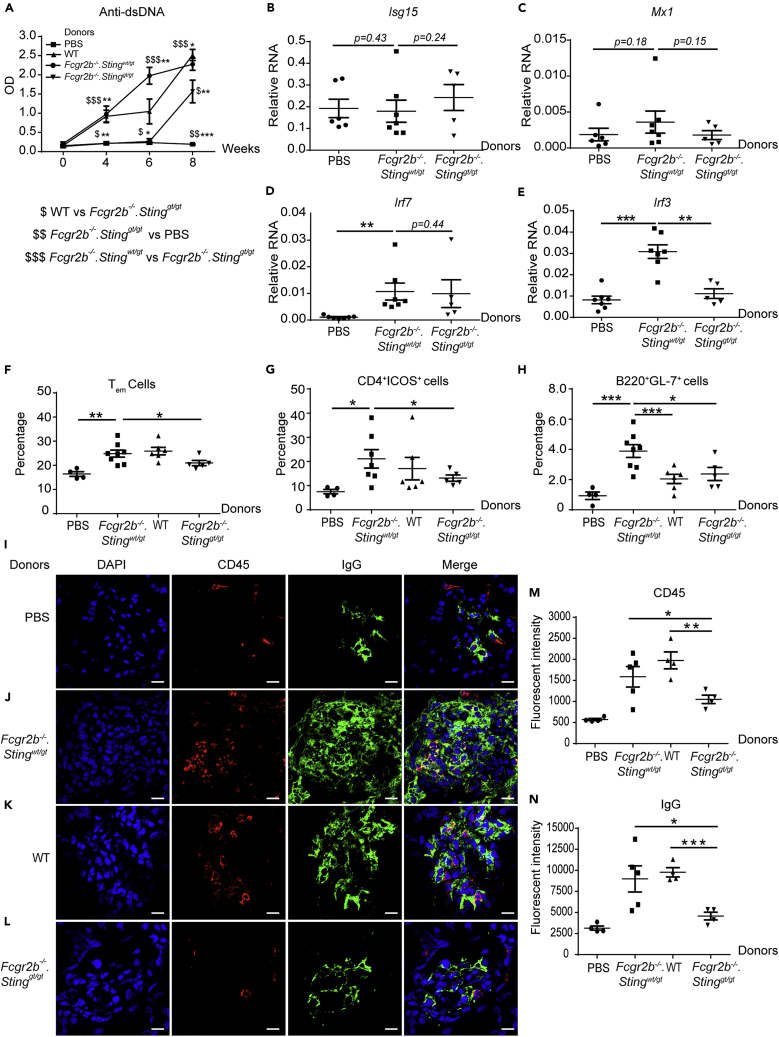
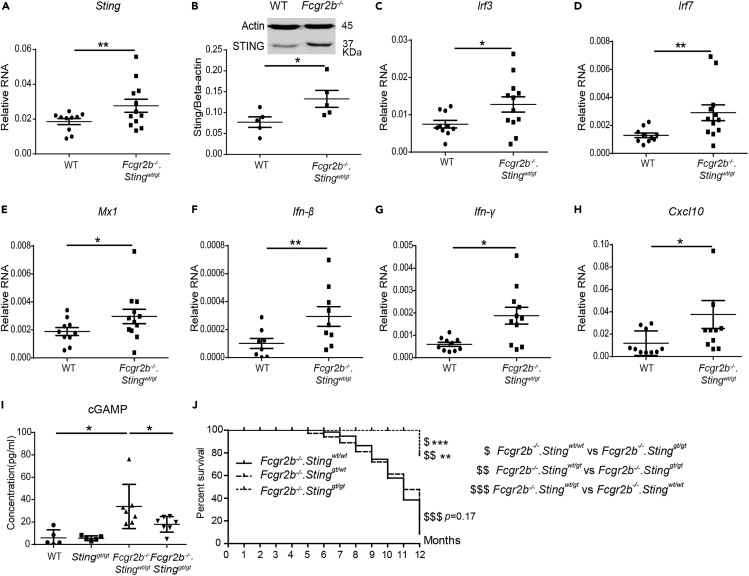
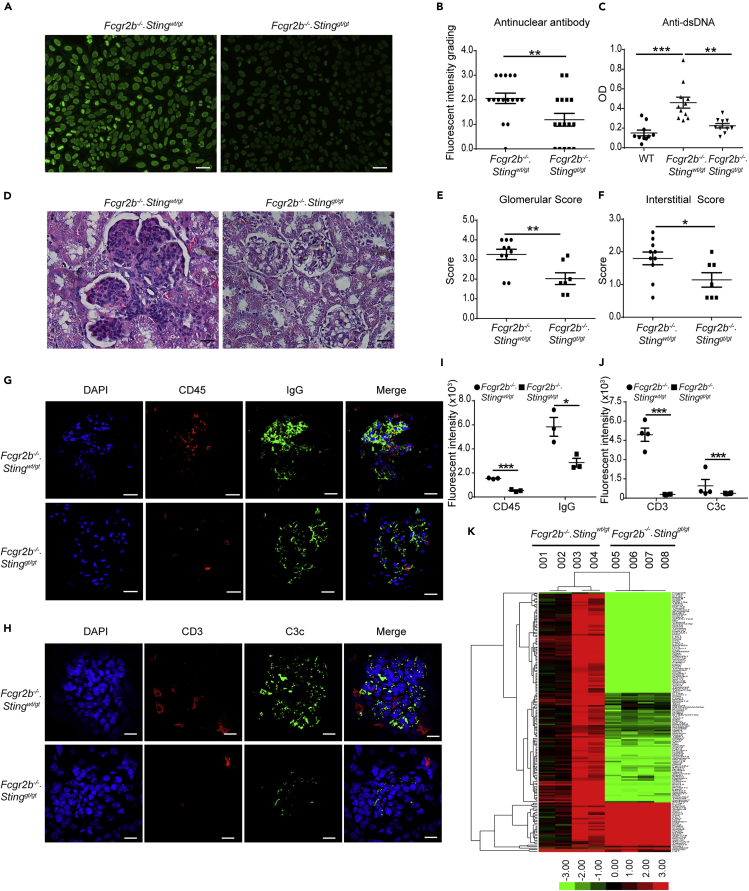
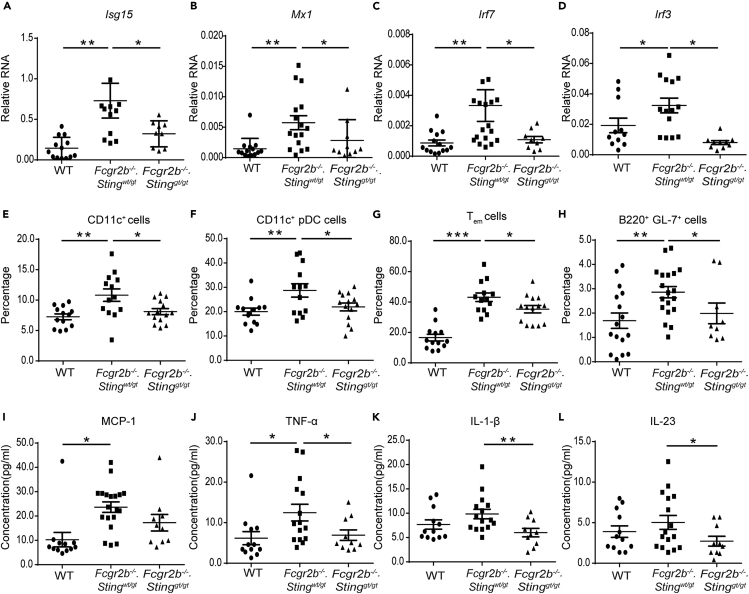
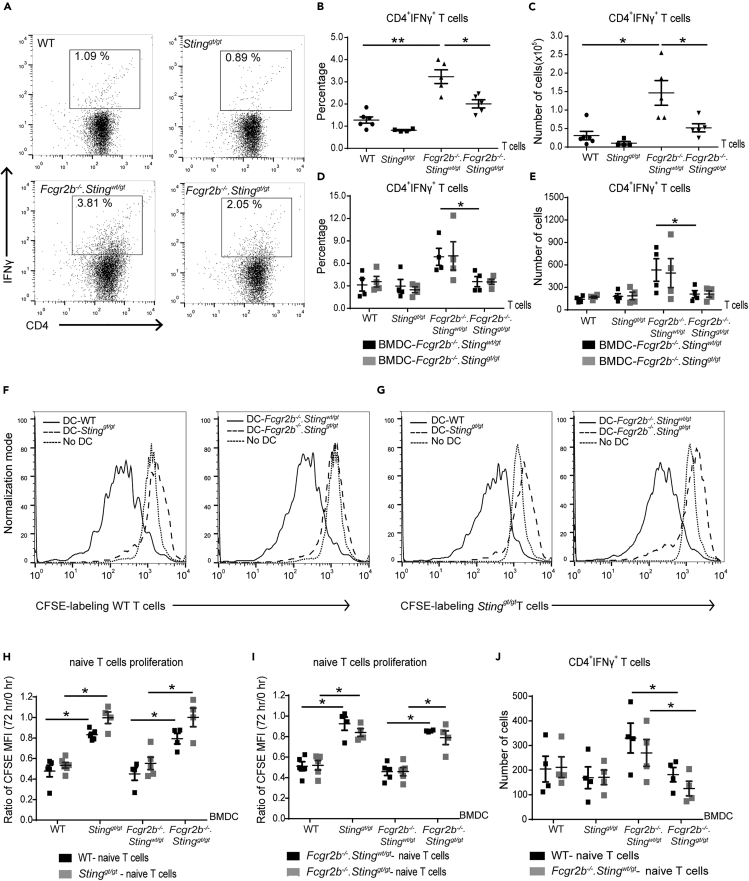
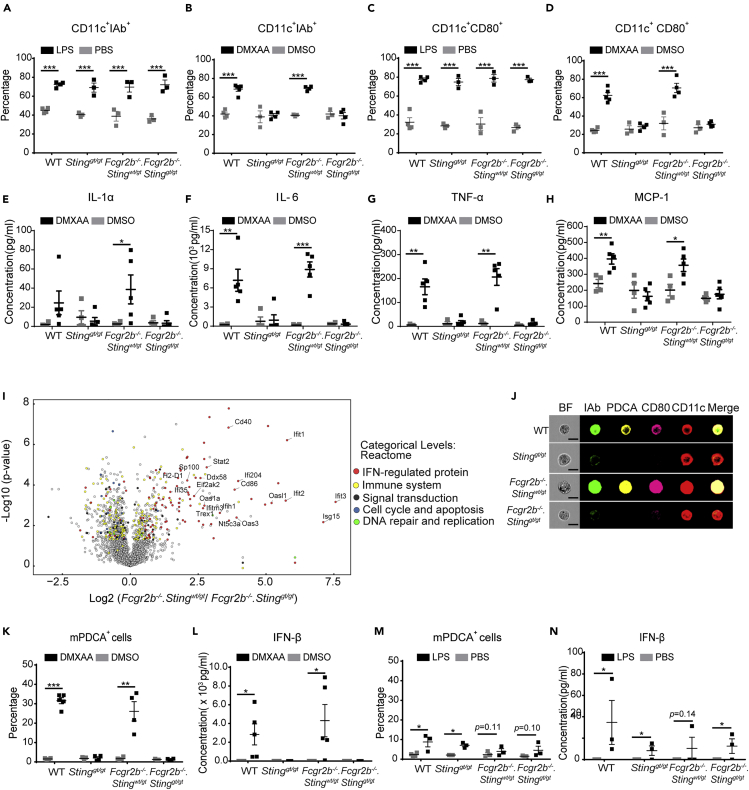
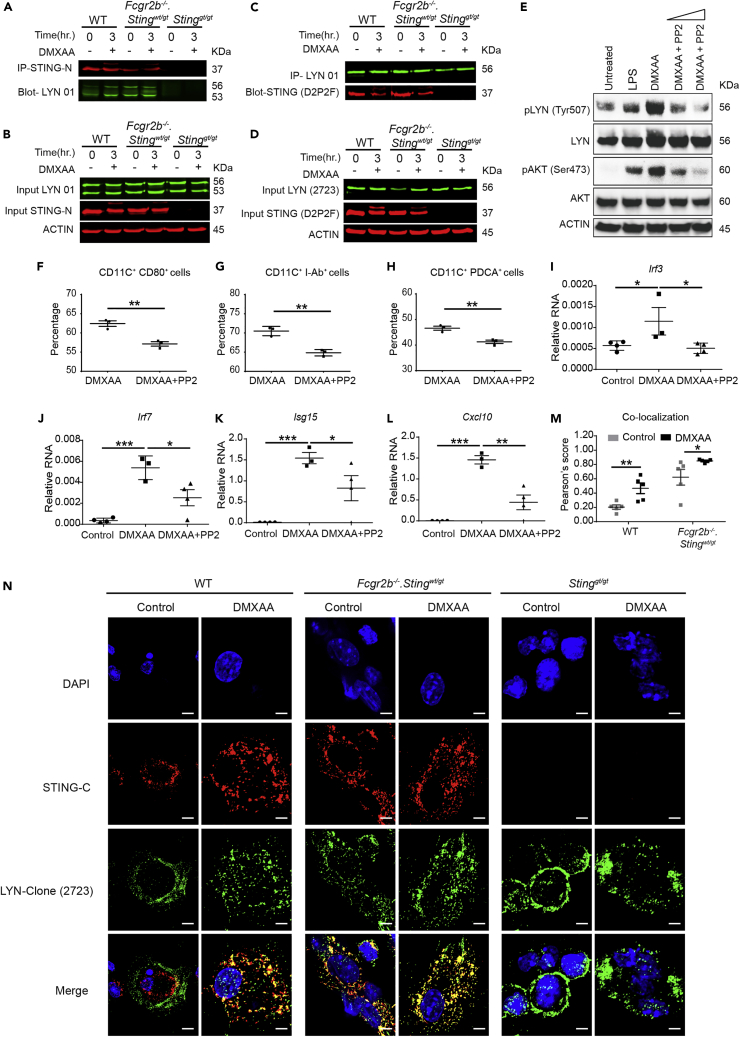
Signaling through stimulator of interferon genes (STING) leads to the production of type I interferons (IFN-Is) and inflammatory cytokines. A gain-of-function mutation in STING was identified in an autoinflammatory disease (STING-associated vasculopathy with onset in infancy; SAVI). The expression of cyclic GMP-AMP, DNA-activated cGAS-STING pathway, increased in a proportion of patients with SLE. The STING signaling pathway may be a candidate for targeted therapy in SLE. Here, we demonstrated that disruption of STING signaling ameliorated lupus development in -deficient mice. Activation of STING promoted maturation of conventional dendritic cells and differentiation of plasmacytoid dendritic cells via LYN interaction and phosphorylation. The inhibition of LYN decreased the differentiation of STING-activated dendritic cells. Adoptive transfer of STING-activated bone marrow-derived dendritic cells into the FCGR2B and STING double-deficiency mice restored lupus phenotypes. These findings provide evidence that the inhibition of STING signaling may be a candidate targeted treatment for a subset of patients with SLE.
通过干扰素基因刺激物(STING)发出的信号会导致I型干扰素(IFN-Is)和炎性细胞因子的产生。在一种自身炎症性疾病(婴儿期起病的STING相关血管病;SAVI)中发现了STING的功能获得性突变。在一部分系统性红斑狼疮(SLE)患者中,环状GMP-AMP、DNA激活的cGAS-STING途径的表达增加。STING信号通路可能是SLE靶向治疗的一个候选靶点。在此,我们证明了STING信号的破坏改善了缺陷小鼠的狼疮发展。STING的激活通过LYN相互作用和磷酸化促进了传统树突状细胞的成熟和浆细胞样树突状细胞的分化。LYN的抑制降低了STING激活的树突状细胞的分化。将STING激活的骨髓来源的树突状细胞过继转移到FCGR2B和STING双缺陷小鼠中恢复了狼疮表型。这些发现提供了证据,表明抑制STING信号可能是一部分SLE患者的候选靶向治疗方法。