Hummitzsch Lars, Berndt Rouven, Kott Matthias, Rusch Rene, Faendrich Fred, Gruenewald Matthias, Steinfath Markus, Albrecht Martin, Zitta Karina
Department of Anesthesiology and Intensive Care Medicine, UKSH, Schwanenweg 21, 24105, Kiel, Germany.
Department of Cardiovascular Surgery, UKSH, Kiel, Germany.
J Transl Med. 2020 Oct 21;18(1):404. doi: 10.1186/s12967-020-02567-7.
Numerous tissue-derived factors have been postulated to be involved in tissue migration of circulating monocytes. The aim of this study was to evaluate whether a defined hypoxic gradient can induce directed migration of naïve human monocytes and to identify responsible autocrine/paracrine factors.
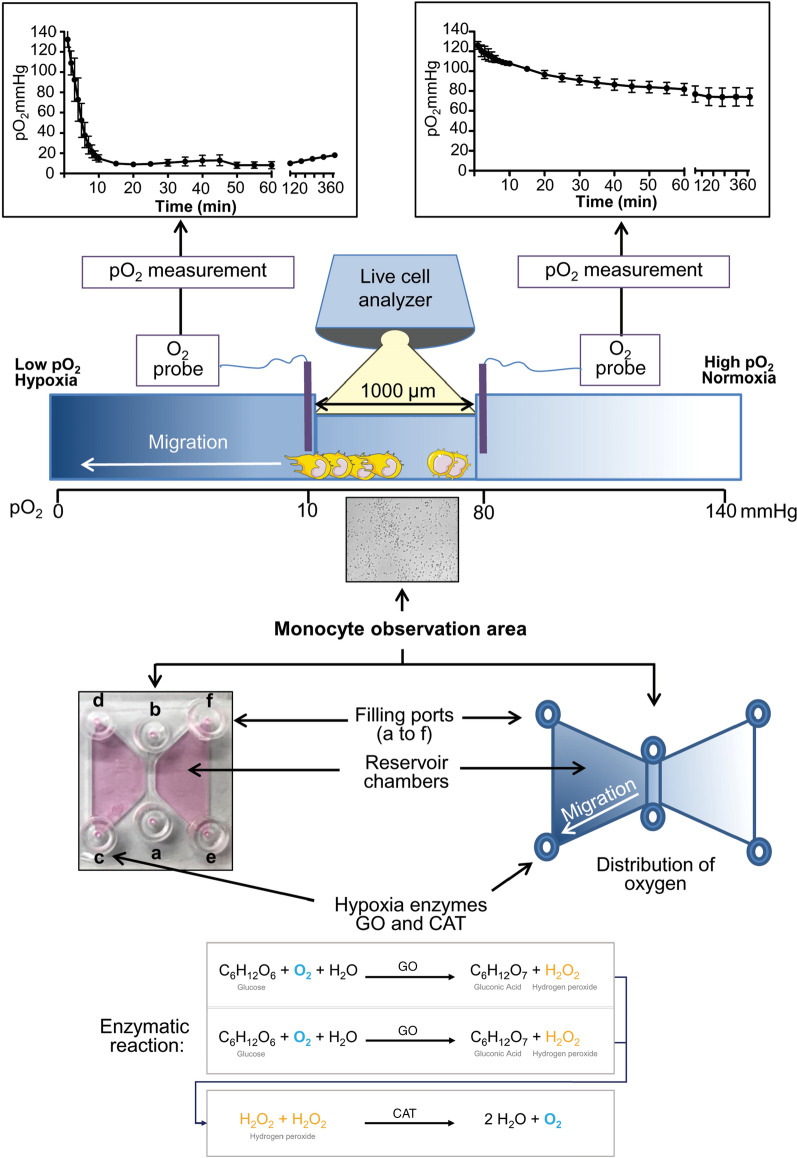
Monocytes were isolated from peripheral blood mononuclear cells, transferred into chemotaxis chambers and subjected to a defined oxygen gradient with or without the addition of CCL26. Cell migration was recorded and secretome analyses were performed.
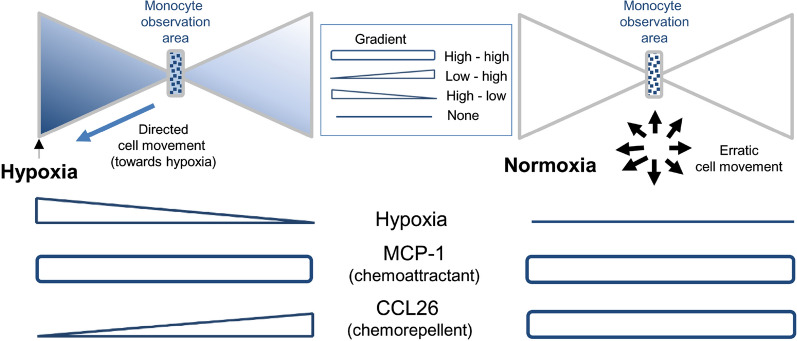
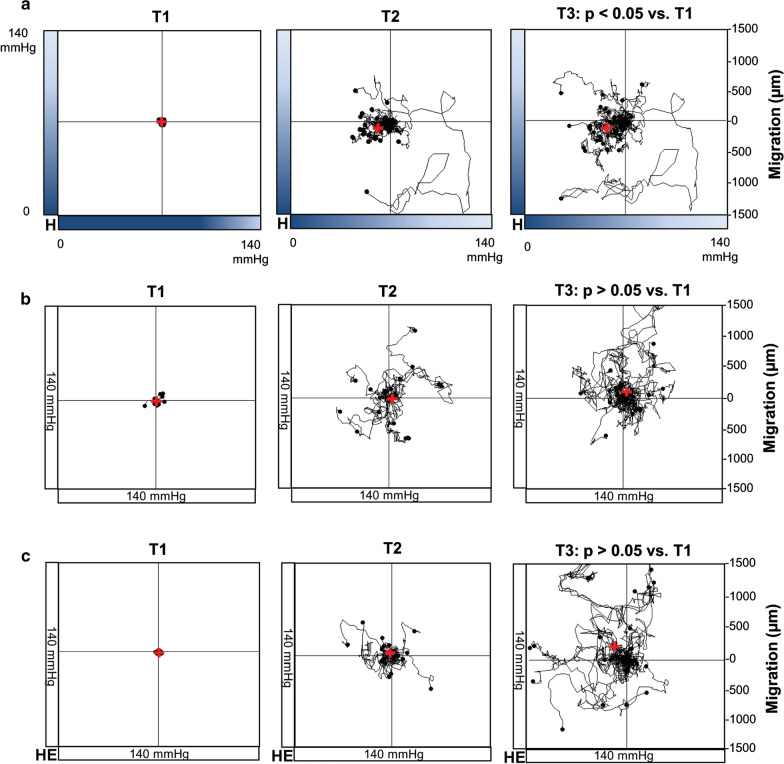
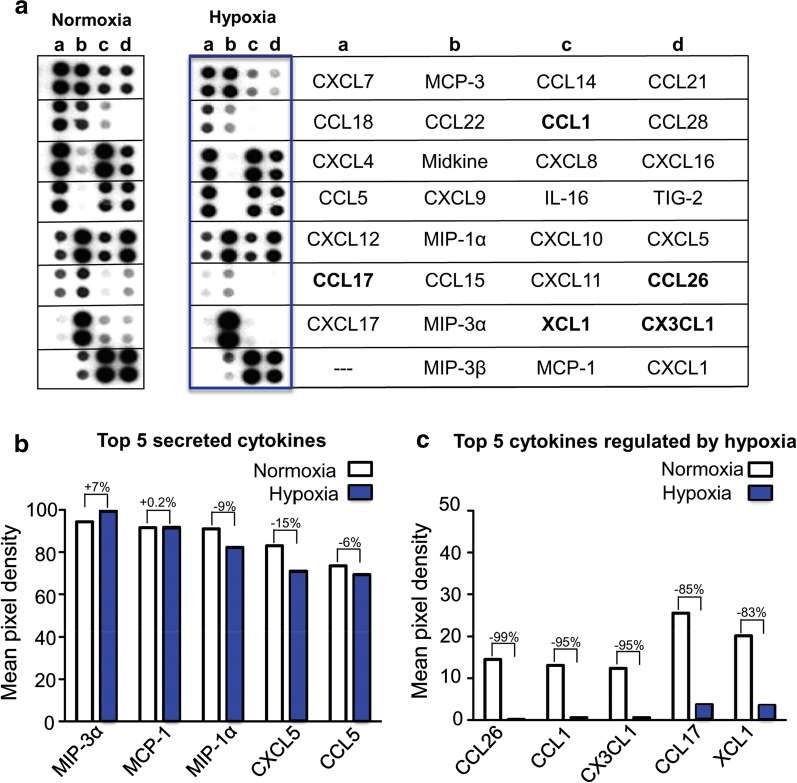
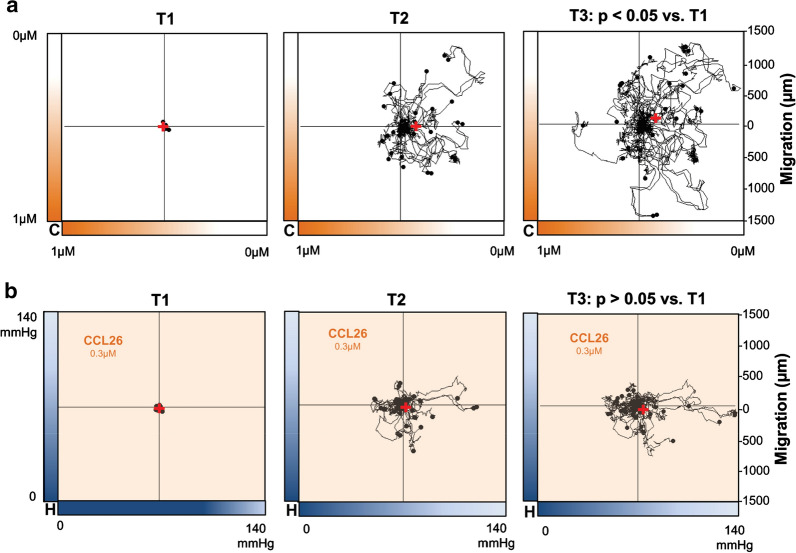
Cell migration recordings revealed directed migration of monocytes towards the source of hypoxia. Analysis of the monocyte secretome demonstrated a reduced secretion of 70% (19/27) of the analyzed cytokines under hypoxic conditions. The most down-regulated factors were CCL26 (- 99%), CCL1 (- 95%), CX3CL1 (- 95%), CCL17 (- 85%) and XCL1 (- 83%). Administration of recombinant CCL26 abolished the hypoxia-induced directed migration of human monocytes, while the addition of CCL26 under normoxic conditions resulted in a repulsion of monocytes from the source of CCL26.
Hypoxia induces directed migration of human monocytes in-vitro. Autocrine/paracrine released CCL26 is involved in the hypoxia-mediated monocyte migration and may represent a target molecule for the modulation of monocyte migration in-vivo.
众多组织衍生因子被认为参与循环单核细胞的组织迁移。本研究旨在评估特定的缺氧梯度是否能诱导未成熟人单核细胞的定向迁移,并确定相关的自分泌/旁分泌因子。
从外周血单核细胞中分离出单核细胞,转移至趋化小室,并置于有或无CCL26添加的特定氧梯度环境中。记录细胞迁移情况并进行分泌组分析。
细胞迁移记录显示单核细胞向缺氧源的定向迁移。单核细胞分泌组分析表明,在缺氧条件下,所分析的细胞因子中有70%(19/27)的分泌减少。下调最为明显的因子是CCL26(-99%)、CCL1(-95%)、CX3CL1(-95%)、CCL17(-85%)和XCL1(-83%)。给予重组CCL26可消除缺氧诱导的人单核细胞定向迁移,而在常氧条件下添加CCL26则导致单核细胞从CCL26源处排斥。
缺氧在体外可诱导人单核细胞的定向迁移。自分泌/旁分泌释放的CCL26参与缺氧介导的单核细胞迁移,可能是体内调节单核细胞迁移的靶分子。