Bursa City Hospital, Department of Nephrology, Nephrology Clinic, Dogankoy mevki, Nilufer, Bursa, Turkey.
Division of Nephrology, Department of Internal Medicine, Bursa Uludag University Faculty of Medicine, Gorukle, Nilufer, Bursa, Turkey.
BMC Nephrol. 2020 Oct 22;21(1):444. doi: 10.1186/s12882-020-02108-w.
Dyspepsia is a common disorder in kidney transplant recipients, and the risk of post-transplant complications is increased in candidates with upper gastrointestinal disease. We evaluated gastrointestinal lesions of kidney transplant candidates on dialysis.
In this study, endoscopic and pathological findings in hemodialysis (HD) and peritoneal dialysis (PD) patients with gastrointestinal symptoms on the waiting list were compared.
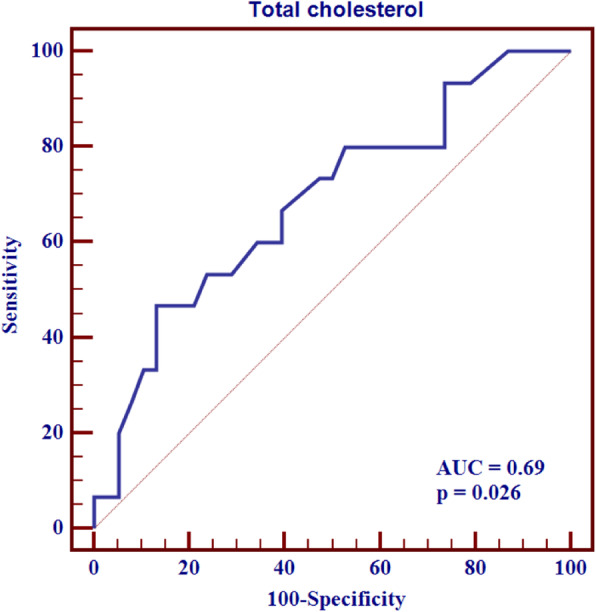
The most common non-ulcerous lesions in the endoscopic examination were gastritis (62.3%), erosive gastritis (38.7%), duodenal erosion or duodenitis (18.9%) and esophagitis (13.2%). The ulcerous lesion was present in only 3 patients. Gastroesophageal reflux disease, ulcerated lesion and non-ulcerated lesion rates were similar in both dialysis groups. Histopathological examination revealed Helicobacter pylori (HP) positivity in 28.3% of patients. HP positivity rate was significantly higher in PD patients than in HD patients (38.7% vs. 13.6%, p = 0.046). Chronic gastritis (75.5%) was the most common pathological finding. HP positivity rate was 37.5% in patients with chronic gastritis, but HP was negative in patients without chronic gastritis. In multivariate analysis, male gender, urea and albumin levels were associated with the presence of pathological chronic gastritis. The presence of gastritis, total cholesterol and ferritin levels were found significant for HP positivity. A total cholesterol > 243 mg/dL was significantly related to an increased risk of the presence of HP positivity.
Gastrointestinal lesions and HP infection are common in dialysis patients. Dialysis modality may affect the frequency of some lesions. It may be useful to have an endoscopic examination before entering the transplant waiting list for all candidates.
消化不良是肾移植受者的常见疾病,而上消化道疾病患者的移植后并发症风险增加。我们评估了透析中肾移植候选者的胃肠道病变。
本研究比较了有胃肠道症状的血液透析(HD)和腹膜透析(PD)患者的内镜和病理发现。
内镜检查最常见的非溃疡性病变为胃炎(62.3%)、糜烂性胃炎(38.7%)、十二指肠侵蚀或十二指肠炎(18.9%)和食管炎(13.2%)。仅 3 例患者存在溃疡性病变。胃食管反流病、溃疡性病变和非溃疡性病变在两组透析患者中的发生率相似。组织病理学检查显示 28.3%的患者存在幽门螺杆菌(HP)阳性。PD 患者的 HP 阳性率明显高于 HD 患者(38.7%比 13.6%,p = 0.046)。慢性胃炎(75.5%)是最常见的病理发现。慢性胃炎患者的 HP 阳性率为 37.5%,但无慢性胃炎患者的 HP 为阴性。多变量分析显示,男性、尿素和白蛋白水平与存在病理性慢性胃炎有关。胃炎、总胆固醇和铁蛋白水平与 HP 阳性有关。总胆固醇>243 mg/dL 与 HP 阳性的存在显著相关。
胃肠道病变和 HP 感染在透析患者中很常见。透析方式可能会影响某些病变的频率。对于所有候选者,在进入移植等待名单之前进行内镜检查可能是有用的。