Nie Yusong, Fu Chengxiao, Zhang Huimin, Zhang Min, Xie Hui, Tong Xiaopei, Li Yao, Hou Zhenyan, Fan Xinrong, Yan Miao
Department of Pharmacy, The Second Xiangya Hospital, Central South University, Changsha, 410011, Hunan, China.
Hunan University of Chinese Medicine, Changsha, 410208, Hunan, China.
BMC Complement Med Ther. 2020 Oct 23;20(1):321. doi: 10.1186/s12906-020-03050-y.
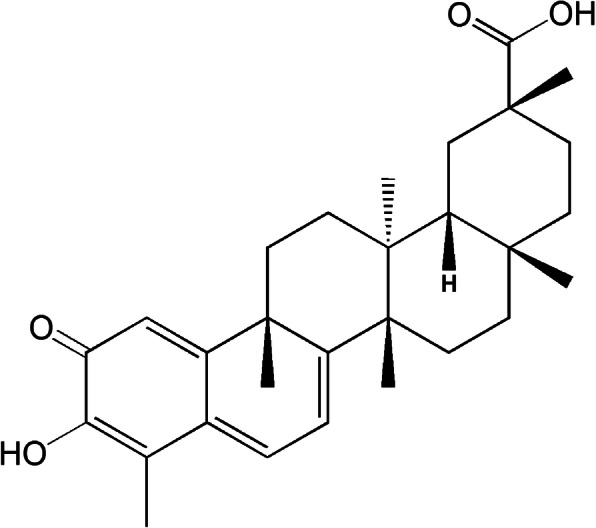
Diabetic nephropathy serves as one of the most regular microvascular complications of diabetes mellitus and is the main factor that causes end-stage renal disease and incident mortality. As the beneficial effect and minute adverse influence of Celastrol on the renal system requires further elucidation, the renoprotective function of Celastrol in early diabetic nephropathy was investigated.
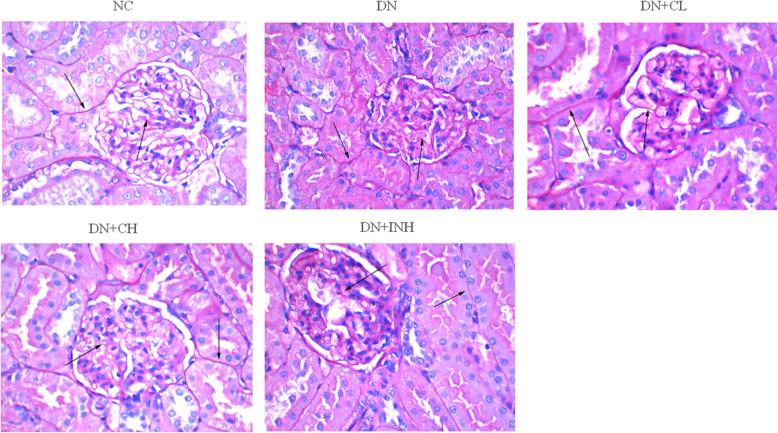
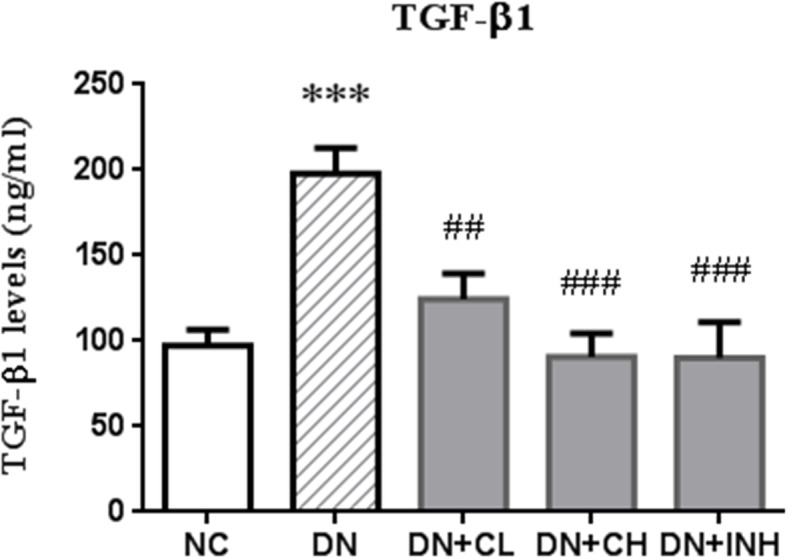
In high-fat and high-glucose diet/streptozotocin-induced diabetic rats which is the early diabetic nephropathy model, ALT, AST, 24 h urinary protein, blood urea nitrogen, and serum creatinine content were observed. Periodic acid-Schiff staining, enzyme-linked immunosorbent assay, immunohistochemical analysis, reverse transcription-polymerase chain reaction, and western blot analysis were used to explore the renoprotective effect of Celastrol to diabetic nephropathy rats and the underlying mechanism.
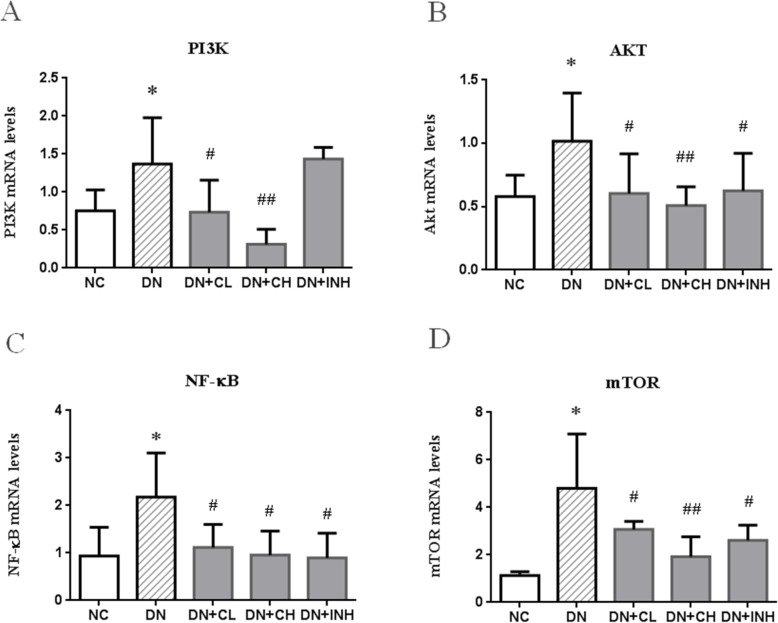
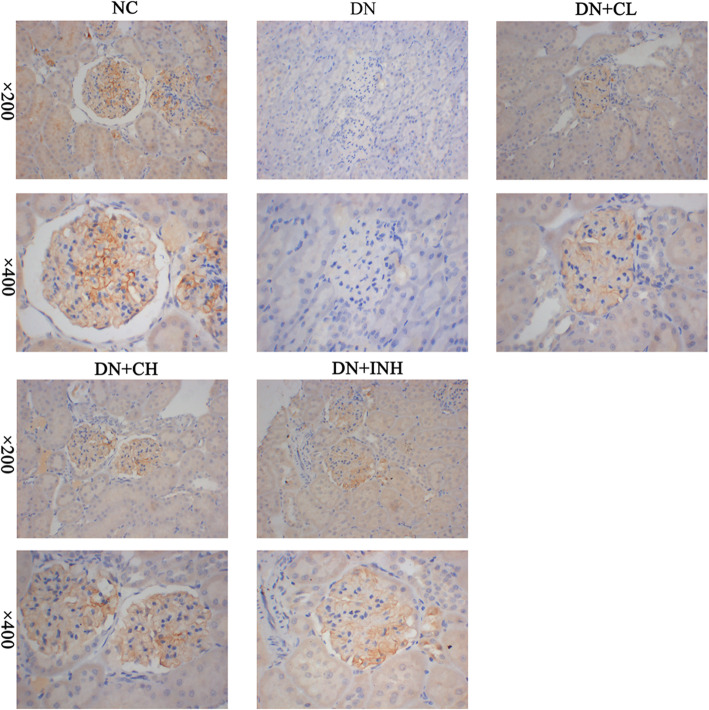
High dose of Celastrol (1.5 mg/kg/d) not only improved the kidney function of diabetic nephropathy (DN) rats, and decreased the blood glucose and 24 h urinary albumin, but also increased the expression of LC3II and nephrin, and downregulated the expression of PI3K, p-AKT, and the mRNA level of NF-κB and mTOR.
Celastrol functions as a potential therapeutic substance, acting via the PI3K/AKT pathway to attenuate renal injury, inhibit glomerular basement membrane thickening, and achieve podocyte homeostasis in diabetic nephropathy.
糖尿病肾病是糖尿病最常见的微血管并发症之一,是导致终末期肾病和死亡的主要因素。由于雷公藤红素对肾脏系统的有益作用和微小不良影响尚需进一步阐明,因此研究了雷公藤红素在早期糖尿病肾病中的肾脏保护作用。
在高脂高糖饮食/链脲佐菌素诱导的早期糖尿病肾病模型大鼠中,观察谷丙转氨酶(ALT)、谷草转氨酶(AST)、24小时尿蛋白、血尿素氮和血清肌酐含量。采用高碘酸-希夫染色、酶联免疫吸附测定、免疫组织化学分析、逆转录-聚合酶链反应和蛋白质印迹分析,探讨雷公藤红素对糖尿病肾病大鼠的肾脏保护作用及其潜在机制。
高剂量雷公藤红素(1.5mg/kg/d)不仅改善了糖尿病肾病(DN)大鼠的肾功能,降低了血糖和24小时尿白蛋白,还增加了微管相关蛋白1轻链3-II(LC3II)和足细胞裂孔隔膜蛋白(nephrin)的表达,下调了磷脂酰肌醇-3激酶(PI3K)、磷酸化蛋白激酶B(p-AKT)以及核因子κB(NF-κB)和哺乳动物雷帕霉素靶蛋白(mTOR)的mRNA水平。
雷公藤红素作为一种潜在的治疗物质,通过PI3K/AKT信号通路发挥作用,减轻肾脏损伤,抑制肾小球基底膜增厚,实现糖尿病肾病足细胞内环境稳态。