Sanofi, Neuroscience, 49 New York Ave, Framingham, MA, 01701, USA.
Sanofi, Integrated Drug Discovery, 153 2nd Ave, Waltham, MA, 02451, USA.
Cell Death Dis. 2020 Oct 23;11(10):904. doi: 10.1038/s41419-020-03084-7.
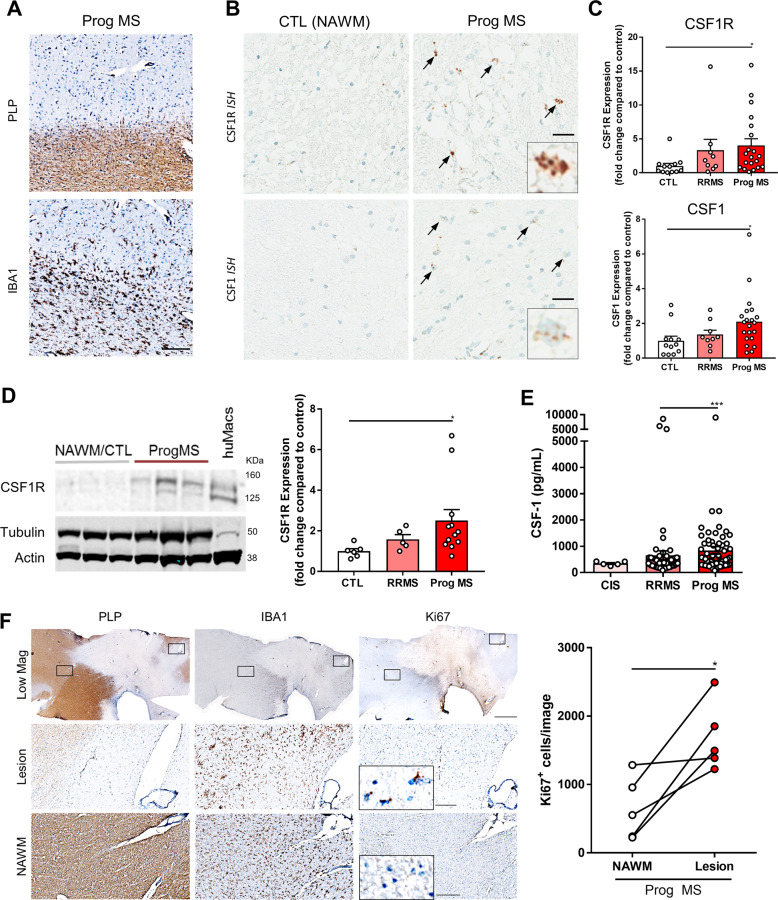
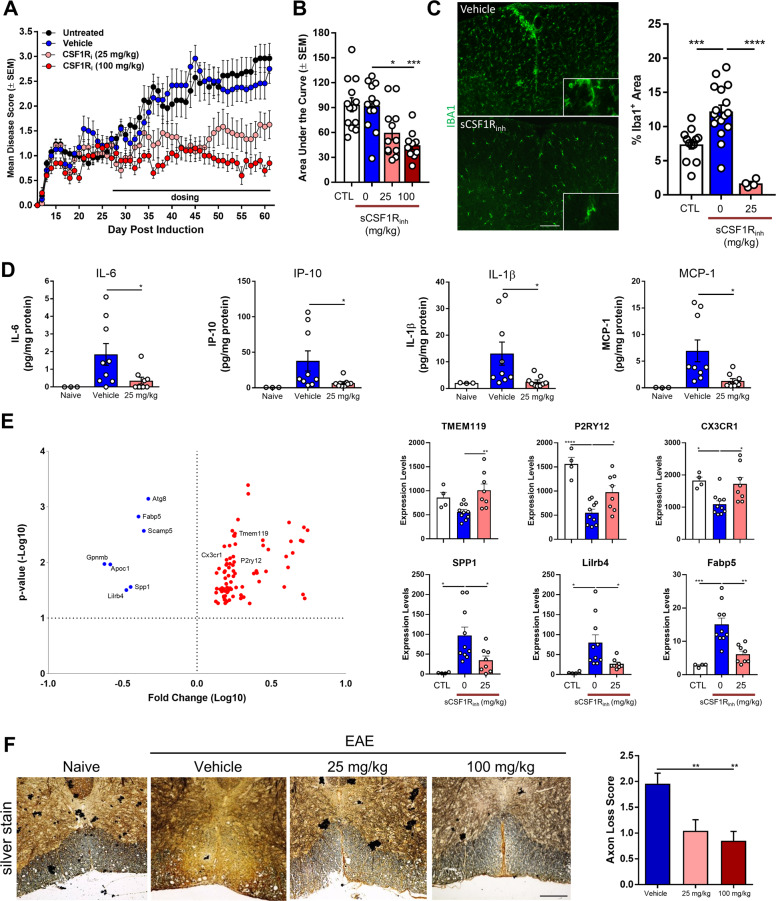
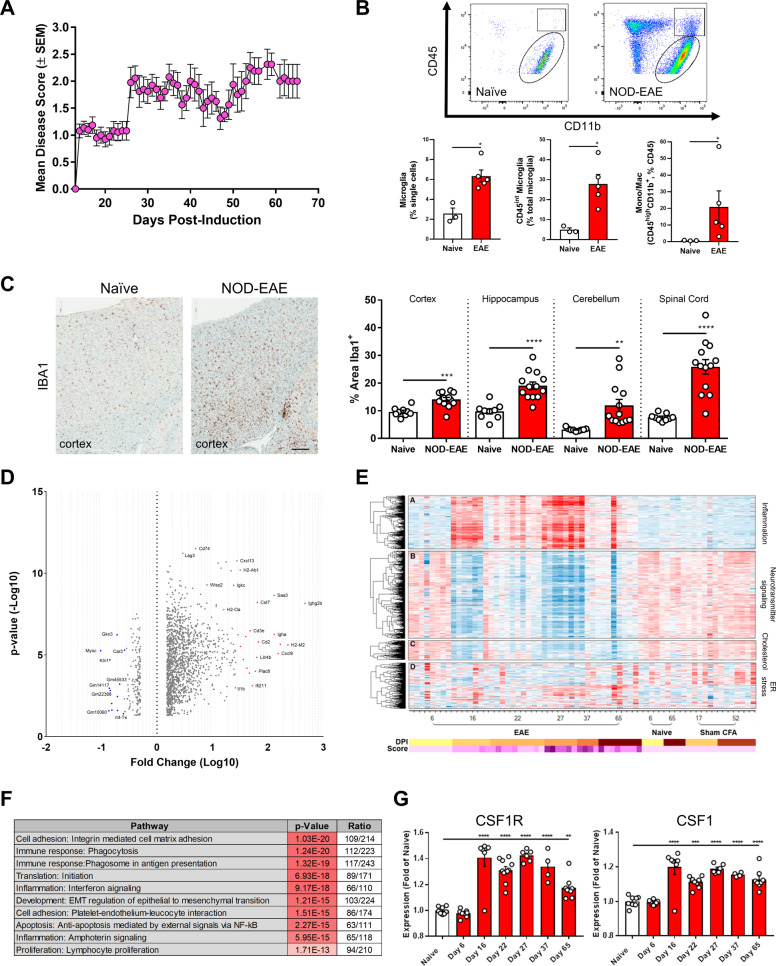
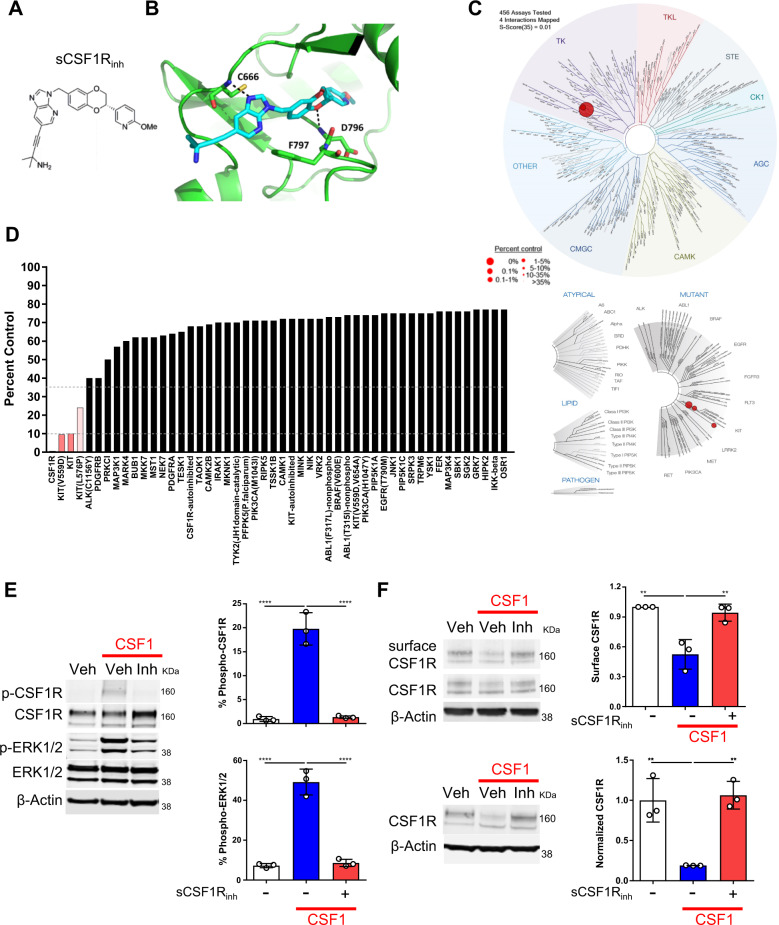
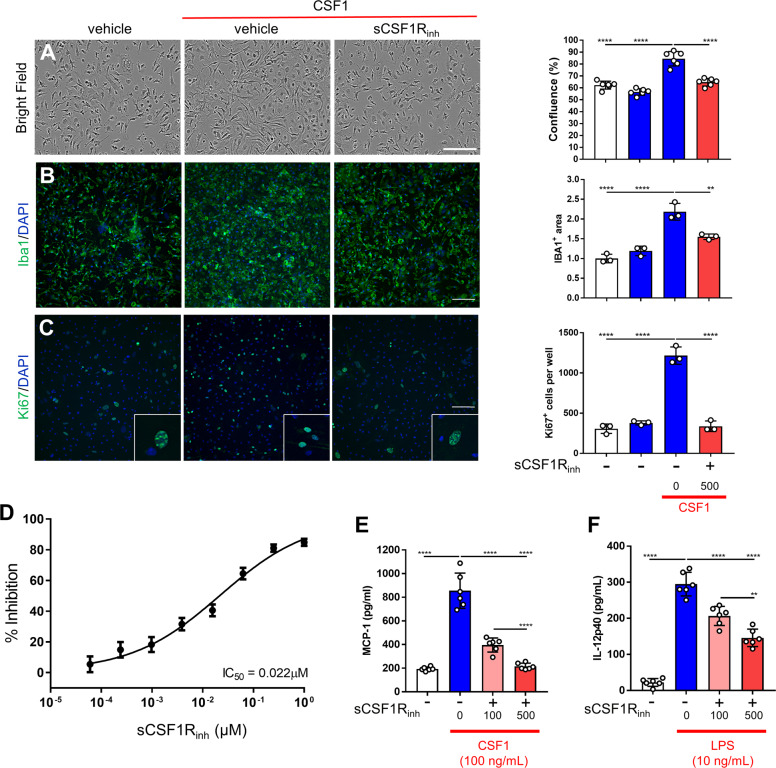
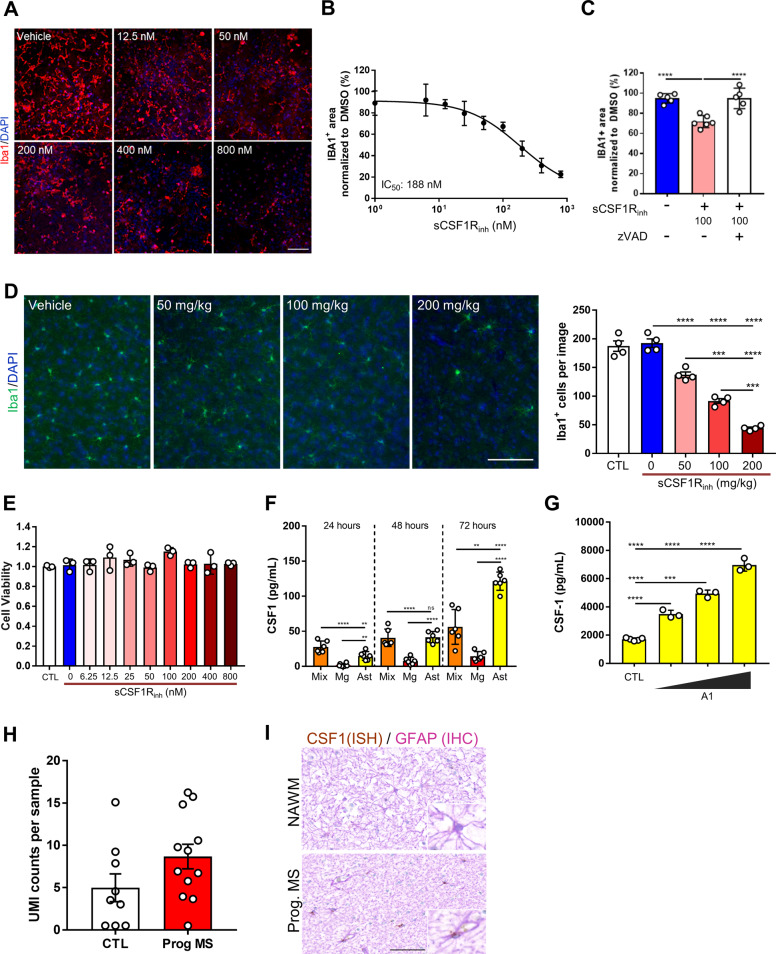
Microglia serve as the innate immune cells of the central nervous system (CNS) by providing continuous surveillance of the CNS microenvironment and initiating defense mechanisms to protect CNS tissue. Upon injury, microglia transition into an activated state altering their transcriptional profile, transforming their morphology, and producing pro-inflammatory cytokines. These activated microglia initially serve a beneficial role, but their continued activation drives neuroinflammation and neurodegeneration. Multiple sclerosis (MS) is a chronic, inflammatory, demyelinating disease of the CNS, and activated microglia and macrophages play a significant role in mediating disease pathophysiology and progression. Colony-stimulating factor-1 receptor (CSF1R) and its ligand CSF1 are elevated in CNS tissue derived from MS patients. We performed a large-scale RNA-sequencing experiment and identified CSF1R as a key node of disease progression in a mouse model of progressive MS. We hypothesized that modulating microglia and infiltrating macrophages through the inhibition of CSF1R will attenuate deleterious CNS inflammation and reduce subsequent demyelination and neurodegeneration. To test this hypothesis, we generated a novel potent and selective small-molecule CSF1R inhibitor (sCSF1R) for preclinical testing. sCSF1R blocked receptor phosphorylation and downstream signaling in both microglia and macrophages and altered cellular functions including proliferation, survival, and cytokine production. In vivo, CSF1R inhibition with sCSF1R attenuated neuroinflammation and reduced microglial proliferation in a murine acute LPS model. Furthermore, the sCSF1R attenuated a disease-associated microglial phenotype and blocked both axonal damage and neurological impairments in an experimental autoimmune encephalomyelitis (EAE) model of MS. While previous studies have focused on microglial depletion following CSF1R inhibition, our data clearly show that signaling downstream of this receptor can be beneficially modulated in the context of CNS injury. Together, these data suggest that CSF1R inhibition can reduce deleterious microglial proliferation and modulate microglial phenotypes during neuroinflammatory pathogenesis, particularly in progressive MS.
小胶质细胞作为中枢神经系统 (CNS) 的先天免疫细胞,通过对 CNS 微环境进行持续监测并启动防御机制来保护 CNS 组织。在损伤后,小胶质细胞转变为激活状态,改变其转录谱,改变其形态,并产生促炎细胞因子。这些激活的小胶质细胞最初发挥有益作用,但它们的持续激活会导致神经炎症和神经退行性变。多发性硬化症 (MS) 是一种慢性、炎症性、脱髓鞘性中枢神经系统疾病,激活的小胶质细胞和巨噬细胞在介导疾病病理生理学和进展中发挥重要作用。集落刺激因子-1 受体 (CSF1R) 和其配体 CSF1 在源自 MS 患者的 CNS 组织中升高。我们进行了大规模的 RNA 测序实验,确定 CSF1R 是 MS 进展小鼠模型中疾病进展的关键节点。我们假设通过抑制 CSF1R 来调节小胶质细胞和浸润的巨噬细胞将减轻有害的 CNS 炎症并减少随后的脱髓鞘和神经退行性变。为了验证这一假设,我们生成了一种新型有效的、选择性的 CSF1R 小分子抑制剂 (sCSF1R) 用于临床前测试。sCSF1R 阻断了小胶质细胞和巨噬细胞中受体的磷酸化和下游信号转导,并改变了细胞功能,包括增殖、存活和细胞因子产生。在体内,sCSF1R 抑制 CSF1R 减轻了小鼠急性 LPS 模型中的神经炎症,并减少了小胶质细胞的增殖。此外,sCSF1R 减轻了疾病相关的小胶质细胞表型,并阻断了 MS 实验性自身免疫性脑脊髓炎 (EAE) 模型中的轴突损伤和神经功能障碍。虽然先前的研究集中在 CSF1R 抑制后的小胶质细胞耗竭上,但我们的数据清楚地表明,在 CNS 损伤的情况下,该受体下游的信号可以得到有益的调节。综上所述,这些数据表明 CSF1R 抑制可以减少有害的小胶质细胞增殖,并在神经炎症发病机制中调节小胶质细胞表型,特别是在进行性 MS 中。