Rutgers-New Jersey Medical School, Newark, NJ.
Faculty of Health and Medicine, University of Newcastle, Newcastle, New South Wales, Australia.
J Low Genit Tract Dis. 2021 Jan 1;25(1):57-70. doi: 10.1097/LGT.0000000000000572.
The aim of the study was to describe the features required for diagnosis of differentiated vulvar intraepithelial neoplasia (dVIN) and vulvar aberrant maturation (VAM).
The International Society of the Study of Vulvovaginal Diseases tasked the difficult pathologic diagnoses committee to develop consensus recommendations for clinicopathologic diagnosis of vulvar lichen planus, lichen sclerosus, and dVIN. The dVIN subgroup reviewed the literature and formulated diagnostic criteria that were reviewed by the committee and then approved by the International Society of the Study of Vulvovaginal Diseases membership.
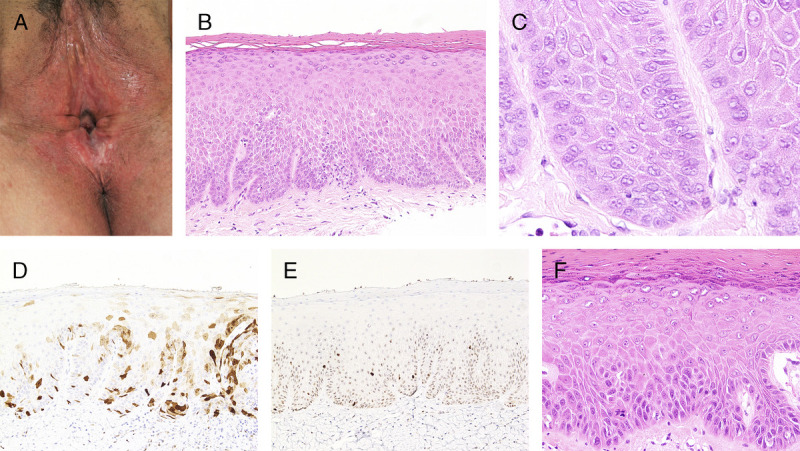
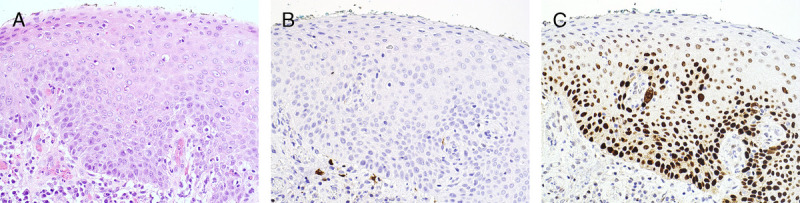
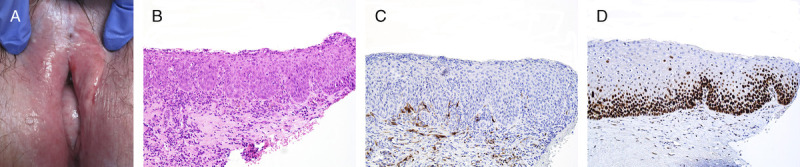
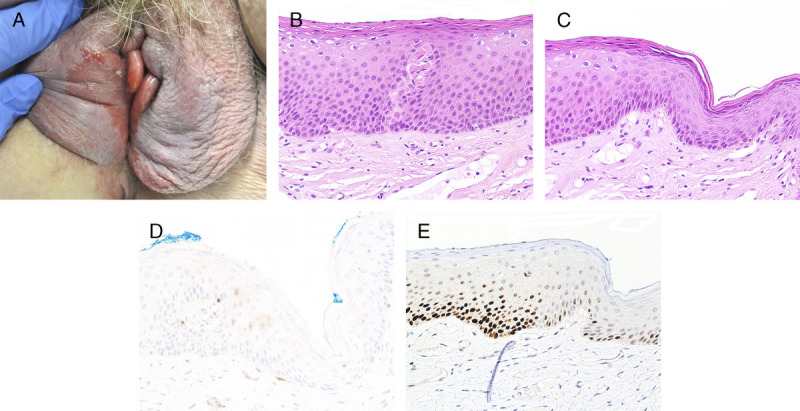
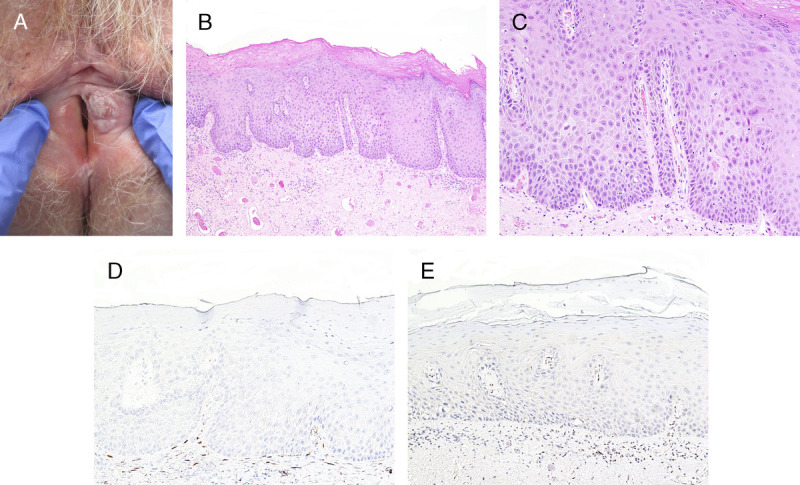
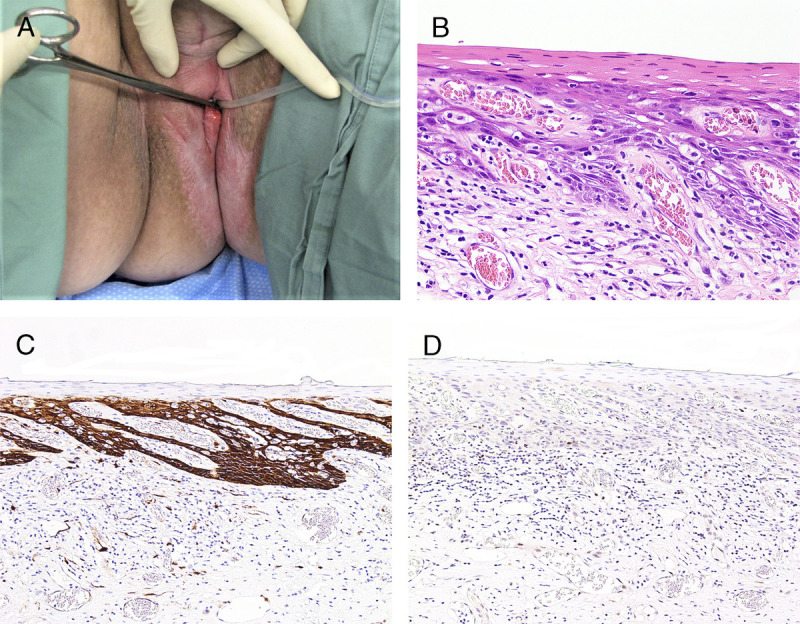
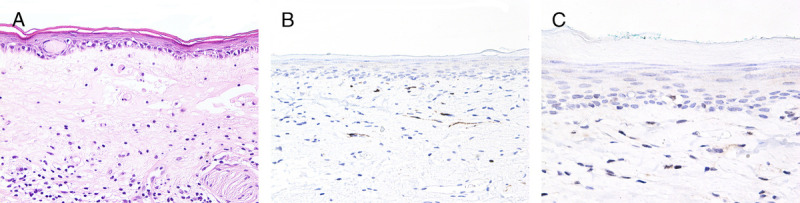
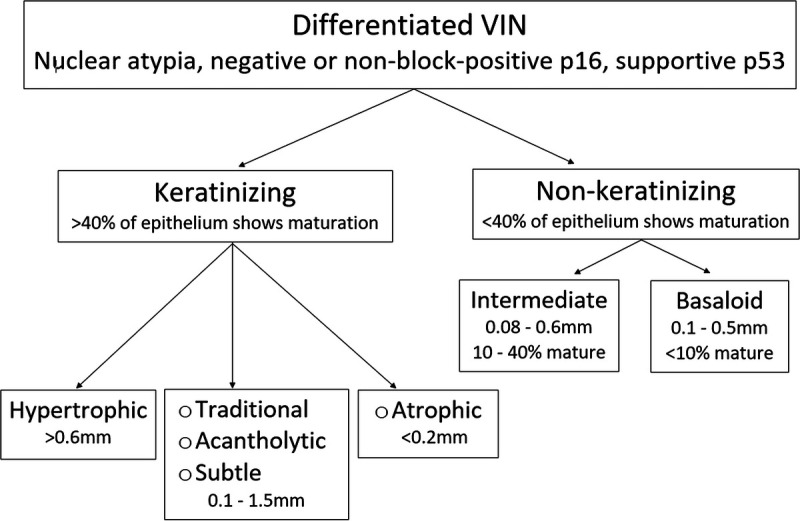
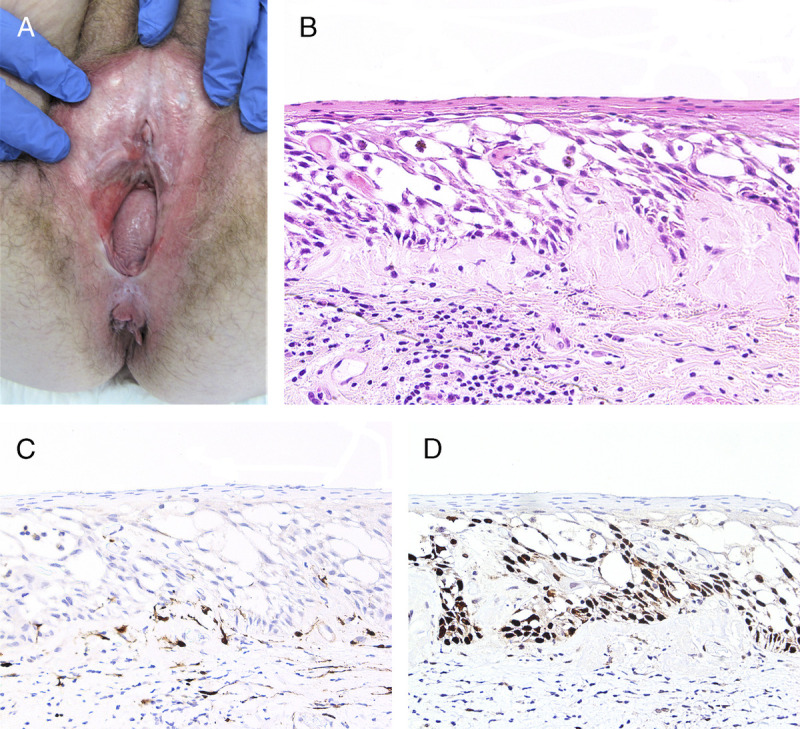
Differentiated vulvar intraepithelial neoplasia is the immediate precursor of human papillomavirus (HPV)-independent vulvar squamous cell carcinoma and shows a spectrum of clinical and microscopic appearances, some overlapping with HPV-related neoplasia. The histopathologic definition of dVIN is basal atypia combined with negative or nonblock-positive p16 and basal overexpressed, aberrant negative, or wild-type p53. The most common pattern of dVIN is keratinizing with acanthosis, aberrant rete ridge pattern, and premature maturation. The morphologic spectrum of keratinizing dVIN includes hypertrophic, atrophic, acantholytic, and subtle forms. A few dVIN cases are nonkeratinizing, with basaloid cells replacing more than 60% of epithelium. Vulvar aberrant maturation is an umbrella term for lesions with aberrant maturation that arise out of lichenoid dermatitis and lack the basal atypia required for dVIN.
Evaluation of women at risk for dVIN and VAM requires a collaborative approach by clinicians and pathologists experienced in vulvar disorders. Close surveillance of women with lichen sclerosus and use of these recommendations may assist in prevention of HPV-independent squamous cell carcinoma through detection and treatment of dVIN and VAM.
本研究旨在描述诊断分化型外阴上皮内瘤变(dVIN)和外阴异常成熟(VAM)所需的特征。
国际外阴阴道疾病研究学会责成困难病理诊断委员会制定外阴扁平苔藓、硬化性苔藓和 dVIN 的临床病理诊断共识建议。dVIN 亚组回顾了文献并制定了诊断标准,这些标准由委员会审查,然后由国际外阴阴道疾病研究学会成员批准。
分化型外阴上皮内瘤变是 HPV 独立外阴鳞状细胞癌的直接前体,表现出一系列临床和显微镜下表现,有些与 HPV 相关的肿瘤重叠。dVIN 的组织病理学定义是基底不典型,同时 p16 阴性或非阻断阳性和基底过度表达、异常阴性或野生型 p53。dVIN 最常见的模式是角化伴棘皮症、异常网状嵴模式和过早成熟。角化型 dVIN 的形态谱包括肥大、萎缩、棘层松解和细微形式。少数 dVIN 病例是非角化型,基底样细胞取代上皮的 60%以上。外阴异常成熟是一个伞状术语,用于描述起源于苔藓样皮炎且缺乏 dVIN 所需的基底不典型性的异常成熟病变。
评估患有 dVIN 和 VAM 风险的女性需要临床医生和熟悉外阴疾病的病理学家的协作方法。密切监测硬化性苔藓患者,并使用这些建议可能有助于通过检测和治疗 dVIN 和 VAM 来预防 HPV 独立的鳞状细胞癌。