Center for Cognitive and Brain Health, Department of Psychology, Northeastern University, 805 Columbus Ave, 670 ISEC, Boston, MA, 02115, USA.
Department of Psychology, University of Utah, 380 S. 1530 E. RM 502, Salt Lake City, UT, 84112, USA.
Cogn Res Princ Implic. 2020 Oct 27;5(1):51. doi: 10.1186/s41235-020-00247-0.
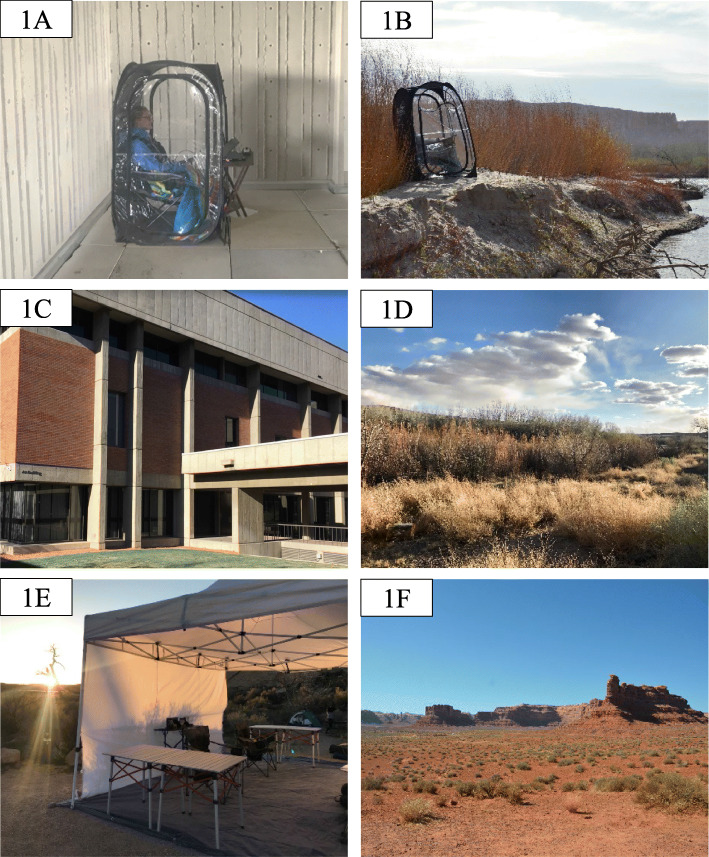
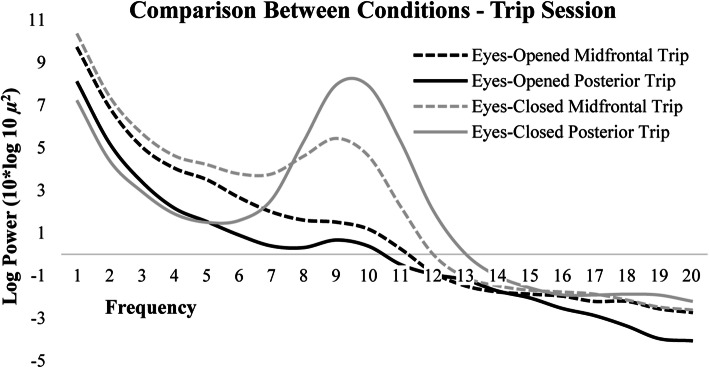
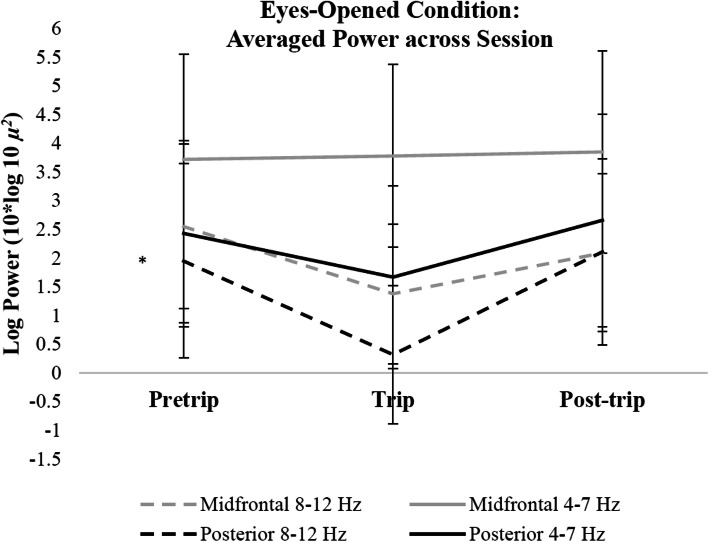
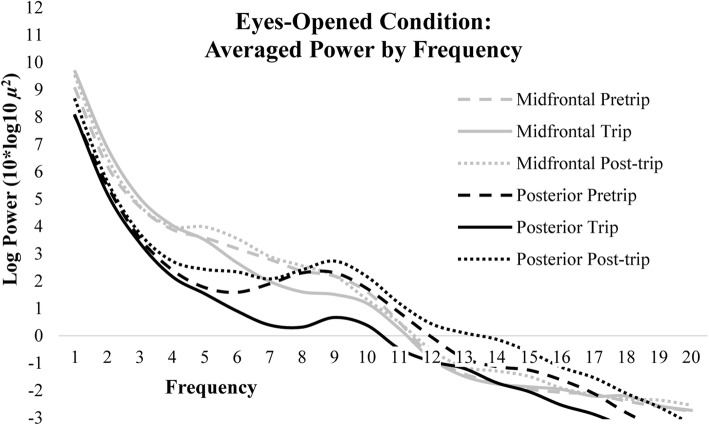
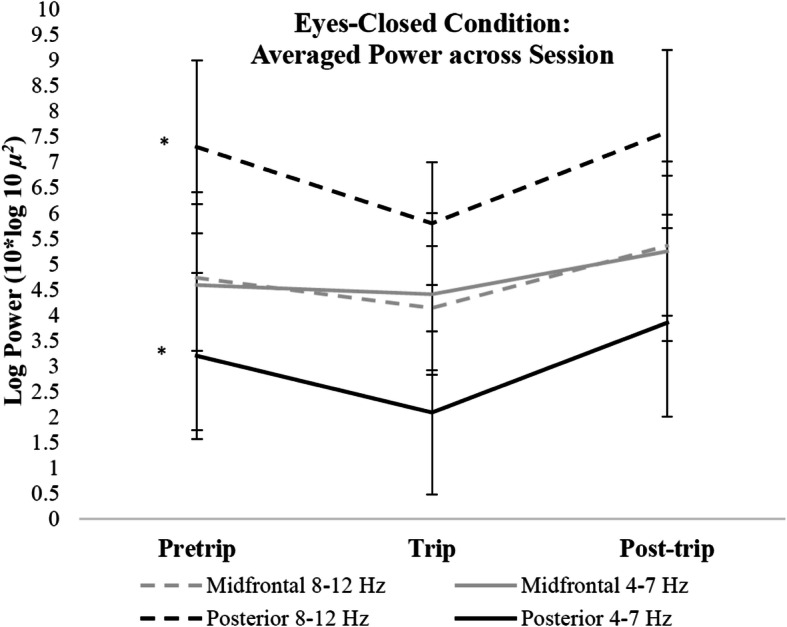
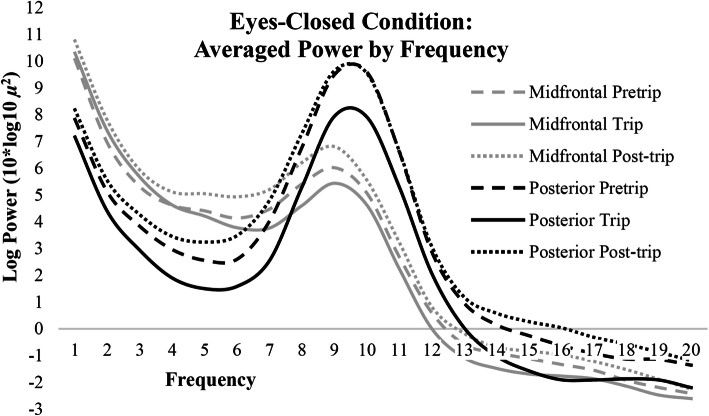
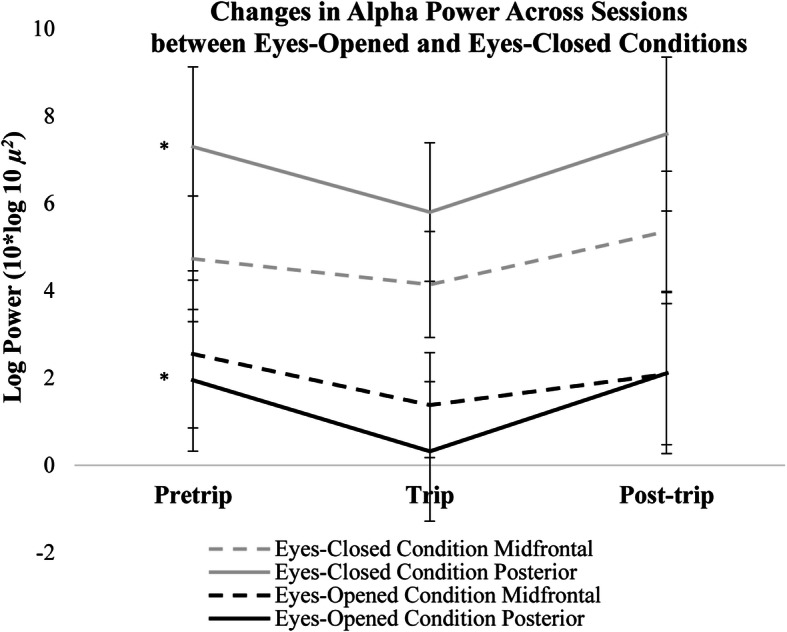
Exposure to environments that contain natural features can benefit mood, cognition, and physiological responses. Previous research proposed exposure to nature restores voluntary attention - attention that is directed towards a task through top down control. Voluntary attention is limited in capacity and depletes with use. Nature provides unique stimuli that do not require voluntary attention; therefore, the neural resources needed for attention to operate efficiently are theorized to restore when spending time in nature. Electroencephalography reflects changes in attention through fluctuations in power within specific frequencies. The current study (N = 29) measured changes in averaged resting state posterior alpha power before, during, and after a multiday nature exposure. Linear mixed-effects models revealed posterior alpha power was significantly lower during the nature exposure compared to pre-trip and post-trip testing, suggesting posterior alpha power may be a potential biomarker for differences related to exposure to natural and urban environments.
暴露在包含自然特征的环境中可以改善情绪、认知和生理反应。先前的研究提出,接触自然可以恢复自愿注意力——通过自上而下的控制来引导任务的注意力。自愿注意力的容量有限,随着使用而消耗。自然提供了不需要自愿注意力的独特刺激;因此,当人们在自然环境中度过时间时,理论上用于注意力高效运作的神经资源会得到恢复。脑电图通过特定频率内的功率波动反映注意力的变化。本研究(N=29)测量了多天自然暴露前后及期间静息状态后阿尔法功率的平均变化。线性混合效应模型显示,与旅行前和旅行后测试相比,自然暴露期间的后阿尔法功率显著降低,这表明后阿尔法功率可能是与暴露于自然和城市环境相关差异的潜在生物标志物。