Wang Michelle Y, Brewer Ryan, Sadun Alfredo A
Department of Ophthalmology, Southern California Permanente Medical Group, Los Angeles, California, USA.
San Antonio Health Science Center and San Antonio Uniformed Services Health Education Consortium, University of Texas, Austin, Texas, USA.
Taiwan J Ophthalmol. 2020 Sep 11;10(3):167-173. doi: 10.4103/tjo.tjo_41_20. eCollection 2020 Jul-Sep.
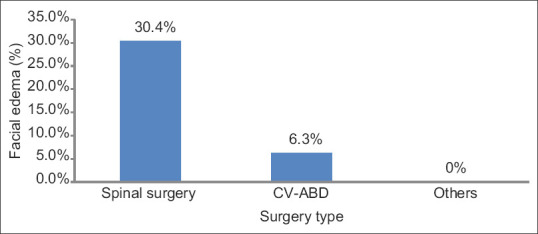
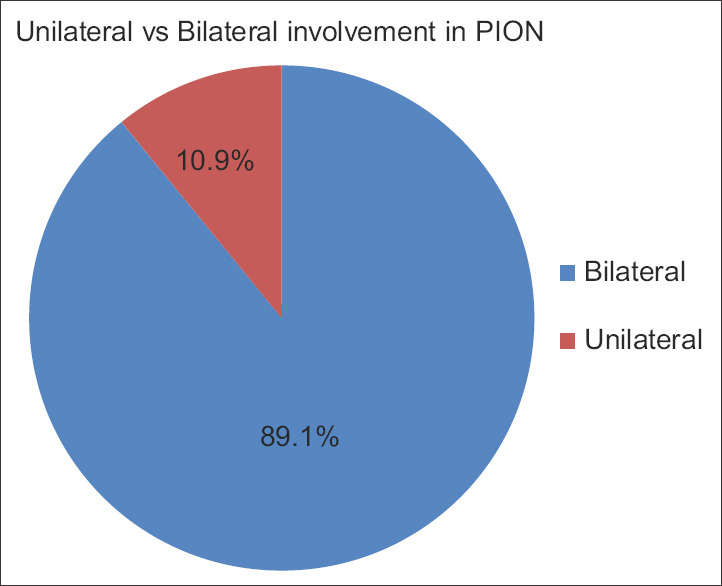
Perioperative posterior ischemic optic neuropathy (PION) is a rare but devastating condition. Visual impairment is commonly bilateral, profound, and irreversible. The most frequently associated triggering events are spine surgeries, other orthopedic surgeries, cardiac bypass surgeries, and radical neck dissection. The etiology is multifactorial. The most commonly reported risk factors are severe and prolonged hypotension, anemia, hemodilution, orbital and periorbital edema, direct orbital compression by prone position, and abnormal autoregulation. This review discusses the current literature on perioperative PION and includes a study conducted by our group to investigate the perioperative risk factors of PION in order to better understand the pathogenesis and help identify high-risk patients. Our results provide further corroborating evidence that PION is associated with spinal, cardiovascular, and abdominal surgeries, longer duration of procedure, and facial edema. Anemia and chronic hypertension are frequent risk factors. Treatment for perioperative PION is uncertain and depends largely on the immediate reversal of hemodynamic alterations. Hence, it is important to identify patients at risk and accordingly take prophylactic measures to prevent its occurrence. Optimizing hemoglobin levels, hemodynamic status, and tissue oxygenation is crucial.
围手术期后部缺血性视神经病变(PION)是一种罕见但极具破坏性的疾病。视力损害通常是双侧的、严重的且不可逆的。最常相关的触发事件是脊柱手术、其他骨科手术、心脏搭桥手术和根治性颈清扫术。其病因是多因素的。最常报道的危险因素是严重且持续的低血压、贫血、血液稀释、眼眶及眶周水肿、俯卧位导致的直接眼眶压迫以及异常的自动调节。本综述讨论了围手术期PION的当前文献,并纳入了我们团队进行的一项研究,以调查PION的围手术期危险因素,以便更好地理解其发病机制并帮助识别高危患者。我们的结果提供了进一步的确证证据,表明PION与脊柱、心血管和腹部手术、更长的手术时间以及面部水肿有关。贫血和慢性高血压是常见的危险因素。围手术期PION的治疗尚不确定,很大程度上取决于血流动力学改变的即刻逆转。因此,识别高危患者并相应地采取预防措施以防止其发生非常重要。优化血红蛋白水平、血流动力学状态和组织氧合至关重要。