Division of Life Science, State Key Laboratory of Molecular Neuroscience and Molecular Neuroscience Center, The Hong Kong University of Science and Technology, Clear Water Bay, Hong Kong, China.
Hong Kong Center for Neurodegenerative Diseases, Hong Kong Science Park, Hong Kong, China.
Sci Rep. 2020 Oct 30;10(1):18746. doi: 10.1038/s41598-020-75264-6.
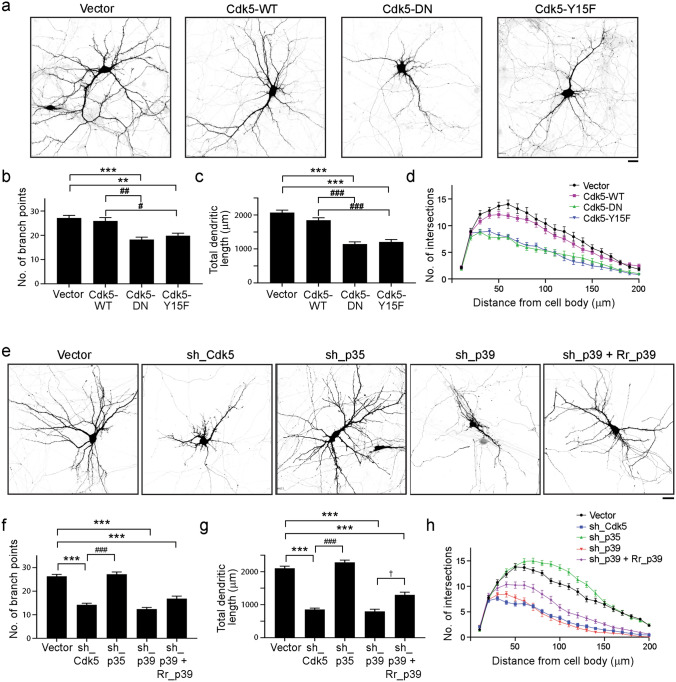
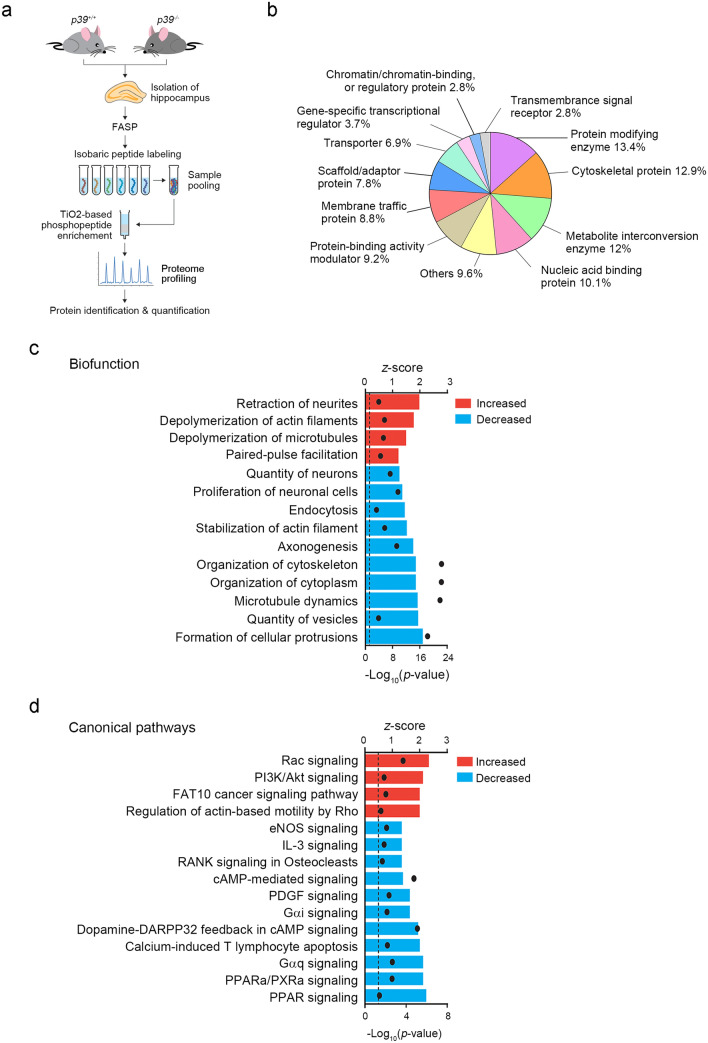
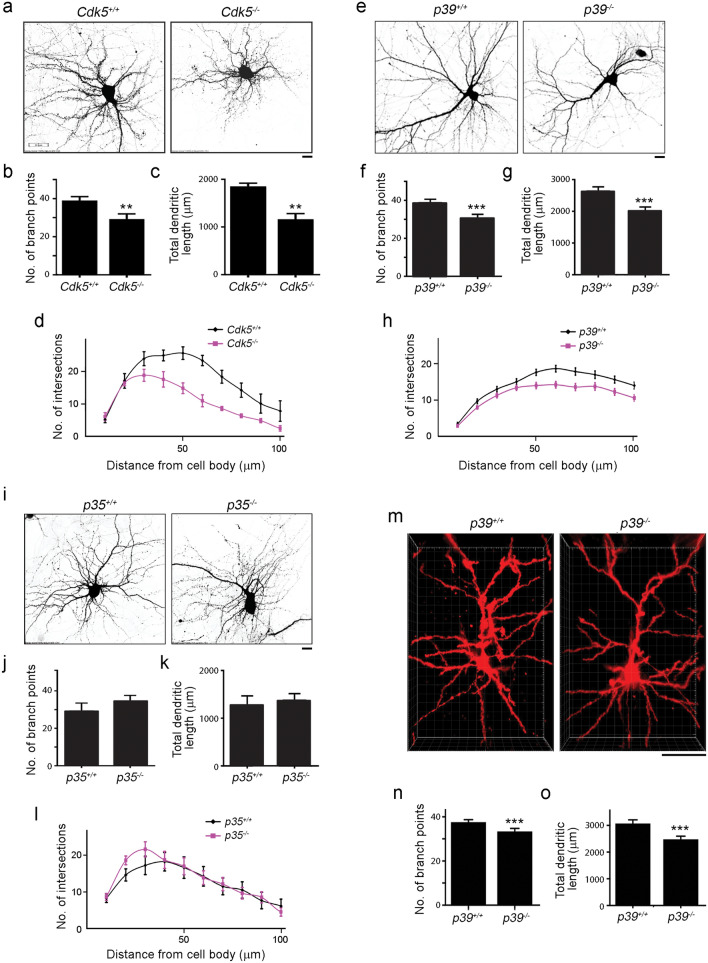
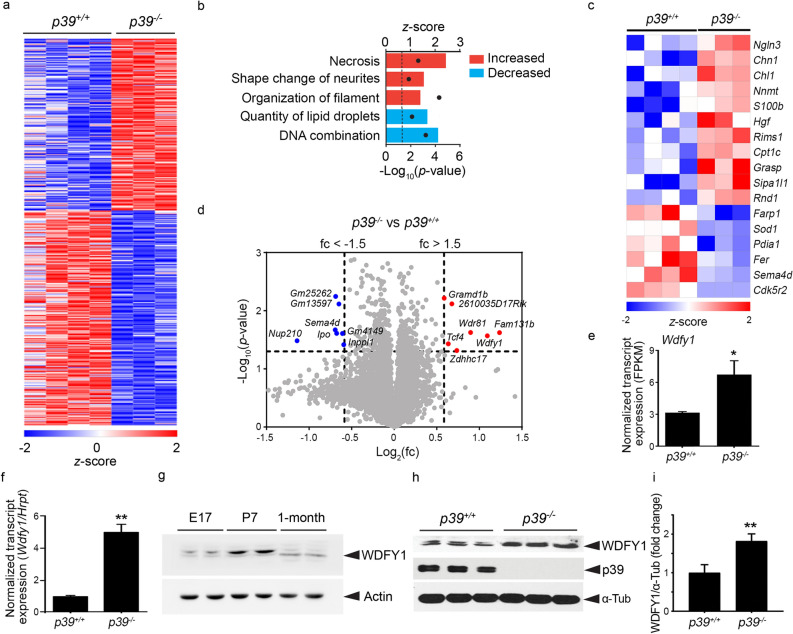
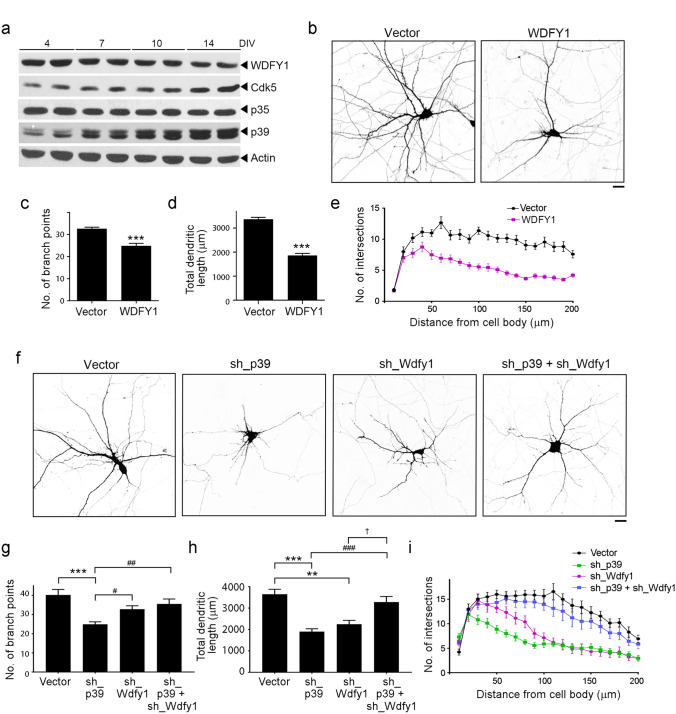
Dendrites, branched structures extending from neuronal cell soma, are specialized for processing information from other neurons. The morphogenesis of dendritic structures is spatiotemporally regulated by well-orchestrated signaling cascades. Dysregulation of these processes impacts the wiring of neuronal circuit and efficacy of neurotransmission, which contribute to the pathogeneses of neurological disorders. While Cdk5 (cyclin-dependent kinase 5) plays a critical role in neuronal dendritic development, its underlying molecular control is not fully understood. In this study, we show that p39, one of the two neuronal Cdk5 activators, is a key regulator of dendritic morphogenesis. Pyramidal neurons deficient in p39 exhibit aberrant dendritic morphology characterized by shorter length and reduced arborization, which is comparable to dendrites in Cdk5-deficient neurons. RNA sequencing analysis shows that the adaptor protein, WDFY1 (WD repeat and FYVE domain-containing 1), acts downstream of Cdk5/p39 to regulate dendritic morphogenesis. While WDFY1 is elevated in p39-deficient neurons, suppressing its expression rescues the impaired dendritic arborization. Further phosphoproteomic analysis suggests that Cdk5/p39 mediates dendritic morphogenesis by modulating various downstream signaling pathways, including PI3K/Akt-, cAMP-, or small GTPase-mediated signaling transduction pathways, thereby regulating cytoskeletal organization, protein synthesis, and protein trafficking.
树突是从神经元细胞体延伸出的分支结构,专门用于处理来自其他神经元的信息。树突结构的形态发生是由精心协调的信号级联在时空上调节的。这些过程的失调会影响神经元回路的布线和神经递质传递的效率,从而导致神经紊乱的发病机制。虽然 Cdk5(周期蛋白依赖性激酶 5)在神经元树突发育中起着关键作用,但它的潜在分子调控机制尚不完全清楚。在这项研究中,我们表明,p39 是两种神经元 Cdk5 激活剂之一,是树突形态发生的关键调节剂。p39 缺失的锥体神经元表现出异常的树突形态,特征为长度较短和分支减少,这与 Cdk5 缺失神经元中的树突相似。RNA 测序分析表明,衔接蛋白 WDFY1(WD 重复和 FYVE 结构域包含 1)作为 Cdk5/p39 的下游因子,调节树突形态发生。虽然 p39 缺失神经元中 WDFY1 水平升高,但抑制其表达可挽救受损的树突分支。进一步的磷酸化蛋白质组学分析表明,Cdk5/p39 通过调节各种下游信号通路来介导树突形态发生,包括 PI3K/Akt-、cAMP-或小 GTPase 介导的信号转导通路,从而调节细胞骨架组织、蛋白质合成和蛋白质运输。