Faculty of Engineering and Physical Sciences, University of Southampton, University Road, SO17 1BJ Southampton, UK.
Department of Chemistry, Biology and Biotechnology, University of Perugia, Perugia, Italy.
Sci Total Environ. 2021 Apr 1;763:143010. doi: 10.1016/j.scitotenv.2020.143010. Epub 2020 Oct 19.
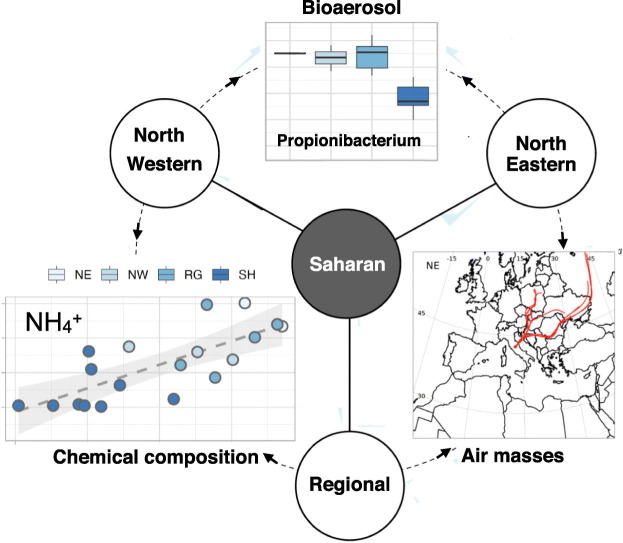
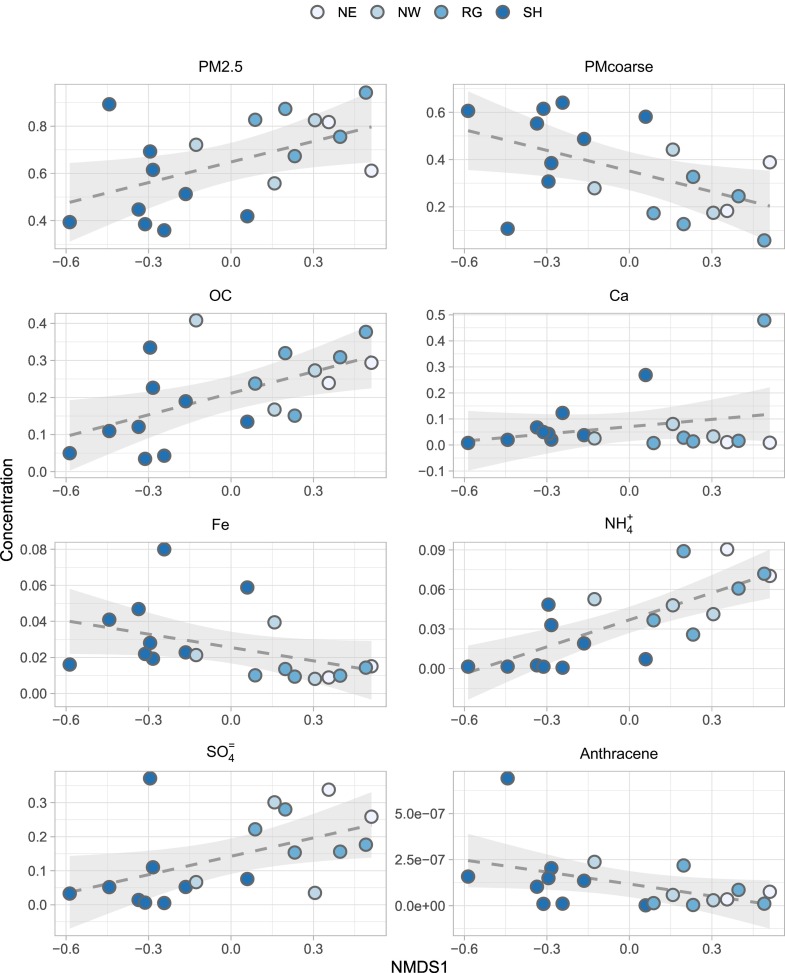
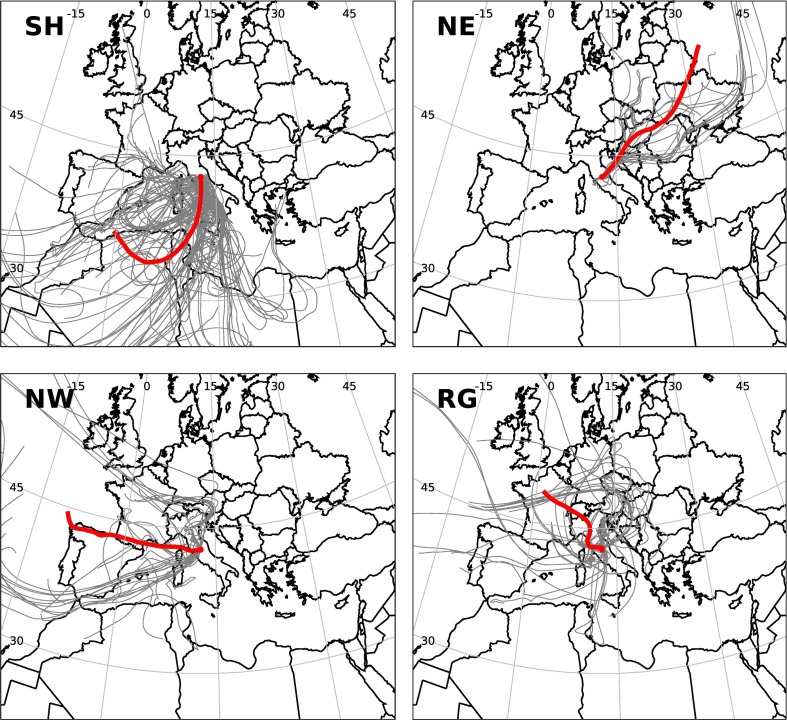
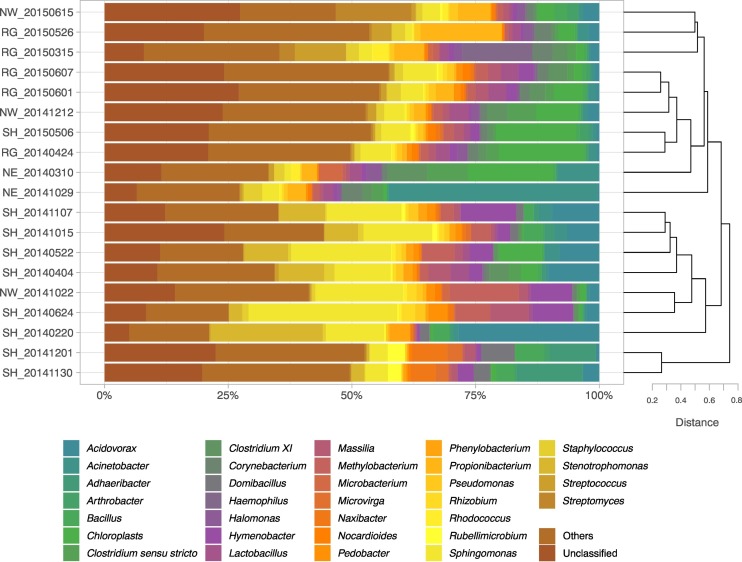
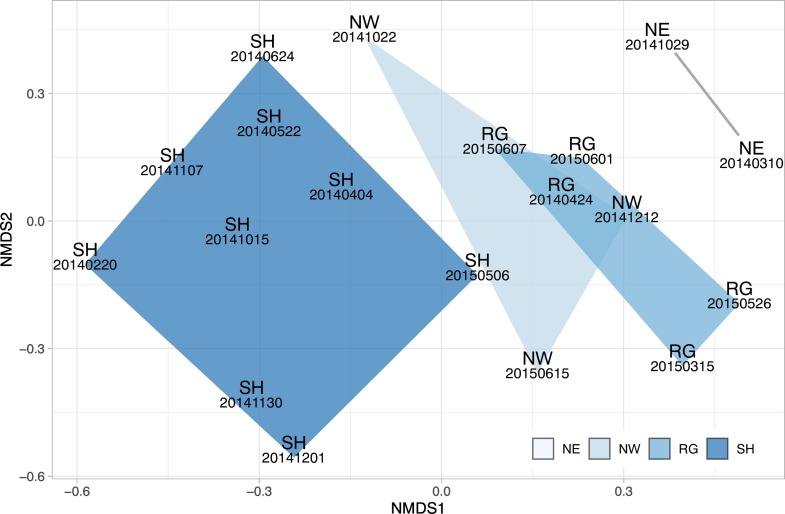
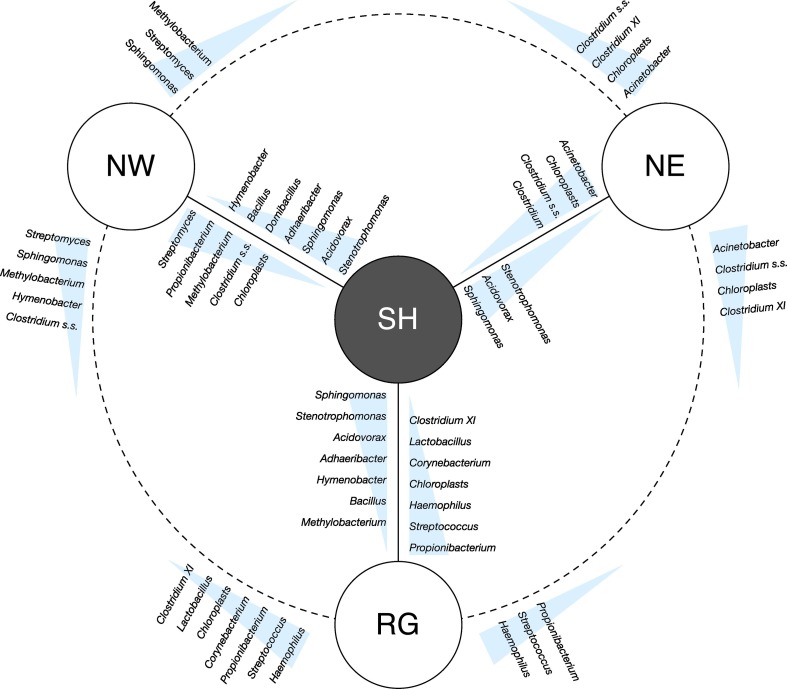
Airborne bacteria were characterized over a 2-y period via high-throughput massive sequencing of 16S rRNA gene in aerosol samples collected at a background mountain European Monitoring and Evaluation Programme (EMEP) Network site (Monte Martano, Italy) located in the Central Mediterranean area. The air mass origin of nineteen samples was identified by air mass modelling and a detailed chemical analysis was performed. Four main origins (Saharan, North-western, North-eastern, and Regional) were identified, and distinct microbial communities were associated with these air masses. Samples featured a great bacterial diversity with Protobacteria being the most abundant phylum, and Sphingomonas followed by Acidovorax, Acinetobacter and Stenotrophomonas the most abundant genera of the dataset. Bacterial genera including potential human and animal pathogens were more abundant in European and in Regional samples compared to Saharan samples; this stressed the relevance of anthropic impact on bacterial populations transported by air masses that cross densely populated areas. The principal aerosol chemical characteristics and the airborne bacterial communities were correlated by cluster analysis, similarity tests and non-metric multidimensional scaling analysis, explaining most of the variability observed. However, the strong correlation between bacterial community structure and air mass origin hampered the possibility to disentangle the effects of variations in bacterial populations and in dust provenance on variations in chemical variables.
在意大利中地中海地区的欧洲监测和评估计划(EMEP)网络背景山站点(Monte Martano)采集气溶胶样本,通过高通量 16S rRNA 基因测序,对 2 年期间的空气传播细菌进行了特征描述。利用大气团建模确定了 19 个样本的大气团起源,并进行了详细的化学分析。确定了四个主要起源(撒哈拉、西北、东北和区域),并发现这些大气团与不同的微生物群落有关。样本具有丰富的细菌多样性,原核生物是最丰富的门,鞘氨醇单胞菌紧随其后,其次是食酸菌属、不动杆菌属和寡养单胞菌属。与撒哈拉样本相比,数据集包括潜在的人类和动物病原体的细菌属在欧洲和区域样本中更为丰富;这强调了人为影响对跨人口稠密地区运输的大气团中细菌种群的重要性。通过聚类分析、相似性检验和非度量多维标度分析对主要气溶胶化学特征和空气传播细菌群落进行了相关性分析,解释了大部分观察到的变异性。然而,细菌群落结构与大气团起源之间的强相关性阻碍了区分细菌种群和尘埃来源变化对化学变量变化的影响的可能性。