Division of Nephrology, Xin Hua Hospital Affiliated to Shanghai Jiao Tong University School of Medicine, Shanghai, China; Department of Pathology, Microbiology, and Immunology, Vanderbilt University Medical Center, Nashville, Tennessee, USA.
Department of Pathology, Microbiology, and Immunology, Vanderbilt University Medical Center, Nashville, Tennessee, USA; Division of Nephrology, Yonsei University Wonju College of Medicine, Wonju, Gangwon, South Korea.
Kidney Int. 2021 Mar;99(3):620-631. doi: 10.1016/j.kint.2020.09.031. Epub 2020 Nov 1.
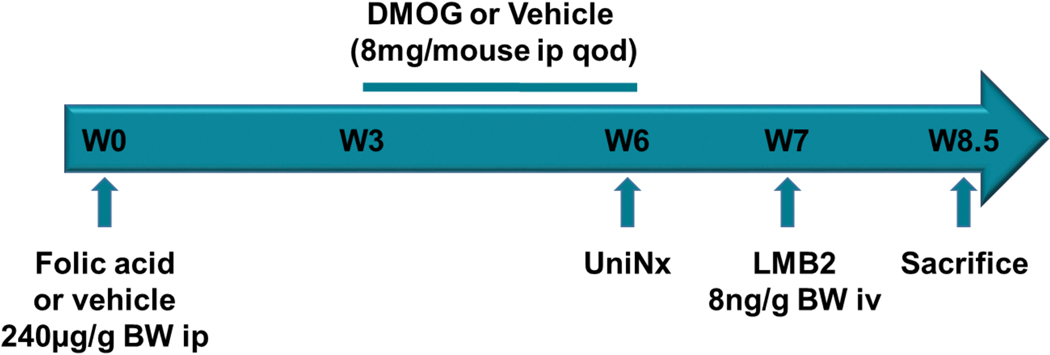
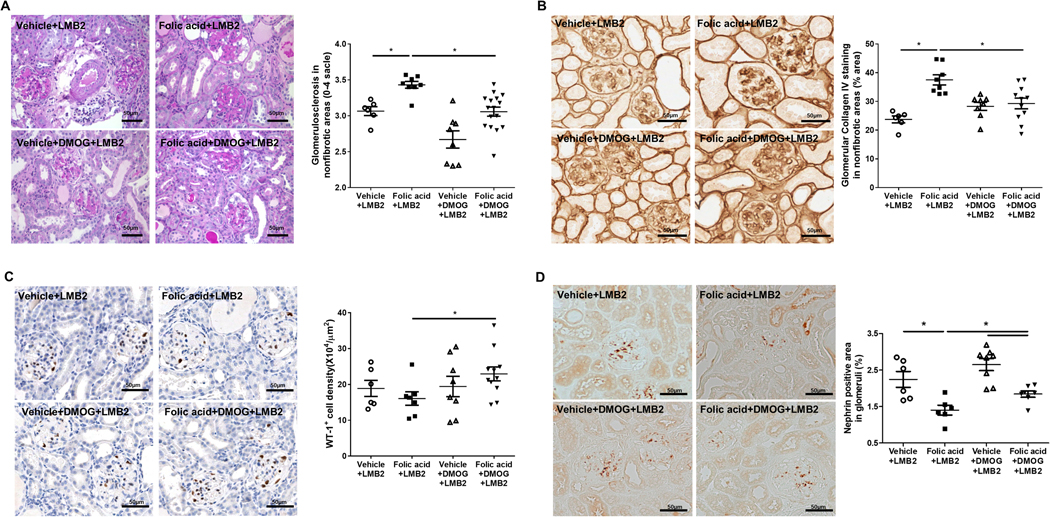
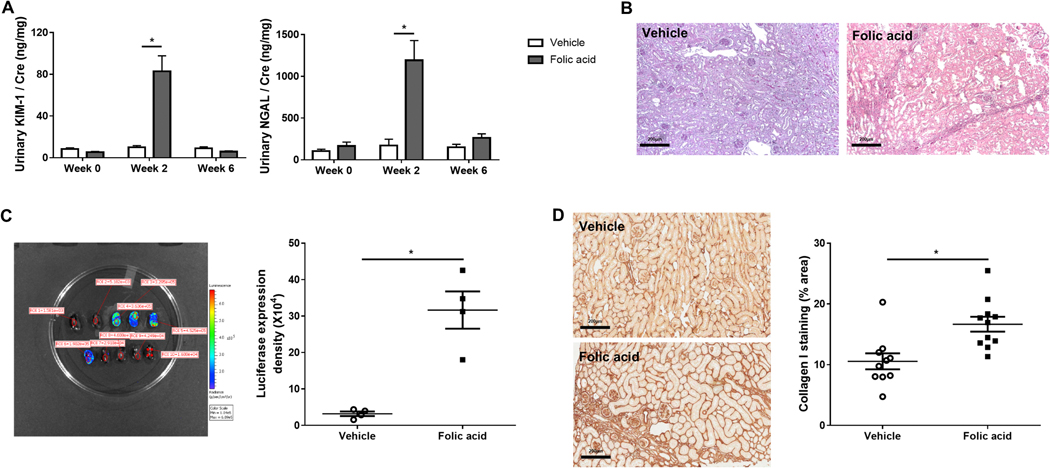
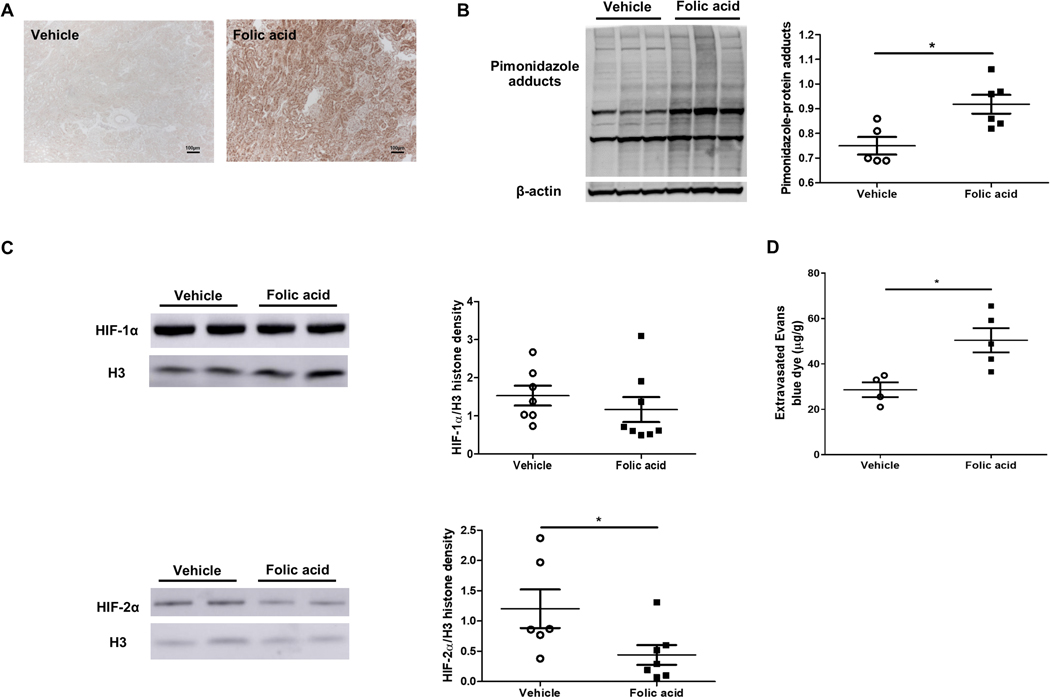
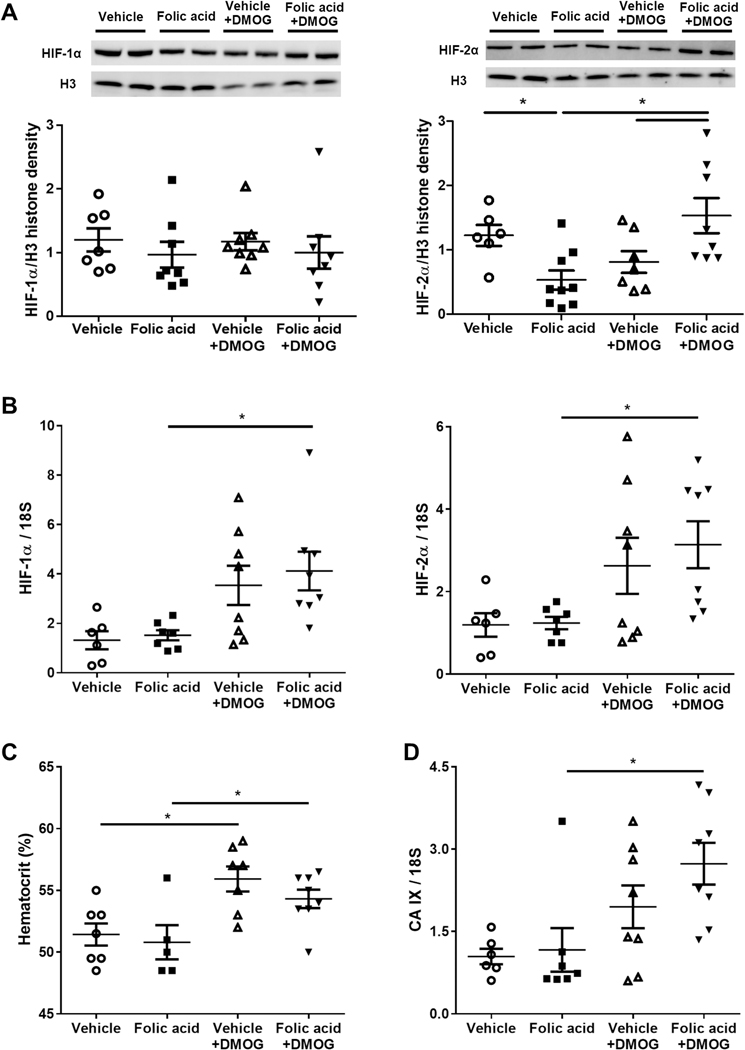
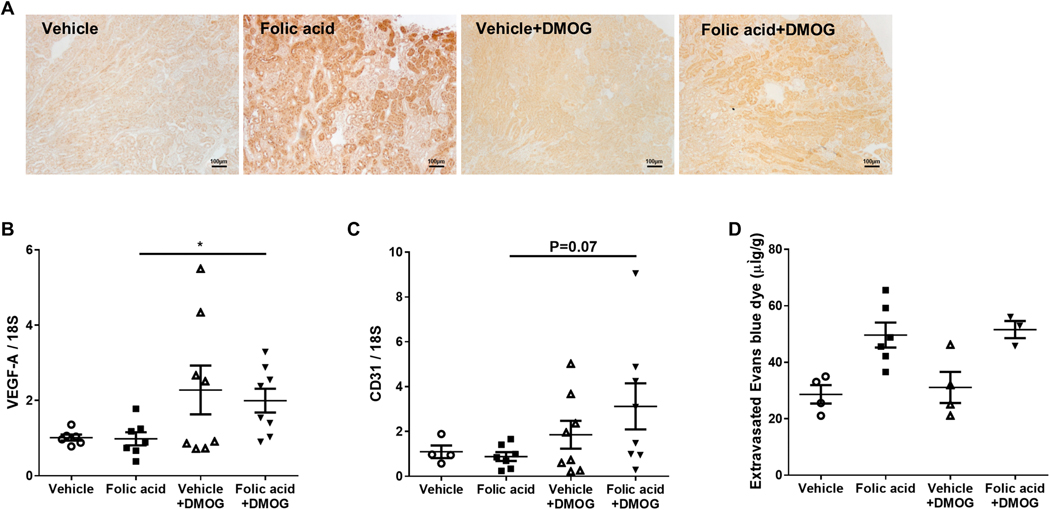
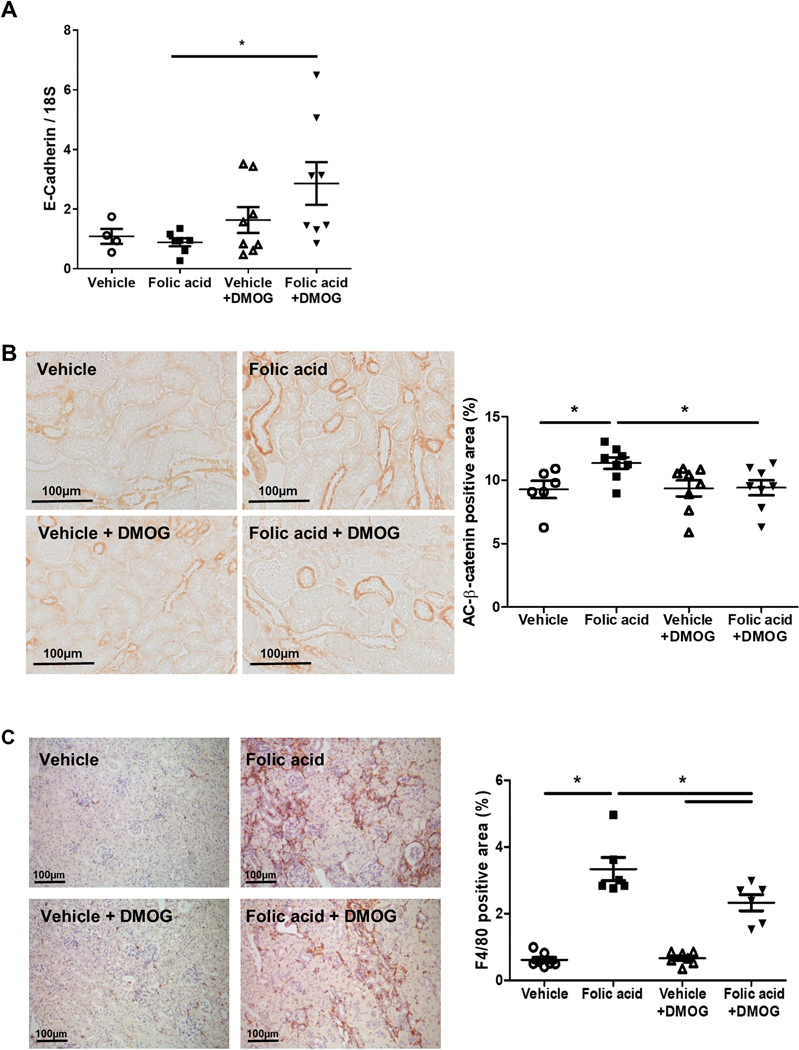
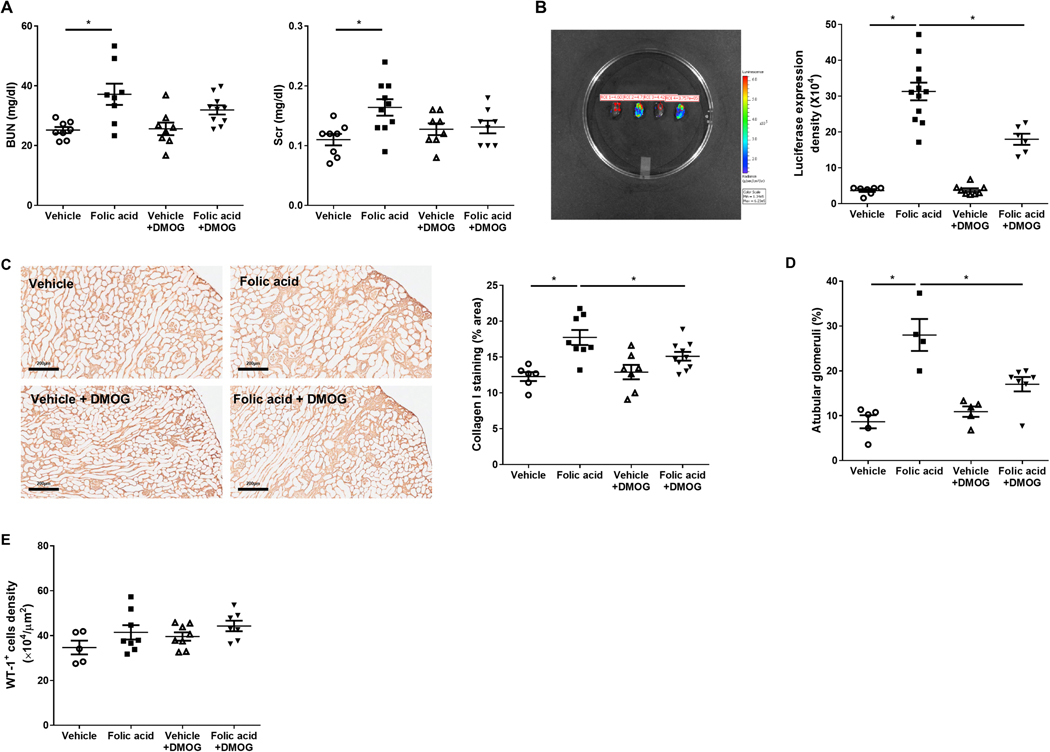
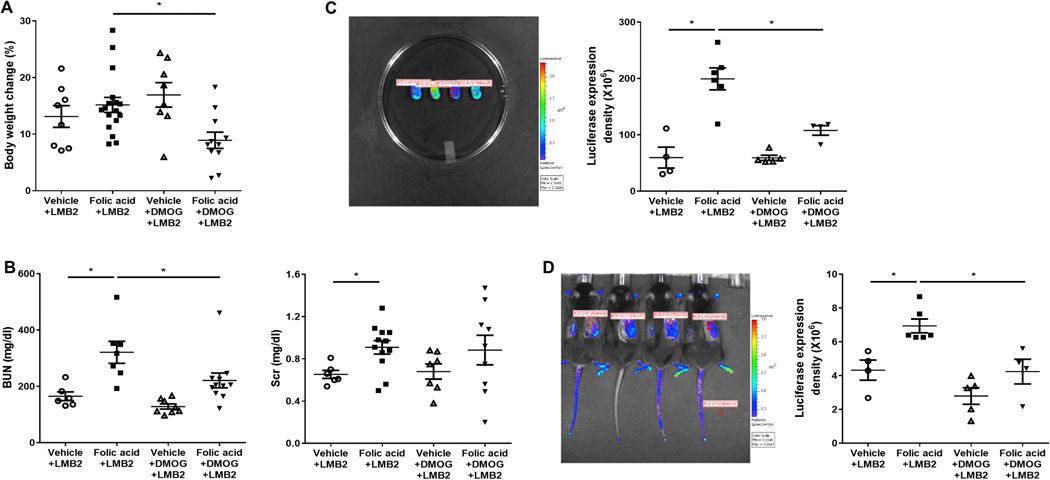
Previously, we found that mild tubulointerstitial injury sensitizes glomeruli to subsequent injury. Here, we evaluated whether stabilization of hypoxia-inducible factor-α (HIF-α), a key regulator of tissue response to hypoxia, ameliorates tubulointerstitial injury and impact on subsequent glomerular injury. Nep25 mice, which express the human CD25 receptor on podocytes under control of the nephrin promotor and develop glomerulosclerosis when a specific toxin is administered were used. Tubulointerstitial injury, evident by week two, was induced by folic acid, and mice were treated with an HIF stabilizer, dimethyloxalylglycine or vehicle from week three to six. Uninephrectomy at week six assessed tubulointerstitial fibrosis. Glomerular injury was induced by podocyte toxin at week seven, and mice were sacrificed ten days later. At week six tubular injury markers normalized but with patchy collagen I and interstitial fibrosis. Pimonidazole staining, a hypoxia marker, was increased by folic acid treatment compared to vehicle while dimethyloxalylglycine stimulated HIF-2α expression and attenuated tubulointerstitial hypoxia. The hematocrit was increased by dimethyloxalylglycine along with downstream effectors of HIF. Tubular epithelial cell injury, inflammation and interstitial fibrosis were improved after dimethyloxalylglycine, with further reduced mortality, interstitial fibrosis, and glomerulosclerosis induced by specific podocyte injury. Thus, our findings indicate that hypoxia contributes to tubular injury and consequent sensitization of glomeruli to injury. Hence, restoring HIFs may blunt this adverse crosstalk of tubules to glomeruli.
先前,我们发现轻度的肾小管间质损伤会使肾小球对随后的损伤敏感。在这里,我们评估了缺氧诱导因子-α(HIF-α)的稳定化是否改善肾小管间质损伤并影响随后的肾小球损伤。我们使用了 Nep25 小鼠,这些小鼠在 podocyte 上表达人类 CD25 受体,在给予特定毒素时会发展为肾小球硬化。用叶酸诱导肾小管间质损伤,在第 2 周即可观察到,从第 3 周到第 6 周,用 HIF 稳定剂二甲草酰甘氨酸或载体治疗小鼠。第 6 周行单侧肾切除术评估肾小管间质纤维化。第 7 周用 podocyte 毒素诱导肾小球损伤,10 天后处死小鼠。第 6 周时,肾小管损伤标志物恢复正常,但存在斑片状胶原 I 和间质纤维化。与载体相比,叶酸处理增加了缺氧标记物 pimonidazole 染色,而二甲草酰甘氨酸刺激 HIF-2α 表达并减轻肾小管间质缺氧。二甲草酰甘氨酸增加了红细胞压积,同时也增加了 HIF 的下游效应物。用二甲草酰甘氨酸治疗后,肾小管上皮细胞损伤、炎症和间质纤维化得到改善,用特定的 podocyte 损伤诱导的死亡率、间质纤维化和肾小球硬化进一步降低。因此,我们的研究结果表明,缺氧导致肾小管损伤,继而使肾小球对损伤敏感。因此,恢复 HIF 可能会减轻肾小管对肾小球的这种不利串扰。