Biotechnology Department, University of Verona, Verona, Italy.
Department for Sustainable Food Process, University Cattolica del Sacro Cuore, Piacenza, Italy.
Sci Rep. 2020 Nov 2;10(1):18839. doi: 10.1038/s41598-020-75317-w.
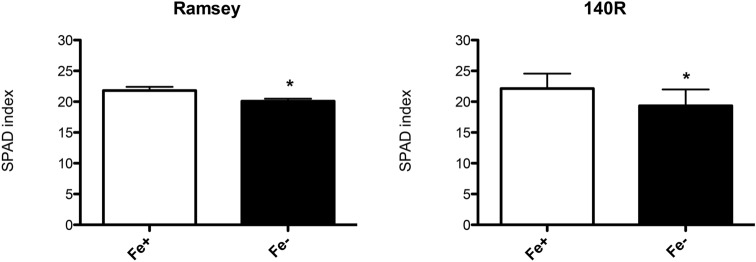
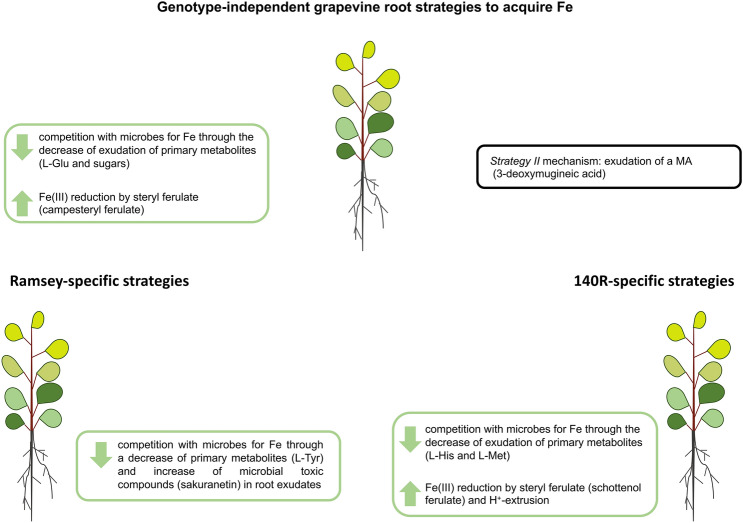
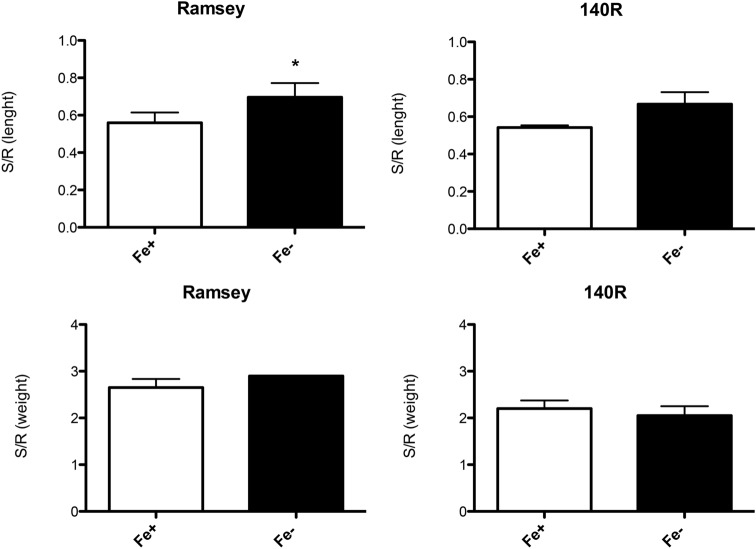
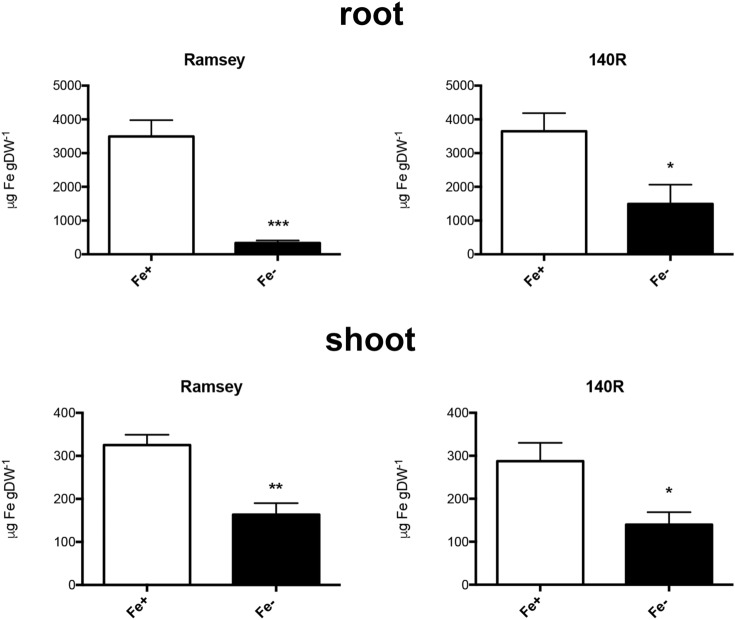
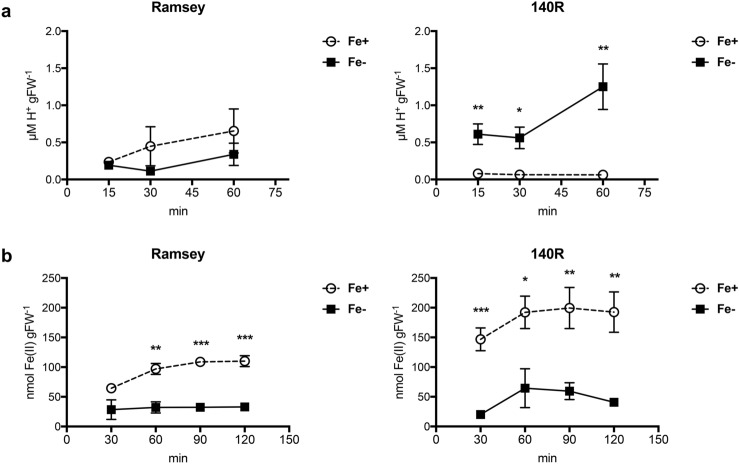
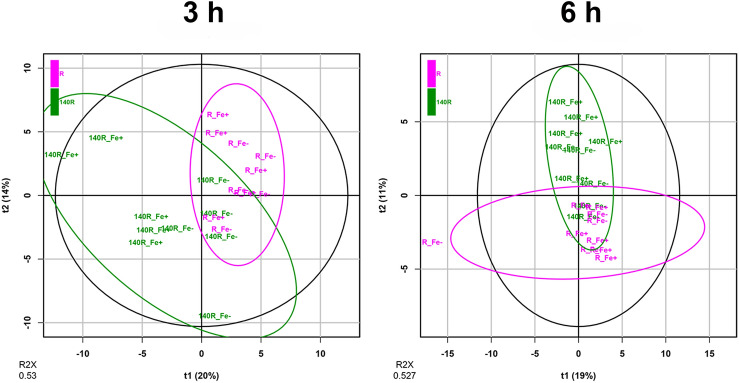
In several cultivation areas, grapevine can suffer from Fe chlorosis due to the calcareous and alkaline nature of soils. This plant species has been described to cope with Fe deficiency by activating Strategy I mechanisms, hence increasing root H extrusion and ferric-chelate reductase activity. The degree of tolerance exhibited by the rootstocks has been reported to depend on both reactions, but to date, little emphasis has been given to the role played by root exudate extrusion. We studied the behaviour of two hydroponically-grown, tolerant grapevine rootstocks (Ramsey and 140R) in response to Fe deficiency. Under these experimental conditions, the two varieties displayed differences in their ability to modulate morpho-physiological parameters, root acidification and ferric chelate reductase activity. The metabolic profiling of root exudates revealed common strategies for Fe acquisition, including ones targeted at reducing microbial competition for this micronutrient by limiting the exudation of amino acids and sugars and increasing instead that of Fe(III)-reducing compounds. Other modifications in exudate composition hint that the two rootstocks cope with Fe shortage via specific adjustments of their exudation patterns. Furthermore, the presence of 3-hydroxymugenic acid in these compounds suggests that the responses of grapevine to Fe availability are rather diverse and much more complex than those usually described for Strategy I plants.
在一些种植区,由于土壤的石灰性和碱性,葡萄可能会遭受铁失绿症。该植物物种已被描述为通过激活策略 I 机制来应对铁缺乏,从而增加根 H 外排和铁螯合物还原酶活性。砧木的耐受力程度据报道取决于这两种反应,但迄今为止,人们对根分泌物外排所起的作用重视不够。我们研究了两种在水培条件下生长的耐缺铁葡萄砧木(拉姆齐和 140R)对缺铁的反应。在这些实验条件下,这两个品种在调节形态生理参数、根酸化和铁螯合物还原酶活性方面表现出不同的能力。根分泌物的代谢组学分析揭示了共同的铁获取策略,包括通过限制氨基酸和糖的分泌和增加铁(III)还原化合物的分泌来限制微生物对这种微量元素的竞争的策略。分泌物组成的其他变化表明,这两个砧木通过特定的分泌物模式调整来应对铁短缺。此外,这些化合物中存在 3-羟基育亨宾酸表明,葡萄对铁供应的反应比通常描述的策略 I 植物更为多样和复杂。