Department of Pharmacology and Experimental Therapeutics, Louisiana State University Health Sciences Center, New Orleans, Louisiana, USA.
Department of Pharmacology and Experimental Therapeutics, Louisiana State University Health Sciences Center, New Orleans, Louisiana, USA.
J Biol Chem. 2021 Jan-Jun;296:100030. doi: 10.1074/jbc.RA120.015911. Epub 2020 Nov 22.
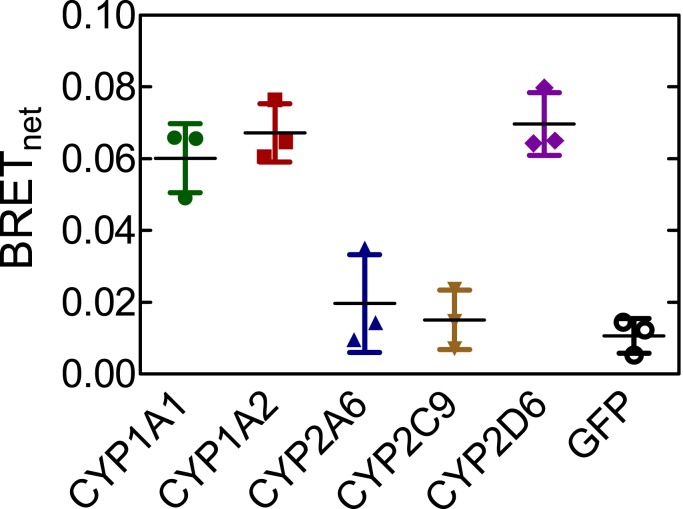
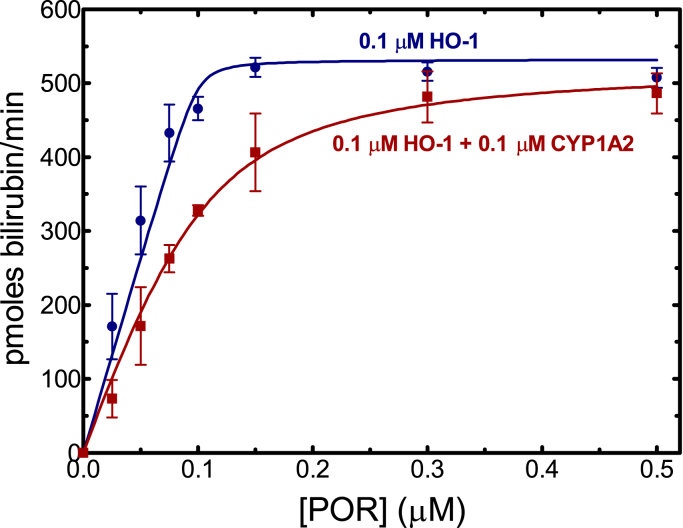
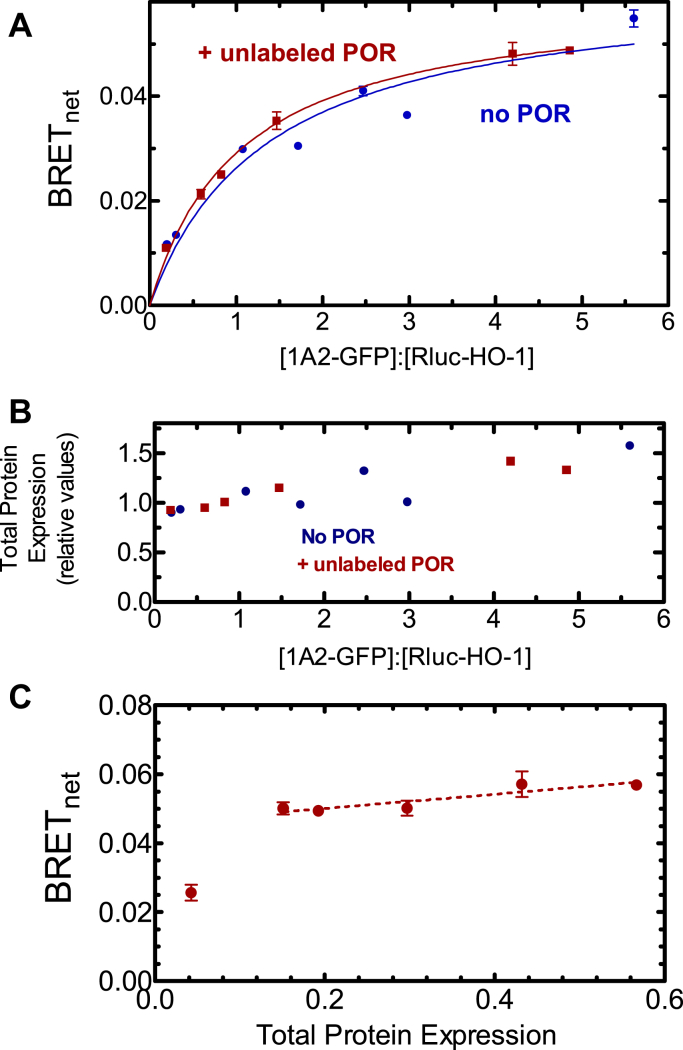
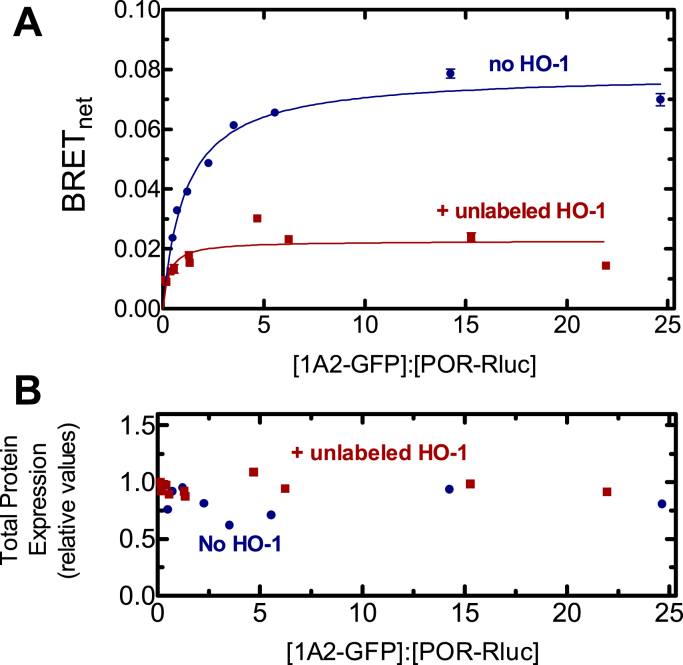
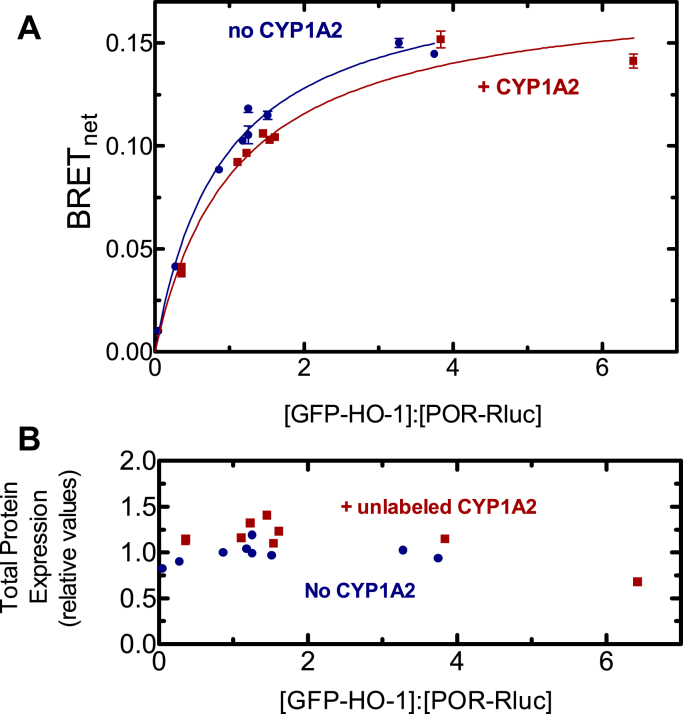
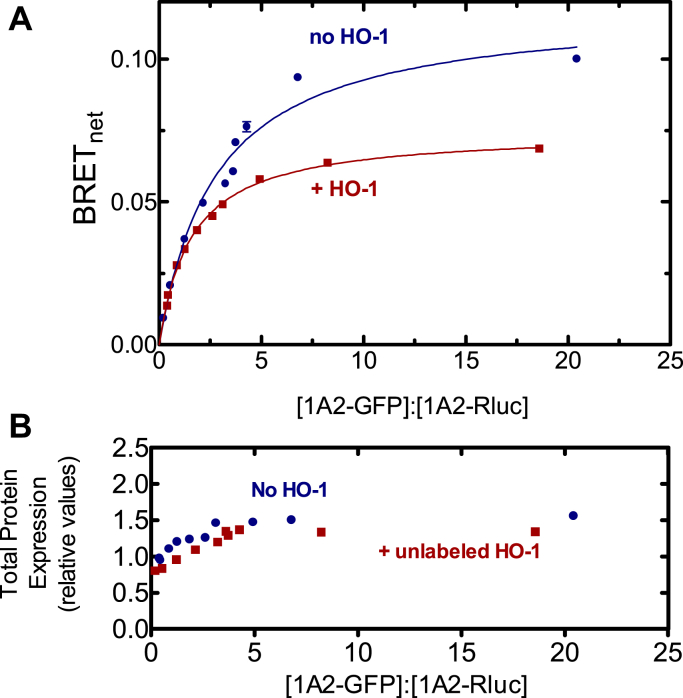
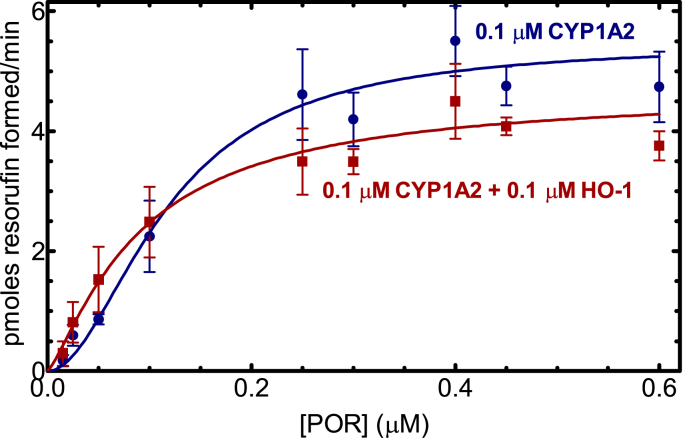
Heme oxygenase 1 (HO-1) and the cytochromes P450 (P450s) are endoplasmic reticulum-bound enzymes that rely on the same protein, NADPH-cytochrome P450 reductase (POR), to provide the electrons necessary for substrate metabolism. Although the HO-1 and P450 systems are interconnected owing to their common electron donor, they generally have been studied separately. As the expressions of both HO-1 and P450s are affected by xenobiotic exposure, changes in HO-1 expression can potentially affect P450 function and, conversely, changes in P450 expression can influence HO-1. The goal of this study was to examine interactions between the P450 and HO-1 systems. Using bioluminescence resonance energy transfer (BRET), HO-1 formed HO-1•P450 complexes with CYP1A2, CYP1A1, and CYP2D6, but not all P450s. Studies then focused on the HO-1-CYP1A2 interaction. CYP1A2 formed a physical complex with HO-1 that was stable in the presence of POR. As expected, both HO-1 and CYP1A2 formed BRET-detectable complexes with POR. The POR•CYP1A2 complex was readily disrupted by the addition of HO-1, whereas the POR•HO-1 complex was not significantly affected by the addition of CYP1A2. Interestingly, enzyme activities did not follow this pattern. BRET data suggested substantial inhibition of CYP1A2-mediated 7-ethoxyresorufin de-ethylation in the presence of HO-1, whereas its activity was actually stimulated at subsaturating POR. In contrast, HO-1-mediated heme metabolism was inhibited at subsaturating POR. These results indicate that HO-1 and CYP1A2 form a stable complex and have mutual effects on the catalytic behavior of both proteins that cannot be explained by a simple competition for POR.
血红素加氧酶 1(HO-1)和细胞色素 P450(P450s)是内质网结合酶,它们依赖于相同的蛋白质,即 NADPH-细胞色素 P450 还原酶(POR),为底物代谢提供所需的电子。尽管 HO-1 和 P450 系统由于它们的共同电子供体而相互关联,但它们通常是分开研究的。由于 HO-1 和 P450s 的表达都受到外源性物质暴露的影响,HO-1 表达的变化可能会影响 P450 的功能,反之亦然,P450 表达的变化也会影响 HO-1。本研究的目的是研究 P450 和 HO-1 系统之间的相互作用。使用生物发光共振能量转移(BRET),HO-1 与 CYP1A2、CYP1A1 和 CYP2D6 形成 HO-1•P450 复合物,但不是所有的 P450 都能形成。研究重点放在 HO-1-CYP1A2 相互作用上。CYP1A2 与 HO-1 形成物理复合物,在 POR 的存在下稳定。正如预期的那样,HO-1 和 CYP1A2 都与 POR 形成可检测到 BRET 的复合物。POR•CYP1A2 复合物很容易被 HO-1 破坏,而 POR•HO-1 复合物则不受 CYP1A2 的显著影响。有趣的是,酶活性并没有遵循这种模式。BRET 数据表明,在 HO-1 存在的情况下,CYP1A2 介导的 7-乙氧基resorufin 去乙基化的活性显著抑制,而在亚饱和 POR 的情况下,其活性实际上被刺激。相反,HO-1 介导的血红素代谢在亚饱和 POR 的情况下被抑制。这些结果表明,HO-1 和 CYP1A2 形成稳定的复合物,并且对两种蛋白质的催化行为有相互影响,这种影响不能简单地用 POR 的竞争来解释。