Key Laboratory of Maricultural Organism Disease Control, Ministry of Agriculture and Rural Affairs, Yellow Sea Fisheries Research Institute, Chinese Academic of Fishery Sciences, Qingdao, Shandong, 266071, PR China.
Laboratory for Marine Fisheries Science and Food Production Processes, Pilot National Laboratory for Marine Science and Technology (Qingdao), Qingdao, Shandong, 266237, PR China.
BMC Microbiol. 2020 Nov 11;20(1):341. doi: 10.1186/s12866-020-02028-7.
Vibrio scophthalmi is an opportunistic bacterial pathogen, which is widely distributed in the marine environment. Earlier studies have suggested that it is a normal microorganism in the turbot gut. However, recent studies have confirmed that this bacterial strain can cause diseases in many different marine animals. Therefore, it is necessary to investigate its whole genome for better understanding its physiological and pathogenic mechanisms.
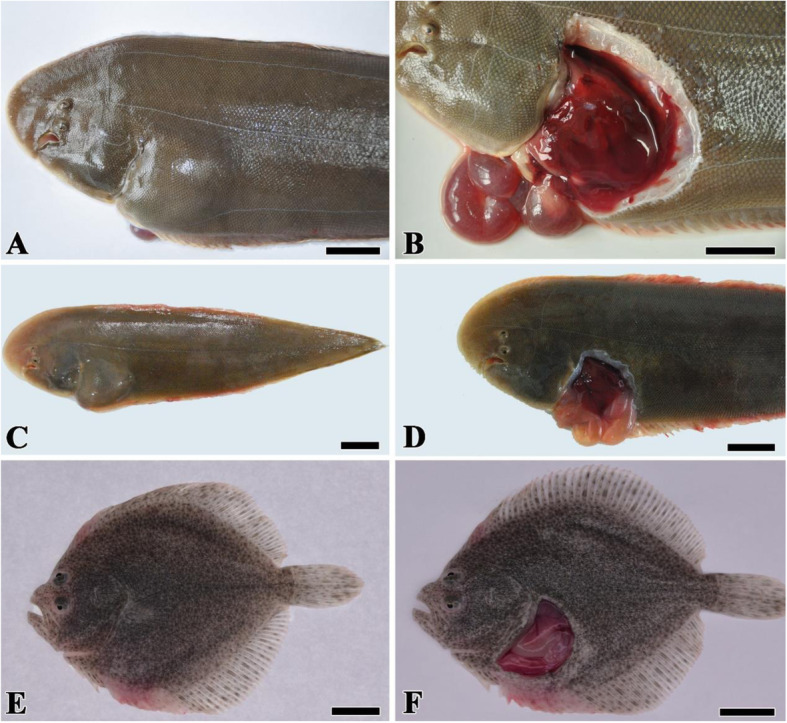
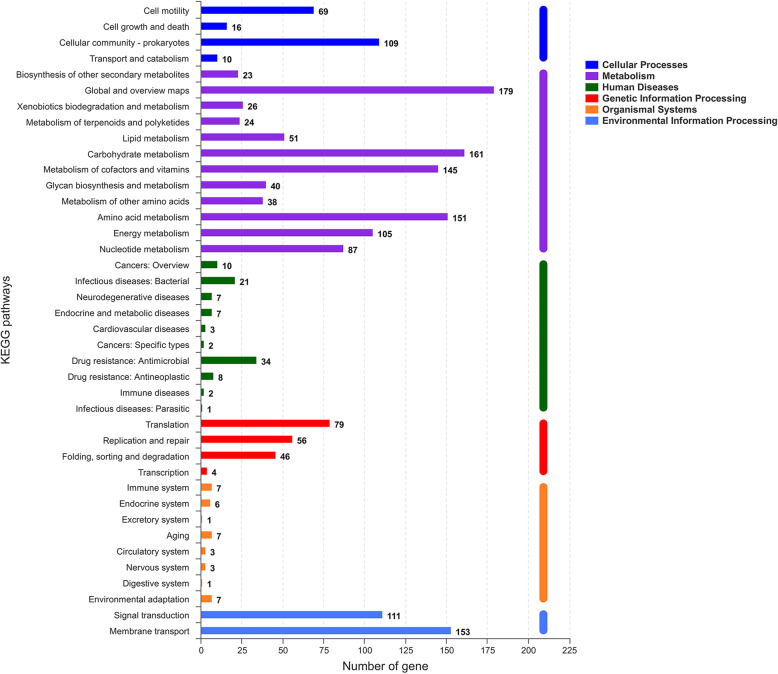
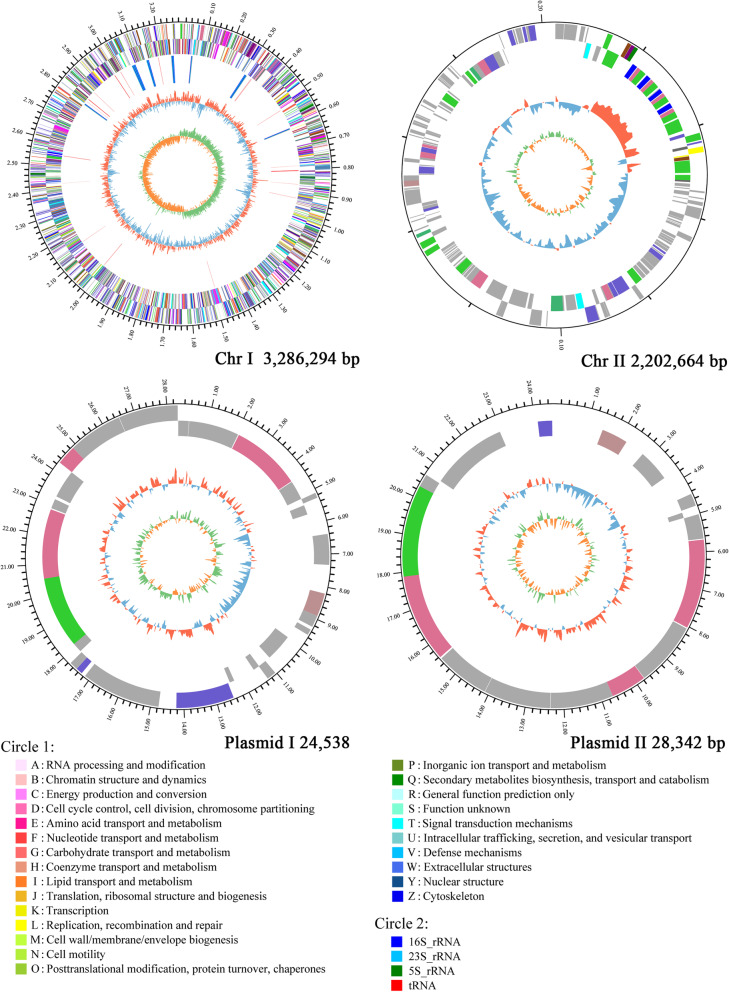
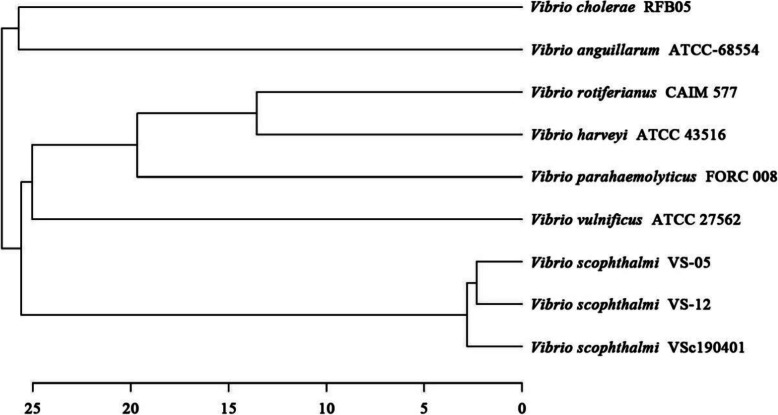
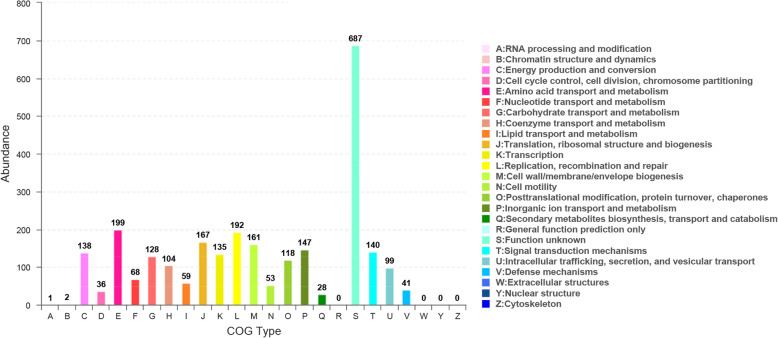
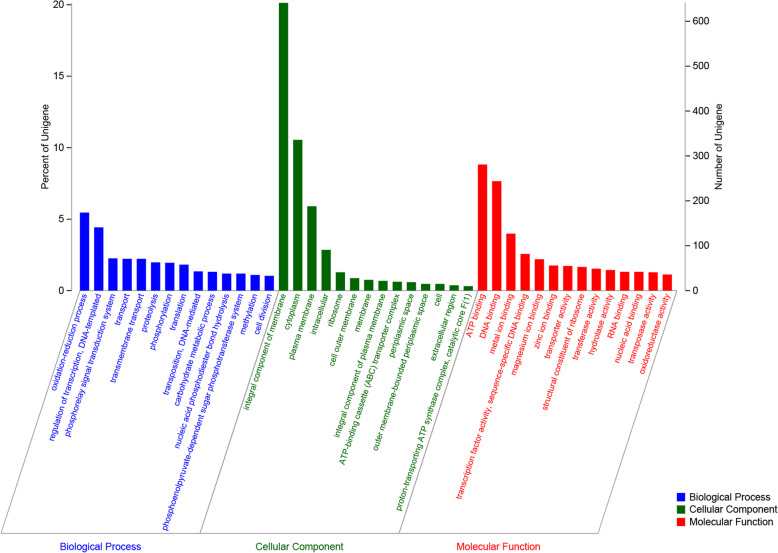
In the present study, we obtained a pathogenic strain of V. scophthalmi from diseased half-smooth tongue sole (Cynoglossus semilaevis) and sequenced its whole genome. Its genome contained two circular chromosomes and two plasmids with a total size of 3,541,838 bp, which harbored 3185 coding genes. Among these genes, 2648, 2298, and 1915 genes could be found through annotation information in COG, Blast2GO, and KEGG databases, respectively. Moreover, 10 genomic islands were predicted to exist in the chromosome I through IslandViewer online system. Comparison analysis in VFDB and PHI databases showed that this strain had 334 potential virulence-related genes and 518 pathogen-host interaction-related genes. Although it contained genes related to four secretion systems of T1SS, T2SS, T4SS, and T6SS, there was only one complete T2SS secretion system. Based on CARD database blast results, 180 drug resistance genes belonging to 27 antibiotic resistance categories were found in the whole genome of such strain. However, there were many differences between the phenotype and genotype of drug resistance.
Based on the whole genome analysis, the pathogenic V. scophthalmi strain contained many types of genes related to pathogenicity and drug resistance. Moreover, it showed inconsistency between phenotype and genotype on drug resistance. These results suggested that the physiological mechanism seemed to be complex.
沙虎鲨弧菌是一种机会致病菌,广泛分布于海洋环境中。早期研究表明,它是大菱鲆肠道中的一种正常微生物。然而,最近的研究证实,这种细菌株可引起多种不同海洋动物的疾病。因此,有必要对其全基因组进行研究,以更好地了解其生理和致病机制。
本研究从患病半滑舌鳎(Cynoglossus semilaevis)中获得了一株致病性沙虎鲨弧菌,并对其全基因组进行了测序。其基因组由两条环状染色体和两条质粒组成,总大小为 3541838bp,包含 3185 个编码基因。其中,通过 COG、Blast2GO 和 KEGG 数据库的注释信息,分别可以找到 2648、2298 和 1915 个基因。此外,通过 IslandViewer 在线系统预测到在染色体 I 上存在 10 个基因组岛。VFDB 和 PHI 数据库的比较分析表明,该菌株有 334 个潜在的毒力相关基因和 518 个病原体-宿主相互作用相关基因。虽然它含有与 T1SS、T2SS、T4SS 和 T6SS 四个分泌系统相关的基因,但只存在一个完整的 T2SS 分泌系统。根据 CARD 数据库的 Blast 结果,在该菌株的全基因组中发现了 180 个属于 27 种抗生素耐药类别的耐药基因。然而,表型和基因型之间的耐药性存在许多差异。
基于全基因组分析,致病性沙虎鲨弧菌株包含许多与致病性和耐药性相关的基因类型。此外,其表型和基因型在耐药性方面存在不一致性。这些结果表明其生理机制似乎较为复杂。