• 文献检索
  • 文档翻译
  • 深度研究
  • 学术资讯
  • Suppr Zotero 插件Zotero 插件
  • 邀请有礼
  • 套餐&价格
  • 历史记录
应用&插件
Suppr Zotero 插件Zotero 插件浏览器插件Mac 客户端Windows 客户端微信小程序
定价
高级版会员购买积分包购买API积分包
服务
文献检索文档翻译深度研究API 文档MCP 服务
关于我们
关于 Suppr公司介绍联系我们用户协议隐私条款
关注我们

Suppr 超能文献

核心技术专利:CN118964589B侵权必究
粤ICP备2023148730 号-1Suppr @ 2026

文献检索

告别复杂PubMed语法,用中文像聊天一样搜索,搜遍4000万医学文献。AI智能推荐,让科研检索更轻松。

立即免费搜索

文件翻译

保留排版,准确专业,支持PDF/Word/PPT等文件格式,支持 12+语言互译。

免费翻译文档

深度研究

AI帮你快速写综述,25分钟生成高质量综述,智能提取关键信息,辅助科研写作。

立即免费体验

基于人工智能的最优抓取控制。

Artificial Intelligence-Based Optimal Grasping Control.

机构信息

Department of Electronics Engineering, Pusan National University, Jangjeon-dong, Geumjeong-gu, Busan 609-735, Korea.

Department of Electronics Engineering, Pukyung National University, Daeyeon 3-dong, Nam-gu, Busan 608-737, Korea.

出版信息

Sensors (Basel). 2020 Nov 9;20(21):6390. doi: 10.3390/s20216390.

DOI:10.3390/s20216390
PMID:33182402
原文链接:https://pmc.ncbi.nlm.nih.gov/articles/PMC7664912/
Abstract

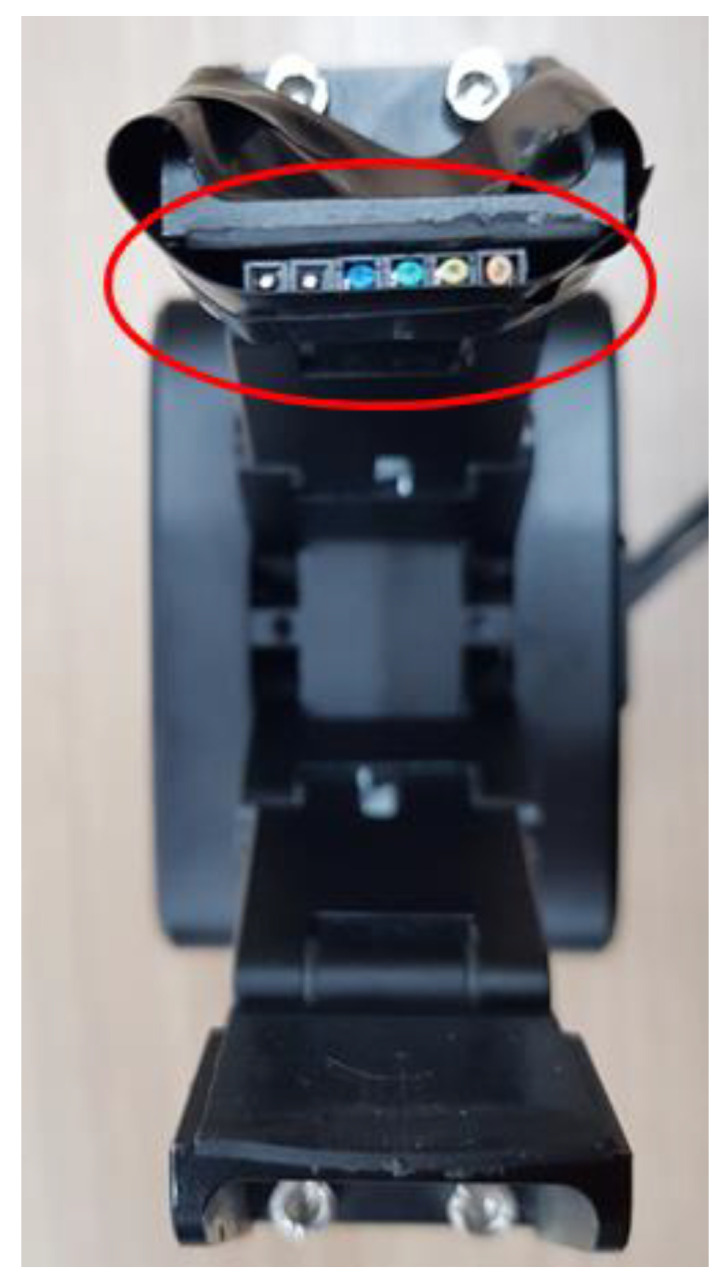
A new tactile sensing module was proposed to sense the contact force and location of an object on a robot hand, which was attached on the robot finger. Three air pressure sensors are installed at the tip of the finger to detect the contacting force at the points. To obtain a nominal contact force at the finger from data from the three air pressure sensors, a force estimation was developed based upon the learning of a deep neural network. The data from the three air pressure sensors were utilized as inputs to estimate the contact force at the finger. In the tactile module, the arrival time of the air pressure sensor data has been utilized to recognize the contact point of the robot finger against an object. Using the three air pressure sensors and arrival time, the finger location can be divided into 3 × 3 block locations. The resolution of the contact point recognition was improved to 6 × 4 block locations on the finger using an artificial neural network. The accuracy and effectiveness of the tactile module were verified using real grasping experiments. With this stable grasping, an optimal grasping force was estimated empirically with fuzzy rules for a given object.

摘要

提出了一种新的触觉传感模块,用于感测机器人手上的物体的接触力和位置,该模块安装在机器人手指上。在手指的尖端安装了三个气压传感器,以检测各点的接触力。为了从三个气压传感器的数据中获得手指上的名义接触力,基于深度学习神经网络的学习,开发了一种力估计方法。利用三个气压传感器的数据作为输入来估计手指上的接触力。在触觉模块中,利用气压传感器数据的到达时间来识别机器人手指与物体的接触点。使用三个气压传感器和到达时间,可以将手指位置分为 3×3 个块位置。使用人工神经网络,接触点识别的分辨率提高到手指上的 6×4 个块位置。通过实际的抓取实验验证了触觉模块的准确性和有效性。通过这种稳定的抓取,使用模糊规则对给定的物体进行了经验估算,得到了最佳的抓取力。

https://cdn.ncbi.nlm.nih.gov/pmc/blobs/9529/7664912/886e1d2e597b/sensors-20-06390-g024.jpg
https://cdn.ncbi.nlm.nih.gov/pmc/blobs/9529/7664912/01dff88b4af4/sensors-20-06390-g001.jpg
https://cdn.ncbi.nlm.nih.gov/pmc/blobs/9529/7664912/4e46af8562a2/sensors-20-06390-g002.jpg
https://cdn.ncbi.nlm.nih.gov/pmc/blobs/9529/7664912/8c62ed9205ff/sensors-20-06390-g003.jpg
https://cdn.ncbi.nlm.nih.gov/pmc/blobs/9529/7664912/c5714c6d1d36/sensors-20-06390-g004.jpg
https://cdn.ncbi.nlm.nih.gov/pmc/blobs/9529/7664912/456443f42429/sensors-20-06390-g005.jpg
https://cdn.ncbi.nlm.nih.gov/pmc/blobs/9529/7664912/cb077fab8bf8/sensors-20-06390-g006.jpg
https://cdn.ncbi.nlm.nih.gov/pmc/blobs/9529/7664912/8e78a2ef8c21/sensors-20-06390-g007.jpg
https://cdn.ncbi.nlm.nih.gov/pmc/blobs/9529/7664912/aa4ad5811e23/sensors-20-06390-g008.jpg
https://cdn.ncbi.nlm.nih.gov/pmc/blobs/9529/7664912/84cce04ca6e2/sensors-20-06390-g009.jpg
https://cdn.ncbi.nlm.nih.gov/pmc/blobs/9529/7664912/9080e0087a58/sensors-20-06390-g010.jpg
https://cdn.ncbi.nlm.nih.gov/pmc/blobs/9529/7664912/fcd71dee6365/sensors-20-06390-g011.jpg
https://cdn.ncbi.nlm.nih.gov/pmc/blobs/9529/7664912/39f7061f47ce/sensors-20-06390-g012.jpg
https://cdn.ncbi.nlm.nih.gov/pmc/blobs/9529/7664912/ffeec29d2c1e/sensors-20-06390-g013.jpg
https://cdn.ncbi.nlm.nih.gov/pmc/blobs/9529/7664912/719746249f4b/sensors-20-06390-g014.jpg
https://cdn.ncbi.nlm.nih.gov/pmc/blobs/9529/7664912/83d98d7d41a2/sensors-20-06390-g015.jpg
https://cdn.ncbi.nlm.nih.gov/pmc/blobs/9529/7664912/dab44222b5de/sensors-20-06390-g016.jpg
https://cdn.ncbi.nlm.nih.gov/pmc/blobs/9529/7664912/82c94aa3ec18/sensors-20-06390-g017.jpg
https://cdn.ncbi.nlm.nih.gov/pmc/blobs/9529/7664912/136b12dbe546/sensors-20-06390-g018.jpg
https://cdn.ncbi.nlm.nih.gov/pmc/blobs/9529/7664912/a0e18567627a/sensors-20-06390-g019.jpg
https://cdn.ncbi.nlm.nih.gov/pmc/blobs/9529/7664912/b2070354b4db/sensors-20-06390-g020.jpg
https://cdn.ncbi.nlm.nih.gov/pmc/blobs/9529/7664912/32c6ea0156f3/sensors-20-06390-g021.jpg
https://cdn.ncbi.nlm.nih.gov/pmc/blobs/9529/7664912/fc08dfae6658/sensors-20-06390-g022.jpg
https://cdn.ncbi.nlm.nih.gov/pmc/blobs/9529/7664912/e9c421211f4a/sensors-20-06390-g023.jpg
https://cdn.ncbi.nlm.nih.gov/pmc/blobs/9529/7664912/886e1d2e597b/sensors-20-06390-g024.jpg
https://cdn.ncbi.nlm.nih.gov/pmc/blobs/9529/7664912/01dff88b4af4/sensors-20-06390-g001.jpg
https://cdn.ncbi.nlm.nih.gov/pmc/blobs/9529/7664912/4e46af8562a2/sensors-20-06390-g002.jpg
https://cdn.ncbi.nlm.nih.gov/pmc/blobs/9529/7664912/8c62ed9205ff/sensors-20-06390-g003.jpg
https://cdn.ncbi.nlm.nih.gov/pmc/blobs/9529/7664912/c5714c6d1d36/sensors-20-06390-g004.jpg
https://cdn.ncbi.nlm.nih.gov/pmc/blobs/9529/7664912/456443f42429/sensors-20-06390-g005.jpg
https://cdn.ncbi.nlm.nih.gov/pmc/blobs/9529/7664912/cb077fab8bf8/sensors-20-06390-g006.jpg
https://cdn.ncbi.nlm.nih.gov/pmc/blobs/9529/7664912/8e78a2ef8c21/sensors-20-06390-g007.jpg
https://cdn.ncbi.nlm.nih.gov/pmc/blobs/9529/7664912/aa4ad5811e23/sensors-20-06390-g008.jpg
https://cdn.ncbi.nlm.nih.gov/pmc/blobs/9529/7664912/84cce04ca6e2/sensors-20-06390-g009.jpg
https://cdn.ncbi.nlm.nih.gov/pmc/blobs/9529/7664912/9080e0087a58/sensors-20-06390-g010.jpg
https://cdn.ncbi.nlm.nih.gov/pmc/blobs/9529/7664912/fcd71dee6365/sensors-20-06390-g011.jpg
https://cdn.ncbi.nlm.nih.gov/pmc/blobs/9529/7664912/39f7061f47ce/sensors-20-06390-g012.jpg
https://cdn.ncbi.nlm.nih.gov/pmc/blobs/9529/7664912/ffeec29d2c1e/sensors-20-06390-g013.jpg
https://cdn.ncbi.nlm.nih.gov/pmc/blobs/9529/7664912/719746249f4b/sensors-20-06390-g014.jpg
https://cdn.ncbi.nlm.nih.gov/pmc/blobs/9529/7664912/83d98d7d41a2/sensors-20-06390-g015.jpg
https://cdn.ncbi.nlm.nih.gov/pmc/blobs/9529/7664912/dab44222b5de/sensors-20-06390-g016.jpg
https://cdn.ncbi.nlm.nih.gov/pmc/blobs/9529/7664912/82c94aa3ec18/sensors-20-06390-g017.jpg
https://cdn.ncbi.nlm.nih.gov/pmc/blobs/9529/7664912/136b12dbe546/sensors-20-06390-g018.jpg
https://cdn.ncbi.nlm.nih.gov/pmc/blobs/9529/7664912/a0e18567627a/sensors-20-06390-g019.jpg
https://cdn.ncbi.nlm.nih.gov/pmc/blobs/9529/7664912/b2070354b4db/sensors-20-06390-g020.jpg
https://cdn.ncbi.nlm.nih.gov/pmc/blobs/9529/7664912/32c6ea0156f3/sensors-20-06390-g021.jpg
https://cdn.ncbi.nlm.nih.gov/pmc/blobs/9529/7664912/fc08dfae6658/sensors-20-06390-g022.jpg
https://cdn.ncbi.nlm.nih.gov/pmc/blobs/9529/7664912/e9c421211f4a/sensors-20-06390-g023.jpg
https://cdn.ncbi.nlm.nih.gov/pmc/blobs/9529/7664912/886e1d2e597b/sensors-20-06390-g024.jpg

相似文献

1
Artificial Intelligence-Based Optimal Grasping Control.基于人工智能的最优抓取控制。
Sensors (Basel). 2020 Nov 9;20(21):6390. doi: 10.3390/s20216390.
2
Grasping Force Control of Multi-Fingered Robotic Hands through Tactile Sensing for Object Stabilization.通过触觉感知实现多手指机器人手的抓取力控制以稳定物体。
Sensors (Basel). 2020 Feb 14;20(4):1050. doi: 10.3390/s20041050.
3
Design and Experimental Research of Robot Finger Sliding Tactile Sensor Based on FBG.基于光纤布拉格光栅的机器人手指滑动触觉传感器的设计与实验研究。
Sensors (Basel). 2022 Nov 1;22(21):8390. doi: 10.3390/s22218390.
4
Blocks World of Touch: Exploiting the Advantages of All-Around Finger Sensing in Robot Grasping.触觉的积木世界:在机器人抓取中利用全方位手指传感的优势。
Front Robot AI. 2020 Nov 19;7:541661. doi: 10.3389/frobt.2020.541661. eCollection 2020.
5
Skin-inspired quadruple tactile sensors integrated on a robot hand enable object recognition.皮肤启发式四触觉传感器集成在机器人手上,实现了物体识别。
Sci Robot. 2020 Dec 16;5(49). doi: 10.1126/scirobotics.abc8134.
6
Magnetic-based Soft Tactile Sensors with Deformable Continuous Force Transfer Medium for Resolving Contact Locations in Robotic Grasping and Manipulation.基于磁体的软触觉传感器,采用可变形连续力传递介质,用于解决机器人抓取和操作中的接触位置问题。
Sensors (Basel). 2019 Nov 12;19(22):4925. doi: 10.3390/s19224925.
7
3D Visual Data-Driven Spatiotemporal Deformations for Non-Rigid Object Grasping Using Robot Hands.用于机器人手部非刚性物体抓取的3D视觉数据驱动的时空变形
Sensors (Basel). 2016 May 5;16(5):640. doi: 10.3390/s16050640.
8
Soft Conductive Hydrogel-Based Electronic Skin for Robot Finger Grasping Manipulation.用于机器人手指抓握操作的基于柔软导电水凝胶的电子皮肤
Polymers (Basel). 2022 Sep 20;14(19):3930. doi: 10.3390/polym14193930.
9
Micro-vibration-based slip detection in tactile force sensors.触觉力传感器中基于微振动的滑动检测
Sensors (Basel). 2014 Jan 3;14(1):709-30. doi: 10.3390/s140100709.
10
Multifunctional Soft Robotic Finger Based on a Nanoscale Flexible Temperature-Pressure Tactile Sensor for Material Recognition.基于纳米级柔性温压触觉传感器的多功能软体机器手指用于材料识别。
ACS Appl Mater Interfaces. 2021 Nov 24;13(46):55756-55765. doi: 10.1021/acsami.1c17923. Epub 2021 Nov 15.

引用本文的文献

1
Learning-based robotic grasping: A review.基于学习的机器人抓取:综述
Front Robot AI. 2023 Apr 4;10:1038658. doi: 10.3389/frobt.2023.1038658. eCollection 2023.
2
Multi-Sensor Perception Strategy to Enhance Autonomy of Robotic Operation for Uncertain Peg-in-Hole Task.多传感器感知策略增强机器人在不确定的销钉孔任务中的自主操作能力。
Sensors (Basel). 2021 May 31;21(11):3818. doi: 10.3390/s21113818.
3
Indirect Feedback Measurement of Flow in a Water Pumping Network Employing Artificial Intelligence.人工智能在水泵网络流量间接反馈测量中的应用。

本文引用的文献

1
Using 3D Convolutional Neural Networks for Tactile Object Recognition with Robotic Palpation.使用 3D 卷积神经网络进行机器人触诊的触觉物体识别。
Sensors (Basel). 2019 Dec 5;19(24):5356. doi: 10.3390/s19245356.
2
A Flexible Temperature Sensor Based on Reduced Graphene Oxide for Robot Skin Used in Internet of Things.基于还原氧化石墨烯的用于物联网机器人皮肤的柔性温度传感器。
Sensors (Basel). 2018 May 2;18(5):1400. doi: 10.3390/s18051400.
3
GelSight: High-Resolution Robot Tactile Sensors for Estimating Geometry and Force.凝胶视觉:用于估计几何形状和力的高分辨率机器人触觉传感器。
Sensors (Basel). 2020 Dec 25;21(1):75. doi: 10.3390/s21010075.
Sensors (Basel). 2017 Nov 29;17(12):2762. doi: 10.3390/s17122762.
4
Evaluation of Flexible Force Sensors for Pressure Monitoring in Treatment of Chronic Venous Disorders.评估柔性压力传感器在慢性静脉疾病治疗中的压力监测作用。
Sensors (Basel). 2017 Aug 21;17(8):1923. doi: 10.3390/s17081923.