
“抗磷脂抗体”的分子机制及其在“血清阴性 APS”发病机制中的矛盾作用。
Molecular Mechanisms of "Antiphospholipid Antibodies" and Their Paradoxical Role in the Pathogenesis of "Seronegative APS".
机构信息
Department of Experimental Medicine, University of Rome "La Sapienza", 00161 Rome, Italy.
出版信息
Int J Mol Sci. 2020 Nov 9;21(21):8411. doi: 10.3390/ijms21218411.
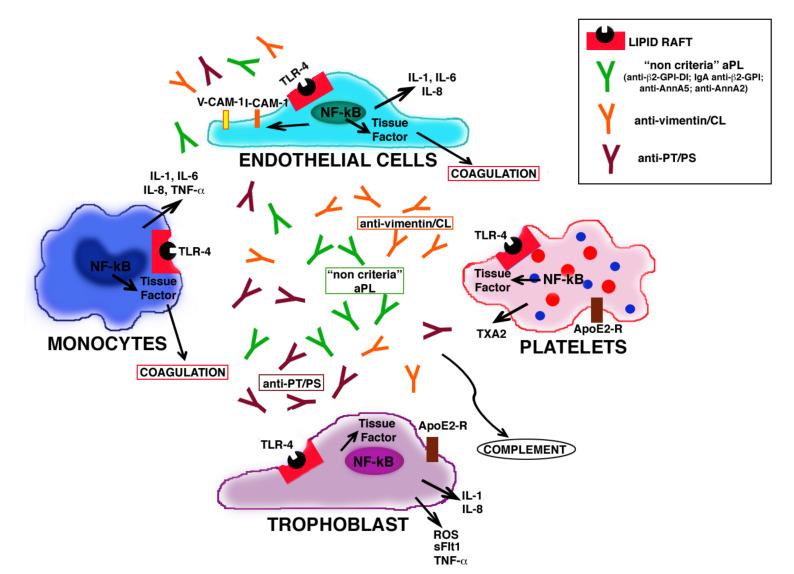
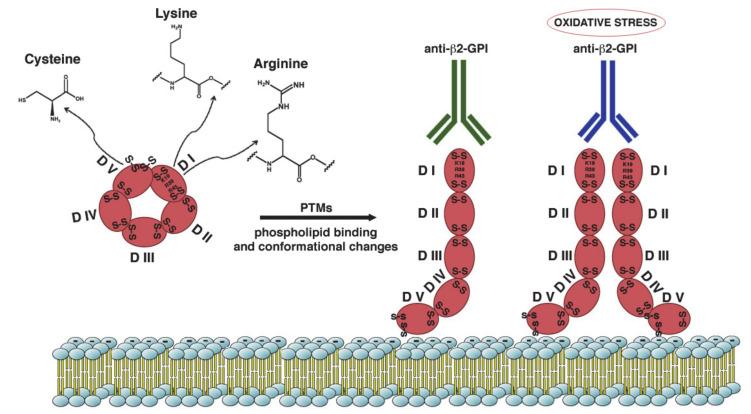
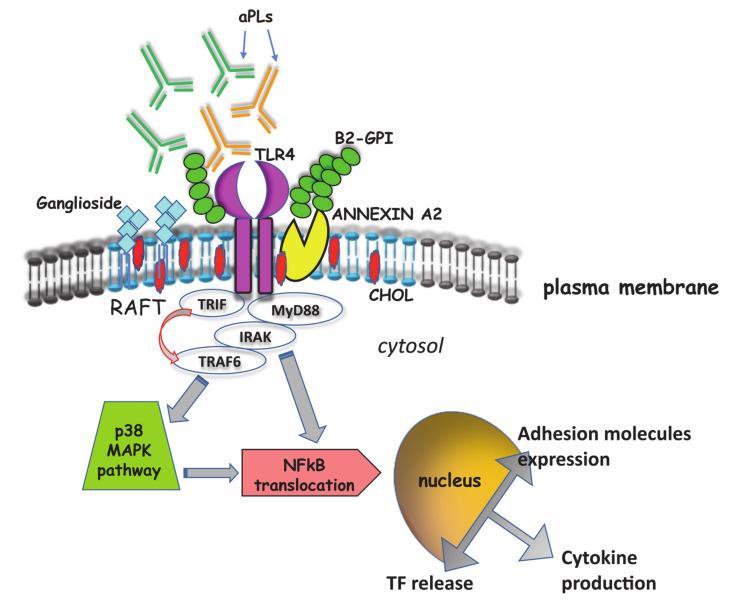
Antiphospholipid Syndrome (APS) is an autoimmune disease characterized by arterial and/or venous thrombosis and/or pregnancy morbidity, associated with circulating antiphospholipid antibodies (aPL). In some cases, patients with a clinical profile indicative of APS (thrombosis, recurrent miscarriages or fetal loss), who are persistently negative for conventional laboratory diagnostic criteria, are classified as "seronegative" APS patients (SN-APS). Several findings suggest that aPL, which target phospholipids and/or phospholipid binding proteins, mainly β-glycoprotein I (β-GPI), may contribute to thrombotic diathesis by interfering with hemostasis. Despite the strong association between aPL and thrombosis, the exact pathogenic mechanisms underlying thrombotic events and pregnancy morbidity in APS have not yet been fully elucidated and multiple mechanisms may be involved. Furthermore, in many SN-APS patients, it is possible to demonstrate the presence of unconventional aPL ("non-criteria" aPL) or to detect aPL with alternative laboratory methods. These findings allowed the scientists to study the pathogenic mechanism of SN-APS. This review is focused on the evidence showing that these antibodies may play a functional role in the signal transduction pathway(s) leading to thrombosis and pregnancy morbidity in SN-APS. A better comprehension of the molecular mechanisms triggered by aPL may drive development of potential therapeutic strategies in APS patients.
抗磷脂综合征(APS)是一种自身免疫性疾病,其特征为动脉和/或静脉血栓形成和/或妊娠并发症,与循环抗磷脂抗体(aPL)相关。在某些情况下,具有 APS 临床特征(血栓形成、复发性流产或胎儿丢失)且持续对常规实验室诊断标准呈阴性的患者被归类为“血清阴性”APS 患者(SN-APS)。有几项研究结果表明,针对磷脂和/或与磷脂结合蛋白(主要是β-糖蛋白 I [β-GPI])的 aPL 可能通过干扰止血而导致血栓形成倾向。尽管 aPL 与血栓形成之间存在强烈关联,但 APS 中血栓形成和妊娠并发症的确切发病机制尚未完全阐明,可能涉及多种机制。此外,在许多 SN-APS 患者中,可以证明存在非传统的 aPL(“非标准”aPL)或可以使用替代实验室方法检测 aPL。这些发现使科学家能够研究 SN-APS 的发病机制。这篇综述重点介绍了这些抗体可能在导致 SN-APS 血栓形成和妊娠并发症的信号转导途径中发挥功能作用的证据。更好地理解 aPL 触发的分子机制可能会推动 APS 患者潜在治疗策略的发展。
 Zotero 插件