Giacomoni Jessica, Bruzelius Andreas, Stamouli Christina-Anastasia, Rylander Ottosson Daniella
Group of Developmental and Regenerative Neurobiology, Wallenberg Neuroscience Center and Lund Stem Cell Center, Department of Experimental Medical Science, Faculty of Medicine, Lund University, 221 84 Lund, Sweden.
Group of Regenerative Neurophysiology, Lund Stem Cell Center, Department of Experimental Medical Science, Faculty of Medicine, Lund University, 221 84 Lund, Sweden.
Cells. 2020 Nov 10;9(11):2451. doi: 10.3390/cells9112451.
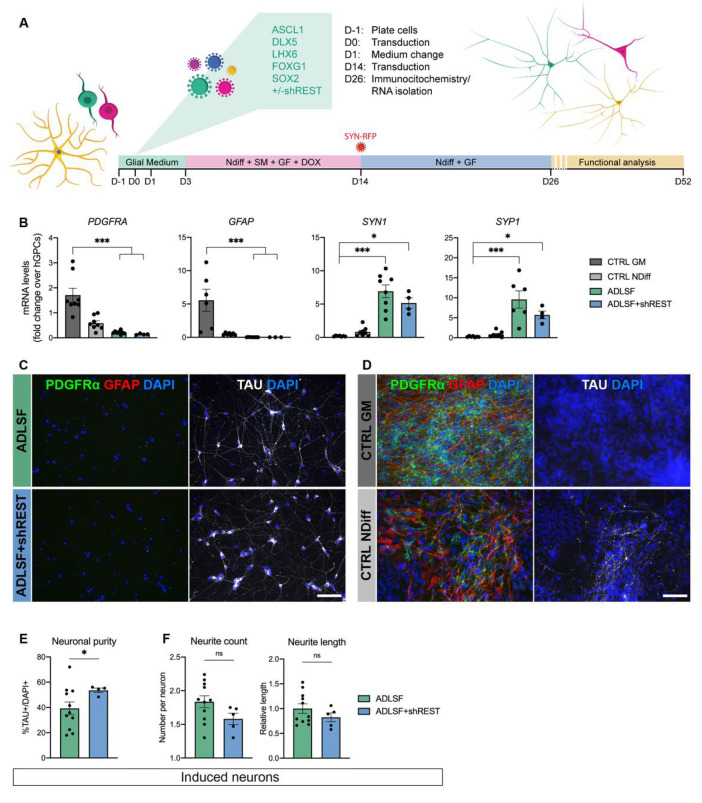
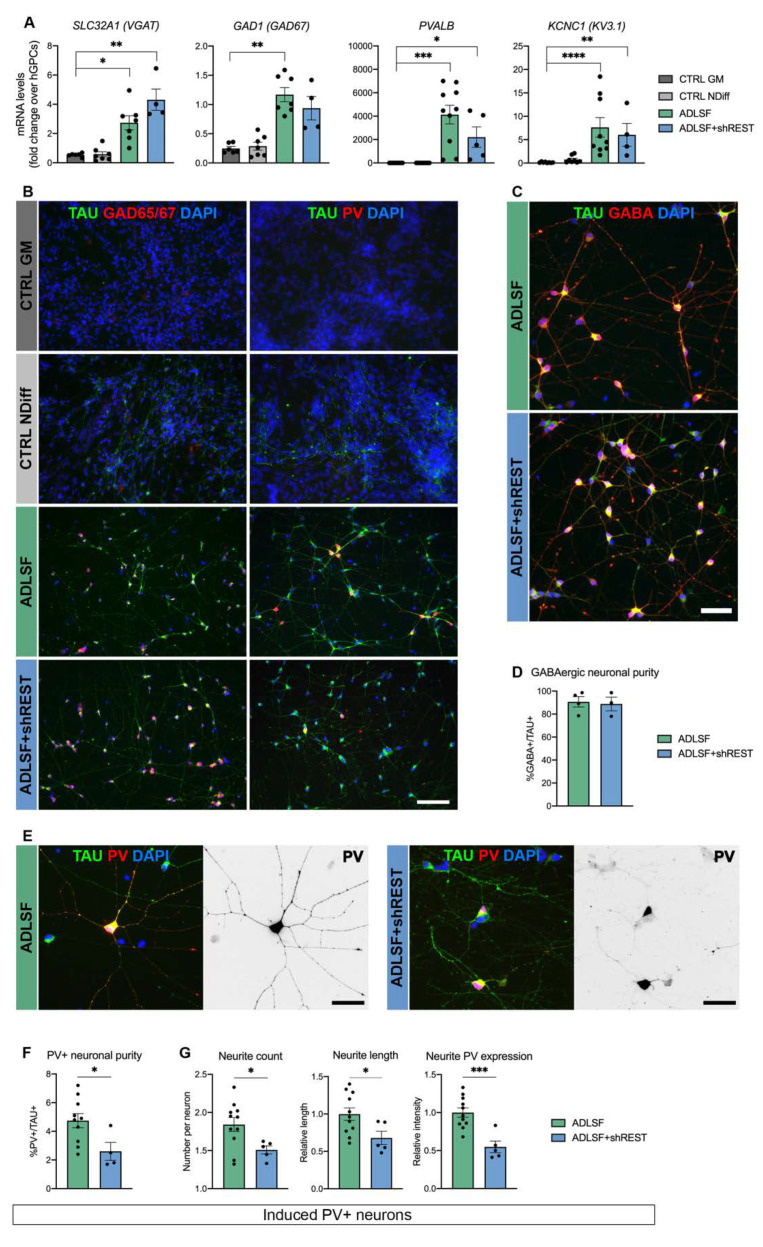
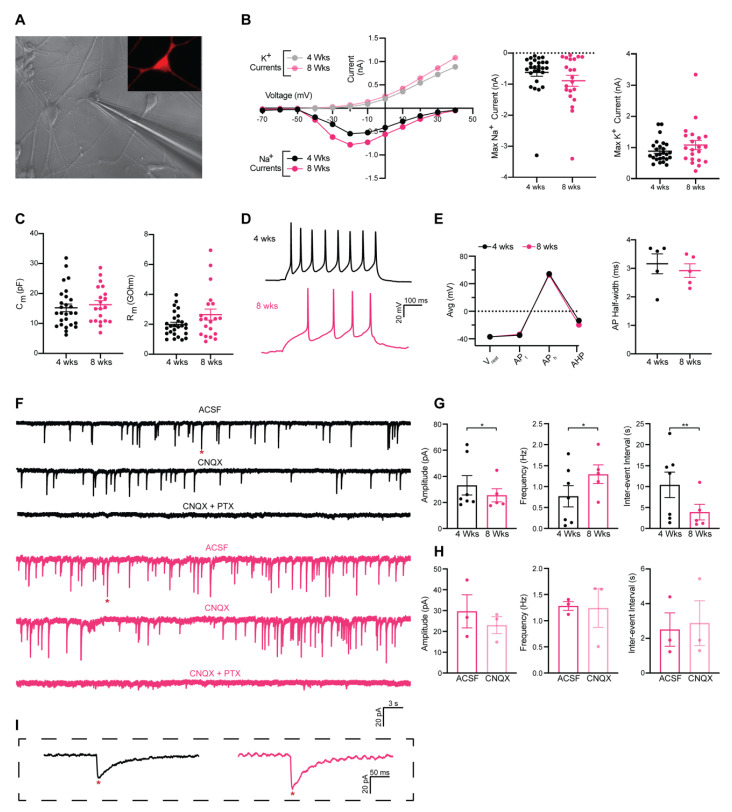
Glial progenitor cells are widely distributed in brain parenchyma and represent a suitable target for future therapeutic interventions that generate new neurons via in situ reprogramming. Previous studies have shown successful reprogramming of mouse glia into neurons whereas the conversion of human glial cells remains challenging due to the limited accessibility of human brain tissue. Here, we have used a recently developed stem cell-based model of human glia progenitor cells (hGPCs) for direct neural reprogramming by overexpressing a set of transcription factors involved in GABAergic interneuron fate specification. GABAergic interneurons play a key role in balancing excitatory and inhibitory neural circuitry in the brain and loss or dysfunction of these have been implicated in several neurological disorders such as epilepsy, schizophrenia, and autism. Our results demonstrate that hGPCs successfully convert into functional induced neurons with postsynaptic activity within a month. The induced neurons have properties of GABAergic neurons, express subtype-specific interneuron markers (e.g. parvalbumin) and exhibit a complex neuronal morphology with extensive dendritic trees. The possibility of inducing GABAergic interneurons from a renewable in vitro hGPC system could provide a foundation for the development of therapies for interneuron pathologies.
神经胶质祖细胞广泛分布于脑实质中,是未来通过原位重编程产生新神经元的治疗干预的合适靶点。先前的研究表明,小鼠神经胶质细胞可成功重编程为神经元,而由于人类脑组织获取有限,人类神经胶质细胞的转化仍然具有挑战性。在这里,我们使用了最近开发的基于干细胞的人类神经胶质祖细胞(hGPCs)模型,通过过表达一组参与GABA能中间神经元命运特化的转录因子来进行直接神经重编程。GABA能中间神经元在平衡大脑中的兴奋性和抑制性神经回路中起关键作用,其缺失或功能障碍与多种神经系统疾病有关,如癫痫、精神分裂症和自闭症。我们的结果表明,hGPCs在一个月内成功转化为具有突触后活性的功能性诱导神经元。诱导神经元具有GABA能神经元的特性,表达亚型特异性中间神经元标志物(如小白蛋白),并呈现出具有广泛树突树的复杂神经元形态。从可再生的体外hGPC系统诱导GABA能中间神经元的可能性可为中间神经元疾病的治疗发展提供基础。