Key Laboratory for Space Biosciences & Biotechnology, Institute of Special Environmental Biophysics, School of Life Sciences, Northwestern Polytechnical University, Xi'an 710072, China.
Int J Mol Sci. 2020 Nov 12;21(22):8513. doi: 10.3390/ijms21228513.
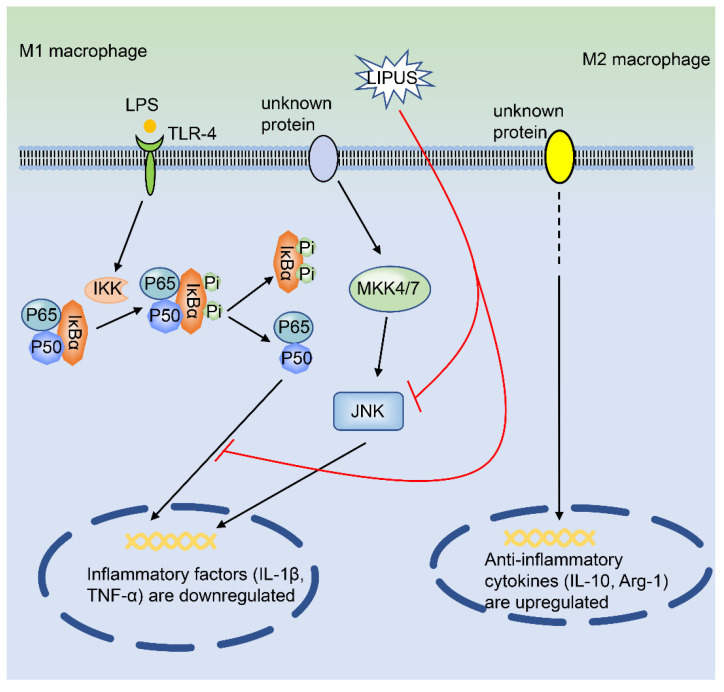
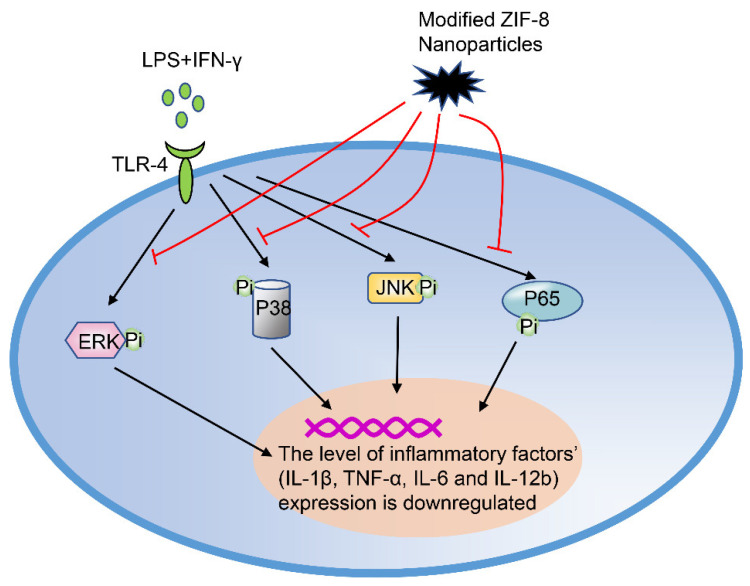
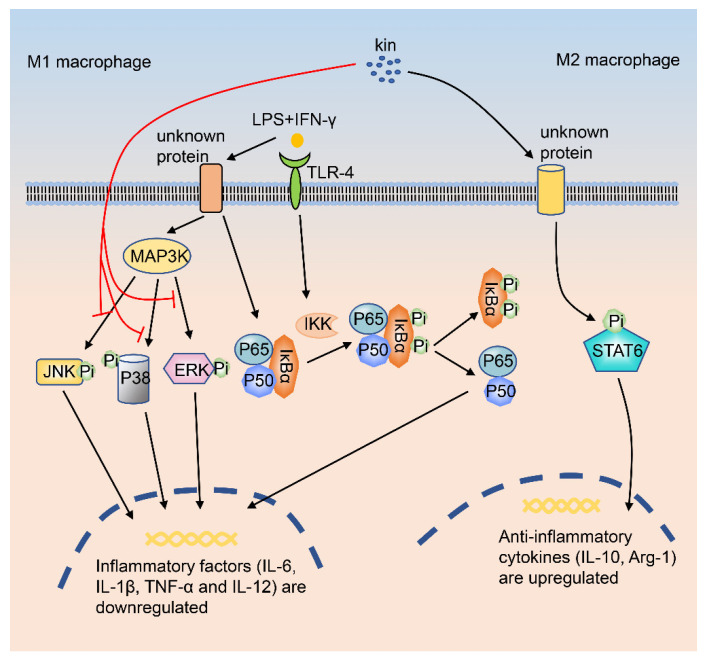
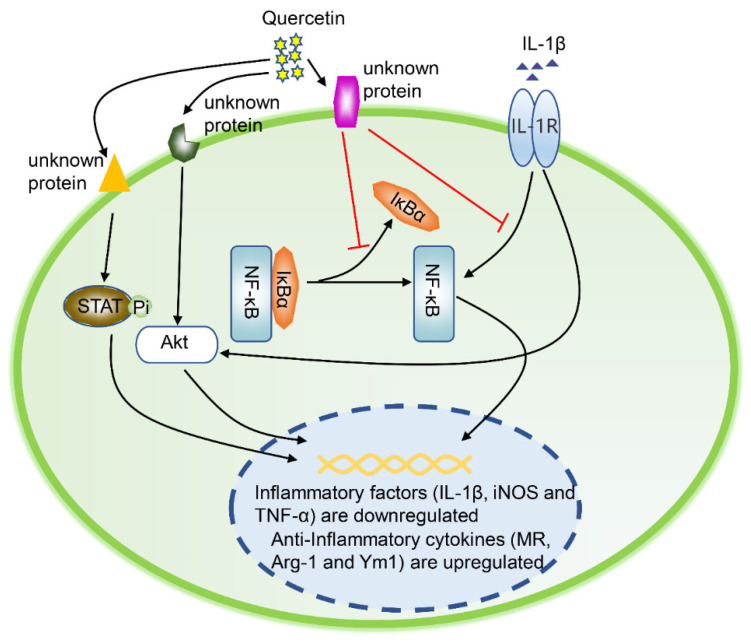
Osteoarthritis (OA) is one of the most prevalent chronic joint diseases worldwide, which causes a series of problems, such as joint pain, muscle atrophy, and joint deformities. Benefiting from some advances in the clinical treatment of OA, the quality of life of OA patients has been improved. However, the clinical need for more effective treatments for OA is still very urgent. Increasing findings show that macrophages are a critical breakthrough in OA therapy. Stimulated by different factors, macrophages are differentiated into two phenotypes: the pro-inflammatory M1 type and anti-inflammatory M2 type. In this study, various therapeutic reagents for macrophage-dependent OA treatment are summarized, including physical stimuli, chemical compounds, and biological molecules. Subsequently, the mechanisms of action of various approaches to modulating macrophages are discussed, and the signaling pathways underlying these treatments are interpreted. The NF-κB signaling pathway plays a vital role in the occurrence and development of macrophage-mediated OA, as NF-κB signaling pathway agonists promote the occurrence of OA, whereas NF-κB inhibitors ameliorate OA. Besides, several signaling pathways are also involved in the process of OA, including the JNK, Akt, MAPK, STAT6, Wnt/β-catenin, and mTOR pathways. In summary, macrophage polarization is a critical node in regulating the inflammatory response of OA. Reagents targeting the polarization of macrophages can effectively inhibit inflammation in the joints, which finally relieves OA symptoms. Our work lays the foundation for the development of macrophage-targeted therapeutic molecules and helps to elucidate the role of macrophages in OA.
骨关节炎(OA)是全球最常见的慢性关节疾病之一,可导致一系列问题,如关节疼痛、肌肉萎缩和关节畸形。得益于 OA 临床治疗的一些进展,OA 患者的生活质量得到了改善。然而,临床对更有效的 OA 治疗方法的需求仍然非常迫切。越来越多的研究结果表明,巨噬细胞是 OA 治疗的一个关键突破口。巨噬细胞受到不同因素的刺激后会分化为两种表型:促炎型 M1 型和抗炎型 M2 型。在本研究中,总结了各种基于巨噬细胞的 OA 治疗的治疗试剂,包括物理刺激物、化学化合物和生物分子。随后,讨论了各种调节巨噬细胞的作用机制,并解释了这些治疗方法所涉及的信号通路。NF-κB 信号通路在巨噬细胞介导的 OA 的发生和发展中起着至关重要的作用,因为 NF-κB 信号通路激动剂促进 OA 的发生,而 NF-κB 抑制剂则改善 OA。此外,几个信号通路也参与 OA 的发生过程,包括 JNK、Akt、MAPK、STAT6、Wnt/β-catenin 和 mTOR 通路。综上所述,巨噬细胞极化是调节 OA 炎症反应的关键节点。针对巨噬细胞极化的试剂可以有效地抑制关节炎症,从而最终缓解 OA 症状。我们的工作为开发针对巨噬细胞的治疗性分子奠定了基础,并有助于阐明巨噬细胞在 OA 中的作用。