Beth Israel Deaconess Medical Center, Department of Emergency Medicine, Boston, Massachusetts.
Massachusetts General Hospital, Department of Emergency Medicine, Boston, Massachusetts.
West J Emerg Med. 2020 Oct 8;21(6):205-209. doi: 10.5811/westjem.2020.7.46295.
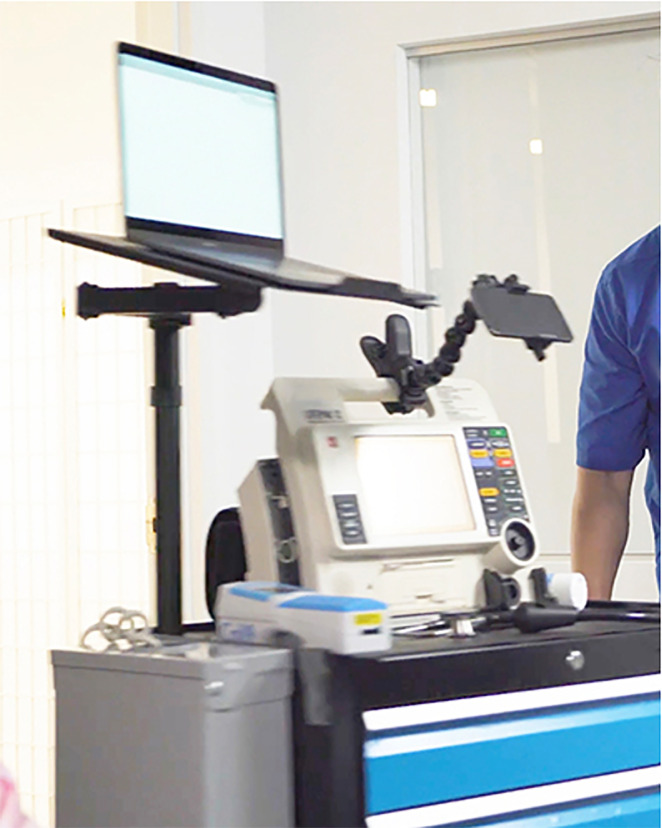
Transfers of skilled nursing facility (SNF) residents to emergency departments (ED) are linked to morbidity, mortality and significant cost, especially when transfers result in hospital admissions. This study investigated an alternative approach for emergency care delivery comprised of SNF-based telemedicine services provided by emergency physicians (EP). We compared this on-site emergency care option to traditional ED-based care, evaluating hospital admission rates following care by an EP.
We conducted a retrospective, observational study of SNF residents who underwent emergency evaluation between January 1, 2017-January 1, 2018. The intervention group was comprised of residents at six urban SNFs in the Northeastern United States, who received an on-demand telemedicine service provided by an EP. The comparison group consisted of residents of SNFs that did not offer on-demand services and were transferred via ambulance to the ED. Using electronic health record data from both the telemedicine and ambulance transfers, our primary outcome was the odds ratio (OR) of a hospital admission. We also conducted a subanalysis examining the same OR for the three most common chronic disease-related presentations found among the telemedicine study population.
A total of 4,606 patients were evaluated in both the SNF-based intervention and ED-based comparison groups (n=2,311 for SNF based group and 2,295 controls). Patients who received the SNF-based acute care were less likely to be admitted to the hospital compared to patients who were transferred to the ED in our primary and subgroup analyses. Overall, only 27% of the intervention group was transported to the ED for additional care and presumed admission, whereas 71% of the comparison group was admitted (OR for admission = 0.15 [9% confidence interval, 0.13-0.17]).
The use of an EP-staffed telemedicine service provided to SNF residents was associated with a significantly lower rate of hospital admissions compared to the usual ED-based care for a similarly aged population of SNF residents. Providing SNF-based care by EPs could decrease costs associated with hospital-based care and risks associated with hospitalization, including cognitive and functional decline, nosocomial infections, and falls.
将熟练护理机构(SNF)的居民转移到急诊部(ED)与发病率、死亡率和重大成本有关,尤其是当转移导致住院时。本研究调查了一种替代急诊护理方法,即由急诊医师(EP)提供的基于 SNF 的远程医疗服务。我们将这种现场紧急护理选择与传统的 ED 基础护理进行了比较,评估了 EP 护理后的住院率。
我们对 2017 年 1 月 1 日至 2018 年 1 月 1 日期间接受急诊评估的 SNF 居民进行了回顾性、观察性研究。干预组由美国东北部六家城市 SNF 的居民组成,他们接受了 EP 按需提供的远程医疗服务。对照组由不提供按需服务且通过救护车转至 ED 的 SNF 居民组成。使用来自远程医疗和救护车转院的电子健康记录数据,我们的主要结果是住院的比值比(OR)。我们还进行了一项亚分析,检查了在远程医疗研究人群中发现的三种最常见的与慢性病相关的表现的相同 OR。
共有 4606 名患者在基于 SNF 的干预组和 ED 对照组中接受了评估(基于 SNF 的组为 2311 例,对照组为 2295 例)。与转至 ED 的患者相比,接受 SNF 急性护理的患者住院的可能性较小。总体而言,干预组只有 27%的患者因需要进一步护理和推定入院而被送往 ED,而对照组的 71%的患者入院(入院的 OR = 0.15[95%置信区间,0.13-0.17])。
与 SNF 居民通常接受的基于 ED 的护理相比,使用由 EP 提供的远程医疗服务为 SNF 居民提供的护理与显著降低的住院率相关。由 EP 提供 SNF 护理可以降低与住院相关的医疗费用和风险,包括认知和功能下降、医院获得性感染和跌倒。