Research in Orthopedic Computer Science (ROCS), Balgrist University Hospital, University of Zurich, Zurich, Switzerland.
Orthopedic Department, Balgrist University Hospital, Zurich, Switzerland.
BMC Musculoskelet Disord. 2020 Nov 18;21(1):759. doi: 10.1186/s12891-020-03789-y.
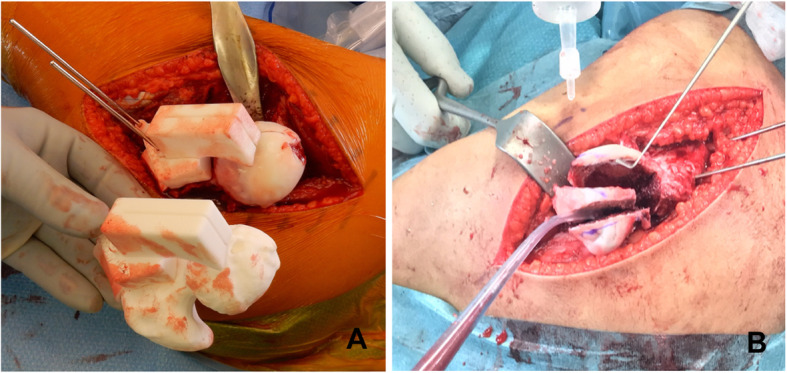
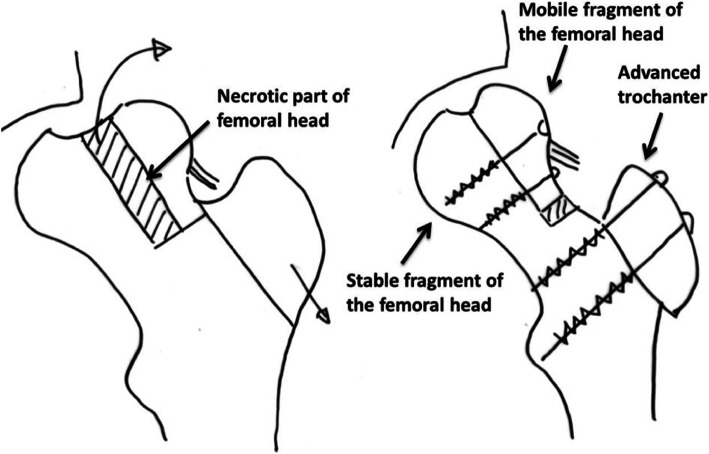
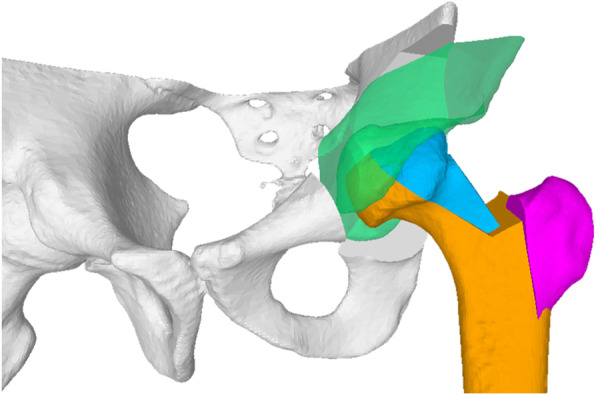
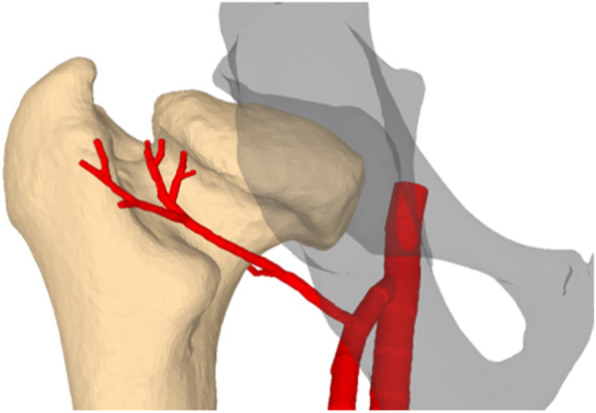
Legg-Calvé-Perthes (LCP) is a common orthopedic childhood disease that causes a deformity of the femoral head and to an adaptive deformity of the acetabulum. The altered joint biomechanics can result in early joint degeneration that requires total hip arthroplasty. In 2002, Ganz et al. introduced the femoral head reduction osteotomy (FHRO) as a direct joint-preserving treatment. The procedure remains one of the most challenging in hip surgery. Computer-based 3D preoperative planning and patient-specific navigation instruments have been successfully used to reduce technical complexity in other anatomies. The purpose of this study was to report the first results in the treatment of 6 patients to investigate whether our approach is feasible and safe.
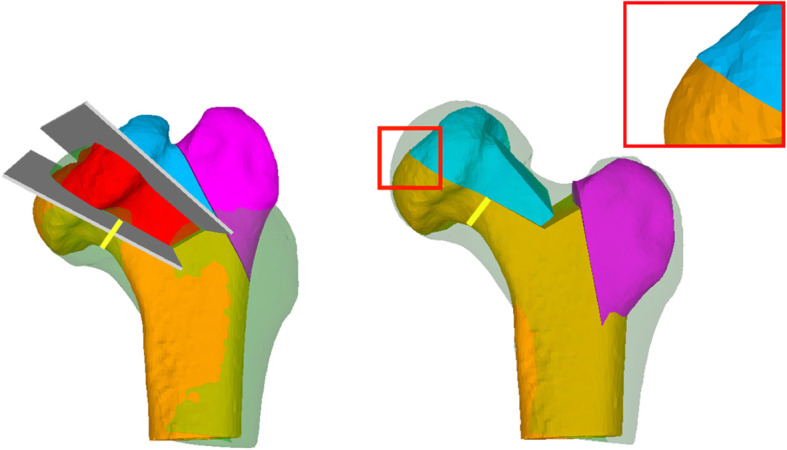
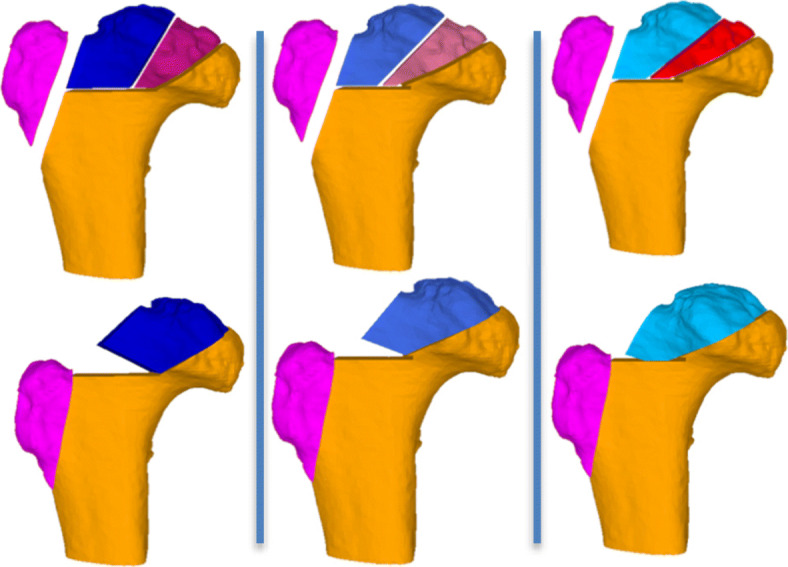
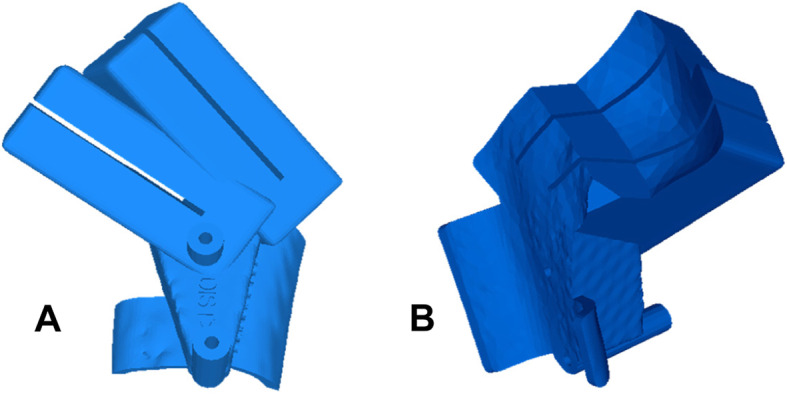
In this retrospective pilot study, 6 LCP patients were treated with FHRO in multiple centers between May 2017 and June 2019. Based on patient-specific 3D-models of the hips, the surgeries were simulated in a step-wise fashion. Patient-specific instruments tailored for FHRO were designed, 3D-printed and used in the surgeries for navigating the osteotomies. The results were assessed radiographically [diameter index, sphericity index, Stulberg classification, extrusion index, LCE-, Tönnis-, CCD-angle and Shenton line] and the time and costs were recorded. Radiologic values were tested for normal distribution using the Shapiro-Wilk test and for significance using Wilcoxon signed-rank test.
The sphericity index improved postoperatively by 20% (p = 0.028). The postoperative diameter of the femoral head differed by only 1.8% (p = 0.043) from the contralateral side and Stulberg grading improved from poor coxarthrosis outcome to good outcome (p = 0.026). All patients underwent acetabular reorientation by periacetabular osteotomy. The average time (in minutes) for preliminary analysis, computer simulation and patient-specific instrument design was 63 (±48), 156 (±64) and 105 (±68.5), respectively.
The clinical feasibility of our approach to FHRO has been demonstrated. The results showed significant improvement compared to the preoperative situation. All operations were performed by experienced surgeons; nevertheless, three complications occurred, showing that FHRO remains one of the most complex hip surgeries even with computer assistance. However, none of the complications were directly related to the simulation or the navigation technique.
Legg-Calvé-Perthes(LCP)是一种常见的儿童骨科疾病,会导致股骨头变形和髋臼适应性变形。关节生物力学的改变会导致早期关节退化,需要进行全髋关节置换术。2002 年,Ganz 等人引入股骨头复位截骨术(FHRO)作为一种直接的关节保留治疗方法。该手术仍然是髋关节手术中最具挑战性的手术之一。基于计算机的 3D 术前规划和患者特异性导航器械已成功用于降低其他解剖结构的技术复杂性。本研究的目的是报告 6 例患者治疗的初步结果,以探讨我们的方法是否可行和安全。
在这项回顾性试点研究中,2017 年 5 月至 2019 年 6 月,在多个中心对 6 例 LCP 患者进行 FHRO 治疗。根据患者髋关节的特定 3D 模型,逐步模拟手术。为 FHRO 定制了患者特异性器械,并进行 3D 打印,用于导航截骨术。通过影像学评估结果[直径指数、球形指数、Stulberg 分级、挤出指数、LCE-、Tönnis-、CCD 角和 Shenton 线],并记录时间和成本。使用 Shapiro-Wilk 检验对影像学值进行正态分布检验,使用 Wilcoxon 符号秩检验进行显著性检验。
术后球形指数提高了 20%(p=0.028)。术后股骨头直径仅与对侧相差 1.8%(p=0.043),Stulberg 分级从较差的髋关节结果改善为较好的结果(p=0.026)。所有患者均通过髋臼周围截骨术进行髋臼再定位。初步分析、计算机模拟和患者特异性器械设计的平均时间(分钟)分别为 63(±48)、156(±64)和 105(±68.5)。
我们对 FHRO 的方法的临床可行性已经得到了证明。结果显示与术前情况相比有显著改善。所有手术均由经验丰富的外科医生进行;然而,仍有 3 例并发症发生,这表明即使有计算机辅助,FHRO 仍然是最复杂的髋关节手术之一。然而,这些并发症都与模拟或导航技术没有直接关系。