Department of Medicine, Washington University School of Medicine, St Louis, MO, USA.
Department of Pathology and Immunology, Washington University School of Medicine, St Louis, MO, USA.
Nature. 2020 Dec;588(7837):308-314. doi: 10.1038/s41586-020-2915-3. Epub 2020 Nov 18.
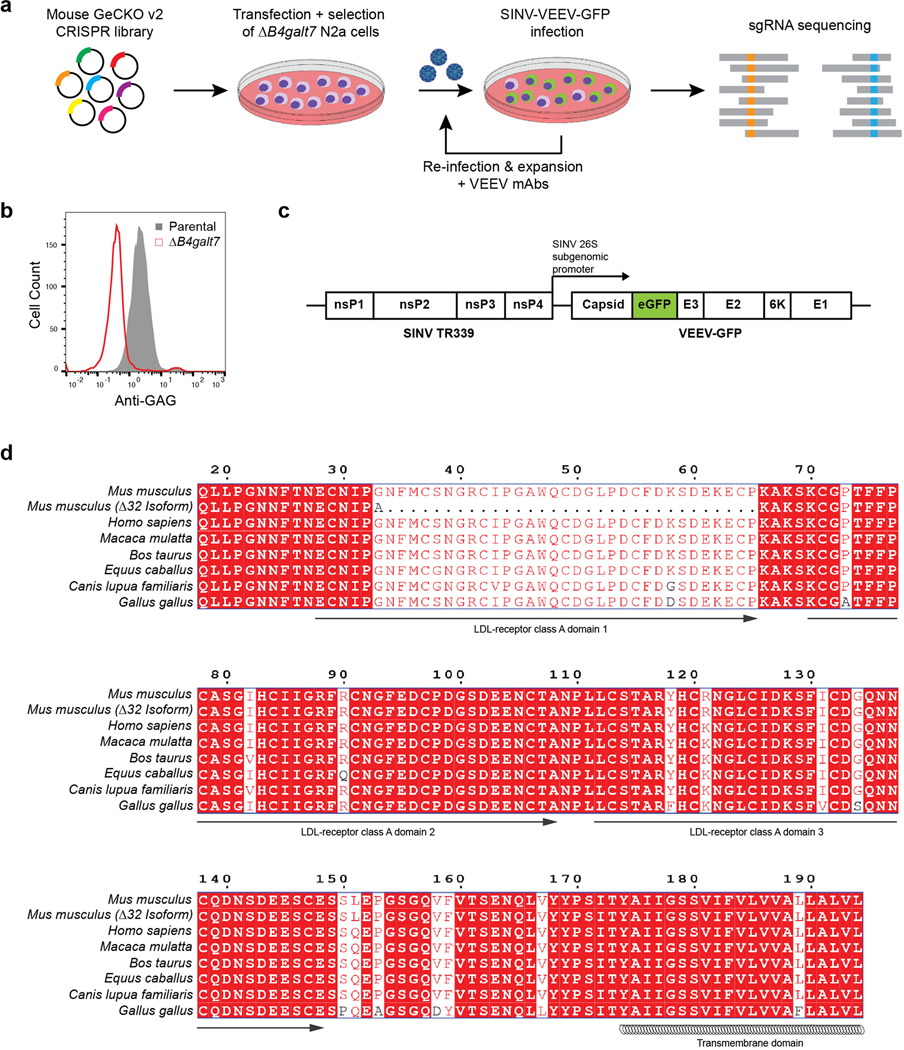
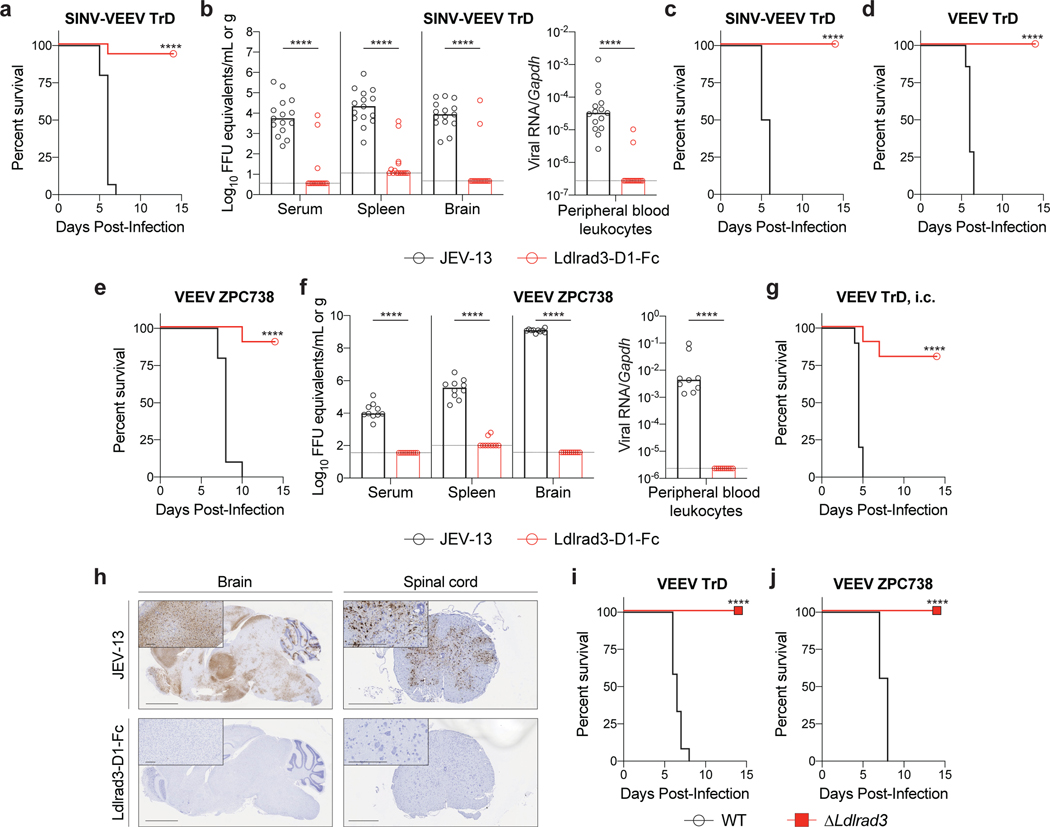
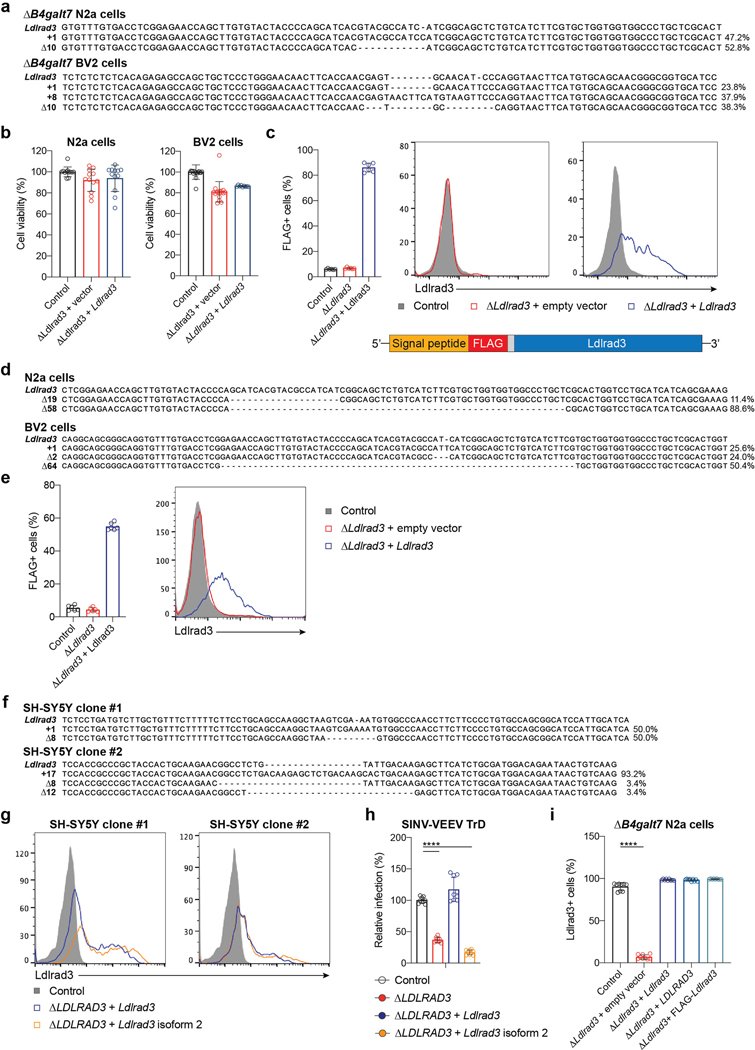
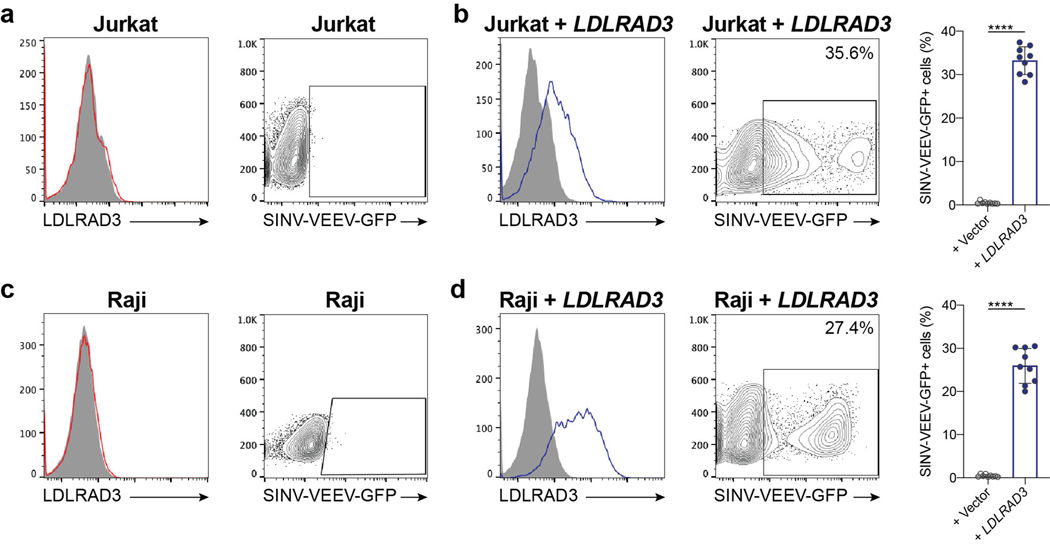
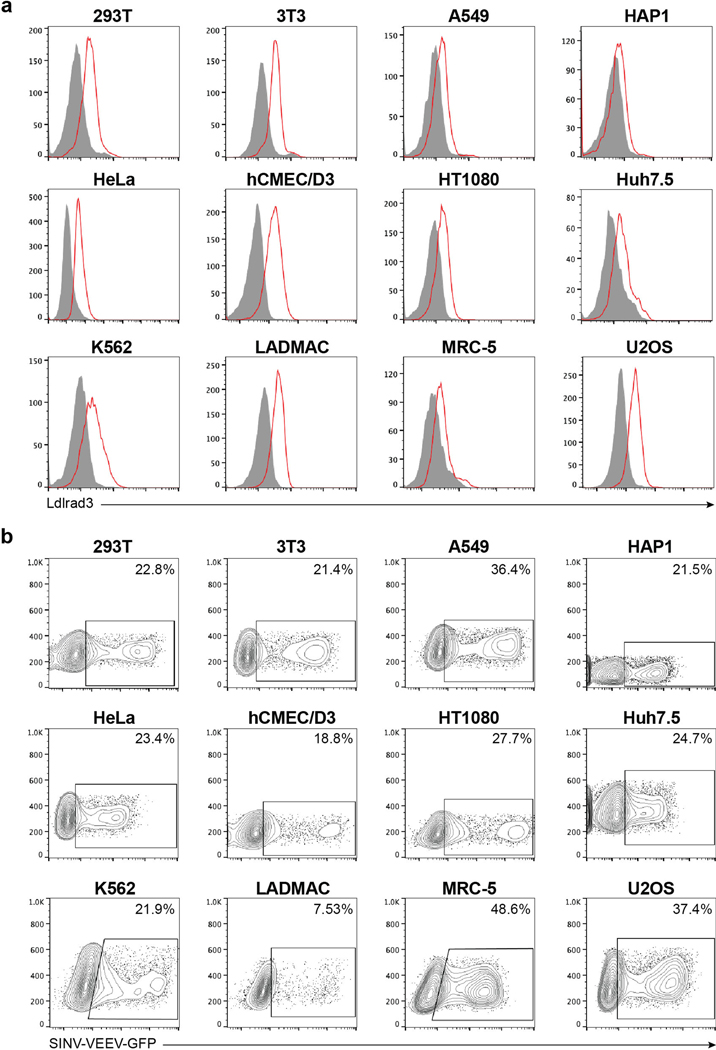
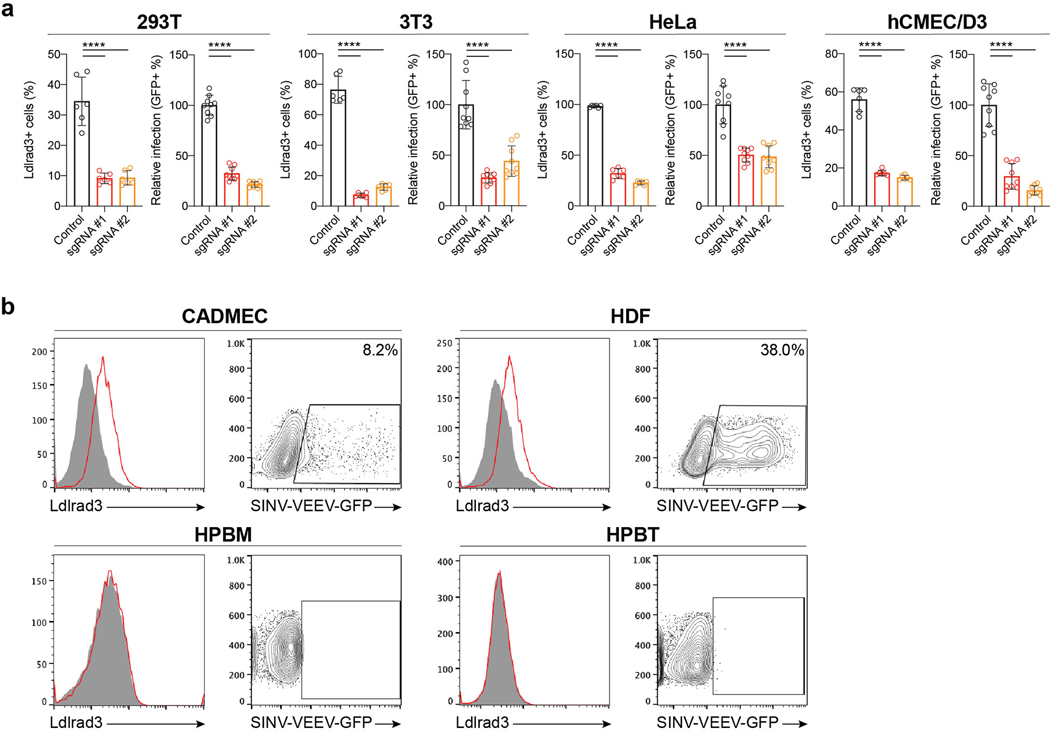
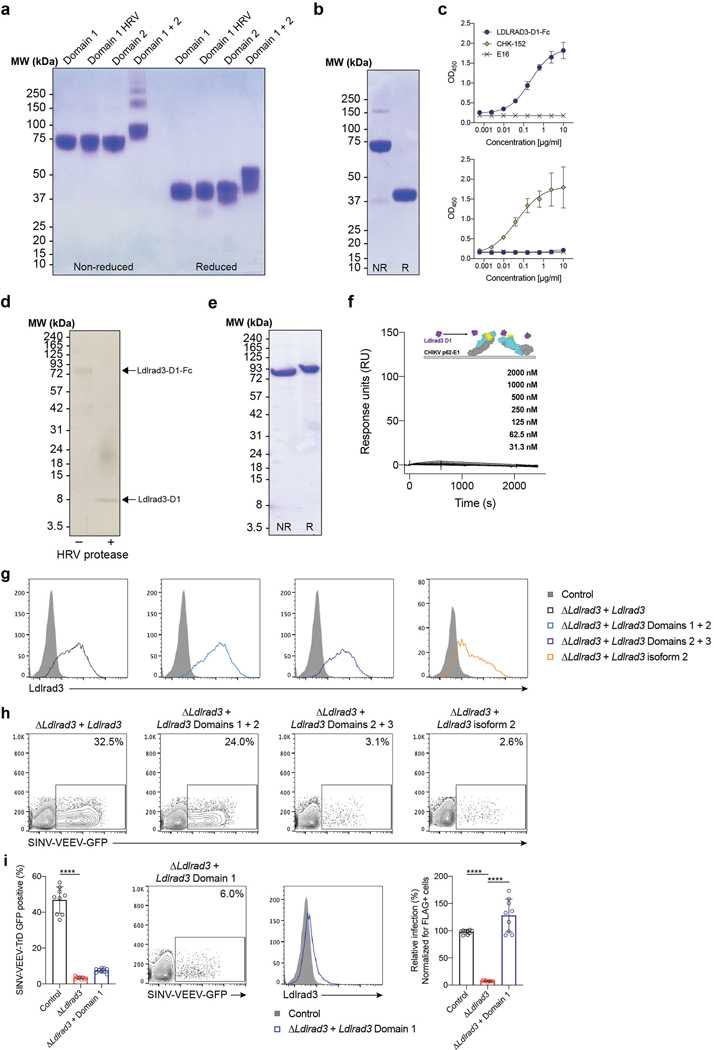
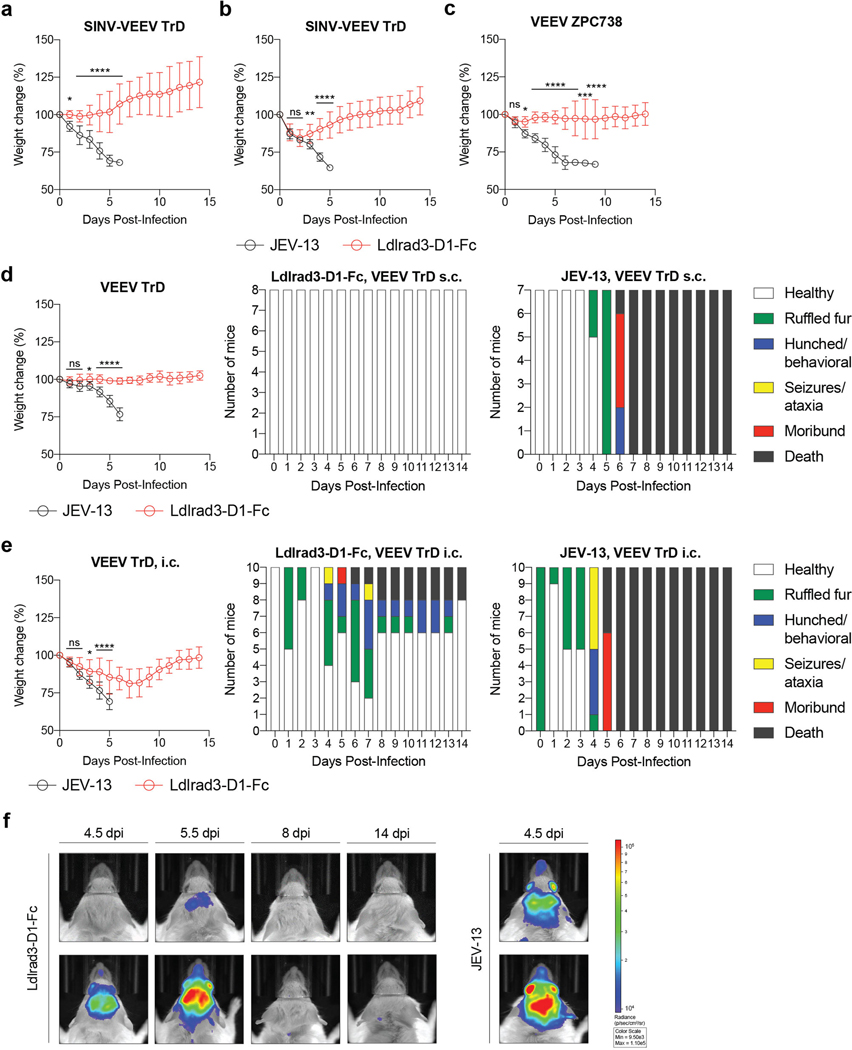
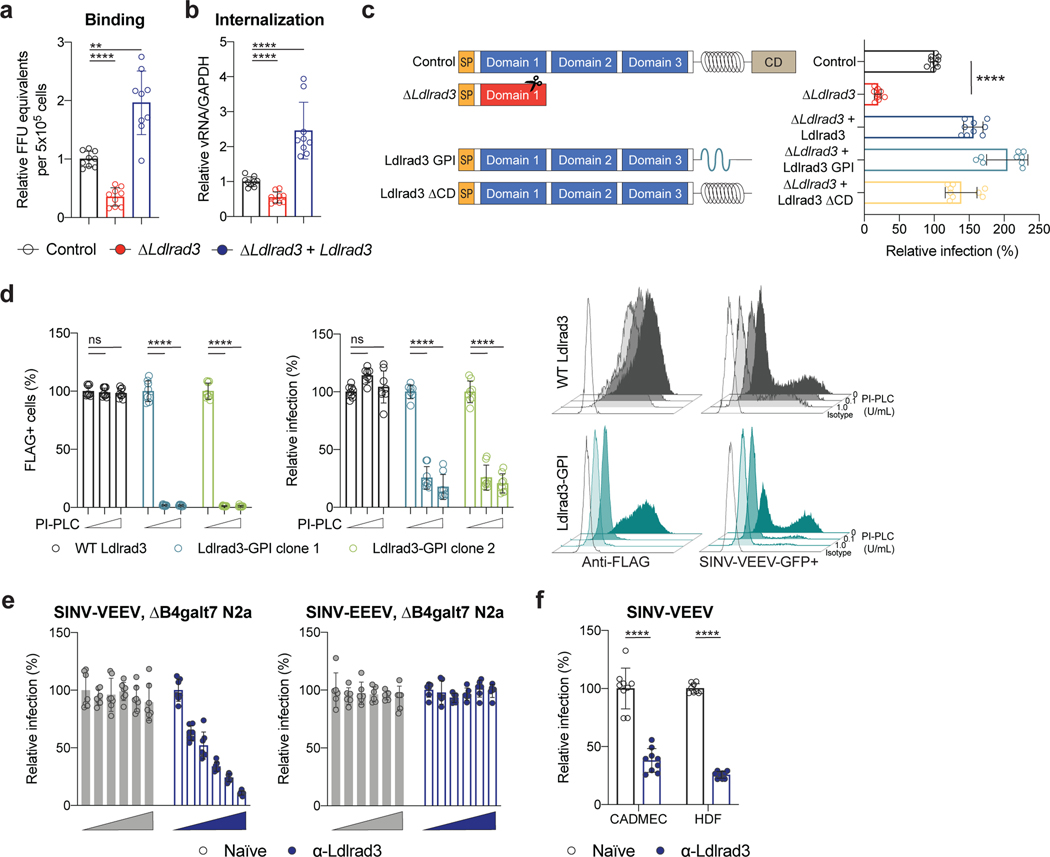
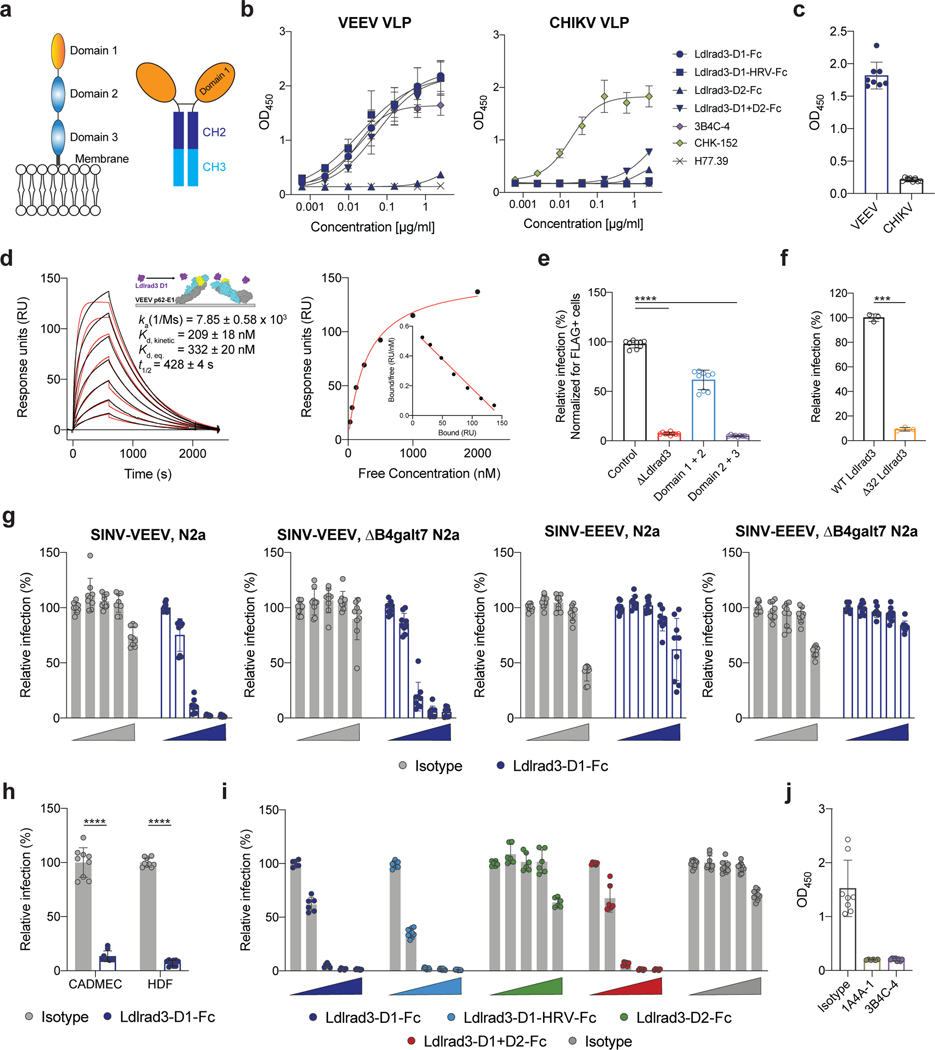
Venezuelan equine encephalitis virus (VEEV) is a neurotropic alphavirus transmitted by mosquitoes that causes encephalitis and death in humans. VEEV is a biodefence concern because of its potential for aerosol spread and the current lack of sufficient countermeasures. The host factors that are required for VEEV entry and infection remain poorly characterized. Here, using a genome-wide CRISPR-Cas9-based screen, we identify low-density lipoprotein receptor class A domain-containing 3 (LDLRAD3)-a highly conserved yet poorly characterized member of the scavenger receptor superfamily-as a receptor for VEEV. Gene editing of mouse Ldlrad3 or human LDLRAD3 results in markedly reduced viral infection of neuronal cells, which is restored upon complementation with LDLRAD3. LDLRAD3 binds directly to VEEV particles and enhances virus attachment and internalization into host cells. Genetic studies indicate that domain 1 of LDLRAD3 (LDLRAD3(D1)) is necessary and sufficient to support infection by VEEV, and both anti-LDLRAD3 antibodies and an LDLRAD3(D1)-Fc fusion protein block VEEV infection in cell culture. The pathogenesis of VEEV infection is abrogated in mice with deletions in Ldlrad3, and administration of LDLRAD3(D1)-Fc abolishes disease caused by several subtypes of VEEV, including highly virulent strains. The development of a decoy-receptor fusion protein suggests a strategy for the prevention of severe VEEV infection and associated disease in humans.
委内瑞拉马脑炎病毒(VEEV)是一种通过蚊子传播的神经嗜性甲病毒,可导致人类脑炎和死亡。由于其气溶胶传播的潜力以及目前缺乏足够的对策,VEEV 引起了生物防御关注。VEEV 进入和感染所需的宿主因素仍未得到充分描述。在这里,我们使用基于全基因组 CRISPR-Cas9 的筛选方法,鉴定出低密度脂蛋白受体 A 类结构域包含 3(LDLRAD3)-一种高度保守但特征研究不足的清道夫受体超家族成员-为 VEEV 的受体。对小鼠 Ldlrad3 或人 LDLRAD3 进行基因编辑会导致神经元细胞的病毒感染明显减少,而通过 LDLRAD3 互补则可恢复病毒感染。LDLRAD3 可直接与 VEEV 颗粒结合,并增强病毒附着和内化进入宿主细胞。遗传研究表明,LDLRAD3 的结构域 1(LDLRAD3(D1)) 是支持 VEEV 感染所必需和充分的,并且抗 LDLRAD3 抗体和 LDLRAD3(D1)-Fc 融合蛋白均可阻断细胞培养物中的 VEEV 感染。在 Ldlrad3 缺失的小鼠中,VEEV 感染的发病机制被阻断,并且 LDLRAD3(D1)-Fc 的给药可消除由几种 VEEV 亚型引起的疾病,包括高毒力株。诱饵受体融合蛋白的开发提出了一种预防人类严重 VEEV 感染和相关疾病的策略。