Charles Khanichi N, Shackelford Janis E, Faust Phyllis L, Fliesler Steven J, Stangl Herbert, Kovacs Werner J
Department of Biology, San Diego State University, San Diego, CA, United States.
Department of Pathology and Cell Biology, Vagelos College of Physicians and Surgeons, Columbia University, New York, NY, United States.
Front Cell Dev Biol. 2020 Nov 6;8:560266. doi: 10.3389/fcell.2020.560266. eCollection 2020.
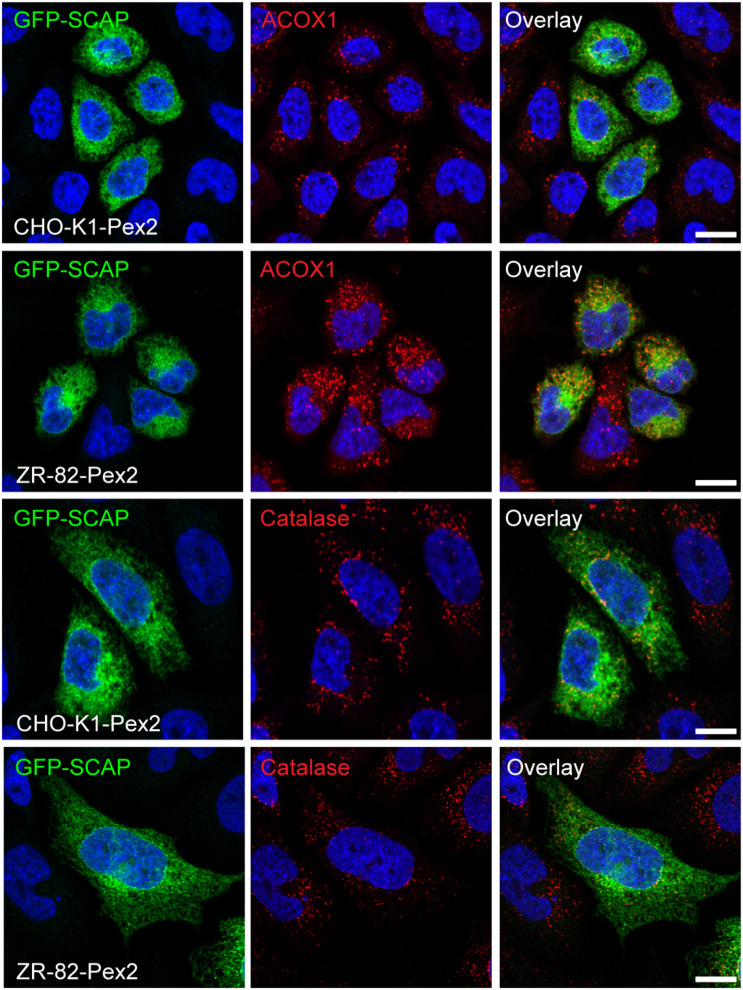
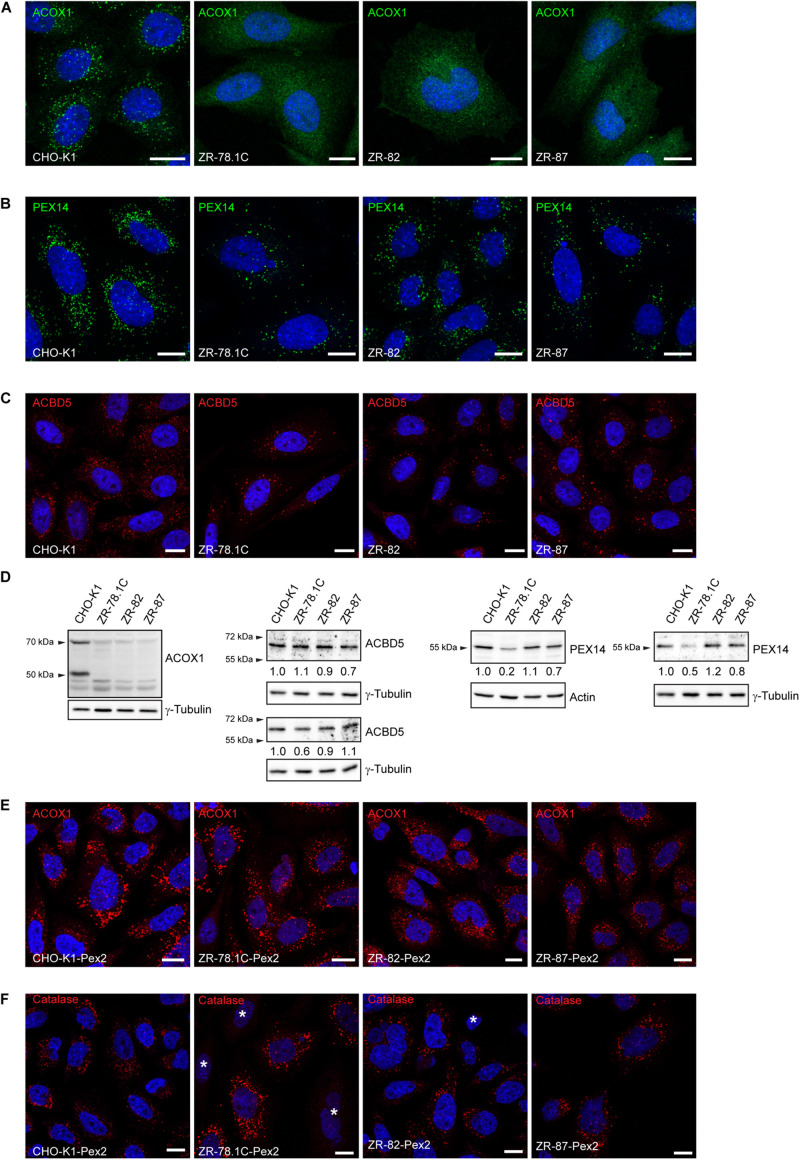
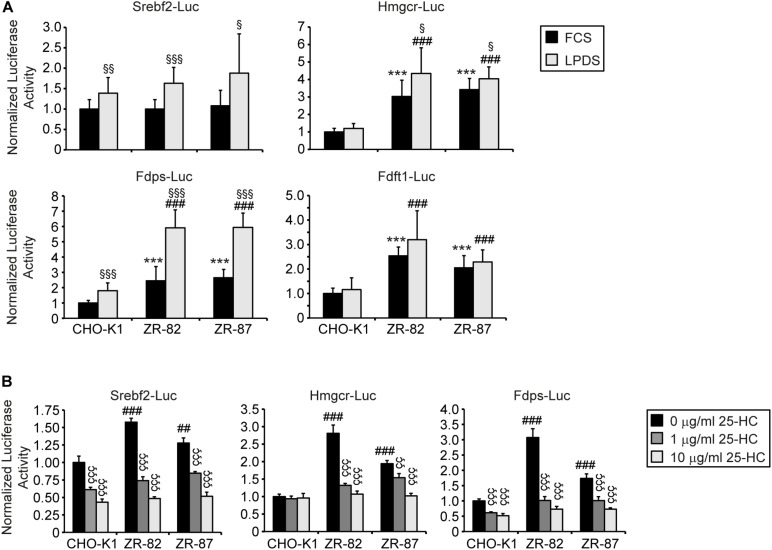
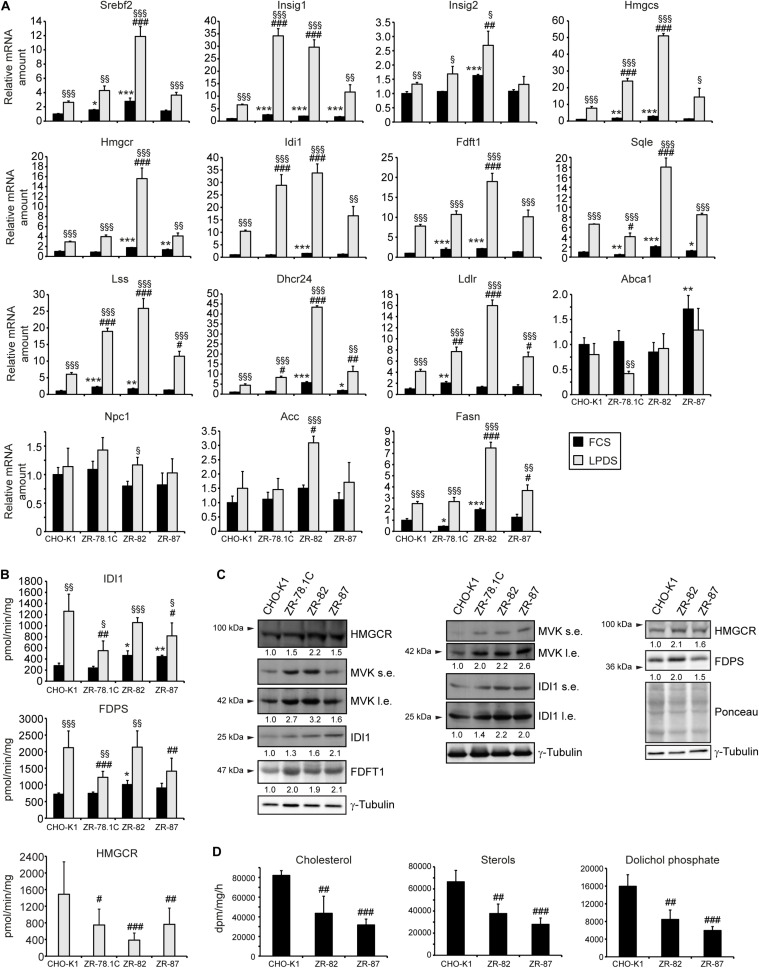
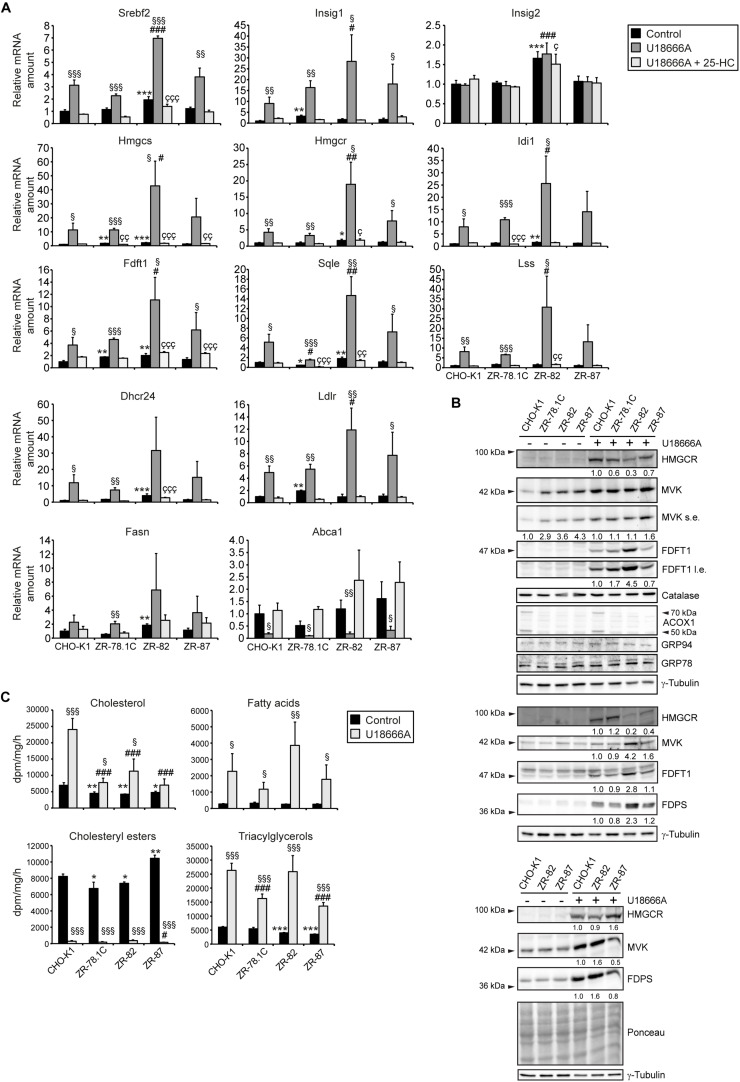
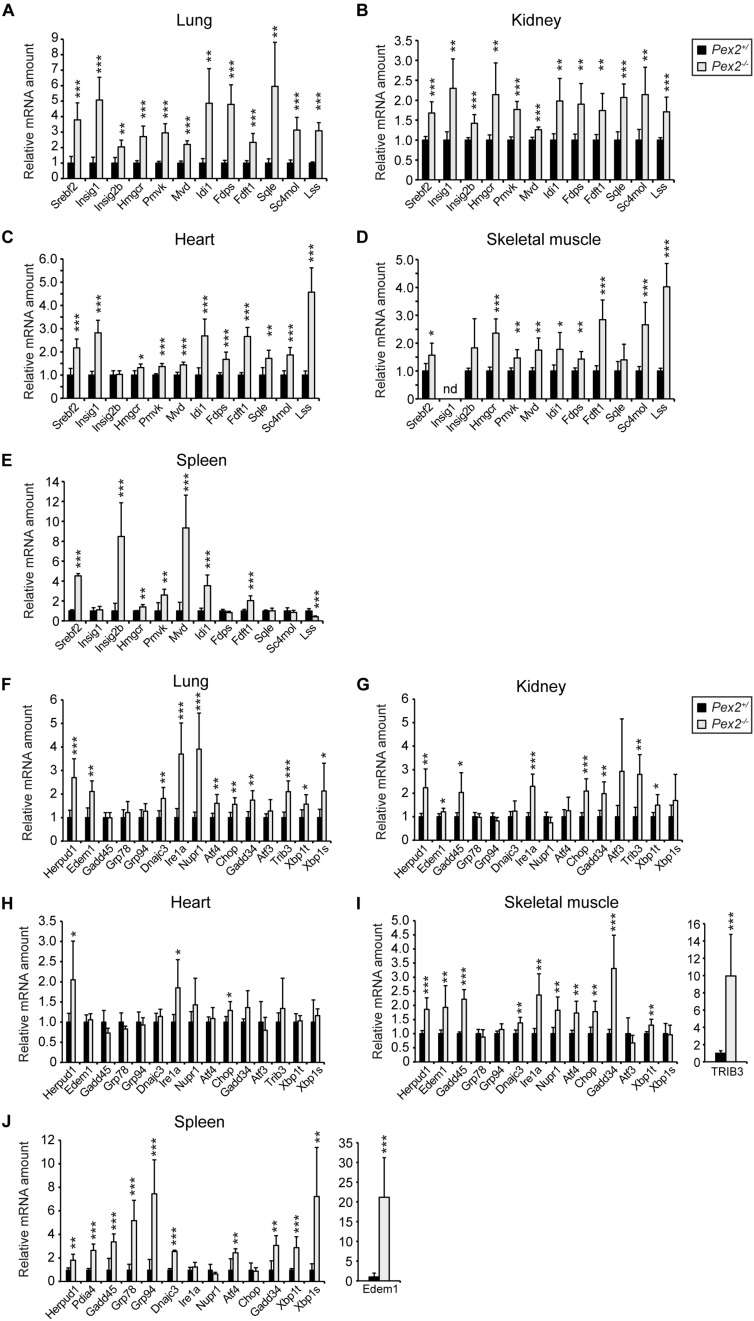
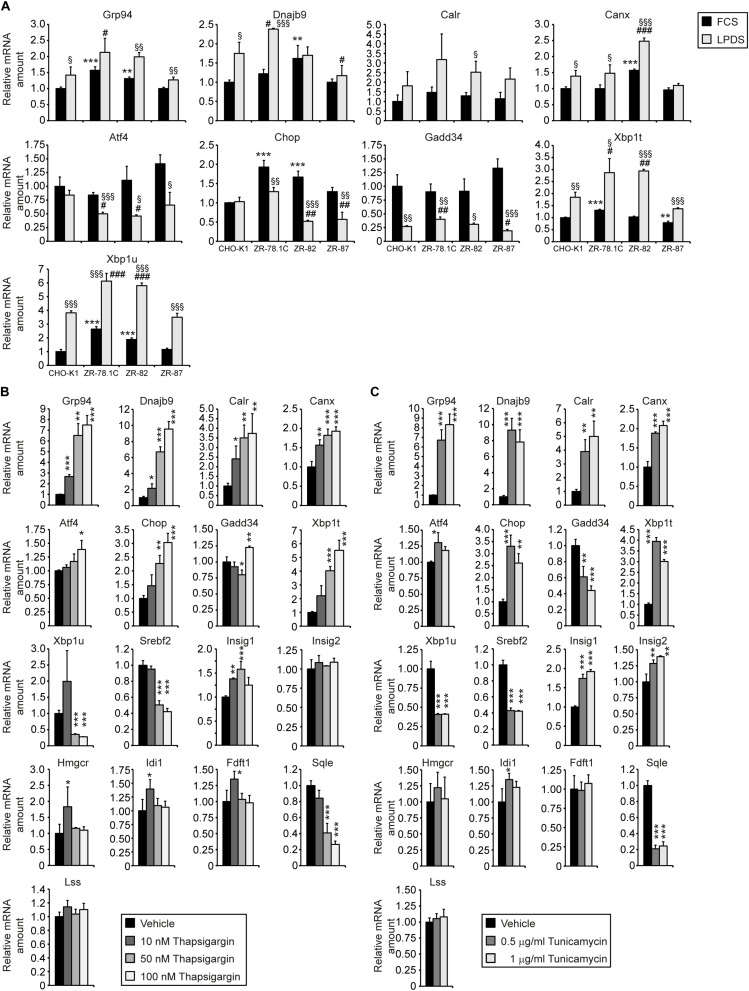
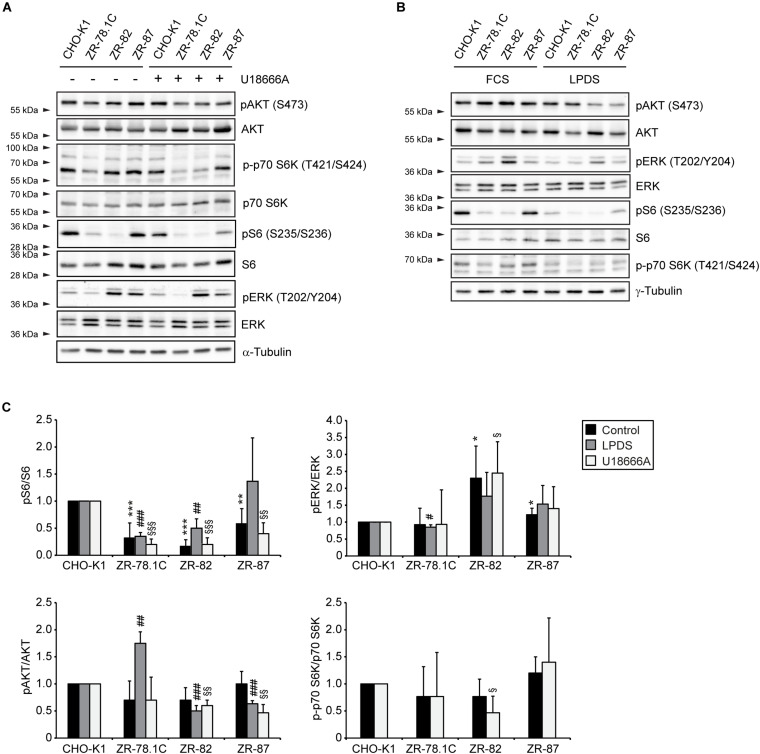
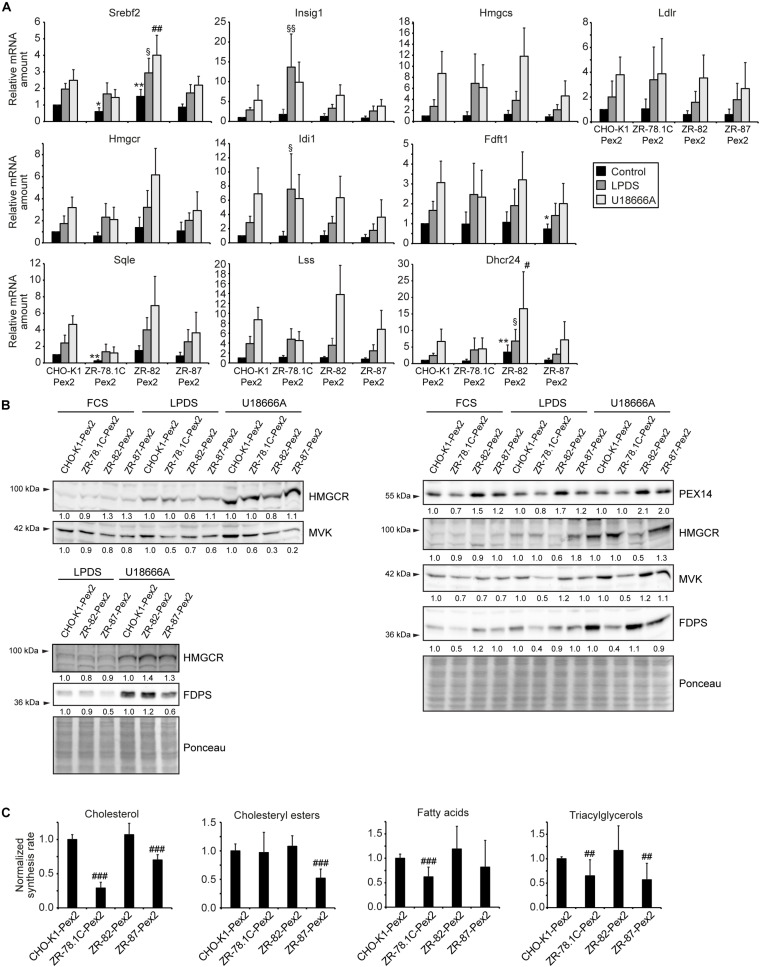
Cholesterol biosynthesis is a multi-step process involving several subcellular compartments, including peroxisomes. Cells adjust their sterol content by both transcriptional and post-transcriptional feedback regulation, for which sterol regulatory element-binding proteins (SREBPs) are essential; such homeostasis is dysregulated in peroxisome-deficient knockout mice. Here, we compared the regulation of cholesterol biosynthesis in Chinese hamster ovary (CHO-K1) cells and in three isogenic peroxisome-deficient CHO cell lines harboring gene mutations. Peroxisome deficiency activated expression of cholesterogenic genes, however, cholesterol levels were unchanged. 3-hydroxy-3-methylglutaryl-CoA reductase (HMGCR) protein levels were increased in mutant cells, whereas HMGCR activity was significantly decreased, resulting in reduced cholesterol synthesis. U18666A, an inhibitor of lysosomal cholesterol export, induced cholesterol biosynthetic enzymes; yet, cholesterol synthesis was still reduced. Interestingly, peroxisome deficiency promoted ER-to-Golgi SREBP cleavage-activating protein (SCAP) trafficking even when cells were cholesterol-loaded. Restoration of functional peroxisomes normalized regulation of cholesterol synthesis and SCAP trafficking. These results highlight the importance of functional peroxisomes for maintaining cholesterol homeostasis and efficient cholesterol synthesis.
胆固醇生物合成是一个涉及多个亚细胞区室(包括过氧化物酶体)的多步骤过程。细胞通过转录和转录后反馈调节来调整其甾醇含量,其中甾醇调节元件结合蛋白(SREBPs)至关重要;在过氧化物酶体缺陷的基因敲除小鼠中,这种稳态被破坏。在这里,我们比较了中国仓鼠卵巢(CHO-K1)细胞和三种携带基因突变的同基因过氧化物酶体缺陷CHO细胞系中胆固醇生物合成的调节情况。过氧化物酶体缺陷激活了胆固醇生成基因的表达,然而,胆固醇水平并未改变。突变细胞中3-羟基-3-甲基戊二酰辅酶A还原酶(HMGCR)蛋白水平升高,而HMGCR活性显著降低,导致胆固醇合成减少。溶酶体胆固醇输出抑制剂U18666A诱导胆固醇生物合成酶;然而,胆固醇合成仍然减少。有趣的是,即使细胞加载了胆固醇,过氧化物酶体缺陷也会促进内质网到高尔基体的SREBP裂解激活蛋白(SCAP)运输。功能性过氧化物酶体的恢复使胆固醇合成和SCAP运输的调节正常化。这些结果突出了功能性过氧化物酶体对维持胆固醇稳态和有效胆固醇合成的重要性。