Division of Biological Sciences, University of California, San Diego, 9500 Gilman Drive, La Jolla, CA 92093, USA.
Guangzhou University of Chinese Medicine, Second Clinical Medical College, 232 Waihuan Road E, Guangzhou, Guangdong 510006, China.
EBioMedicine. 2020 Dec;62:103120. doi: 10.1016/j.ebiom.2020.103120. Epub 2020 Nov 23.
With their inherent capability of unlimited self-renewal and unique potential to differentiate into functional cells of the three germ layers, human embryonic stem cells (hESCs) hold great potential in regenerative medicine. A major challenge in the application of hESC-based cell therapy is the allogeneic immune rejection of hESC-derived allografts.
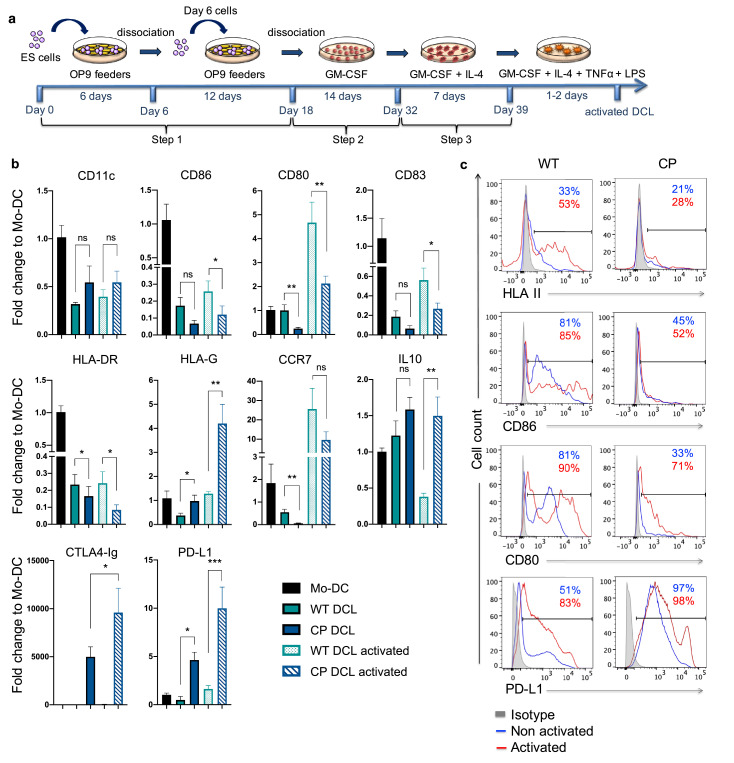
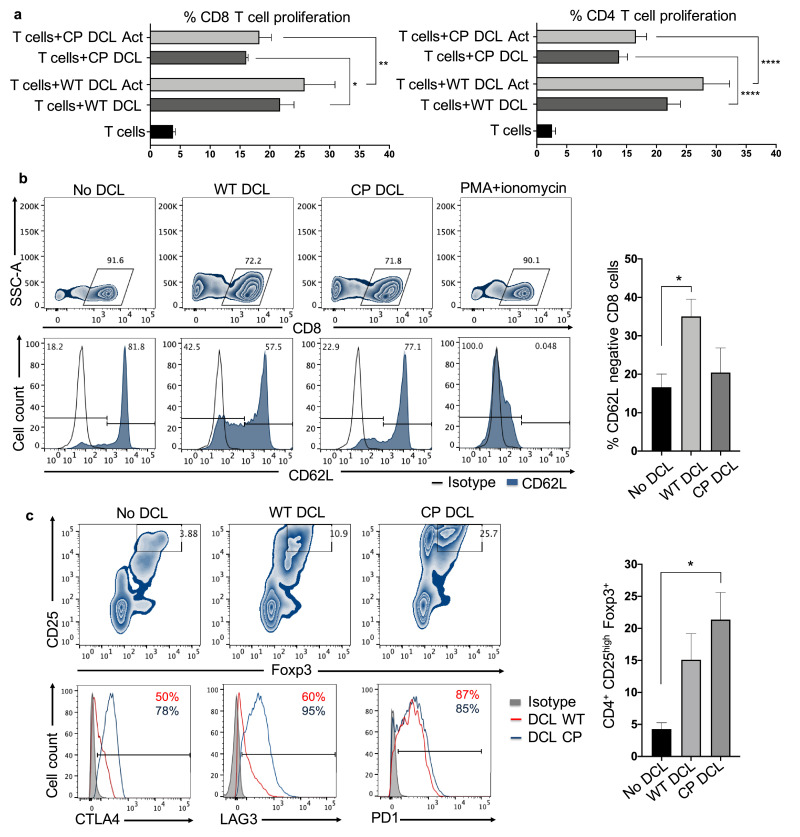
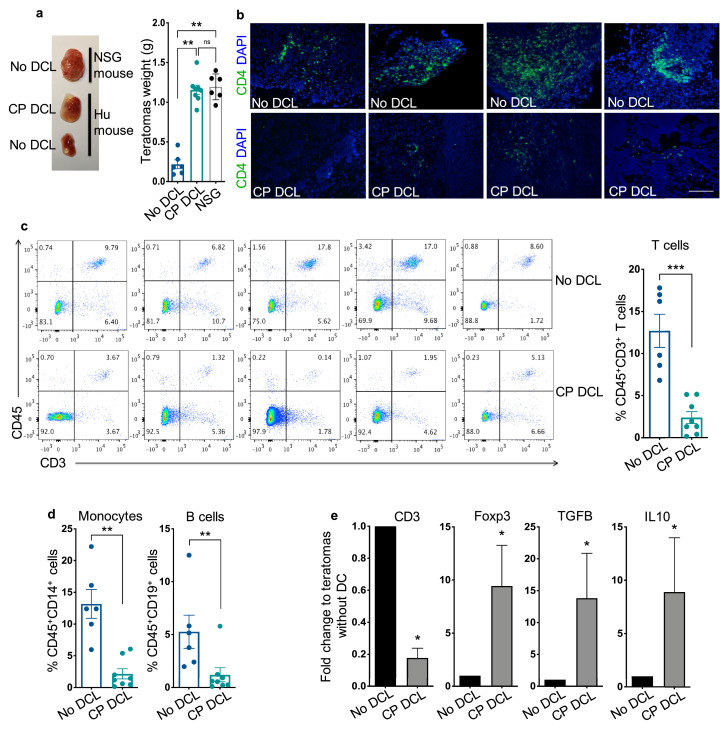
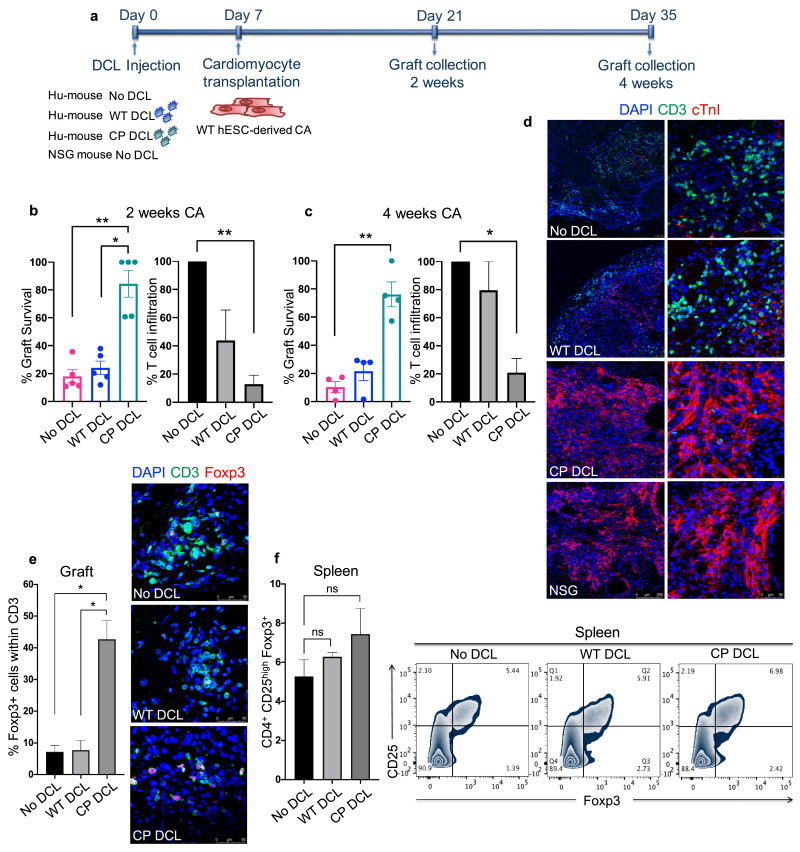
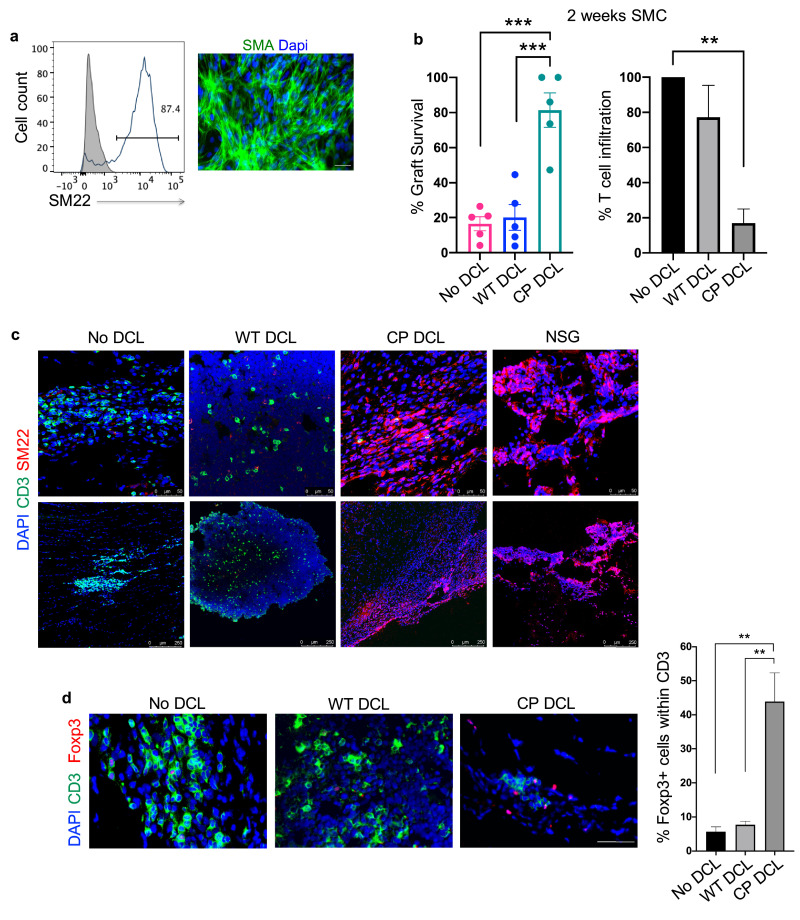
We derived dendritic cell-like cells (DCLs) from wild type and CTLA4-Ig/PD-L1 knock-in hESCs, denoted WT DCLs and CP DCLs. The expression of DC-related genes and surface molecules was evaluated, as well as their DCL capacity to stimulate allogeneic T cells and induce regulatory T (Treg) cells in vitro. Using an immune system humanized mouse model, we investigated whether the adoptive transfer of CP DCLs can induce long-term immune tolerance of parental hESC-derived smooth muscle and cardiomyocyte allografts.
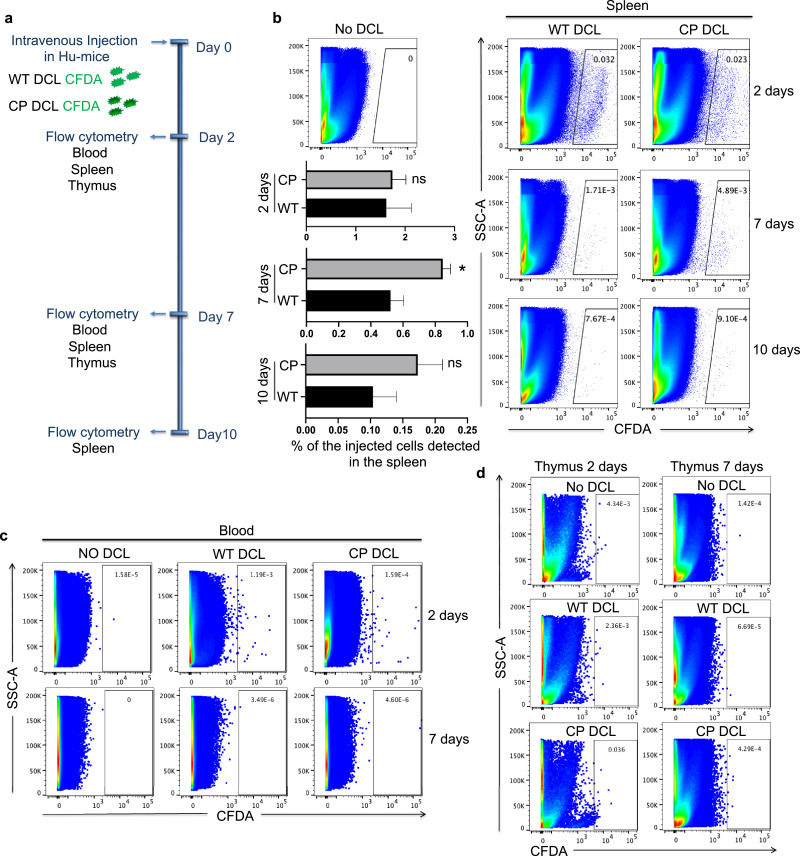
CP DCLs can maintain immune suppressive properties after robust inflammatory stimulation and induce Treg cells. While CP DCLs survive transiently in vivo, they induce long-term immune tolerance of parental hESC-derived allografts.
This strategy does not cause systemic immune suppression but induces immune tolerance specific for DCL-specific HLAs, and thus it presents a safe and effective approach to induce immune tolerance of allografts derived from any clinically approved hESC line.
NSFC, leading talents of Guangdong Province Program (No. 00201516), Key R&D Program of Guangdong Province (2019B020235003), Science and Technology Innovation Committee of Shenzhen Municipality (JCYJ20180504170301309), National High-tech R&D Program (863 Program No. 2015AA020310), Shenzhen "Sanming" Project of Medicine (SZSM201602102), Development and Reform Commission of Shenzhen Municipality (S2016004730009), CIRM (DISC2-10559).
人类胚胎干细胞(hESC)具有无限自我更新的固有能力和分化为三个胚层功能细胞的独特潜力,在再生医学中具有巨大的潜力。基于 hESC 的细胞治疗应用中的一个主要挑战是 hESC 衍生同种异体移植物的同种异体免疫排斥。
我们从野生型和 CTLA4-Ig/PD-L1 敲入 hESC 中诱导树突状细胞样细胞(DCL),分别命名为 WT DCL 和 CP DCL。评估了与 DC 相关的基因和表面分子的表达,以及它们刺激同种异体 T 细胞和体外诱导调节性 T(Treg)细胞的能力。使用免疫系统人源化小鼠模型,我们研究了 CP DCL 的过继转移是否可以诱导亲本 hESC 衍生平滑肌和心肌细胞同种异体移植物的长期免疫耐受。
CP DCL 在强烈的炎症刺激后仍能保持免疫抑制特性,并诱导 Treg 细胞。虽然 CP DCL 在体内短暂存活,但它们诱导亲本 hESC 衍生同种异体移植物的长期免疫耐受。
该策略不会引起全身免疫抑制,而是诱导针对 DCL 特异性 HLA 的免疫耐受,因此是诱导任何临床批准的 hESC 系衍生同种异体移植物免疫耐受的安全有效方法。
国家自然科学基金委员会、广东省领军人才项目(No. 00201516)、广东省重点研发计划(2019B020235003)、深圳市科技创新委员会(JCYJ20180504170301309)、国家高技术研究发展计划(863 计划 No. 2015AA020310)、深圳市“三名”工程(SZSM201602102)、深圳市发展和改革委员会(S2016004730009)、CIRM(DISC2-10559)。