Department of Otolaryngology-Head and Neck Surgery, Korea University College of Medicine, Seoul, Korea.
Department of Otolaryngology-Head and Neck Surgery, Kangnam Sacred Heart Hospital, Hallym University College of Medicine, 948-1, Daerim 1-dong, Yeongdeunpo-gu, Seoul, 150-950, Korea.
Sci Rep. 2020 Nov 27;10(1):20799. doi: 10.1038/s41598-020-77816-2.
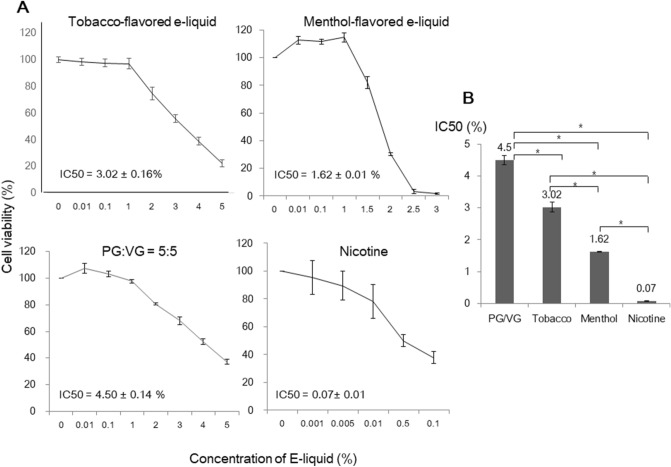
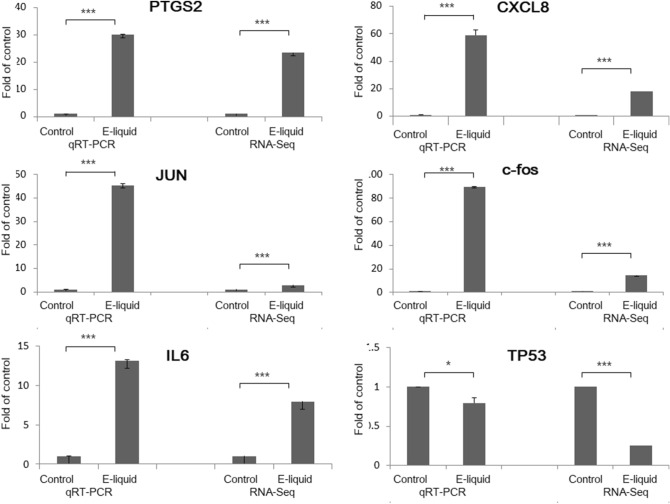
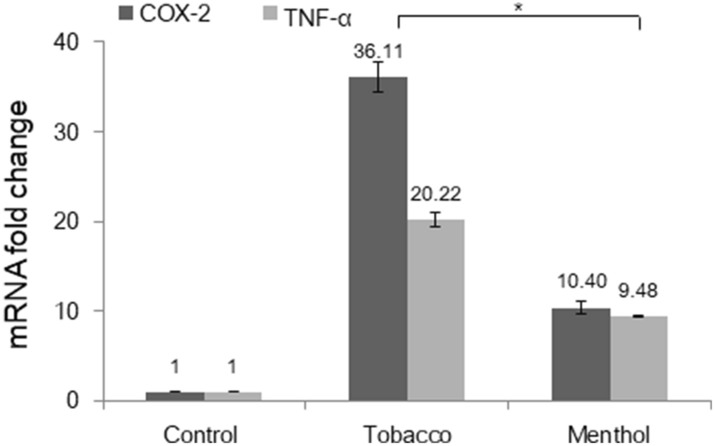
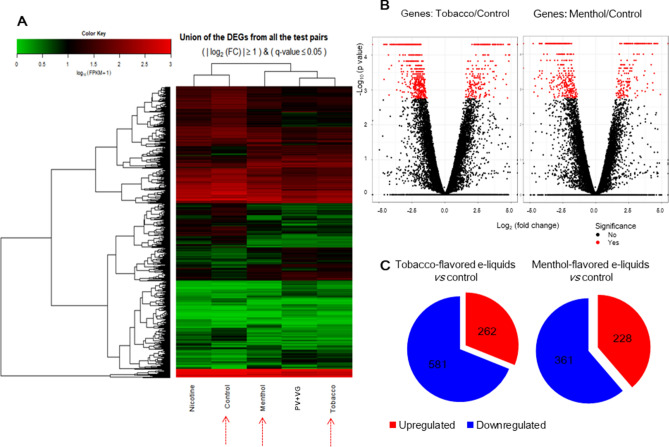
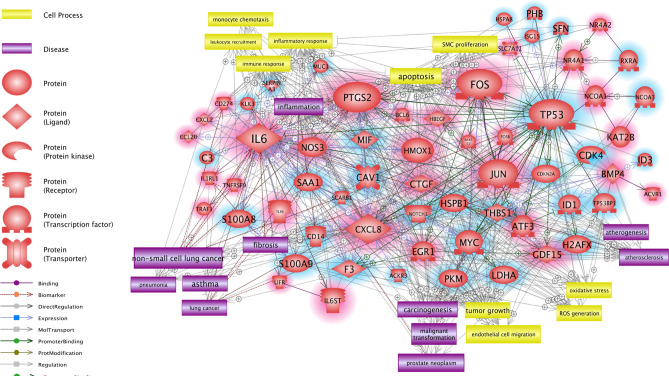
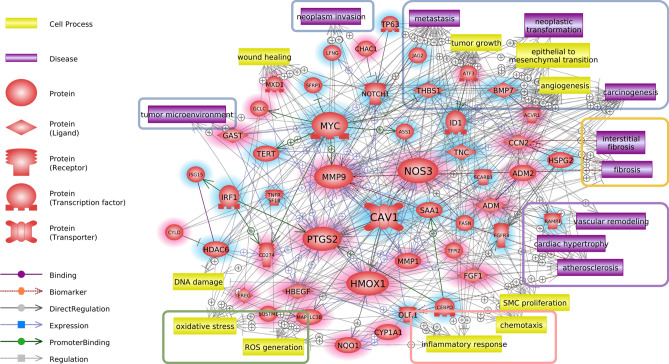
Electronic cigarettes (e-cigarettes) are the most widely used electronic nicotine delivery systems and are designed to imitate smoking and aid in smoking cessation. Although the number of e-cigarette users is increasing rapidly, especially among young adults and adolescents, the potential health impacts and biologic effects of e-cigarettes still need to be elucidated. Our previous study demonstrated the cytotoxic effects of electronic liquids (e-liquids) in a human middle ear epithelial cell (HMEEC-1) line, which were affected by the manufacturer and flavoring agents regardless of the presence of nicotine. In this study, we aimed to evaluate the gene expression profile and identify potential molecular modulator genes and pathways in HMEEC-1 exposed to two different e-liquids (tobacco- and menthol-flavored). HMEEC-1 was exposed to e-liquids, and RNA sequencing, functional analysis, and pathway analysis were conducted to identify the resultant transcriptomic changes. A total of 843 genes were differentially expressed following exposure to the tobacco-flavored e-liquid, among which 262 genes were upregulated and 581 were downregulated. Upon exposure to the menthol-flavored e-liquid, a total of 589 genes were differentially expressed, among which 228 genes were upregulated and 361 were downregulated. Among the signaling pathways associated with the differentially expressed genes mediated by tobacco-flavored e-liquid exposure, several key molecular genes were identified, including IL6 (interleukin 6), PTGS2 (prostaglandin-endoperoxide synthase 2), CXCL8 (C-X-C motif chemokine ligand 8), JUN (Jun proto-oncogene), FOS (Fos proto-oncogene), and TP53 (tumor protein 53). Under menthol-flavored e-liquid treatment, MMP9 (matrix metallopeptidase 9), PTGS2 (prostaglandin-endoperoxide synthase 2), MYC (MYC proto-oncogene, bHLH transcription factor), HMOX1 (heme oxygenase 1), NOS3 (nitric oxide synthase 3), and CAV1 (caveolin 1) were predicted as key genes. In addition, we identified related cellular processes, including inflammatory responses, oxidative stress and carcinogenesis, under exposure to tobacco- and menthol-flavored e-liquids. We identified differentially expressed genes and related cellular processes and gene signaling pathways after e-cigarette exposure in human middle ear cells. These findings may provide useful evidence for understanding the effect of e-cigarette exposure.
电子香烟(电子烟)是最广泛使用的电子尼古丁输送系统,旨在模仿吸烟并帮助戒烟。尽管电子烟使用者的数量迅速增加,尤其是在年轻成年人和青少年中,但电子烟的潜在健康影响和生物学效应仍需阐明。我们之前的研究表明,电子液体(电子烟液)在人中耳上皮细胞(HMEEC-1)系中的细胞毒性作用,无论是否存在尼古丁,都受制造商和调味剂的影响。在这项研究中,我们旨在评估两种不同电子烟液(烟草味和薄荷味)暴露于 HMEEC-1 后基因表达谱,并鉴定潜在的分子调节剂基因和途径。用电子烟液处理 HMEEC-1 后,进行 RNA 测序、功能分析和途径分析,以鉴定转录组变化。暴露于烟草味电子烟液后,共有 843 个基因表达差异,其中 262 个基因上调,581 个基因下调。暴露于薄荷味电子烟液后,共有 589 个基因表达差异,其中 228 个基因上调,361 个基因下调。在与烟草味电子烟液暴露介导的差异表达基因相关的信号通路中,鉴定出了几个关键的分子基因,包括 IL6(白细胞介素 6)、PTGS2(前列腺素内过氧化物合酶 2)、CXCL8(C-X-C 基序趋化因子配体 8)、JUN(Jun 原癌基因)、FOS(Fos 原癌基因)和 TP53(肿瘤蛋白 53)。在薄荷味电子烟液处理下,预测 MMP9(基质金属蛋白酶 9)、PTGS2(前列腺素内过氧化物合酶 2)、MYC(MYC 原癌基因,bHLH 转录因子)、HMOX1(血红素加氧酶 1)、NOS3(一氧化氮合酶 3)和 CAV1(窖蛋白 1)为关键基因。此外,我们还确定了暴露于烟草和薄荷味电子烟液后与炎症反应、氧化应激和致癌作用相关的相关细胞过程。我们在人中耳细胞中鉴定了电子烟暴露后差异表达的基因及其相关的细胞过程和基因信号通路。这些发现可能为了解电子烟暴露的影响提供有用的证据。