Salez Thomas J, Nakamae Sawako, Perzynski Régine, Mériguet Guillaume, Cebers Andrejs, Roger Michel
Service de Physique de l'État Condensé, CEA, CNRS, Université Paris-Saclay, 91191 Gif sur Yvette CEDEX, France.
Laboratoire Physicochimie des Electrolytes et Nanosystèmes Interfaciaux (PHENIX), Sorbonne Université, CNRS, 4 Place Jussieu, F-75005 Paris, France.
Entropy (Basel). 2018 May 24;20(6):405. doi: 10.3390/e20060405.
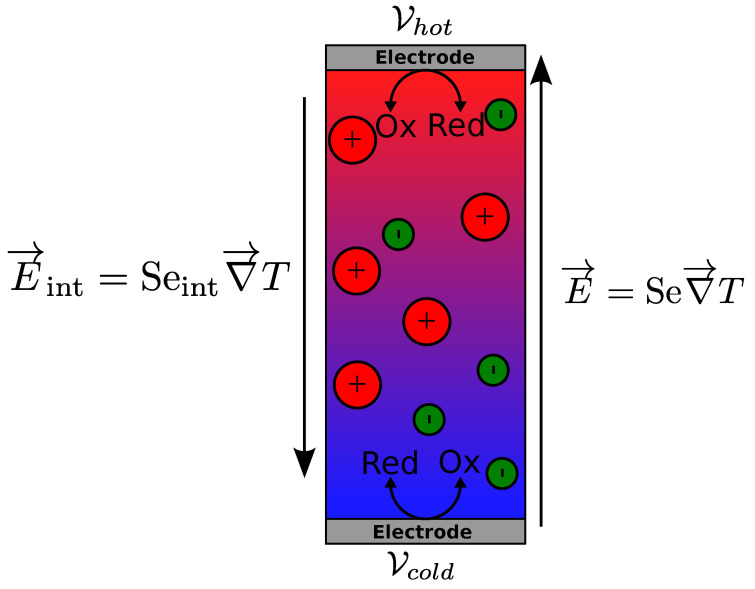
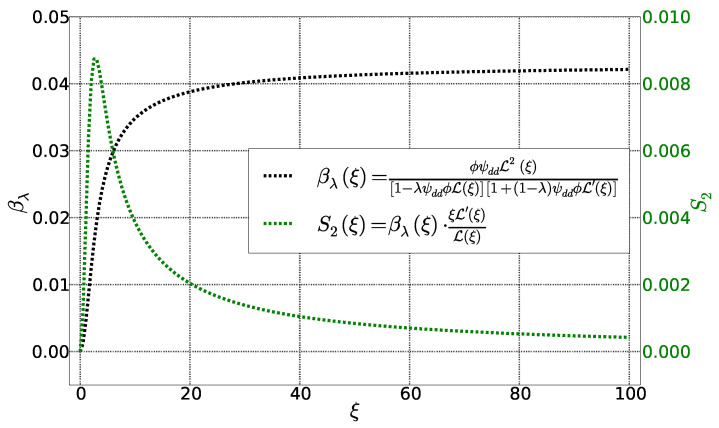
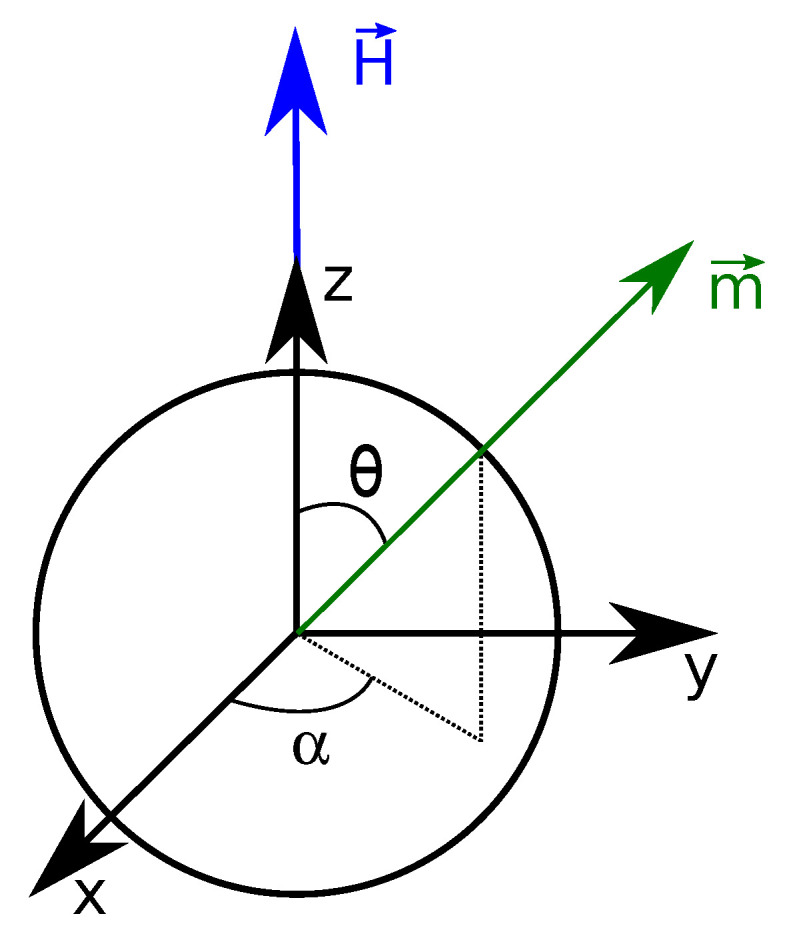
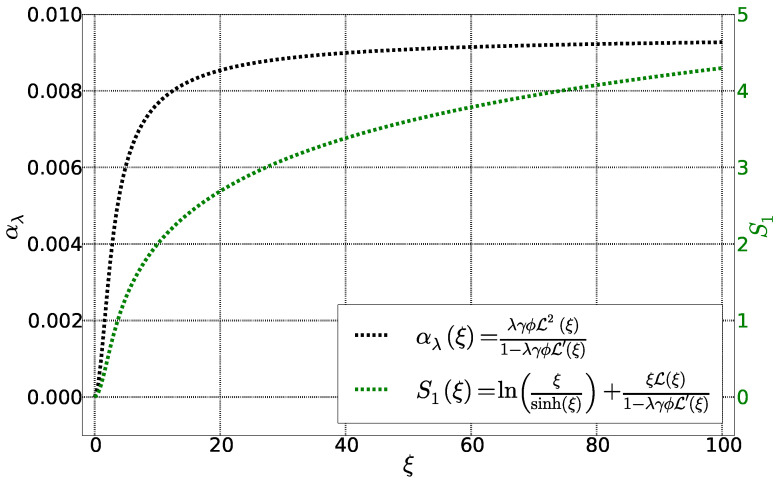
An analytical model describing the thermoelectric potential production in magnetic nanofluids (dispersions of magnetic and charged colloidal particles in liquid media) is presented. The two major entropy sources, the thermogalvanic and thermodiffusion processes are considered. The thermodiffusion term is described in terms of three physical parameters; the diffusion coefficient, the Eastman entropy of transfer and the electrophoretic charge number of colloidal particles, which all depend on the particle concentration and the applied magnetic field strength and direction. The results are combined with well-known formulation of thermoelectric potential in thermogalvanic cells and compared to the recent observation of Seebeck coefficient enhancement/diminution in magnetic nanofluids in polar media.
本文提出了一个分析模型,用于描述磁性纳米流体(磁性和带电胶体颗粒在液体介质中的分散体)中的热电势产生。考虑了两个主要的熵源,即热电流和热扩散过程。热扩散项由三个物理参数描述;扩散系数、伊士曼转移熵和胶体颗粒的电泳电荷数,这些参数均取决于颗粒浓度以及施加的磁场强度和方向。将结果与热电流电池中热电势的知名公式相结合,并与最近在极性介质中磁性纳米流体中塞贝克系数增强/减弱的观测结果进行比较。