Department of Nuclear Medicine, Renji Hospital, School of Medicine, Shanghai Jiao Tong University, Shanghai, 200127, China.
Division of Physical Therapy Education, University of Nebraska Medical Center, Omaha, NE, USA.
Cell Death Dis. 2020 Dec 5;11(12):1036. doi: 10.1038/s41419-020-03212-3.
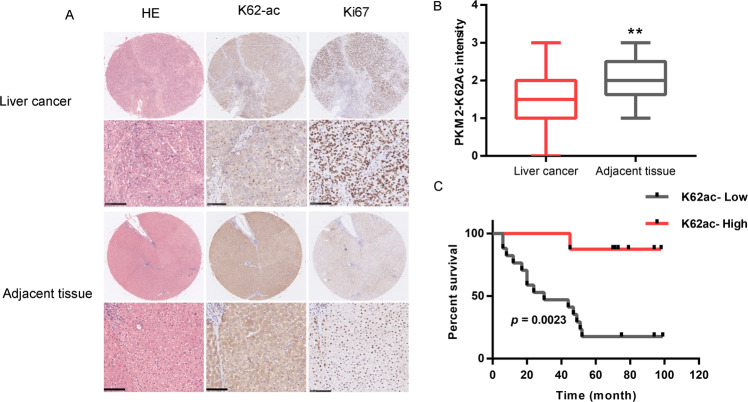
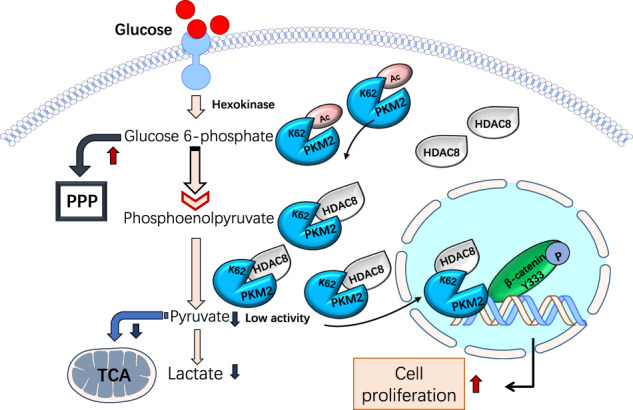
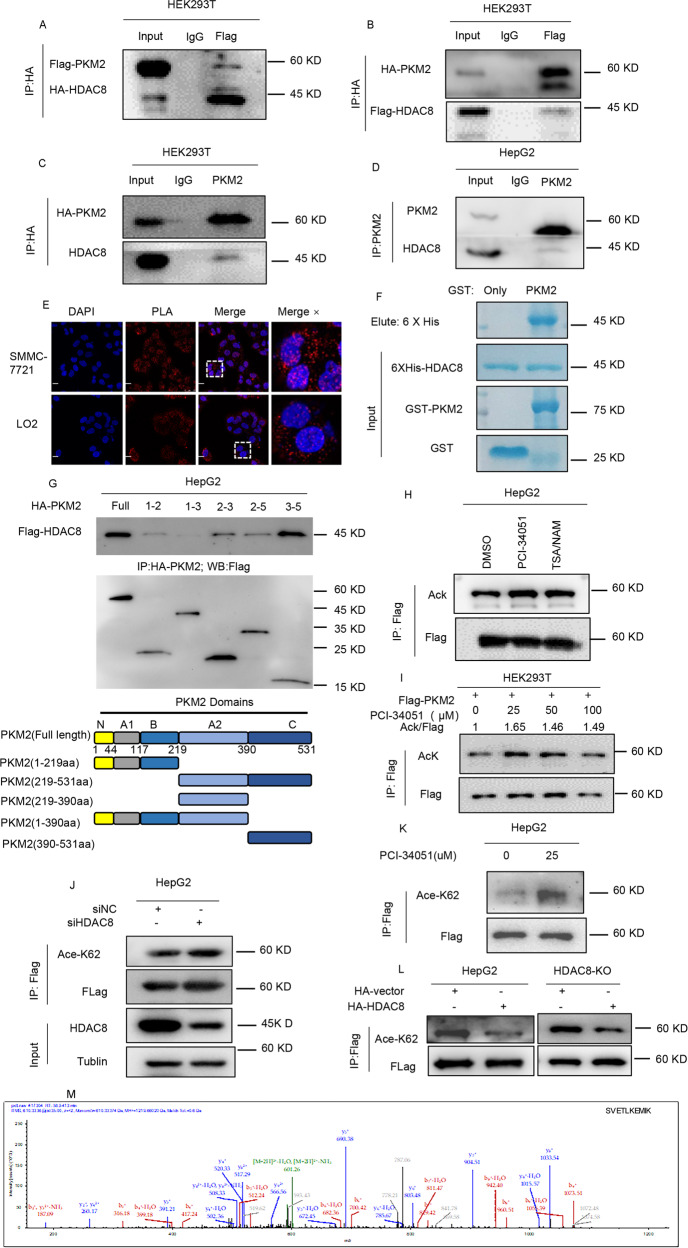
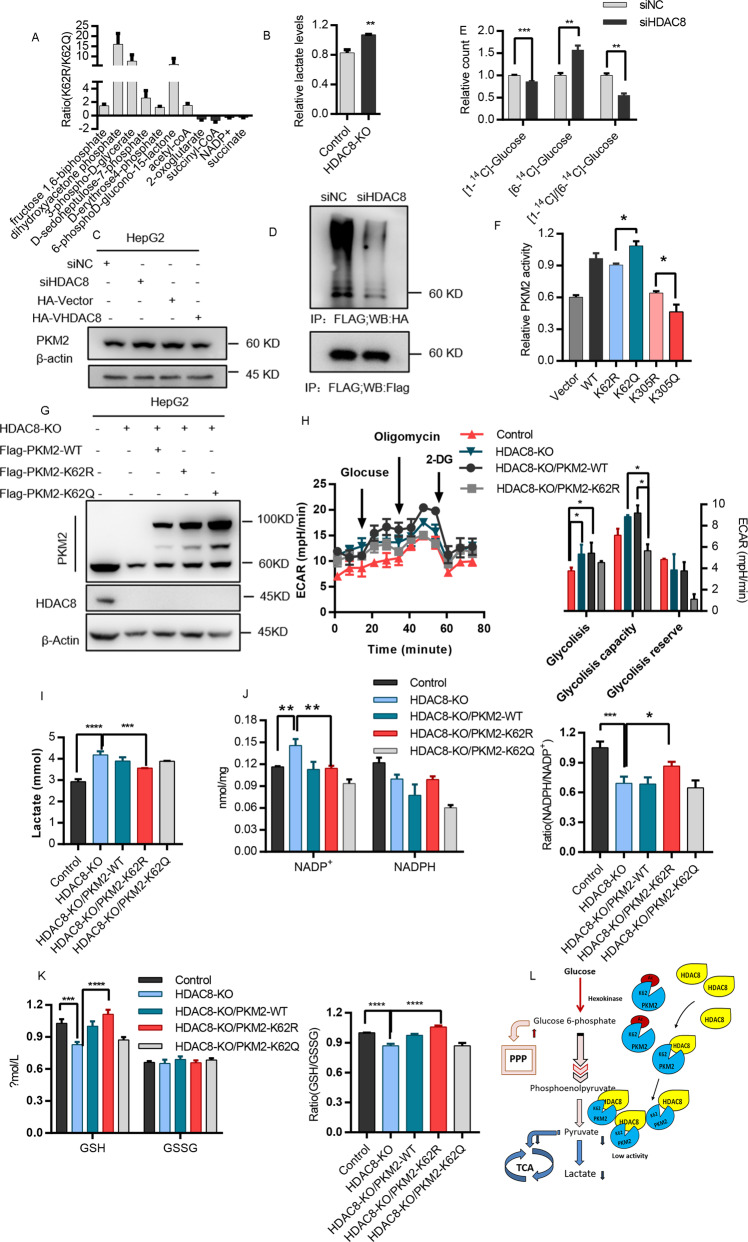
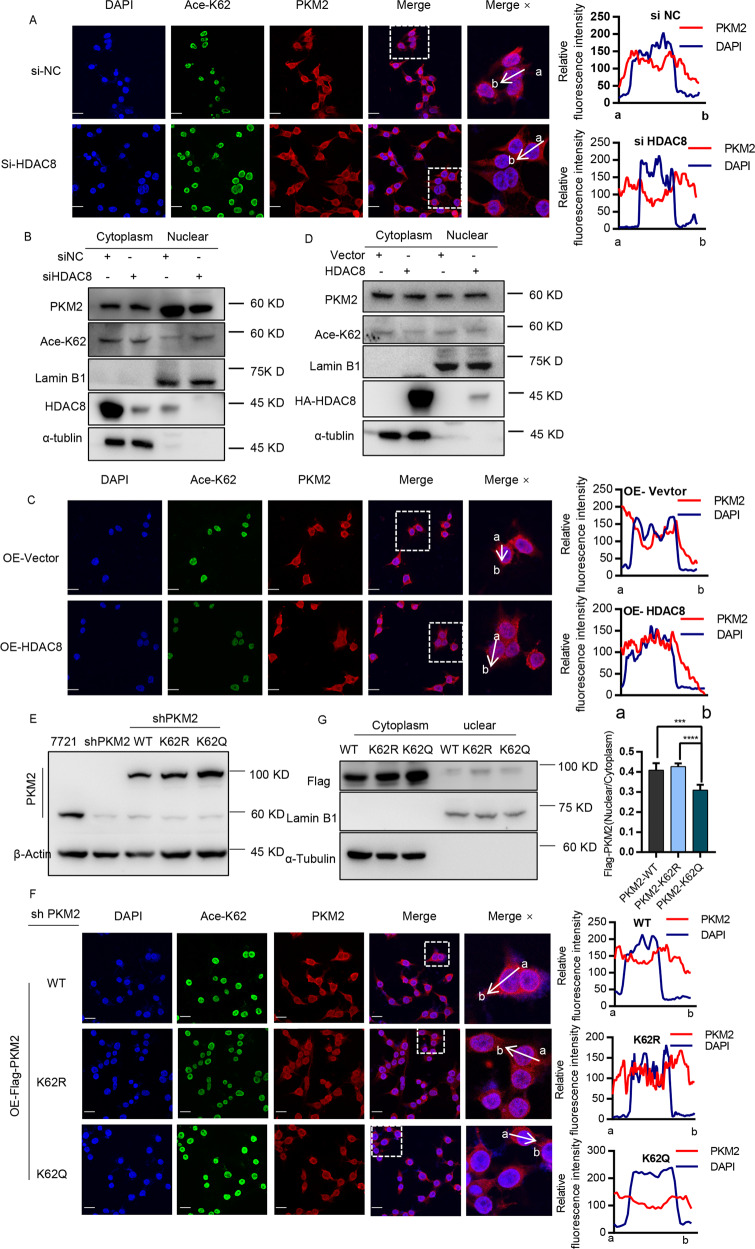
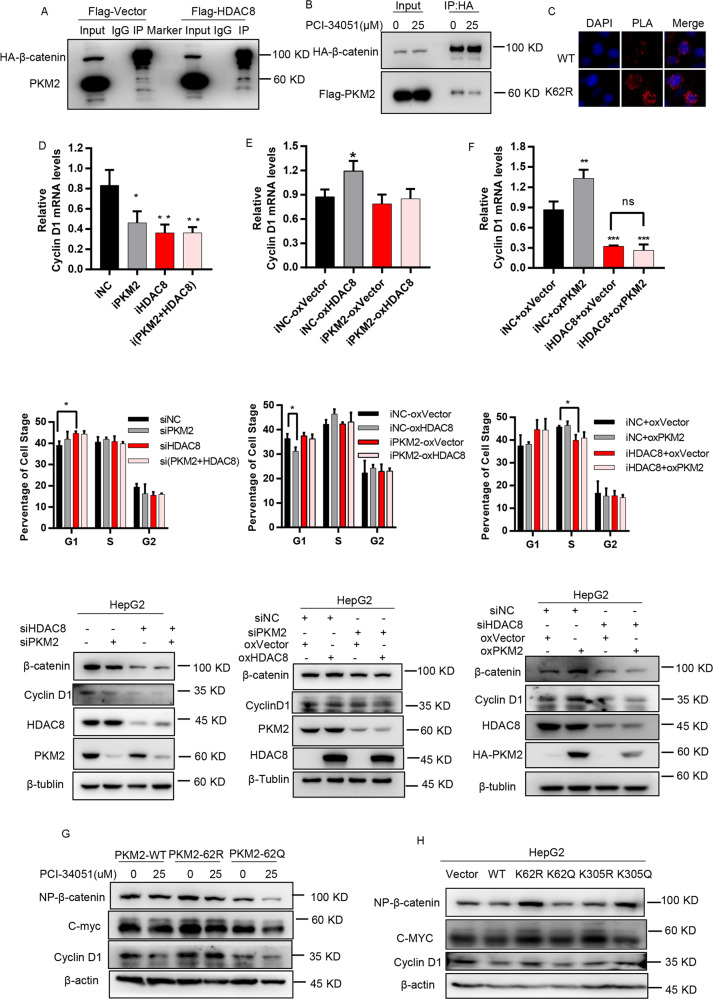
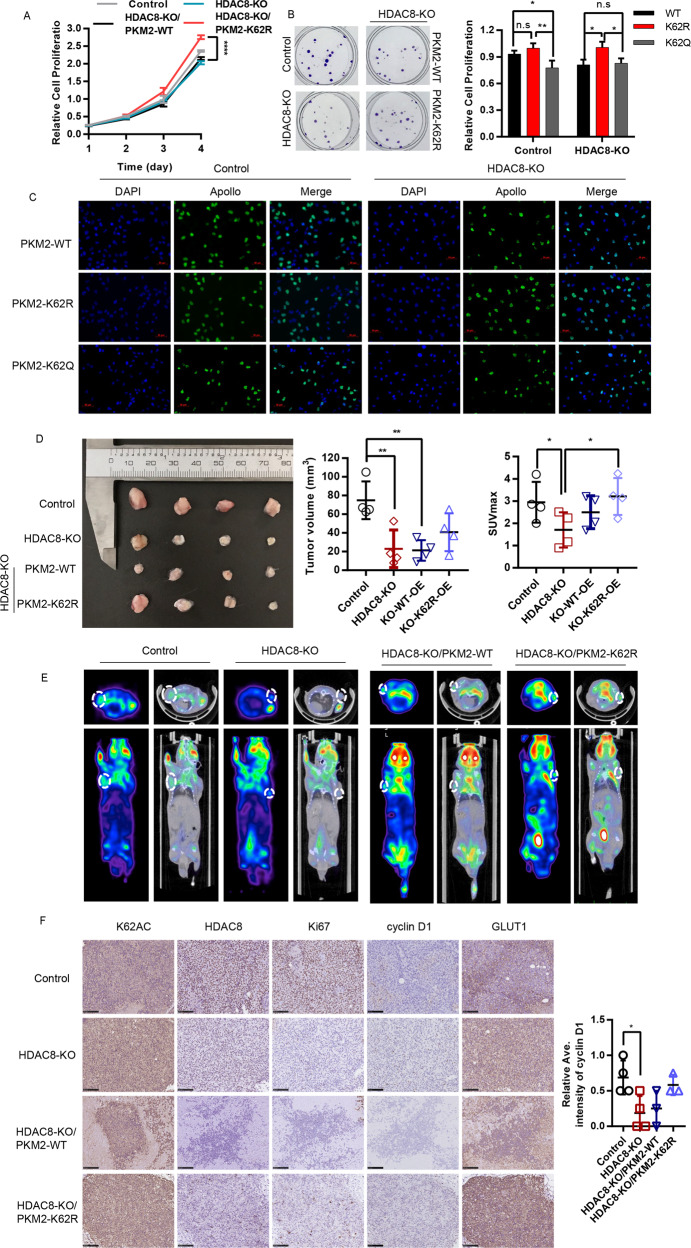
Pyruvate kinase M2 (PKM2) is not only a key rate-limiting enzyme that guides glycolysis, but also acts as a non-metabolic protein in regulating gene transcription. In recent years, a series of studies have confirmed that post-translational modification has become an important mechanism for regulating the function of PKM2, which in turn affects tumorigenesis. In this study, we found that K62 residues were deacetylated, which is related to the prognosis of HCC. Further studies indicate that HDAC8 binds and deacetylates the K62 residue of PKM2. Mechanistically, K62 deacetylation facilitate PKM2 transport into the nucleus and bind β-catenin, thereby promoting CCND1 gene transcription and cell cycle progression. In addition, the deacetylation of K62 affects the enzyme activity of PKM2 and the flux of glucose metabolism. Therefore, these results suggest that HDAC8 / PKM2 signaling may become a new target for the treatment of HCC.
丙酮酸激酶 M2(PKM2)不仅是指导糖酵解的关键限速酶,而且还作为一种非代谢蛋白在调节基因转录中发挥作用。近年来,一系列研究证实,翻译后修饰已成为调节 PKM2 功能的重要机制,进而影响肿瘤发生。在这项研究中,我们发现 K62 残基发生去乙酰化,这与 HCC 的预后有关。进一步的研究表明,HDAC8 结合并去乙酰化 PKM2 的 K62 残基。在机制上,K62 去乙酰化促进 PKM2 向核内运输并与 β-catenin 结合,从而促进 CCND1 基因转录和细胞周期进程。此外,K62 的去乙酰化影响 PKM2 的酶活性和葡萄糖代谢通量。因此,这些结果表明,HDAC8 / PKM2 信号可能成为治疗 HCC 的新靶点。