Department of Pharmacology, All India Institute of Medical Sciences, New Delhi, India.
Indian J Pharmacol. 2020 Sep-Oct;52(5):402-413. doi: 10.4103/ijp.IJP_475_18.
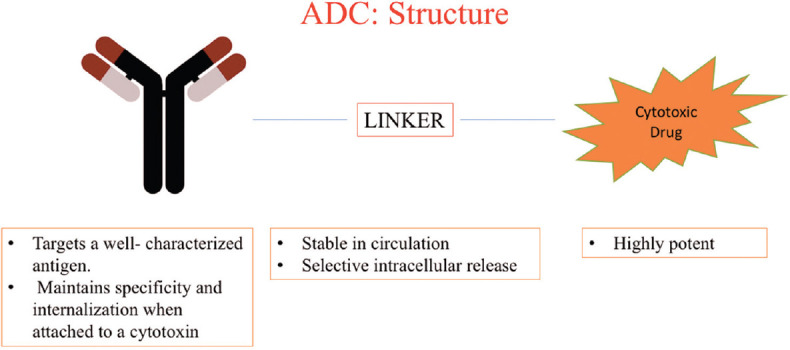
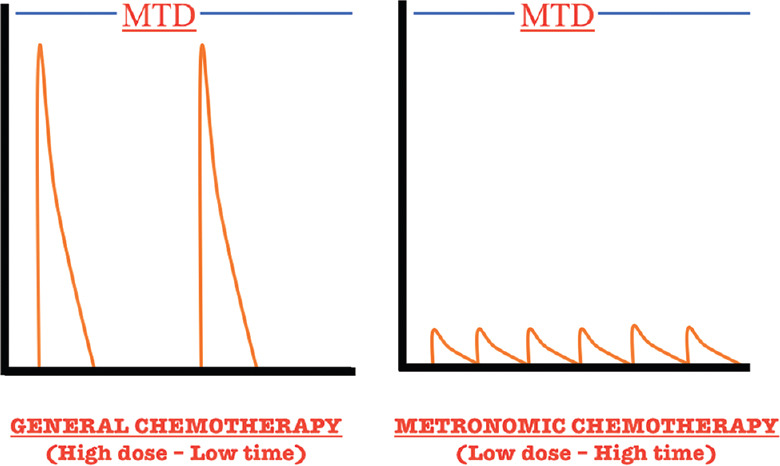
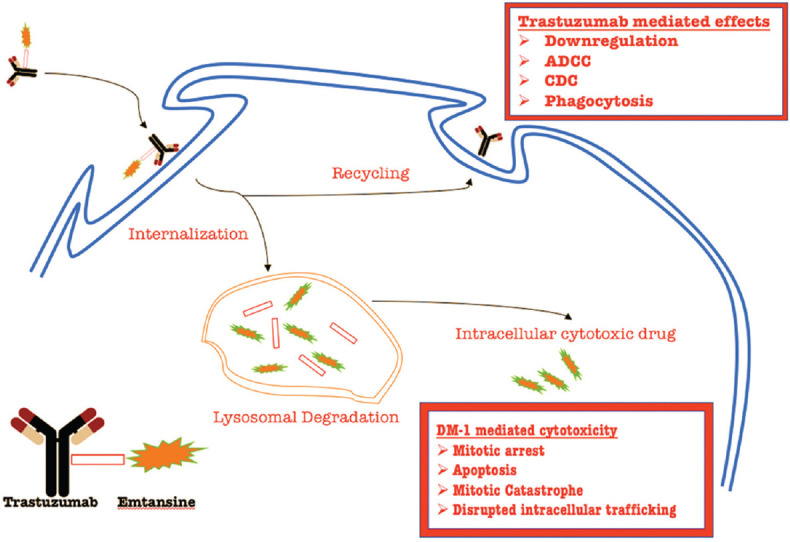
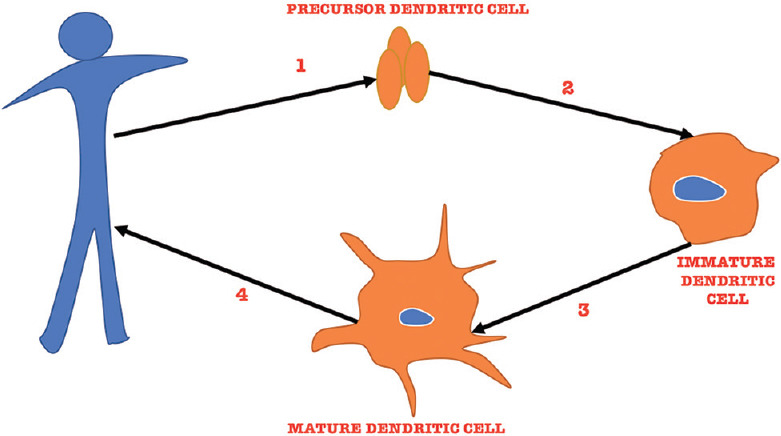
Treatment of cancer is a major challenge even though the pathophysiology is becoming clearer with time. A number of new chemical entities are developed to target cancer growth inhibition, but the targeted delivery of these products still needs novel research. This is of utmost importance not only for higher efficacy but also for a reduction in systemic toxicity and cost of treatment. Although multiple novel targets and molecules are being researched, most of them could not pass the regulatory approval process, due to low benefit-risk ratio and lack of target specificity. Failure of a majority of these drugs was in part due to their superiority claimed via surrogate markers. Despite these, currently, more than 100 chemotherapeutic agents are in practice. This review paper discusses in detail the molecular basis, drug discovery, and pros and cons over conventional treatment approaches of three novel approaches in cancer therapy, i.e., (i) antibody-drug conjugates, (ii) cancer immunotherapy, and (iii) metronomic chemotherapy. All the drugs developed using these three novel approaches were compared against the established treatment regimens in clinical trials with clinical end points, such as overall survival, progression-free survival, and quality of life.
尽管癌症的病理生理学随着时间的推移变得越来越清晰,但癌症的治疗仍然是一个重大挑战。已经开发出许多新的化学实体来靶向抑制癌症生长,但这些产品的靶向递送仍需要新的研究。这不仅对于提高疗效而且对于降低全身毒性和治疗成本至关重要。尽管正在研究多个新的靶点和分子,但由于低效益风险比和缺乏靶点特异性,其中大多数未能通过监管批准程序。这些药物的大多数失败部分是由于它们通过替代标志物声称的优越性。尽管如此,目前仍有超过 100 种化疗药物在临床上使用。本文详细讨论了三种新型癌症治疗方法的分子基础、药物发现以及与传统治疗方法相比的优缺点,即(i)抗体药物偶联物、(ii)癌症免疫疗法和(iii)节拍化疗。使用这三种新方法开发的所有药物都与临床试验中的既定治疗方案进行了比较,以临床终点(如总生存、无进展生存和生活质量)为指标。