Attal Neha, Sullivan Mariel T, Girardi Cara A, Thompson Kyle J, McKillop Iain H
Department of Surgery, Carolinas Medical Center, 1000 Blythe Blvd, Charlotte, NC 28203 USA.
Transl Oncol. 2021 Jan;14(1):100975. doi: 10.1016/j.tranon.2020.100975. Epub 2020 Dec 5.
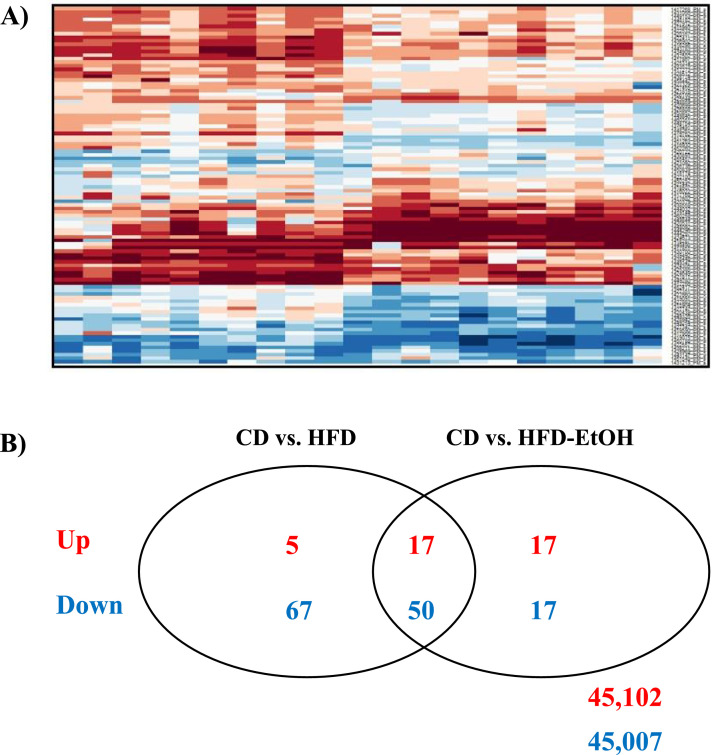
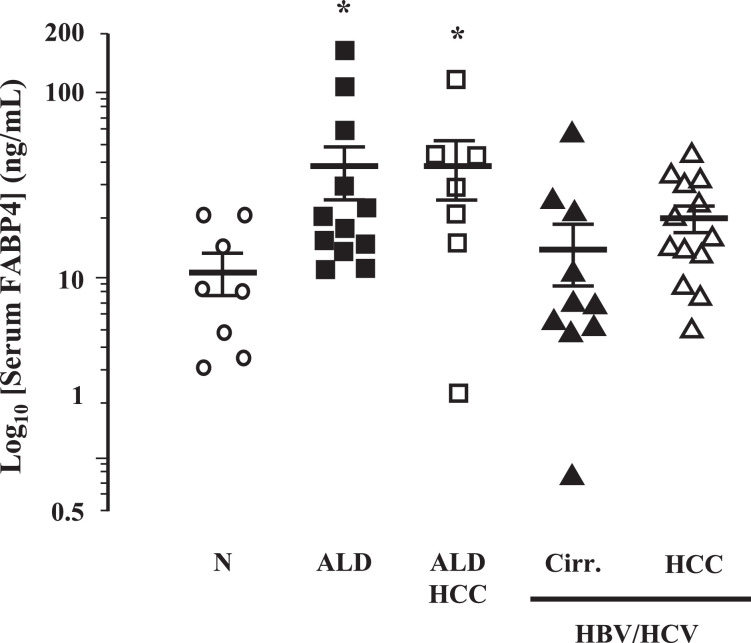
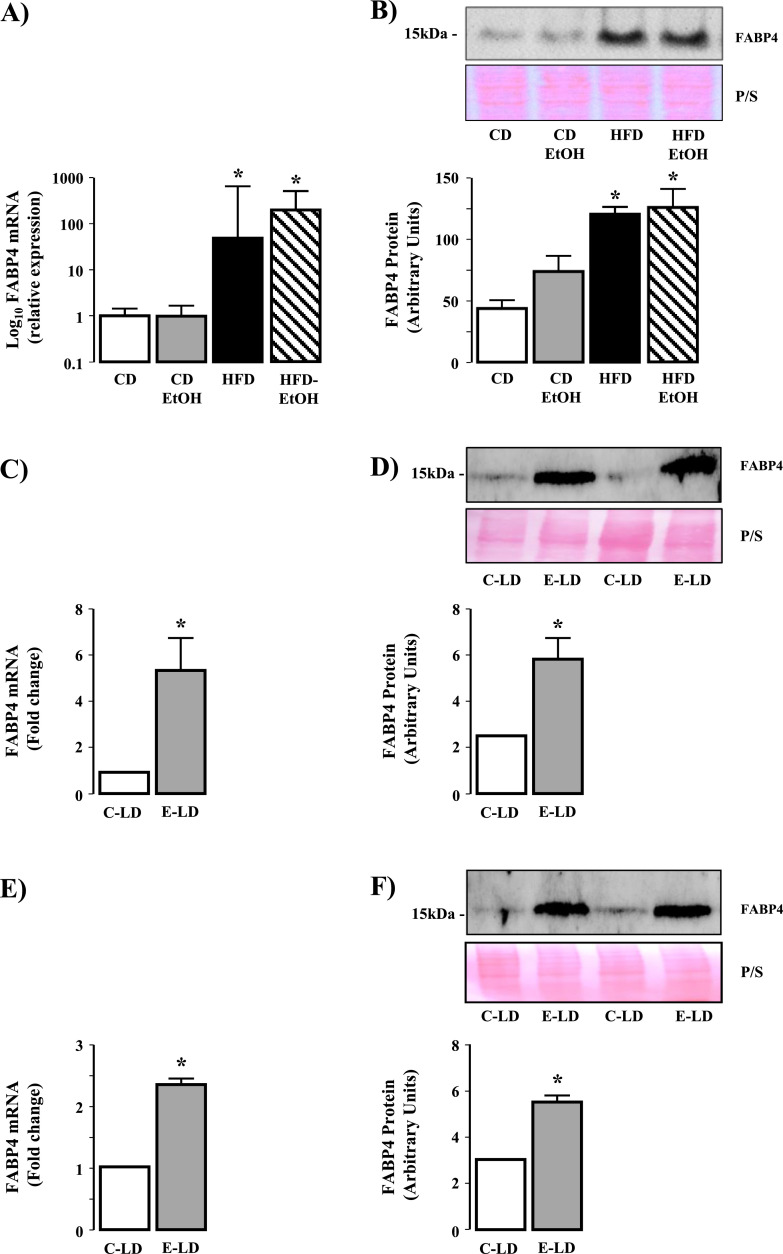
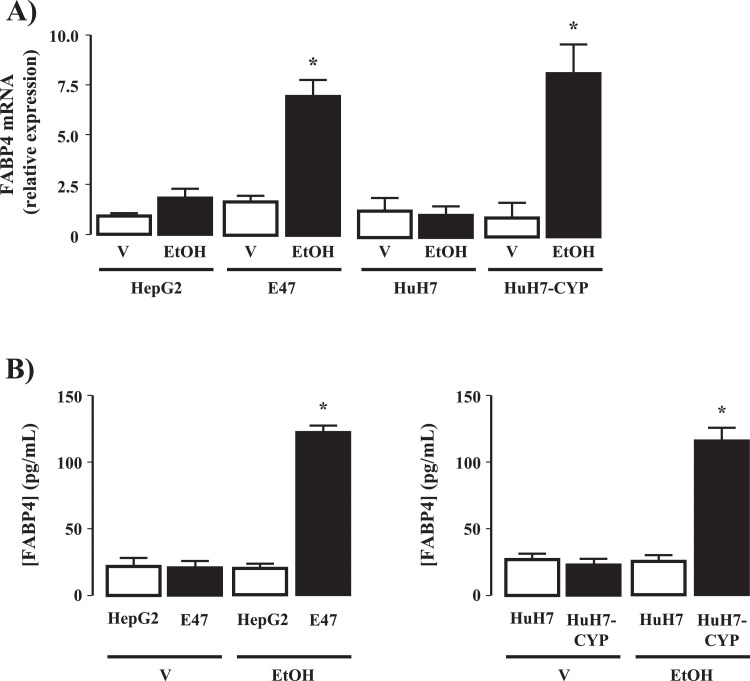
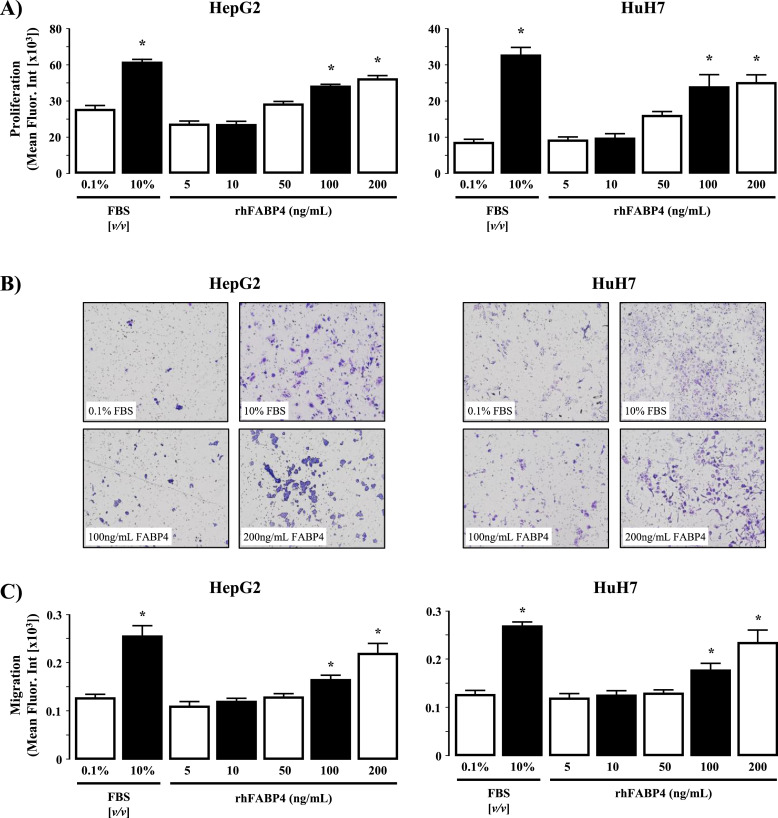
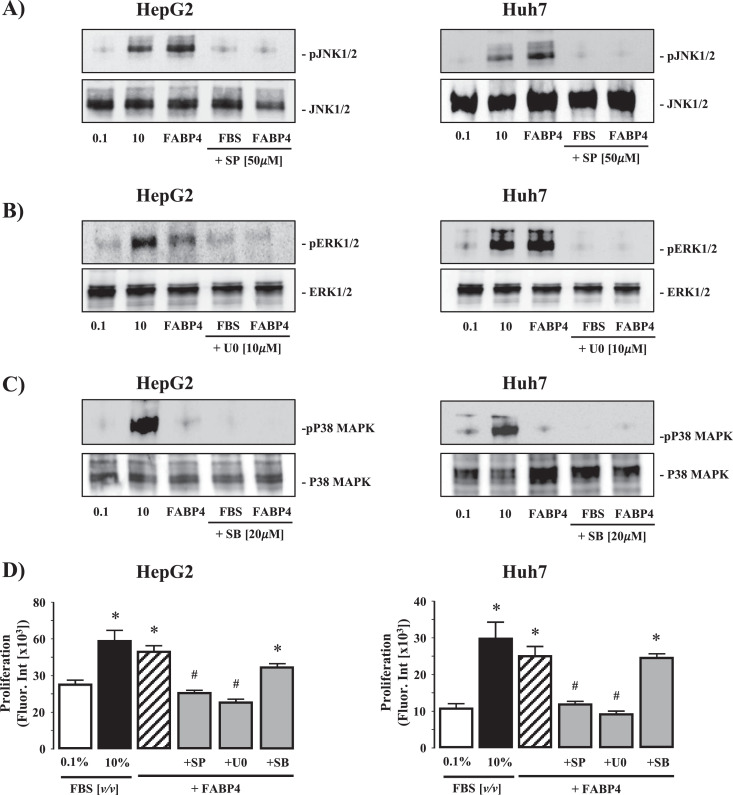
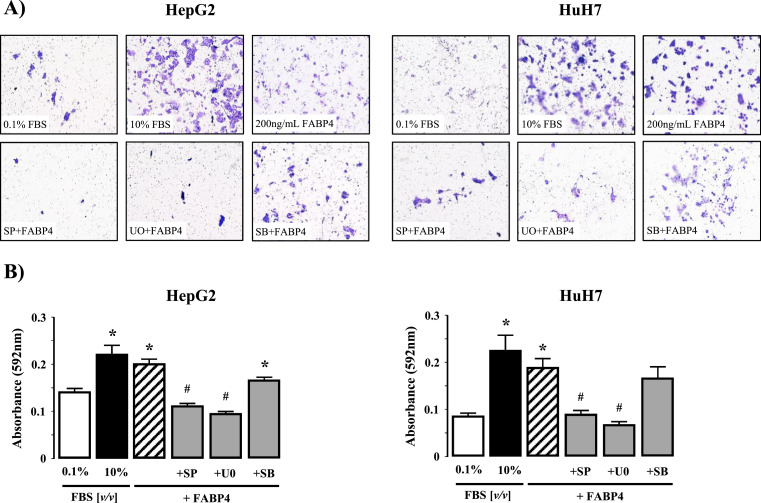
Fatty liver disease (hepatosteatosis) is a common early pathology in alcohol-dependent and obese patients. Fatty acid binding protein-4 (FABP4) is normally expressed in adipocytes and macrophages and functions as a regulator of intracellular lipid movement/storage. This study sought to investigate hepatic FABP4 expression and function in alcoholic liver disease (ALD) and hepatocellular carcinoma (HCC). Using chronic ethanol fed mouse models and patient samples FABP4 expression was analyzed. Human HCC cells, and HCC cells transfected to express CYP2E1, were exposed to ethanol and analyzed for FABP4 expression, or exposed to rhFABP4 (in the absence/presence of ERK, p38-MAPK or JNK1/2 inhibitors) and cell proliferation and migration measured. Hepatosteatotic-ALD mouse models exhibited increased hepatic FABP4 mRNA and protein levels, with FABP4 expression confirmed in hepatocytes. In HCC cells, CYP2E1-dependent ethanol metabolism induced FABP4 expression in vitro and exogenous rhFABP4 stimulated proliferation and migration, effects abrogated by ERK and JNK1/2 inhibition. Increased FABP4 was also detected in ALD/ALD-HCC patients, but not patients with viral hepatitis/HCC. Collectively these data demonstrate ethanol metabolism induces hepatic FABP4 expression and FABP4 promotes hepatoma cell proliferation/migration. These data suggest liver-derived FABP4 may be an important paracrine-endocrine factor during hepatic foci expansion and/or hepatoma progression in the underlying setting of ALD.
脂肪性肝病(肝脂肪变性)是酒精依赖型和肥胖患者常见的早期病理状态。脂肪酸结合蛋白4(FABP4)通常在脂肪细胞和巨噬细胞中表达,并作为细胞内脂质移动/储存的调节因子发挥作用。本研究旨在调查酒精性肝病(ALD)和肝细胞癌(HCC)中肝脏FABP4的表达及功能。使用慢性乙醇喂养的小鼠模型和患者样本分析FABP4的表达。将人肝癌细胞以及转染以表达CYP2E1的肝癌细胞暴露于乙醇中,分析FABP4的表达,或者将其暴露于重组人FABP4(在存在/不存在ERK、p38丝裂原活化蛋白激酶或JNK1/2抑制剂的情况下),并测量细胞增殖和迁移情况。肝脂肪变性-ALD小鼠模型的肝脏FABP4 mRNA和蛋白水平升高,且在肝细胞中证实有FABP4表达。在肝癌细胞中,CYP2E1依赖的乙醇代谢在体外诱导FABP4表达,外源性重组人FABP4刺激细胞增殖和迁移,ERK和JNK1/2抑制可消除这些作用。在ALD/ALD-HCC患者中也检测到FABP4升高,但在病毒性肝炎/HCC患者中未检测到。这些数据共同表明乙醇代谢诱导肝脏FABP4表达,且FABP4促进肝癌细胞增殖/迁移。这些数据表明,在ALD潜在背景下,肝脏来源的FABP4可能是肝病灶扩大和/或肝癌进展过程中的重要旁分泌-内分泌因子。