Kim Jung-Yeon, Jo Jungmin, Leem Jaechan, Park Kwan-Kyu
Department of Immunology, School of Medicine, Catholic University of Daegu, Daegu 42472, Korea.
Division of Hematology-Oncology, Department of Internal Medicine, Ewha Womans University Mokdong Hospital, Seoul 07985, Korea.
Biomedicines. 2020 Dec 6;8(12):572. doi: 10.3390/biomedicines8120572.
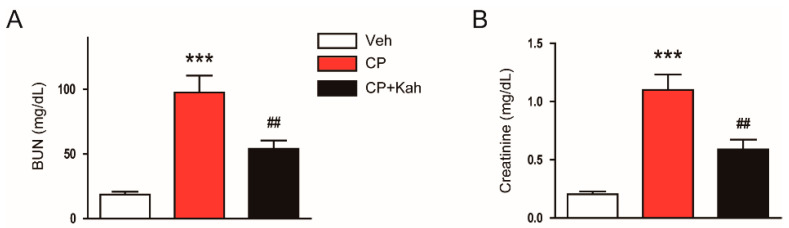
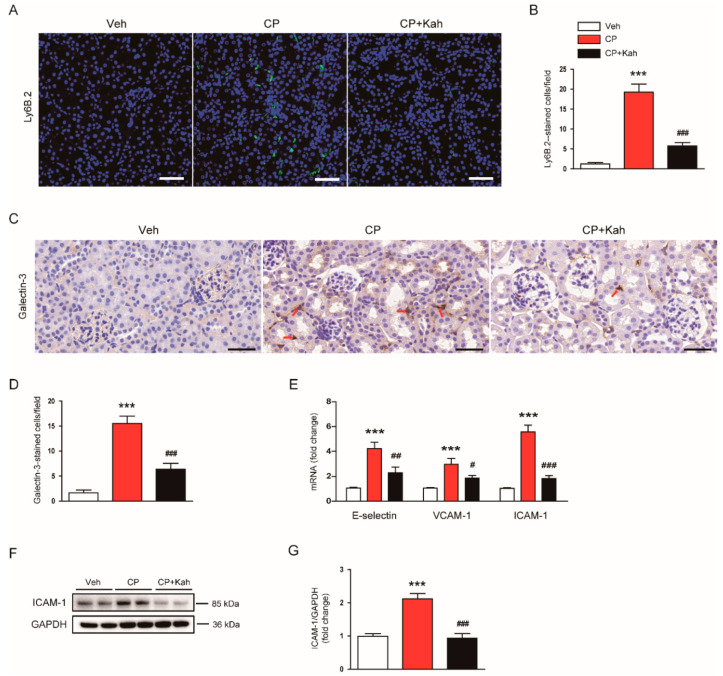
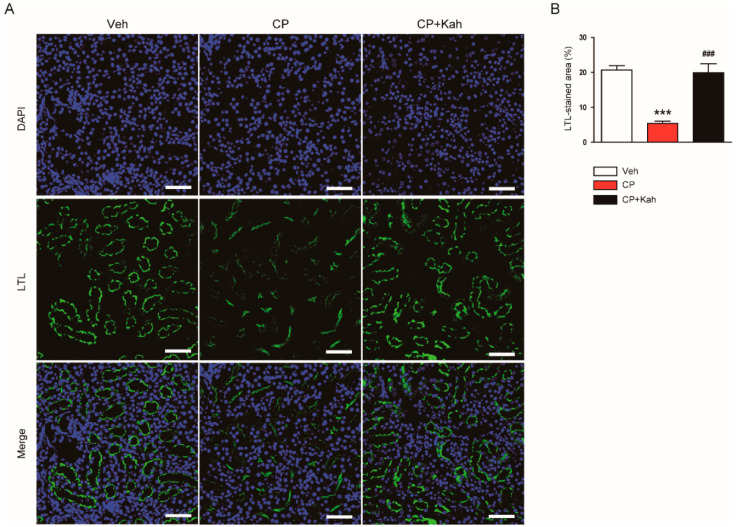
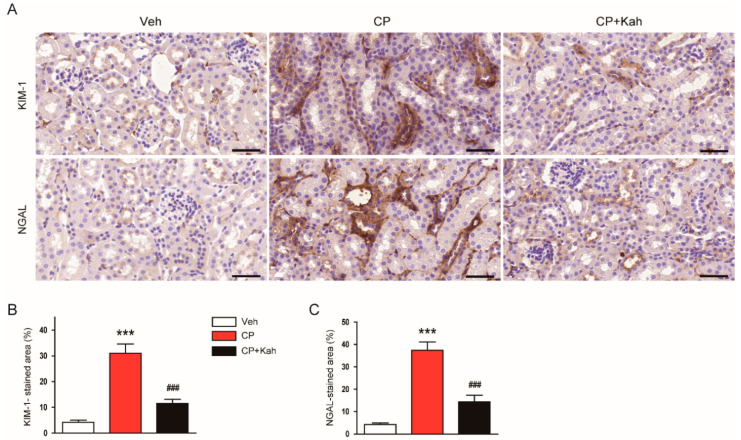
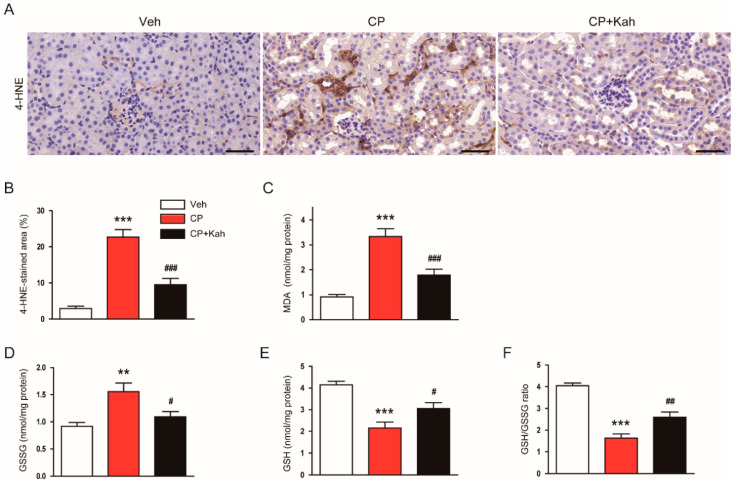
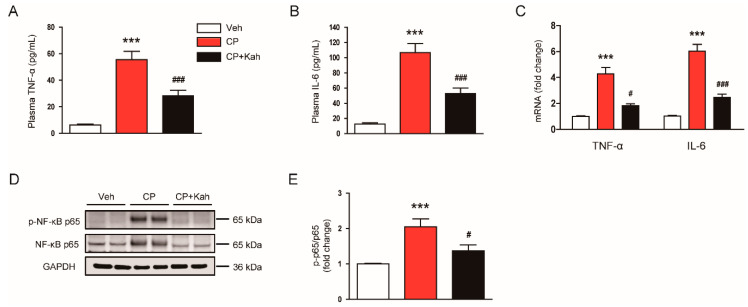
Cisplatin is an effective chemotherapeutic agent, but its clinical use is frequently limited by its nephrotoxicity. The pathogenesis of cisplatin-induced acute kidney injury (AKI) remains incompletely understood, but oxidative stress, tubular cell death, and inflammation are considered important contributors to cisplatin-induced renal injury. Kahweol is a natural diterpene extracted from coffee beans and has been shown to possess anti-oxidative and anti-inflammatory properties. However, its role in cisplatin-induced nephrotoxicity remains undetermined. Therefore, we investigated whether kahweol exerts a protective effect against cisplatin-induced renal injury. Additionally, its mechanisms were also examined. Administration of kahweol attenuated renal dysfunction and histopathological damage together with inhibition of oxidative stress in cisplatin-injected mice. Increased expression of nicotinamide adenine dinucleotide phosphate oxidase 4 and decreased expression of manganese superoxide dismutase and catalase after cisplatin treatment were significantly reversed by kahweol. Moreover, kahweol inhibited cisplatin-induced apoptosis and necroptosis in the kidneys. Finally, kahweol reduced inflammatory cytokine production and immune cell accumulation together with suppression of nuclear factor kappa-B pathway and downregulation of vascular adhesion molecules. Together, these results suggest that kahweol ameliorates cisplatin-induced renal injury via its pleiotropic effects and might be a potential preventive option against cisplatin-induced nephrotoxicity.
顺铂是一种有效的化疗药物,但其临床应用常常受到肾毒性的限制。顺铂诱导的急性肾损伤(AKI)的发病机制仍未完全明确,但氧化应激、肾小管细胞死亡和炎症被认为是顺铂诱导肾损伤的重要因素。咖啡豆醇是从咖啡豆中提取的一种天然二萜,已被证明具有抗氧化和抗炎特性。然而,其在顺铂诱导的肾毒性中的作用仍未确定。因此,我们研究了咖啡豆醇是否对顺铂诱导的肾损伤具有保护作用。此外,还研究了其作用机制。给予咖啡豆醇可减轻顺铂注射小鼠的肾功能障碍和组织病理学损伤,并抑制氧化应激。顺铂处理后烟酰胺腺嘌呤二核苷酸磷酸氧化酶4表达增加以及锰超氧化物歧化酶和过氧化氢酶表达降低,均被咖啡豆醇显著逆转。此外,咖啡豆醇抑制了顺铂诱导的肾脏细胞凋亡和坏死性凋亡。最后,咖啡豆醇减少了炎症细胞因子的产生和免疫细胞的积聚,同时抑制了核因子κB通路并下调了血管黏附分子。总之,这些结果表明,咖啡豆醇通过其多效性作用改善了顺铂诱导的肾损伤,可能是预防顺铂诱导肾毒性的一种潜在选择。