Key Laboratory of Carcinogenesis and Translational Research, Ministry of Education/Beijing, Department of Hepato-Pancreato-Biliary Surgery, Peking University Cancer Hospital & Institute, Beijing, China.
Beijing University of Chinese Medicine, Beijing, China.
Biomed Res Int. 2020 Nov 21;2020:5860704. doi: 10.1155/2020/5860704. eCollection 2020.
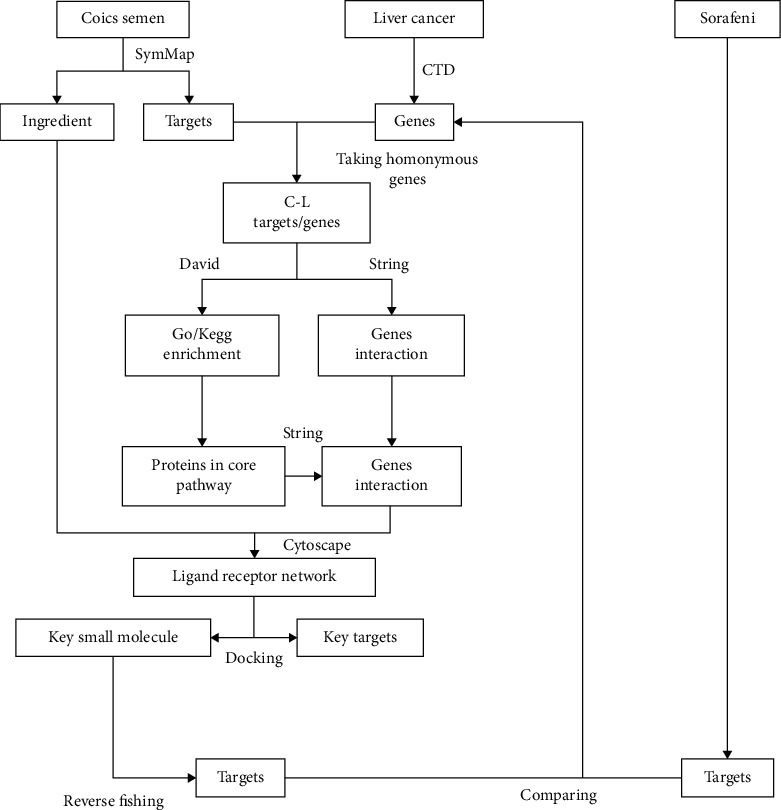
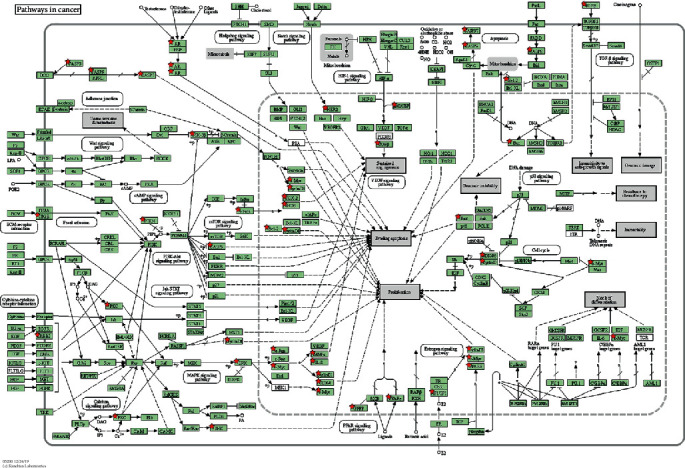
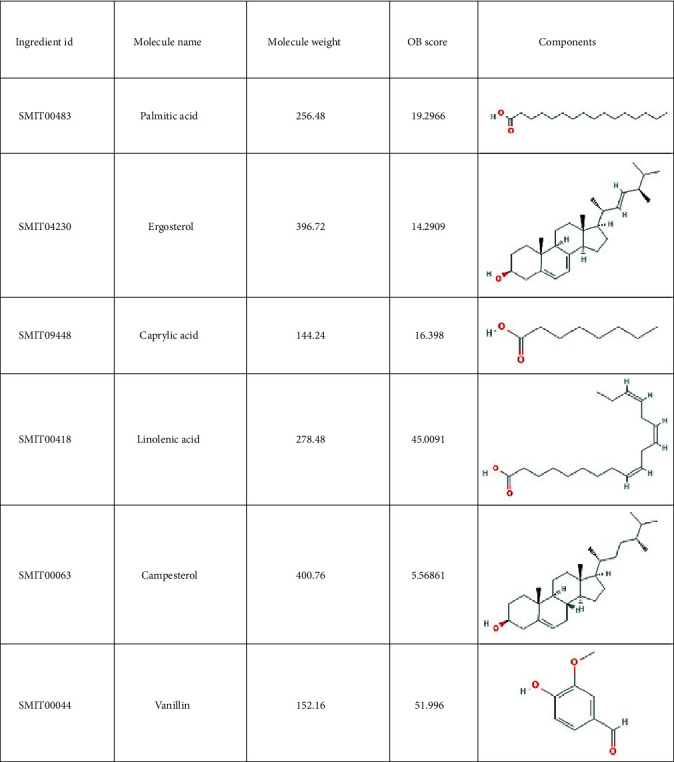
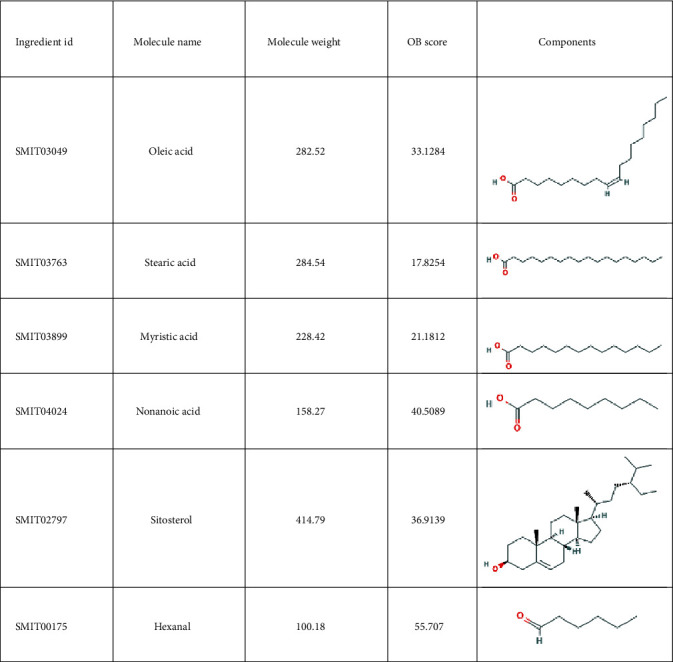
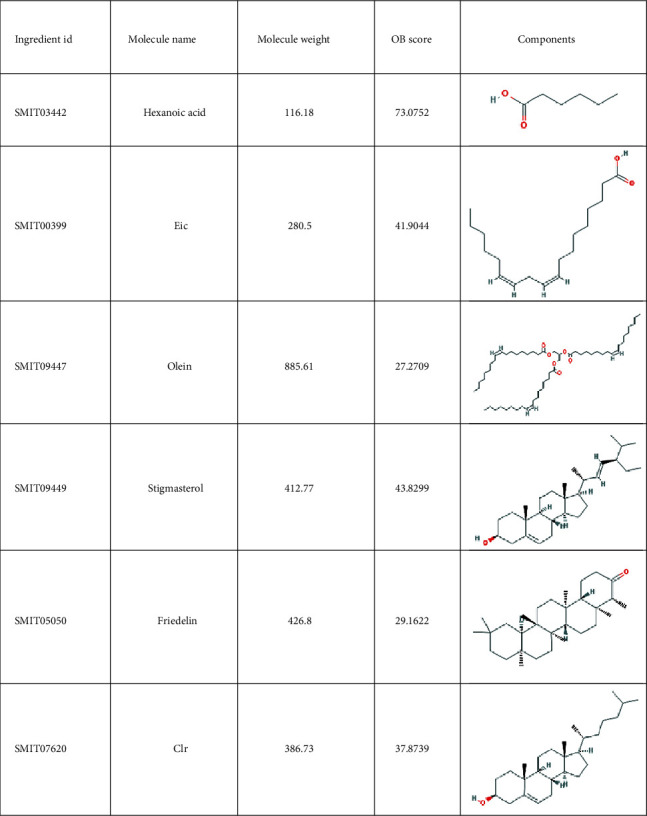
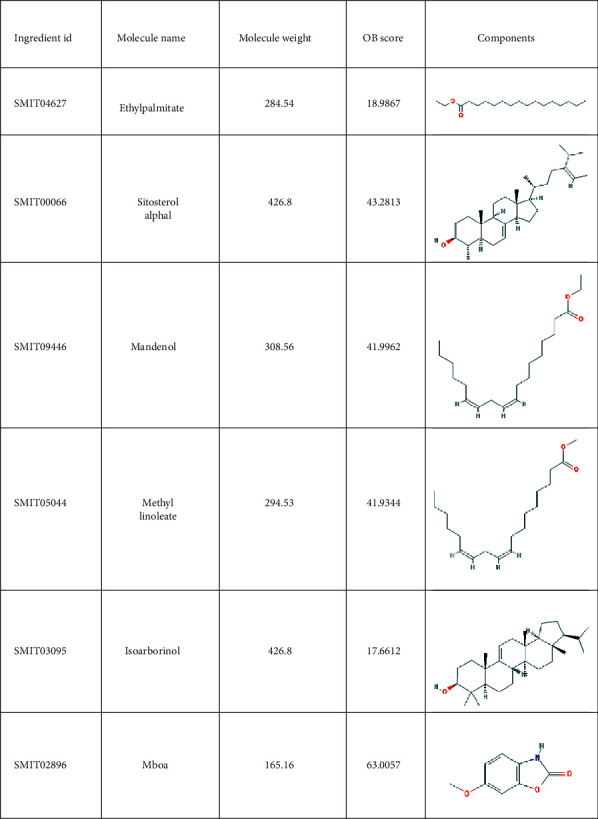
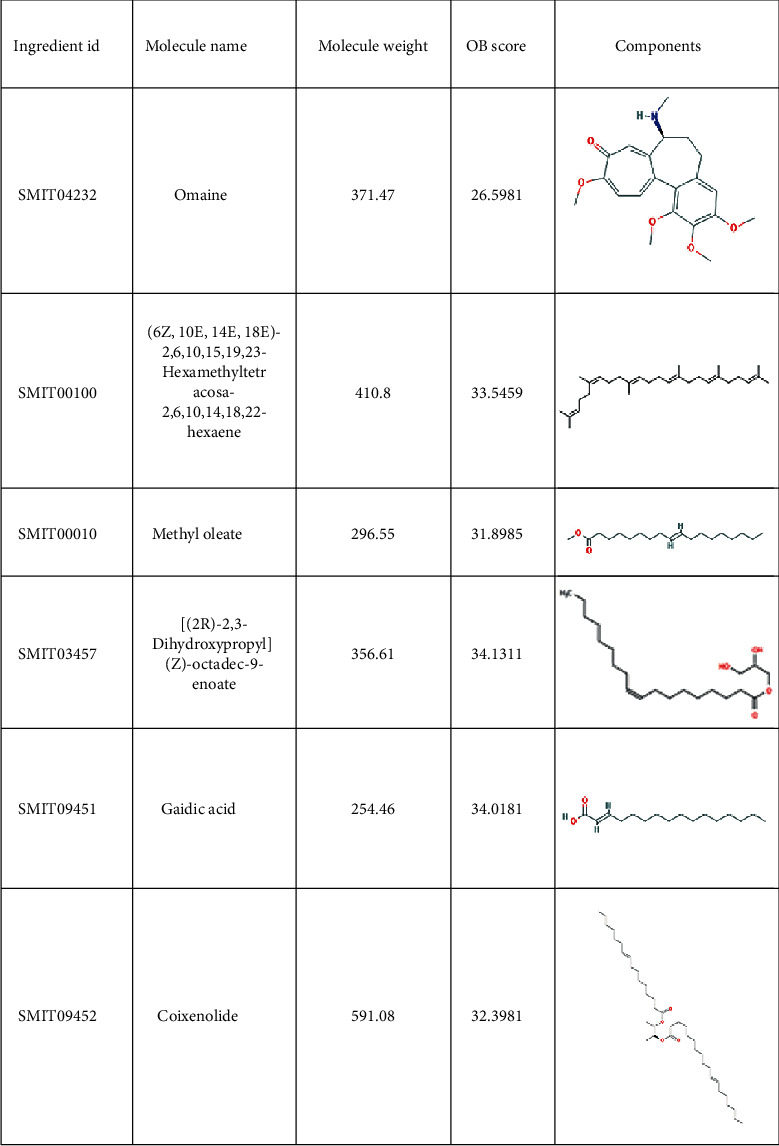
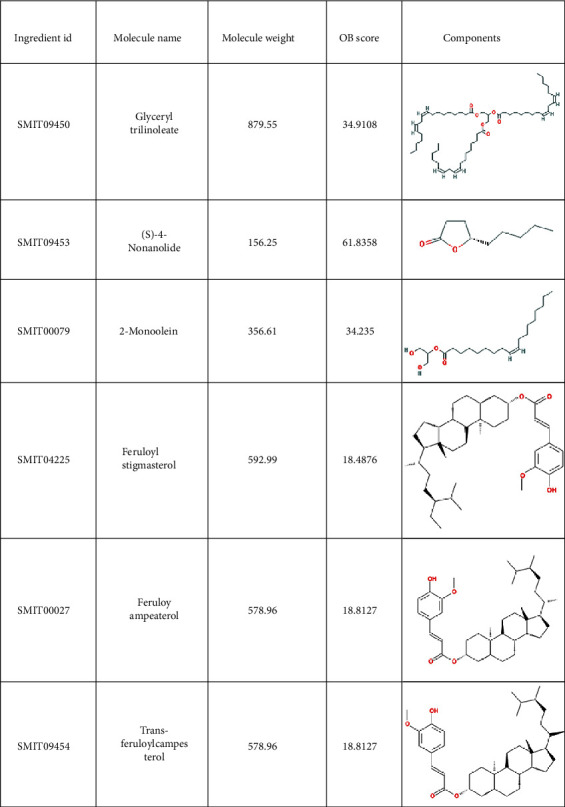
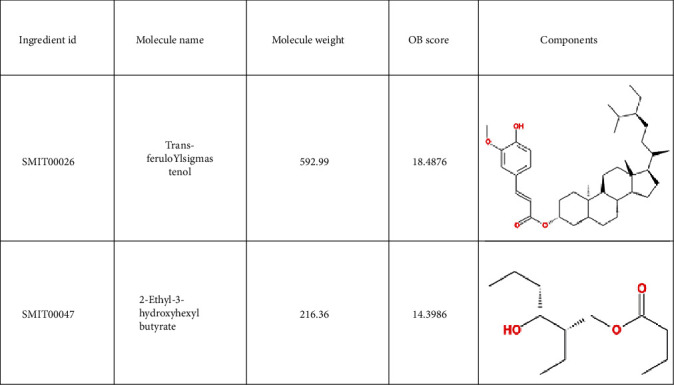
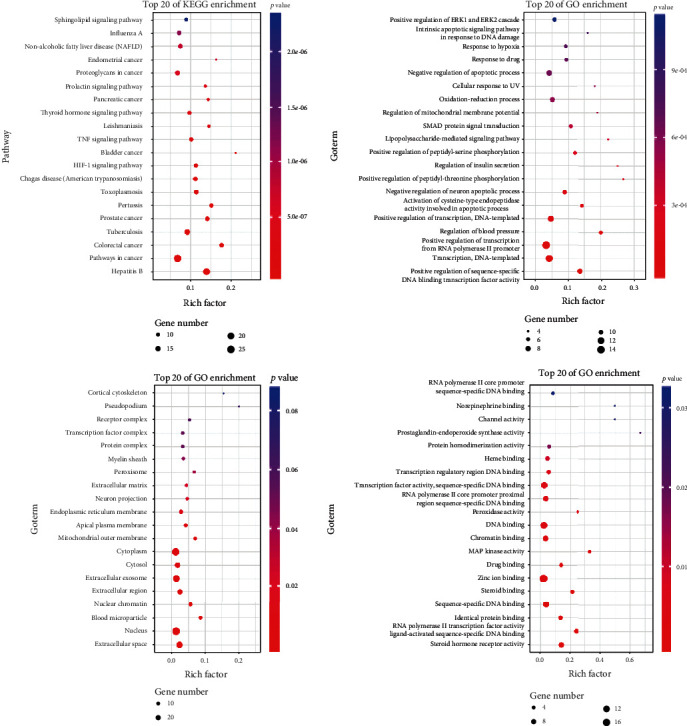
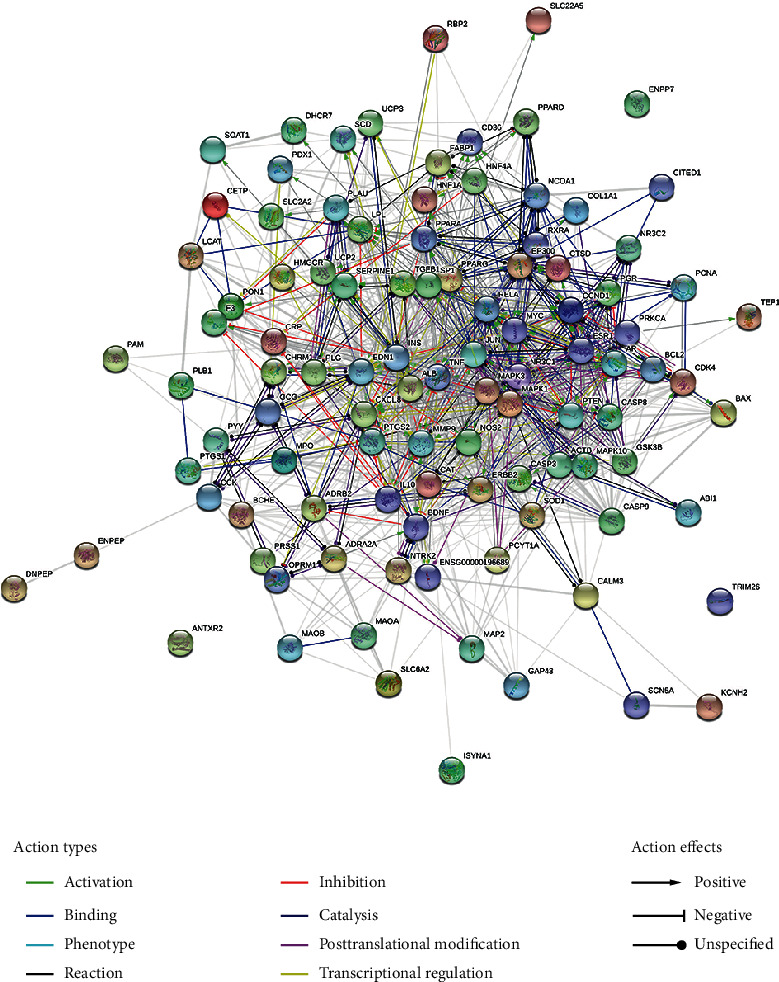
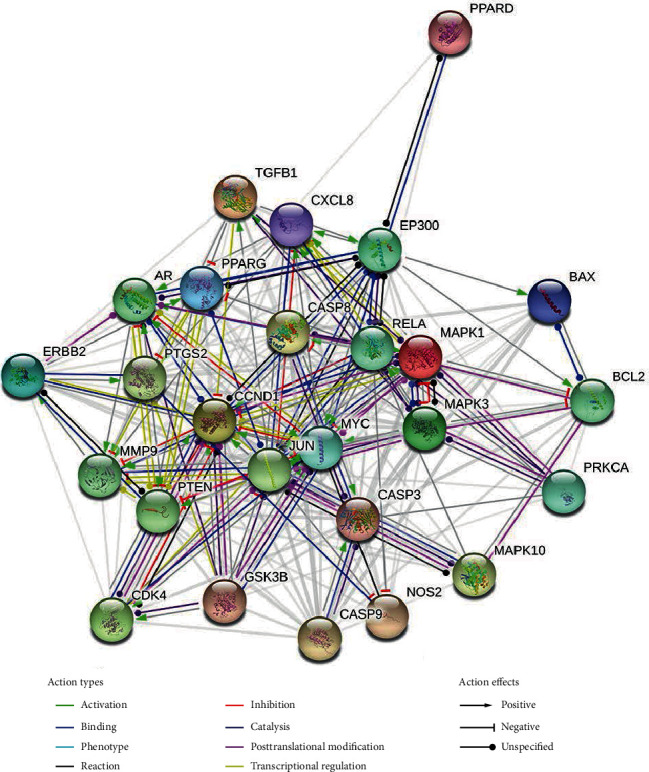
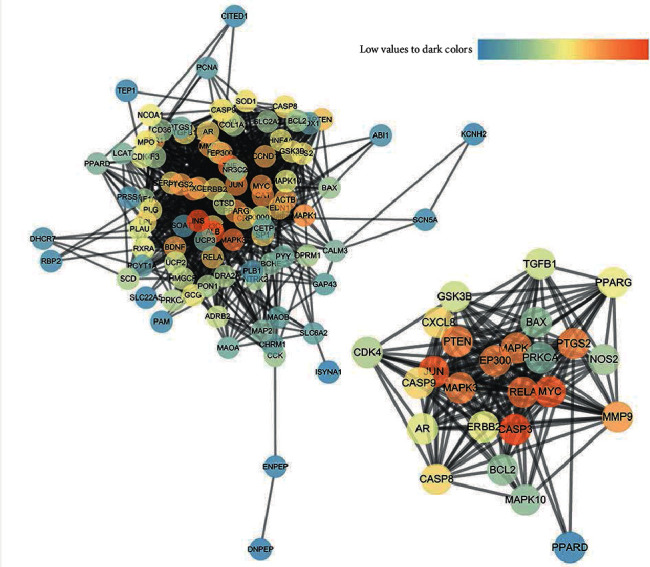
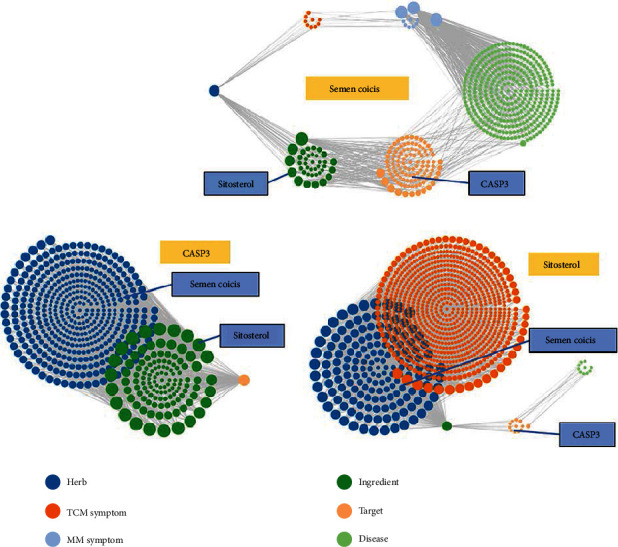
At present, there is an increasing incidence and mortality of liver cancer. Despite surgery and chemoradiotherapy, there is a lack of effective oral medications with low side effects. In East Asia, Coicis Semen (CS) is used as both food and natural medicine and has a significant impact on the treatment of liver cancer. However, due to its multicomponent and multitarget characteristics, the mechanisms of CS against liver cancer remain unclear. This study collected CS compounds and target proteins in SymMap, then cross-matched with the liver cancer targets in the CTD database to construct an interaction network of CS-liver cancer proteins, and visualized by Cytoscape software. DAVID database was used to perform pathway enrichment analysis to find target proteins in core pathways and the related small molecules in CS. The results showed that a total of 103 common genes shared by CS and liver cancer were obtained, which were enriched for precancerous lesion pathways such as hepatitis B and fatty liver and biological signaling pathways such as HIF-1 and TNF. The combination of sitosterol and CASP3 in CS, acting on "pathways in cancer" and restoring normal cell apoptosis, could be the core mechanisms of CS in the treatment of liver cancer. Based on the system biology analysis, it is speculated that CS may not only participate in multiple mechanisms of action to treat liver cancer synergistically but may also be involved in factors that reduce the incidence of liver cancer.
目前,肝癌的发病率和死亡率呈上升趋势。尽管手术和放化疗等手段,但缺乏副作用低的有效口服药物。在东亚,薏苡仁(Coicis Semen,CS)既是食物又是天然药物,对肝癌的治疗有显著影响。然而,由于其多成分、多靶点的特点,CS 抗肝癌的机制尚不清楚。本研究在 SymMap 中收集 CS 化合物和靶蛋白,然后与 CTD 数据库中的肝癌靶标交叉匹配,构建 CS-肝癌蛋白相互作用网络,并通过 Cytoscape 软件可视化。使用 DAVID 数据库进行通路富集分析,以找到 CS 中核心通路和相关小分子的靶蛋白。结果表明,共获得 CS 和肝癌共有 103 个共同基因,这些基因富集于乙型肝炎和脂肪肝等癌前病变途径以及 HIF-1 和 TNF 等生物信号途径。CS 中的谷甾醇和 CASP3 结合,作用于“癌症途径”并恢复正常细胞凋亡,可能是 CS 治疗肝癌的核心机制。基于系统生物学分析,推测 CS 可能不仅参与多种作用机制协同治疗肝癌,还可能涉及降低肝癌发病率的因素。