Department of Experimental Radiation Oncology, The University of Texas MD Anderson Cancer Center, Houston, TX 77030, USA.
Cancer Biol Med. 2020 Nov 15;17(4):864-878. doi: 10.20892/j.issn.2095-3941.2020.0370. Epub 2020 Dec 15.
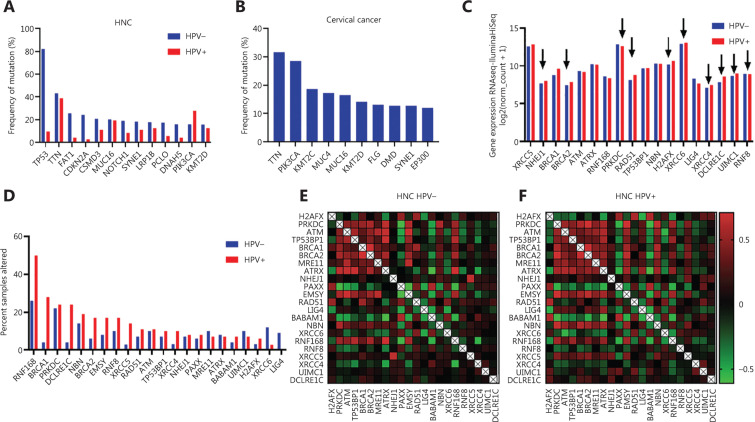
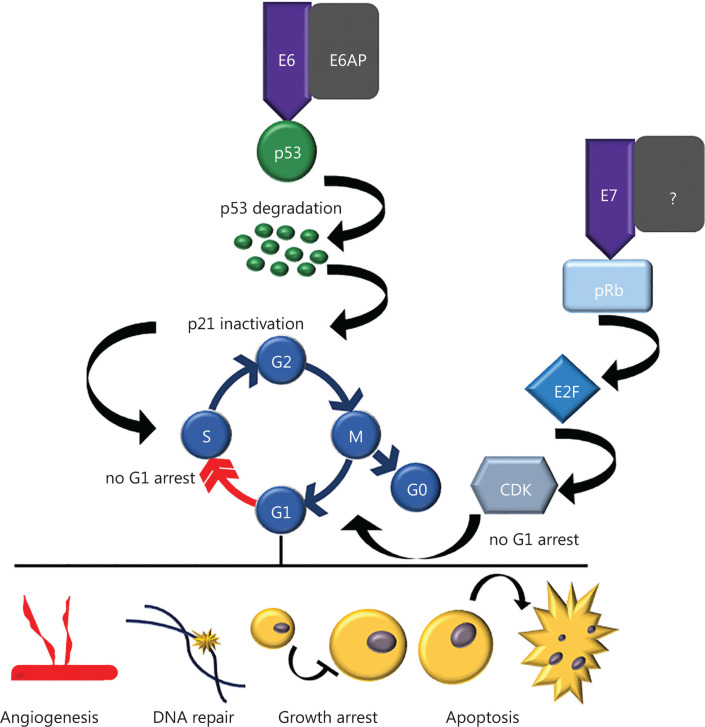
Cancer-related diseases represent the second overall cause of death worldwide. Human papilloma virus (HPV) is an infectious agent which is mainly sexually transmitted and may lead to HPV-associated cancers in both men and women. Almost all cervical cancers are HPV-associated, however, an increasing number of head and neck cancers (HNCs), especially oropharyngeal cancer, can be linked to HPV infection. Moreover, anogenital cancers, including vaginal, vulvar, penial, and anal cancers, represent a subset of HPV-related cancers. Whereas testing and prevention of cervical cancer have significantly improved over past decades, anogenital cancers remain more difficult to confirm. Current clinical trials including patients with HPV-related cancers focus on finding proper testing for all HPV-associated cancers as well as improve the currently applied treatments. The HPV viral oncoproteins, E6 and E7, lead to degradation of, respectively, p53 and pRb resulting in entering the S phase without G1 arrest. These high-risk HPV viral oncogenes alter numerous cellular processes, including DNA repair, angiogenesis, and/or apoptosis, which eventually result in carcinogenesis. Additionally, a comprehensive analysis of gene expression and alteration among a panel of DNA double strand breaks (DSB) repair genes in HPV-negative and HPV-positive HNC cancers reveals differences pointing to HPV-dependent modifications of DNA repair processes in these cancers. In this review, we discuss the current knowledge regarding HPV-related cancers, current screening, and treatment options as well as DNA damage response-related biological aspects of the HPV infection and clinical trials.
癌症相关疾病是全球范围内的第二大致死原因。人乳头瘤病毒(HPV)是一种主要通过性传播的感染性病原体,可能导致男性和女性的 HPV 相关癌症。几乎所有的宫颈癌都与 HPV 相关,然而,越来越多的头颈部癌症(HNCs),特别是口咽癌,可归因于 HPV 感染。此外,包括阴道癌、外阴癌、阴茎癌和肛门癌在内的生殖器癌症是 HPV 相关癌症的一部分。虽然过去几十年来,宫颈癌的检测和预防已经显著改善,但生殖器癌症的确诊仍然更加困难。目前包括 HPV 相关癌症患者在内的临床试验专注于寻找所有 HPV 相关癌症的适当检测方法,并改进目前应用的治疗方法。HPV 病毒致癌蛋白 E6 和 E7 分别导致 p53 和 pRb 的降解,导致细胞未经 G1 期阻滞而进入 S 期。这些高危 HPV 病毒致癌基因改变了许多细胞过程,包括 DNA 修复、血管生成和/或细胞凋亡,最终导致癌变。此外,对 HPV 阴性和 HPV 阳性 HNC 癌症中一组 DNA 双链断裂(DSB)修复基因的基因表达和改变进行全面分析,揭示了 HPV 依赖性 DNA 修复过程改变的差异。在这篇综述中,我们讨论了 HPV 相关癌症的当前知识、当前的筛查和治疗选择,以及 HPV 感染和临床试验中与 DNA 损伤反应相关的生物学方面。