School of Medicine, Medical Sciences and Nutrition, Institute of Medical Sciences, Foresterhill, University of Aberdeen, Aberdeen, AB25 2ZD, Scotland, UK.
Manchester Metropolitan University, Manchester, UK.
Cell Mol Life Sci. 2021 Mar;78(6):3045-3055. doi: 10.1007/s00018-020-03705-6. Epub 2020 Dec 12.
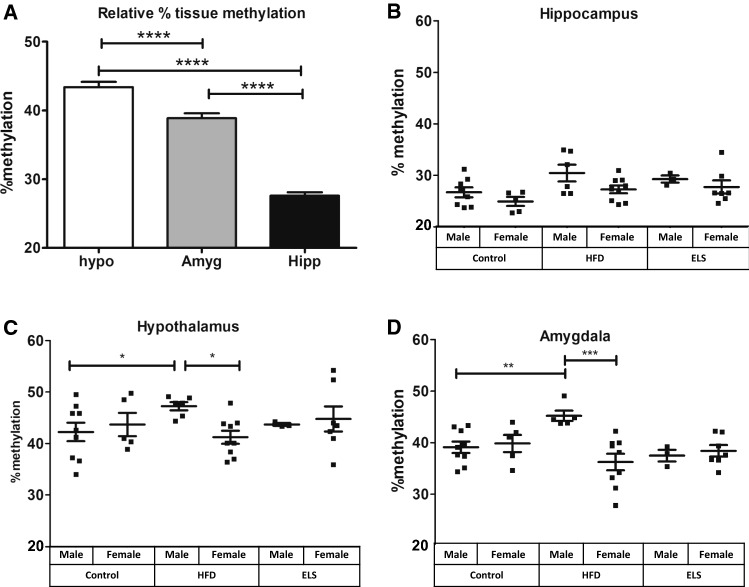
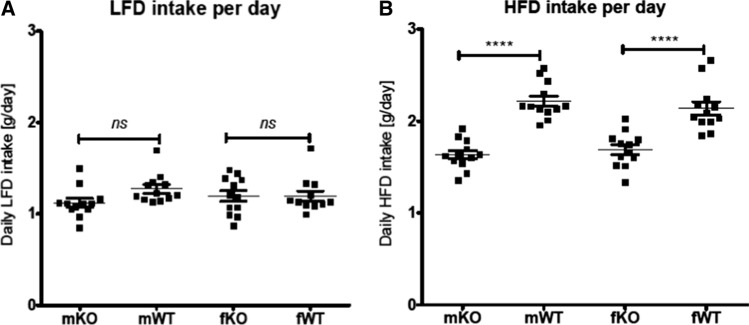
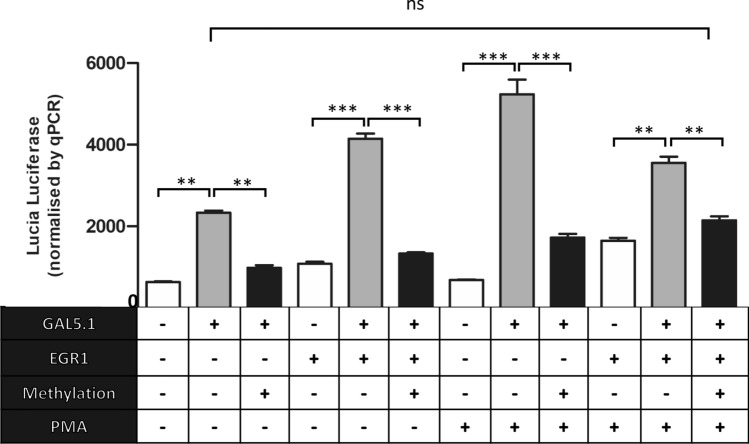
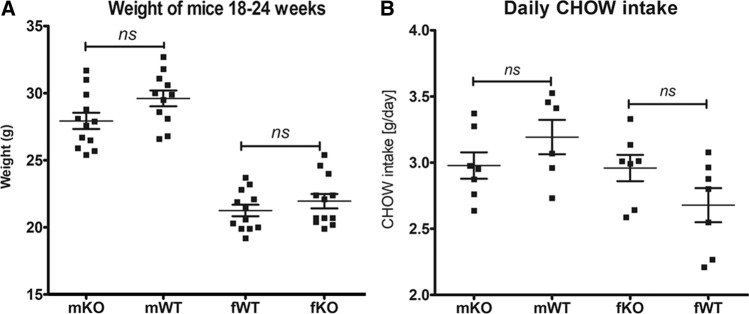
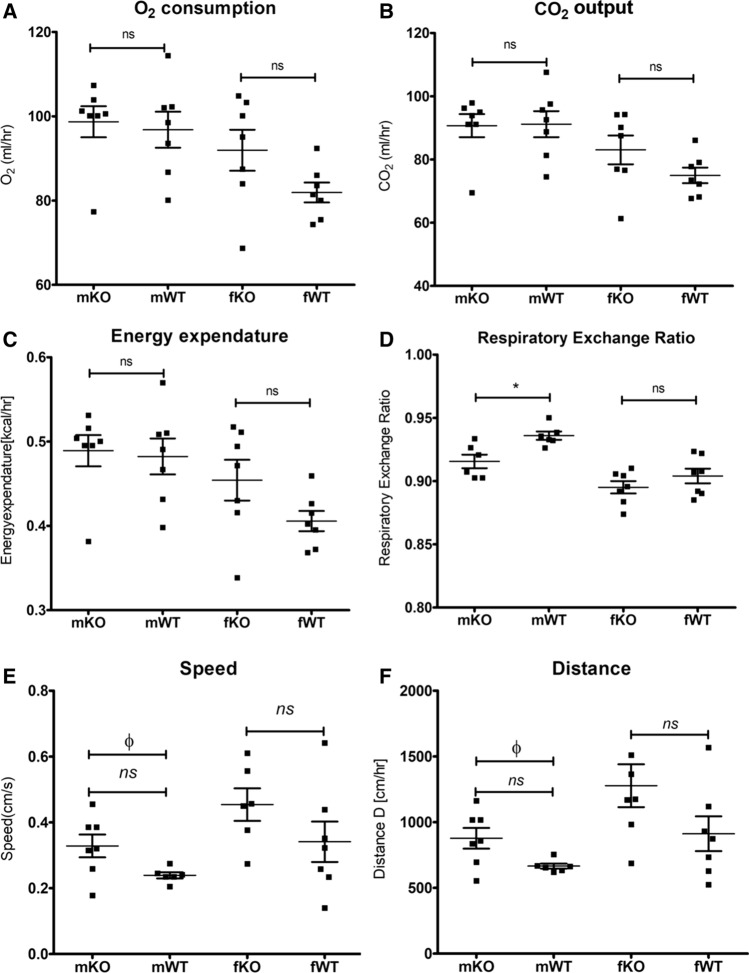
Excess maternal fat intake and obesity increase offspring susceptibility to conditions such as chronic anxiety and substance abuse. We hypothesised that environmentally modulated DNA methylation changes (5mC/5hmC) in regulatory regions of the genome that modulate mood and consumptive behaviours could contribute to susceptibility to these conditions. We explored the effects of environmental factors on 5mC/5hmC levels within the GAL5.1 enhancer that controls anxiety-related behaviours and alcohol intake. We first observed that 5mC/5hmC levels within the GAL5.1 enhancer differed significantly in different parts of the brain. Moreover, we noted that early life stress had no significant effect of 5mC/5hmC levels within GAL5.1. In contrast, we identified that allowing access of pregnant mothers to high-fat diet (> 60% calories from fat) had a significant effect on 5mC/5hmC levels within GAL5.1 in hypothalamus and amygdala of resulting male offspring. Cell transfection-based studies using GAL5.1 reporter plasmids showed that 5mC has a significant repressive effect on GAL5.1 activity and its response to known stimuli, such as EGR1 transcription factor expression and PKC agonism. Intriguingly, CRISPR-driven disruption of GAL5.1 from the mouse genome, although having negligible effects on metabolism or general appetite, significantly decreased intake of high-fat diet suggesting that GAL5.1, in addition to being epigenetically modulated by high-fat diet, also actively contributes to the consumption of high-fat diet suggesting its involvement in an environmentally influenced regulatory loop. Furthermore, considering that GAL5.1 also controls alcohol preference and anxiety these studies may provide a first glimpse into an epigenetically controlled mechanism that links maternal high-fat diet with transgenerational susceptibility to alcohol abuse and anxiety.
过量的母体脂肪摄入和肥胖会增加后代患慢性焦虑和物质滥用等疾病的易感性。我们假设,调节情绪和消费行为的基因组调节区域中环境调节的 DNA 甲基化变化(5mC/5hmC)可能导致对这些疾病的易感性。我们探讨了环境因素对控制焦虑相关行为和酒精摄入的 GAL5.1 增强子内 5mC/5hmC 水平的影响。我们首先观察到,GAL5.1 增强子内的 5mC/5hmC 水平在大脑的不同部位有显著差异。此外,我们注意到,早期生活应激对 GAL5.1 内的 5mC/5hmC 水平没有显著影响。相比之下,我们发现允许怀孕的母亲食用高脂肪饮食(脂肪含量超过 60%的卡路里)会对雄性后代下丘脑和杏仁核中 GAL5.1 内的 5mC/5hmC 水平产生显著影响。基于细胞转染的 GAL5.1 报告质粒研究表明,5mC 对 GAL5.1 的活性及其对已知刺激(如 EGR1 转录因子表达和 PKC 激动剂)的反应有显著的抑制作用。有趣的是,CRISPR 驱动的 GAL5.1 从老鼠基因组中的缺失,尽管对代谢或一般食欲几乎没有影响,但显著减少了高脂肪饮食的摄入,这表明 GAL5.1 除了受到高脂肪饮食的表观遗传调节外,还积极参与高脂肪饮食的消耗,这表明它参与了一个受环境影响的调节回路。此外,考虑到 GAL5.1 还控制着酒精偏好和焦虑,这些研究可能为母代高脂肪饮食与跨代易患酒精滥用和焦虑的表观遗传控制机制提供了初步的认识。