Shahane Amit Anil, Shivay Yashbir Singh, Prasanna Radha, Kumar Dinesh
Division of Agronomy, ICAR-Indian Agricultural Research Institute, New Delhi, 110 012, India.
Division of Microbiology, ICAR-Indian Agricultural Research Institute, New Delhi, 110 012, India.
Sci Rep. 2020 Dec 15;10(1):21944. doi: 10.1038/s41598-020-78729-w.
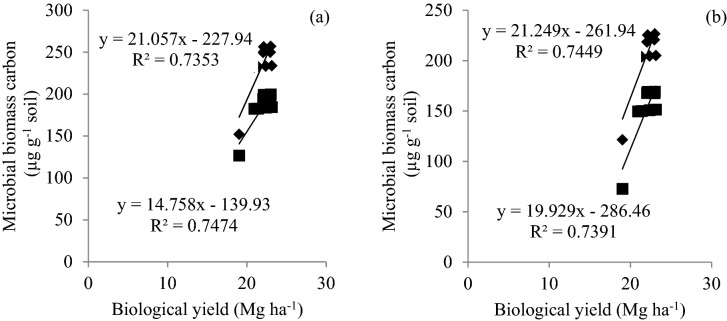
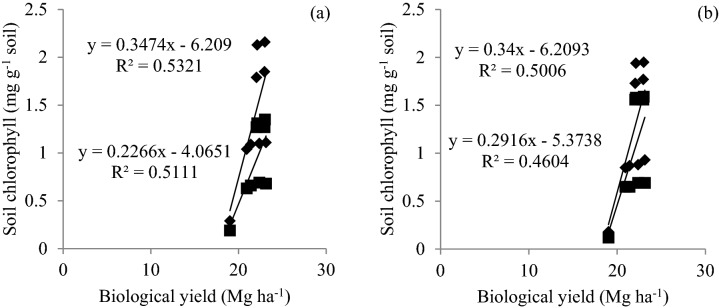
Nutrient uptake by the rice-wheat cropping system (RWCS) is an important indicator of soil fertility and plant nutrient status. The hypothesis of this investigation was that the rate and sources of nutrient application can differentially influence nutrient removal and soil nutrient status in different crop establishment techniques (CETs). Cropping system yield was on par in all the CETs evaluated, however, there were significant changes in soil nutrient availability and microbiological aspects. The system nitrogen (N), phosphorus (P), potassium (K) and zinc (Zn) uptake in aerobic rice system followed by zero tillage wheat (ARS-ZTW) was 15.7-17.6 kg ha, 0.7-0.9 kg ha, 7-9.8 kg ha and 13.5-23.1 g ha and higher than other CETs. The formulations of Anabaena sp. (CR1) + Providencia sp. (PR3) consortium (MC1) and Anabaena-Pseudomonas biofilm (MC2) recorded significantly higher values of soil chlorophyll and microbial biomass carbon and positively affected cropping system nutrient uptake and soil nutrient balance, illustrating the beneficial effect of microbial inoculation through increased supply of biologically fixed N and solubilised P. Zinc fertilization (5 kg Zn ha through ZnSO·7HO as soil application) increased soil DTPA-extractable Zn by 4.025-4.836 g ha, with enhancement to the tune of 20-24% after two cropping cycles of RWCS. Our investigation recommends the need for change in the present CETs to ARS-ZTW, along with the use of microbial inoculation as a means of significantly enhancing cropping system nutrient uptake and soil nutrient status improvement.
稻麦轮作系统(RWCS)的养分吸收是土壤肥力和植物养分状况的重要指标。本研究的假设是,施肥速率和来源会对不同作物种植技术(CETs)下的养分去除和土壤养分状况产生不同影响。在所评估的所有作物种植技术中,种植系统产量相当,然而,土壤养分有效性和微生物方面存在显著变化。在有氧水稻系统后接免耕小麦(ARS-ZTW)的种植模式下,系统对氮(N)、磷(P)、钾(K)和锌(Zn)的吸收量分别为15.7 - 17.6千克/公顷、0.7 - 0.9千克/公顷、7 - 9.8千克/公顷和13.5 - 23.1克/公顷,高于其他作物种植技术。鱼腥藻属(CR1)+普罗威登斯菌属(PR3)联合体(MC1)和鱼腥藻 - 假单胞菌生物膜(MC2)的配方记录显示,土壤叶绿素和微生物生物量碳的值显著更高,并对种植系统养分吸收和土壤养分平衡产生积极影响,这表明通过增加生物固氮和溶解磷的供应,微生物接种具有有益效果。施锌(通过土壤施用5千克硫酸锌·7水合物形式的锌/公顷)使土壤中DTPA可提取锌增加了4.025 - 4.836克/公顷,在稻麦轮作系统两个种植周期后提高了20 - 24%。我们的研究建议,需要将当前的作物种植技术改为ARS-ZTW,并使用微生物接种作为显著提高种植系统养分吸收和改善土壤养分状况的一种手段。