Gómez de Cedrón Marta, Wagner Sonia, Reguero Marina, Menéndez-Rey Adrián, de Molina Ana Ramírez
Molecular Oncology Group, Precision Nutrition and Health, IMDEA Food Institute, CEI UAM + CSIC, Ctra. de Cantoblanco 8, 28049 Madrid, Spain.
Medicinal Gardens SL, Marqués de Urquijo 47, 28008 Madrid, Spain.
Antioxidants (Basel). 2020 Dec 15;9(12):1282. doi: 10.3390/antiox9121282.
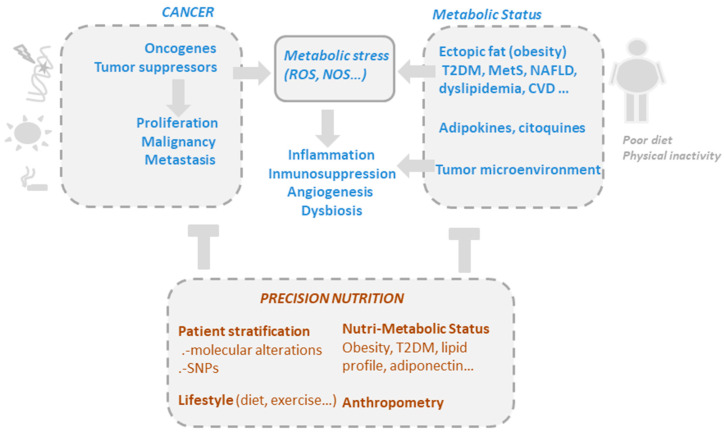
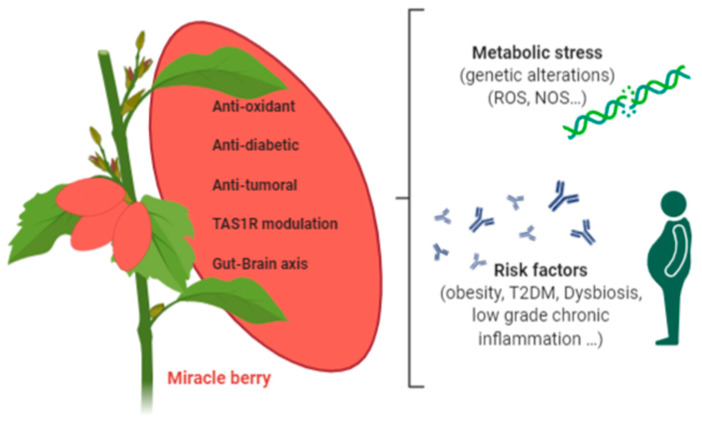
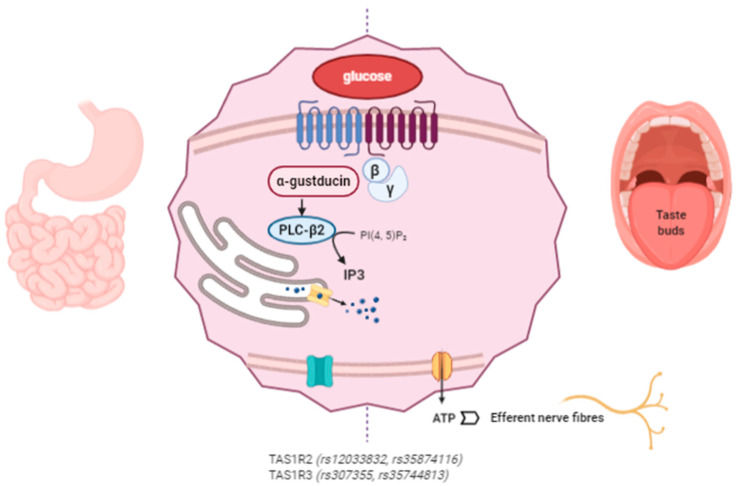
The increased incidence of chronic diseases related to altered metabolism has become a social and medical concern worldwide. Cancer is a chronic and multifactorial disease for which, together with genetic factors, environmental factors are crucial. According to the World Health Organization (WHO), up to one third of cancer-related deaths could be prevented by modifying risk factors associated with lifestyle, including diet and exercise. Obesity increases the risk of cancer due to the promotion of low-grade chronic inflammation and systemic metabolic oxidative stress. The effective control of metabolic parameters, for example, controlling glucose, lipid levels, and blood pressure, and maintaining a low grade of chronic inflammation and oxidative stress might represent a specific and mechanistic approach against cancer initiation and progression. Miracle berry (MB) ( is an indigenous fruit whose small, ellipsoid, and bright red berries have been described to transform a sour taste into a sweet one. MB is rich in terpenoids, phenolic compounds, and flavonoids, which are responsible for their described antioxidant activities. Moreover, MB has been reported to ameliorate insulin resistance and inhibit cancer cell proliferation and malignant transformation in vitro. Herein, we briefly summarize the current knowledge of MB to provide a scientific basis for its potential use as a supplement in the management of chronic diseases related to altered metabolism, including obesity and insulin resistance, which are well-known risk factors in cancer. First, we introduce cancer as a metabolic disease, highlighting the impact of systemic metabolic alterations, such as obesity and insulin resistance, in cancer initiation and progression. Next, as oxidative stress is closely associated with metabolic stress, we also evaluate the effect of phytochemicals in managing oxidative stress and its relationship with cancer. Finally, we summarize the main biological activities described for MB-derived extracts with a special focus on the ability of miraculin to transform a sour taste into a sweet one through its interaction with the sweet taste receptors. The identification of sweet taste receptors at the gastrointestinal level, with effects on the secretion of enterohormones, may provide an additional tool for managing chronic diseases, including cancer.
与代谢改变相关的慢性病发病率上升已成为全球社会和医学关注的问题。癌症是一种慢性多因素疾病,除遗传因素外,环境因素也至关重要。根据世界卫生组织(WHO)的数据,通过改变与生活方式相关的风险因素,包括饮食和运动,高达三分之一的癌症相关死亡可得到预防。肥胖会促进低度慢性炎症和全身代谢氧化应激,从而增加患癌风险。有效控制代谢参数,例如控制血糖、血脂水平和血压,并维持低度慢性炎症和氧化应激,可能是预防癌症发生和进展的一种具体且有机制可循的方法。奇迹果(MB)是一种本土水果,其小巧、椭圆形且色泽鲜艳的红色浆果能将酸味转化为甜味。MB富含萜类化合物、酚类化合物和黄酮类化合物,这些成分赋予了它所描述的抗氧化活性。此外,据报道MB可改善胰岛素抵抗,并在体外抑制癌细胞增殖和恶性转化。在此,我们简要总结了目前关于MB的知识,为其作为补充剂用于管理与代谢改变相关的慢性病(包括肥胖和胰岛素抵抗,这些都是众所周知的癌症风险因素)提供科学依据。首先,我们将癌症作为一种代谢性疾病进行介绍,强调全身代谢改变(如肥胖和胰岛素抵抗)对癌症发生和进展的影响。接下来,由于氧化应激与代谢应激密切相关,我们还评估了植物化学物质在管理氧化应激及其与癌症关系方面的作用。最后,我们总结了MB提取物所描述的主要生物活性,特别关注了奇异果甜蛋白通过与甜味受体相互作用将酸味转化为甜味的能力。在胃肠道水平识别甜味受体及其对肠激素分泌的影响可能为管理包括癌症在内的慢性病提供额外的工具。