Department of Biochemistry, Yong Loo Lin School of Medicine, National University of Singapore, Singapore.
Department of Medicine, Yong Loo Lin School of Medicine, National University of Singapore, Singapore.
J Biol Chem. 2021 Jan-Jun;296:100201. doi: 10.1074/jbc.RA120.012941. Epub 2021 Jan 23.
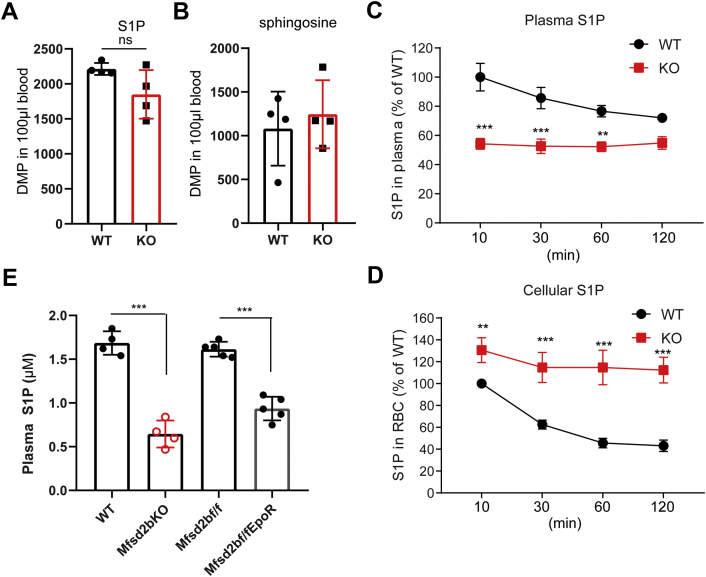
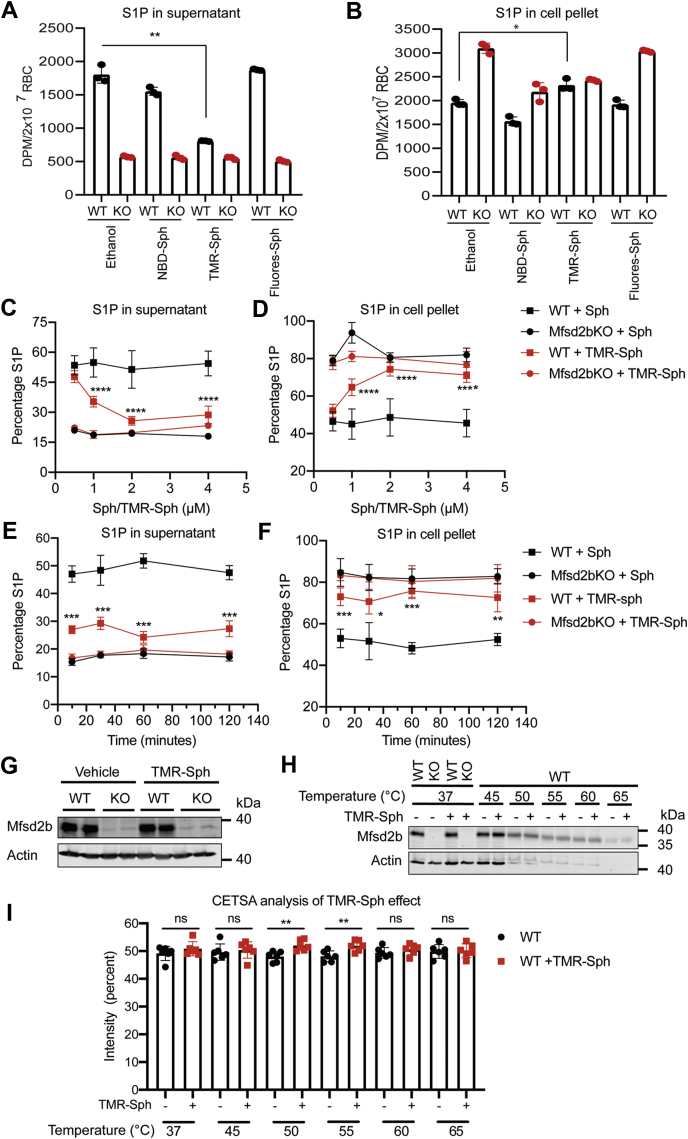
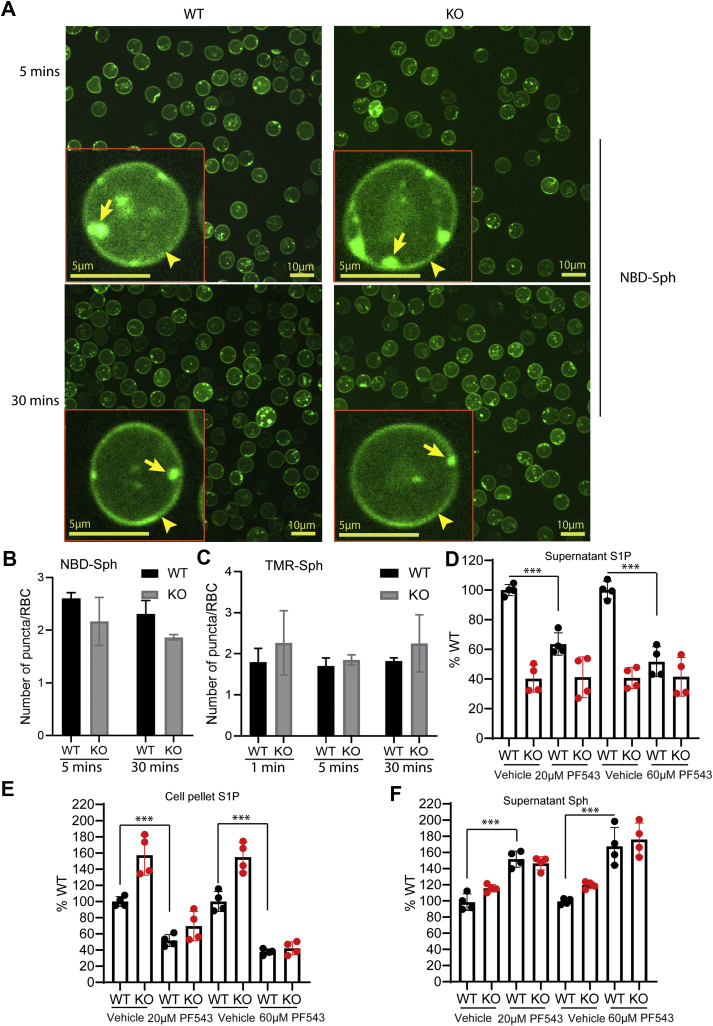
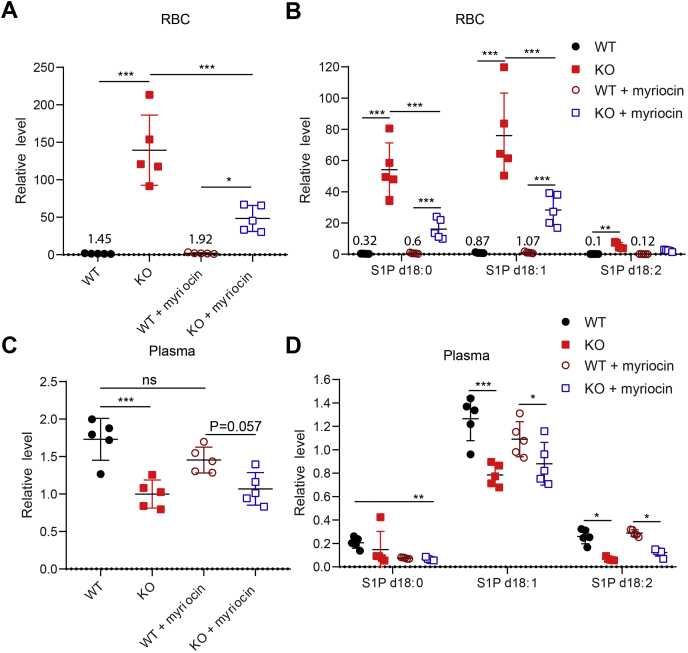
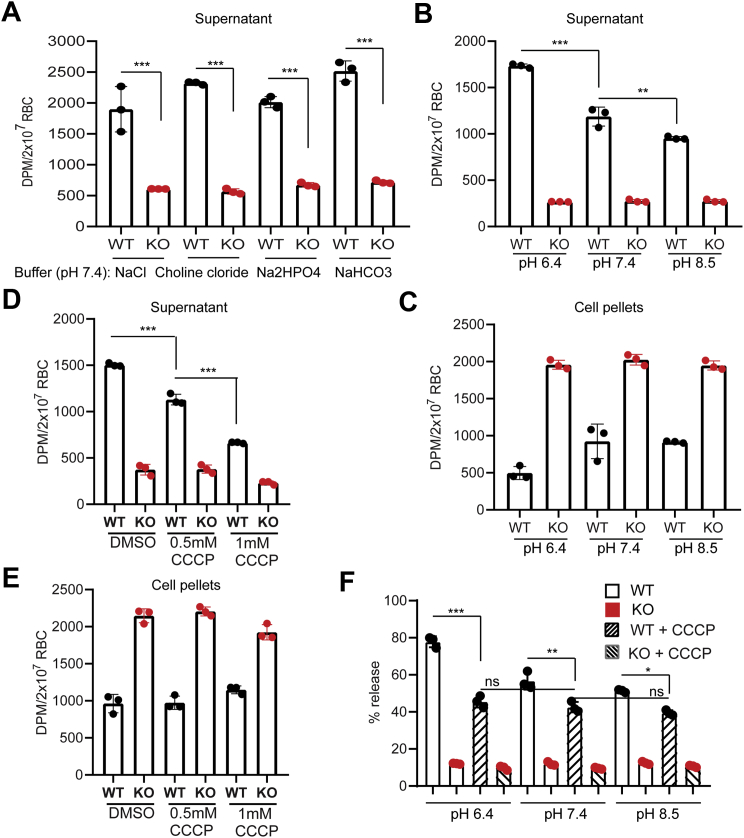
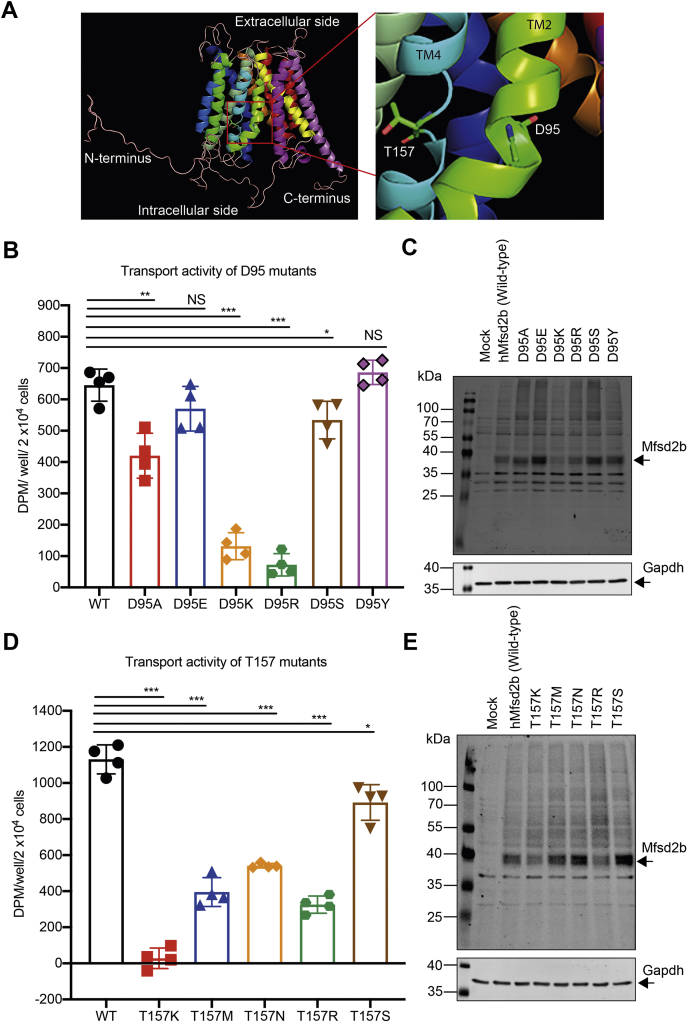
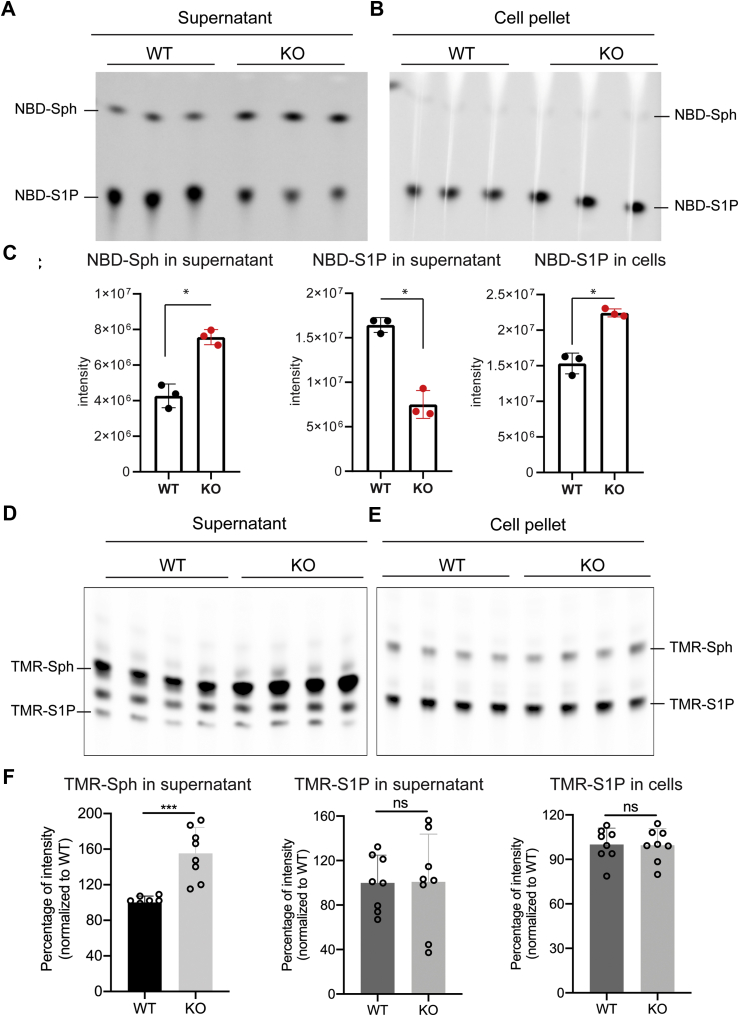
Sphingosine-1-phosphate (S1P) is a potent lipid mediator that exerts its activity via activation of five different G protein-coupled receptors, designated as S1P1-5. This potent lipid mediator is synthesized from the sphingosine precursor by two sphingosine kinases (SphK1 and 2) and must be exported to exert extracellular signaling functions. We recently identified Mfsd2b as the S1P transporter in the hematopoietic system. However, the sources of sphingosine for S1P synthesis and the transport mechanism of Mfsd2b in erythrocytes remain to be determined. Here, we show that erythrocytes efficiently take up exogenous sphingosine and that a de novo synthesis pathway in part provides sphingosines to erythrocytes. The uptake of sphingosine in erythrocytes is facilitated by the activity of SphK1. By converting sphingosine into S1P, SphK1 indirectly increases the influx of sphingosine, a process that is irreversible in erythrocytes. Our results explain for the abnormally high amount of sphingosine accumulation in Mfsd2b knockout erythrocytes. Furthermore, we show that Mfsd2b utilizes a proton gradient to facilitate the release of S1P. The negatively charged residues D95 and T157 are essential for Mfsd2b transport activity. Of interest, we also discovered an S1P analog that inhibits S1P export from erythrocytes, providing evidence that sphingosine analogs can be used to inhibit S1P export by Mfsd2b. Collectively, our results highlight that erythrocytes are efficient in sphingosine uptake for S1P production and the release of S1P is dependent on Mfsd2b functions.
鞘氨醇-1-磷酸(S1P)是一种有效的脂质介质,通过激活五个不同的 G 蛋白偶联受体(称为 S1P1-5)发挥其活性。这种有效的脂质介质是由两个鞘氨醇激酶(SphK1 和 2)从鞘氨醇前体合成的,必须被输出以发挥细胞外信号传递功能。我们最近确定了 Mfsd2b 是造血系统中的 S1P 转运体。然而,S1P 合成的鞘氨醇来源以及 Mfsd2b 在红细胞中的转运机制仍有待确定。在这里,我们表明红细胞有效地摄取外源性鞘氨醇,并且从头合成途径部分为红细胞提供鞘氨醇。SphK1 的活性促进了鞘氨醇在红细胞中的摄取。通过将鞘氨醇转化为 S1P,SphK1 间接增加了鞘氨醇的内流,这一过程在红细胞中是不可逆的。我们的结果解释了 Mfsd2b 敲除红细胞中鞘氨醇积累异常高的原因。此外,我们表明 Mfsd2b 利用质子梯度促进 S1P 的释放。带负电荷的残基 D95 和 T157 对于 Mfsd2b 的转运活性是必需的。有趣的是,我们还发现了一种抑制 S1P 从红细胞中输出的 S1P 类似物,这为鞘氨醇类似物可用于抑制 Mfsd2b 出口 S1P 提供了证据。总之,我们的结果强调了红细胞在 S1P 生产中摄取鞘氨醇的效率,以及 S1P 的释放依赖于 Mfsd2b 的功能。