Department of Otolaryngology and Head and Neck Surgery, The Second Xiangya Hospital, Central South University, 139 Renmin Road, Changsha, 410011, Hunan, China.
Department of Otolaryngology and Head and Neck Surgery, Faculty of Medicine, University of Tokyo, 7-3-1 Hongo, Bunkyo-ku, Tokyo, 113-0033, Japan.
Sci Rep. 2020 Dec 17;10(1):22175. doi: 10.1038/s41598-020-79249-3.
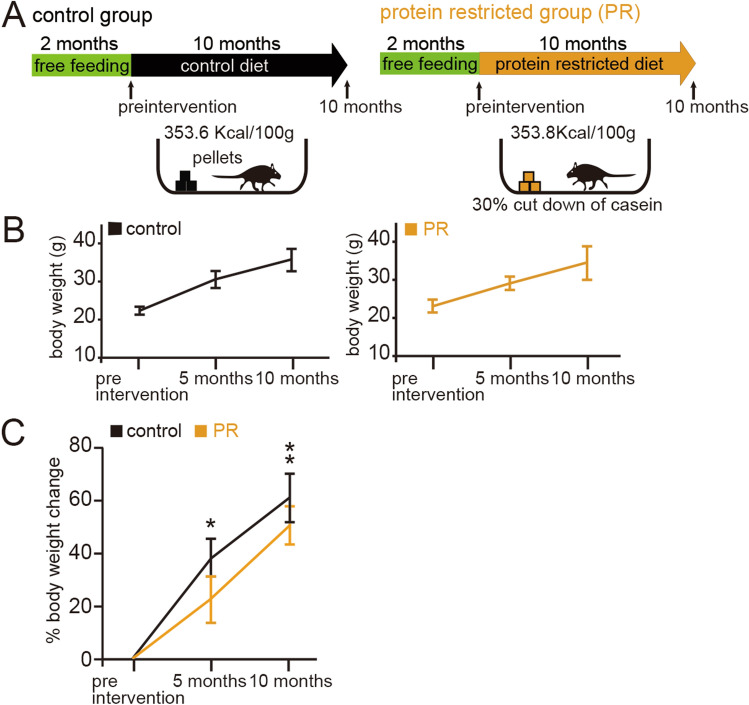
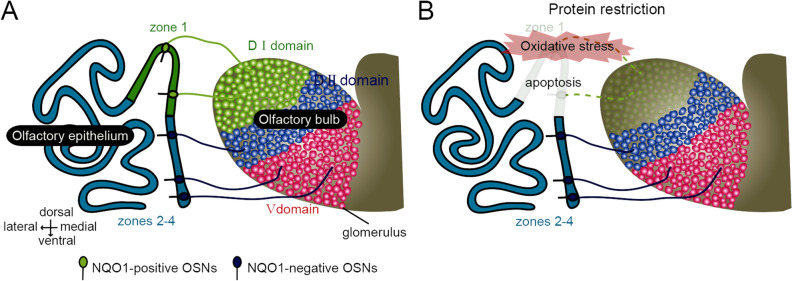
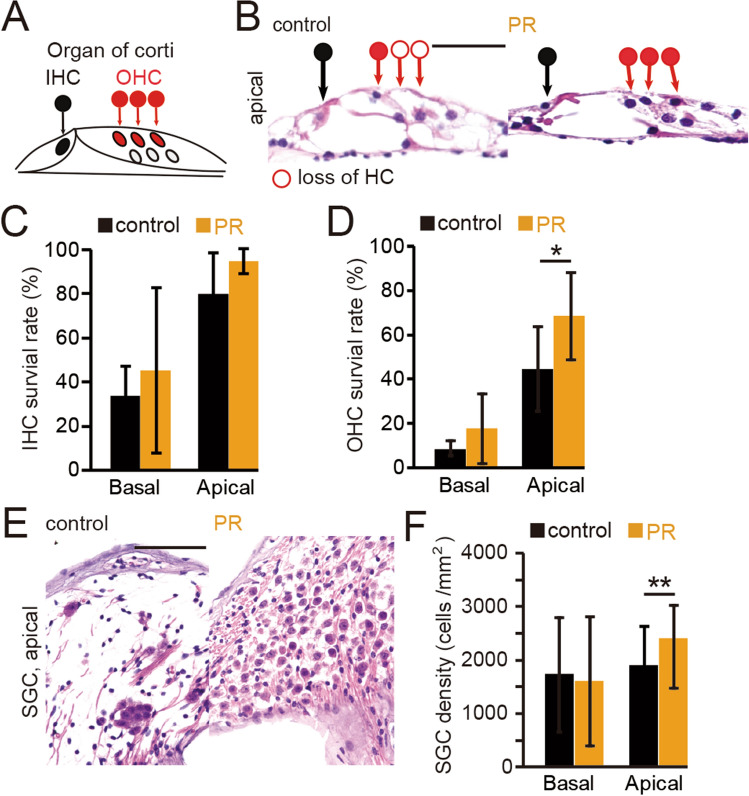
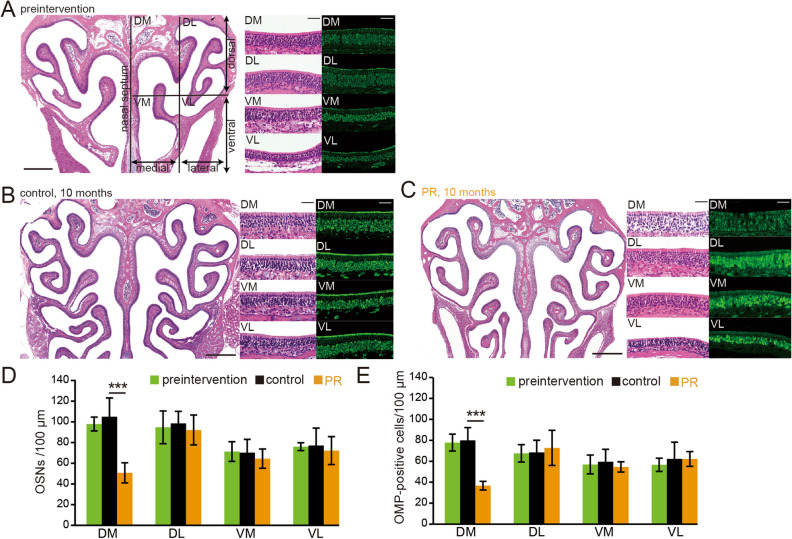
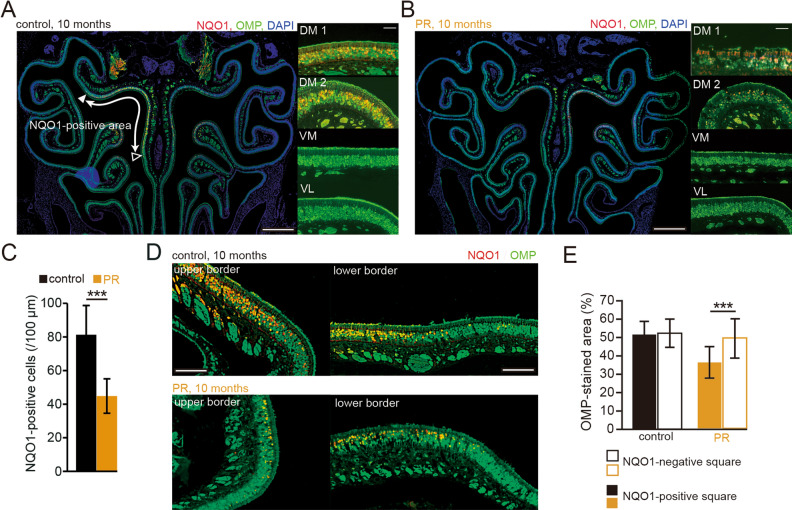
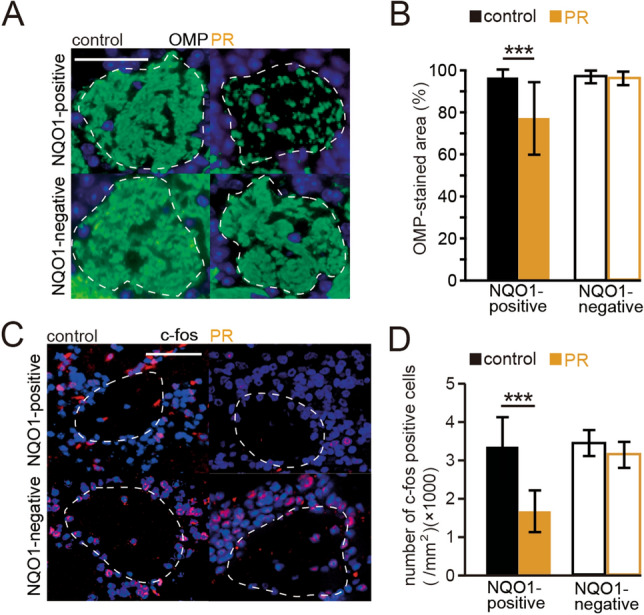
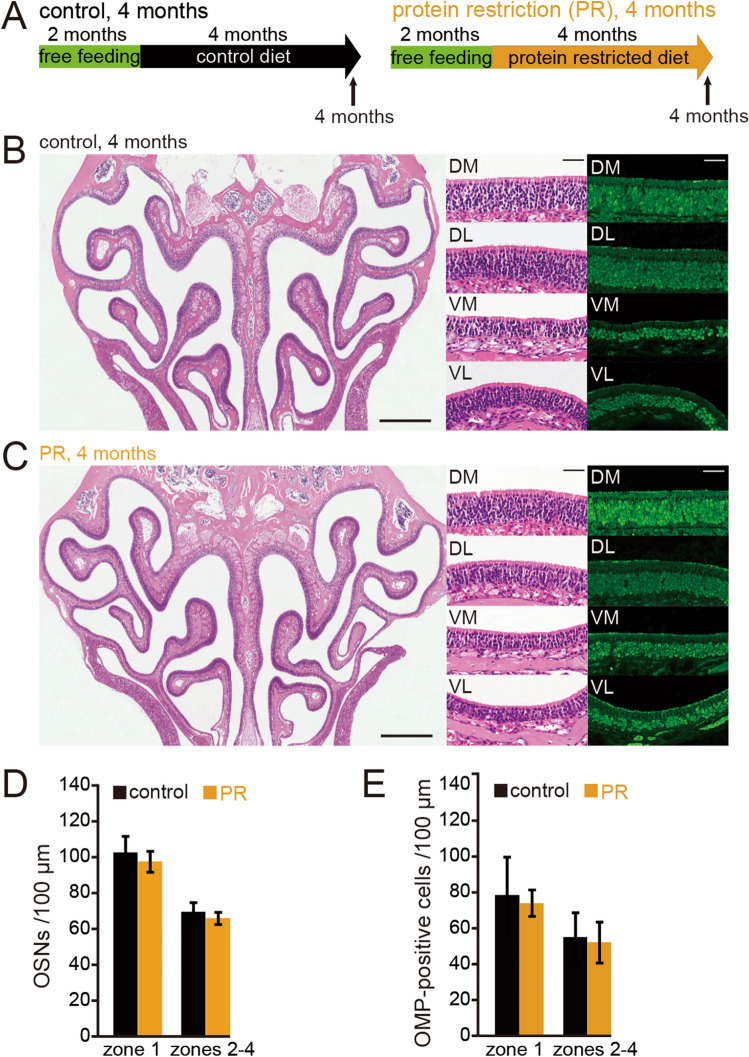
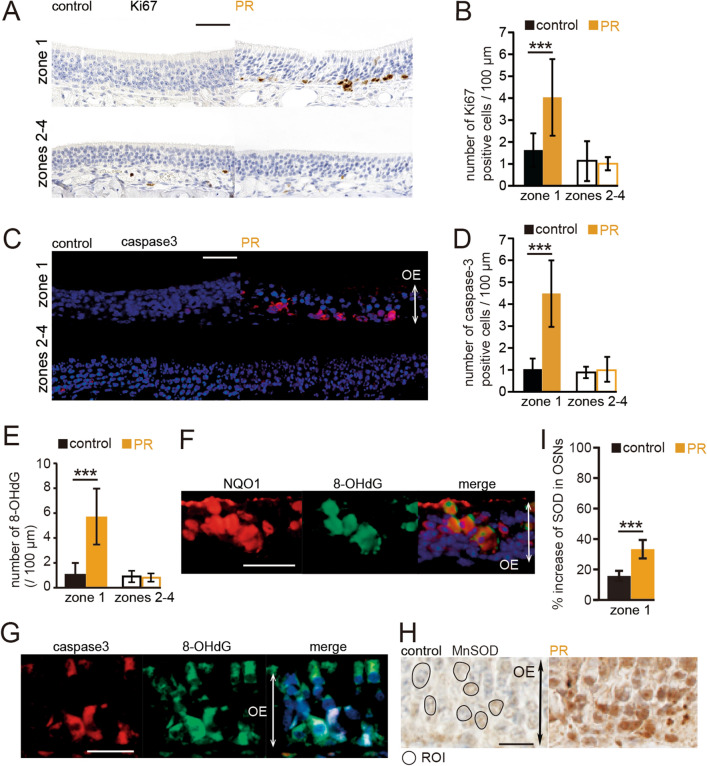
Oxidative stress causes tissue damage, affecting age-related pathologies. Protein restriction (PR) provides a powerful intervention strategy for reducing oxidative stress, which may have a positive effect on individual organs. However, it is unknown whether PR intervention influences the olfactory system. Here, we investigated how 10 months of PR could affect the cell dynamics of the olfactory epithelium (OE) in mice. We found that PR reduced age-related loss of outer hair cells in the cochlea, providing preventive effects against age-related hearing loss. In contrast, PR resulted in reduced mature olfactory sensory neurons (OSNs), increased proliferative basal cells, and increased apoptotic OSNs in zone 1 (the only area containing neurons expressing NQO1 [quinone dehydrogenase 1]) of the OE in comparison with animals given a control diet. Substantial oxidative stress occurred in NQO1-positive cells and induced apoptotic OSNs in zone 1. These results indicate that in contrast to the positive effect on the auditory system, PR induces oxidative stress and structurally and functionally negative effects on OSNs in zone 1, which is probably involved in the bioactivation of NQO1.
氧化应激会导致组织损伤,影响与年龄相关的病理。蛋白质限制(PR)提供了一种强大的干预策略,可以减少氧化应激,这可能对个体器官产生积极影响。然而,目前尚不清楚 PR 干预是否会影响嗅觉系统。在这里,我们研究了 10 个月的 PR 如何影响小鼠嗅上皮(OE)的细胞动力学。我们发现,PR 减少了耳蜗中外毛细胞的年龄相关性损失,对年龄相关性听力损失具有预防作用。相比之下,PR 导致成熟的嗅觉感觉神经元(OSN)减少,增殖基底细胞增加,以及嗅上皮区 1(唯一含有表达 NQO1[醌氧化还原酶 1]的神经元的区域)中的凋亡 OSN 增加。大量氧化应激发生在 NQO1 阳性细胞中,并诱导区 1 中的凋亡 OSN。这些结果表明,与对听觉系统的积极影响相反,PR 会在区 1 中诱导氧化应激和结构及功能上对 OSN 的负面影响,这可能涉及 NQO1 的生物激活。