Zhou Zhike, Hou Jun, Li Qinghua
Department of Dermatology, Qingdao Municipal Hospital, No. 21 Anhui Road, Qingdao 266001, Shandong, China.
Transl Neurosci. 2020 Sep 9;11(1):309-318. doi: 10.1515/tnsci-2020-0136. eCollection 2020.
Blood-brain barrier (BBB) dysfunction and neuroinflammation induced by traumatic brain injuries (TBIs) cause a succession of secondary brain damage events and finally lead to a massive and progressive cerebral neuronal destruction. Artesunate, a semisynthetic artemisinin derivative, is a potential candidate for the management of cerebral damage induced by TBI due to its protective function to BBB and cerebral neurons.
To demonstrate the effect of artesunate to TBI-induced BBB dysfunction and neural damage, TBI rat model was constructed by cortical impact injury. Behavioral experiments were used to estimate the impact of the combined treatment on rats. Western blotting was performed to demonstrate the protein levels in the brain tissues of rats. Quantitative real-time PCRs were utilized to investigate the alteration in the expression of various RNA levels. The chemokine levels were estimated by ELISA.
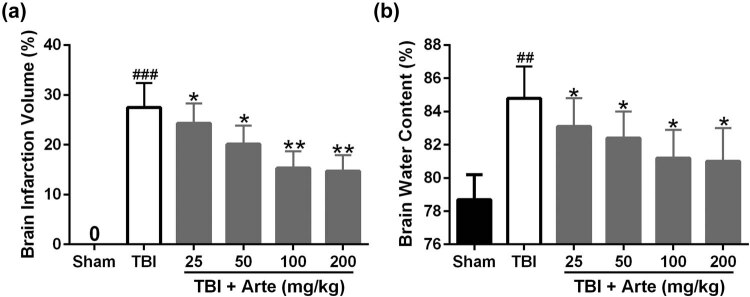
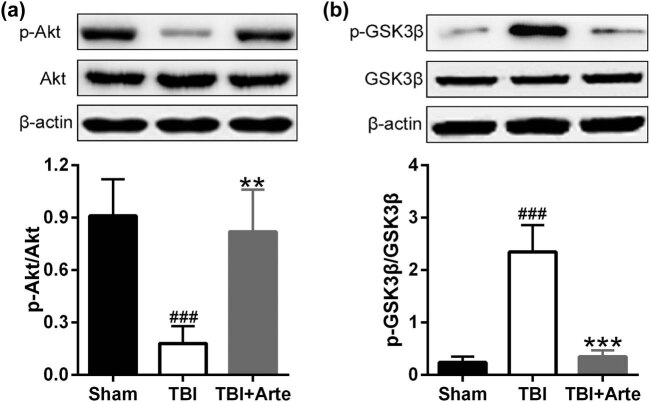
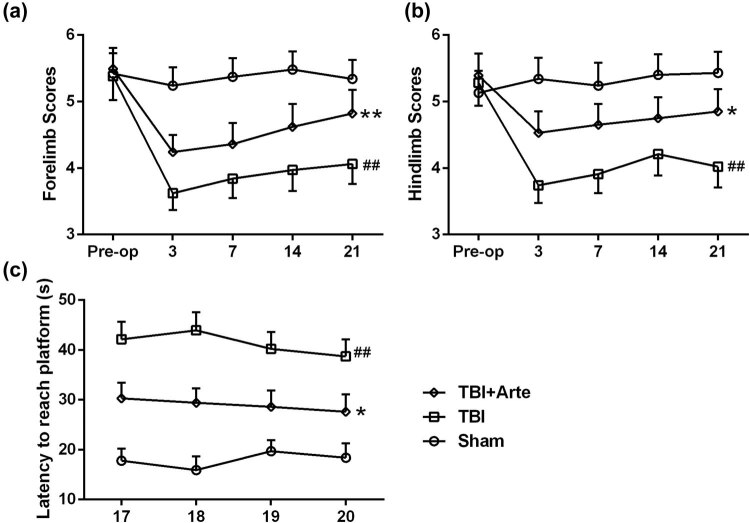
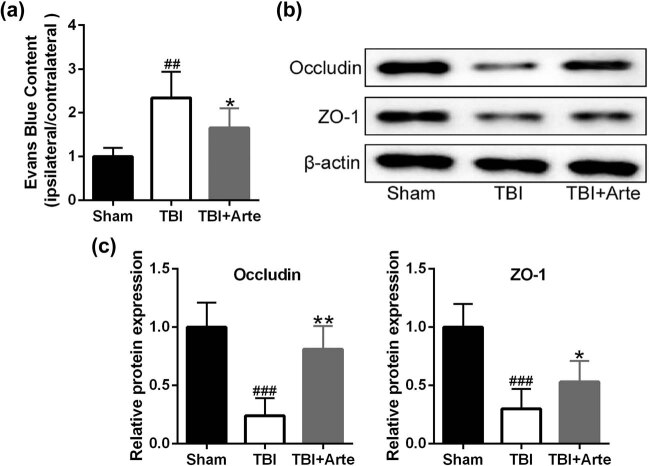
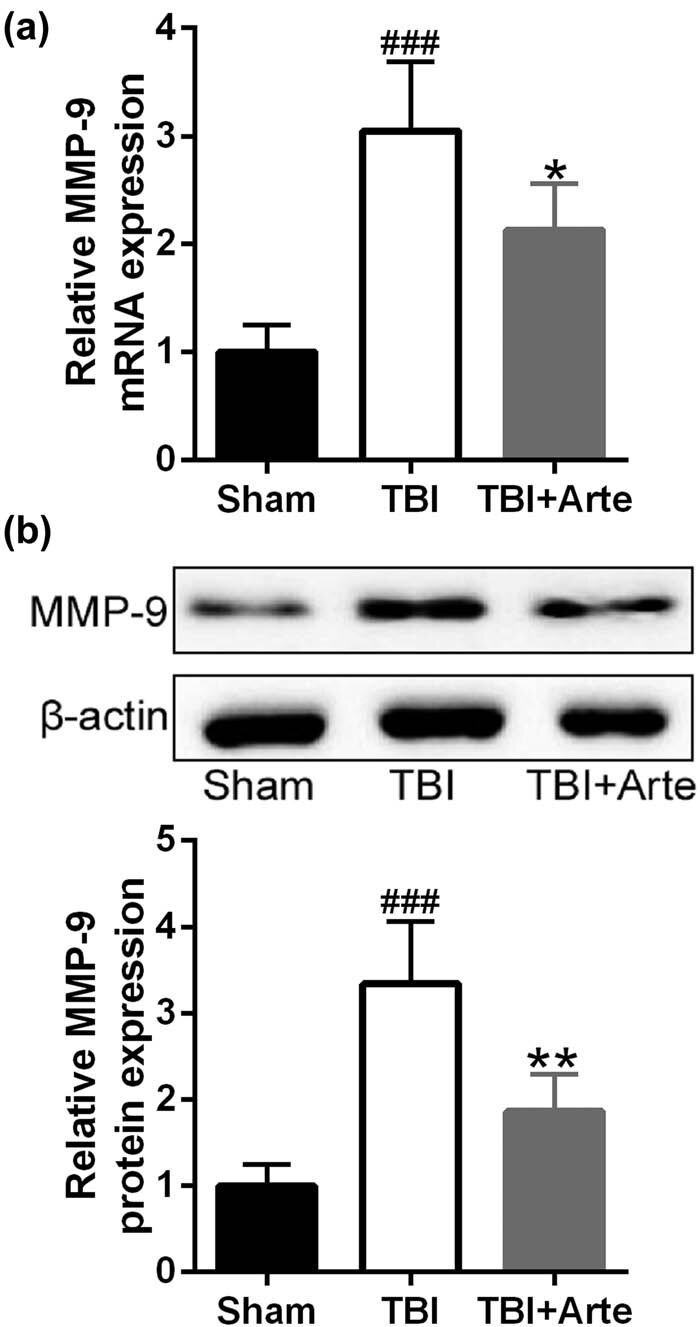
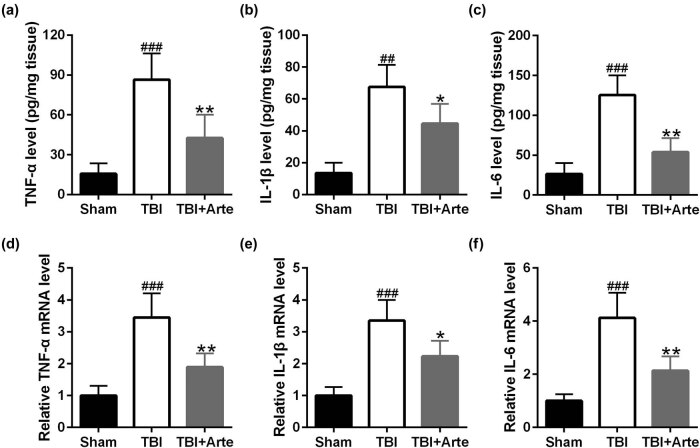
Artesunate treatment attenuated the impact caused by TBI on rat brain and improved the long-term neurological recover. Artesunate treatment protected the integrity of BBB and inhibited neuroinflammation. Artesunate treatment promoted the phosphorylation of Akt and inhibited the phosphorylation of glycogen synthase kinase (GSK)-3β in TBI rat model.
Artesunate protected rats from TBI-induced impairments of BBB and improved longer-term neurological outcomes.
创伤性脑损伤(TBI)引起的血脑屏障(BBB)功能障碍和神经炎症会引发一系列继发性脑损伤事件,最终导致大量且进行性的脑神经元破坏。青蒿琥酯是一种半合成青蒿素衍生物,因其对血脑屏障和脑神经元具有保护作用,是治疗TBI所致脑损伤的潜在候选药物。
为证明青蒿琥酯对TBI诱导的血脑屏障功能障碍和神经损伤的作用,通过皮质撞击损伤构建TBI大鼠模型。采用行为学实验评估联合治疗对大鼠的影响。进行蛋白质印迹法以证明大鼠脑组织中的蛋白质水平。利用定量实时聚合酶链反应研究各种RNA水平表达的变化。通过酶联免疫吸附测定法评估趋化因子水平。
青蒿琥酯治疗减轻了TBI对大鼠脑的影响,并改善了长期神经功能恢复。青蒿琥酯治疗保护了血脑屏障的完整性并抑制了神经炎症。在TBI大鼠模型中,青蒿琥酯治疗促进了Akt的磷酸化并抑制了糖原合酶激酶(GSK)-3β的磷酸化。
青蒿琥酯保护大鼠免受TBI诱导的血脑屏障损伤,并改善了长期神经功能结局。